In modern laser processing and industrial manufacturing, understanding the difference between Continuous And Pulsed Laser technologies is essential for selecting the right solution. From precision marking to high-power cutting and cleaning, both continuous and pulsed lasers play critical roles across various industries.
This article explains the working principles, pulsed laser power characteristics, and practical applications of continuous laser and pulsed laser systems, helping buyers make informed decisions and choose the most suitable laser solution.
What Is a Continuous Laser?
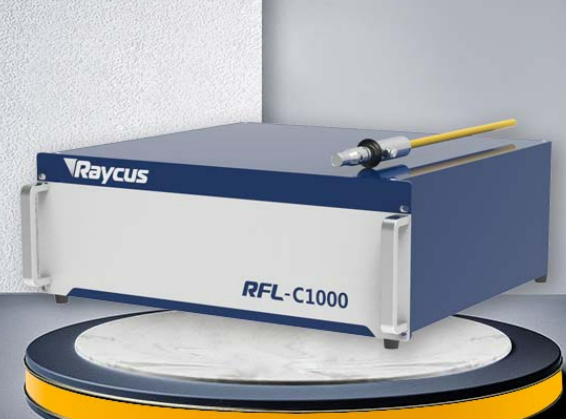
A continuous laser (also known as CW laser) emits a constant and uninterrupted laser beam with stable output power. Unlike pulsed systems, continuous lasers maintain a steady energy flow over time.
Key Features of Continuous Lasers
Stable and uniform laser output
Constant laser energy delivery
Ideal for long-duration processing
Simple power control and high reliability
Because of these characteristics, continuous laser and pulsed laser technologies are often compared when selecting equipment for industrial use.
Typical Applications of Continuous Lasers
Laser cutting of metals
Laser welding
High-speed laser cladding
Continuous laser surface treatment
In these applications, continuous laser systems provide consistent penetration depth and smooth processing results.
What Is a Pulsed Laser?
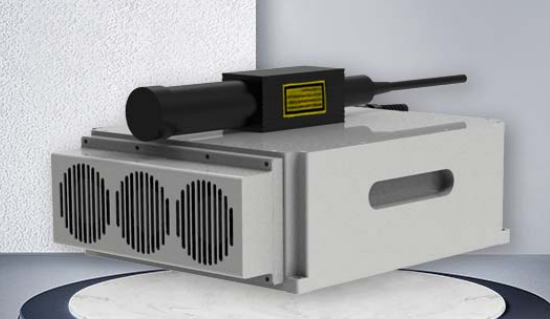
A pulsed laser emits laser energy in short bursts rather than continuously. Each pulse contains high peak energy, making pulsed laser power significantly higher than the average output power.
Key Features of Pulsed Lasers
Extremely high peak power in short durations
Precise energy control
Minimal heat-affected zones
Excellent for delicate materials
When comparing continuous and pulsed laser systems, pulsed lasers are often chosen for applications requiring extreme precision and minimal thermal impact.
Understanding Pulsed Laser Power
Pulsed laser power is a critical parameter that determines processing quality and efficiency. It is defined by several factors:
Peak Power – Maximum power during a single pulse
Pulse Width – Duration of each laser pulse
Pulse Frequency – Number of pulses per second
Average Power – Overall energy output over time
Although the average power of a pulsed laser may be lower than that of a continuous laser, the pulsed laser power at peak levels can be many times higher. This is why pulsed lasers are ideal for high-precision applications.
Continuous Laser And Pulsed Laser: Key Differences
| Feature | Continuous Laser | Pulsed Laser |
|---|---|---|
| Output Mode | Continuous beam | Short pulses |
| Peak Power | Lower | Very high |
| Heat Control | Higher thermal input | Lower thermal impact |
| Precision | Moderate | Extremely high |
| Typical Uses | Cutting, welding | Marking, micro-machining |
Understanding the differences between continuous laser and pulsed laser systems allows manufacturers to optimize processing efficiency and product quality.
Applications of Continuous And Pulsed Laser Systems
Industrial Manufacturing
Continuous laser systems for metal cutting and welding
Pulsed laser systems for precision marking and trimming
Electronics and Semiconductor
Pulsed laser power enables micro-drilling and thin-film trimming
Precise processing without damaging sensitive components
Surface Treatment and Cleaning
Pulsed lasers remove rust, coatings, and contaminants efficiently
Continuous lasers handle large-area surface processing
Medical and Scientific Fields
Pulsed laser systems offer high precision with controlled energy delivery
How to Choose Between Continuous Laser And Pulsed Laser?
When selecting between continuous and pulsed laser technologies, consider the following:
Material type and thickness
Required precision level
Thermal sensitivity of the material
Production speed requirements
Budget and long-term maintenance costs
For high-speed, large-area processing, a continuous laser may be the best option. For precision-focused tasks requiring controlled pulsed laser power, pulsed laser systems are often superior.
Conclusion
Both continuous and pulsed laser technologies play essential roles in modern laser processing. Continuous lasers deliver stable power for high-speed industrial applications, while pulsed lasers provide high peak energy and exceptional precision.
By understanding continuous laser and pulsed laser differences and pulsed laser power characteristics, manufacturers can select the right laser solution to improve efficiency, product quality, and return on investment.
If you are looking for professional continuous and pulsed laser solutions, feel free to contact us for expert technical consultation and customized laser systems tailored to your application needs.
JCZ Invites You to Photonics 2026 in Moscow
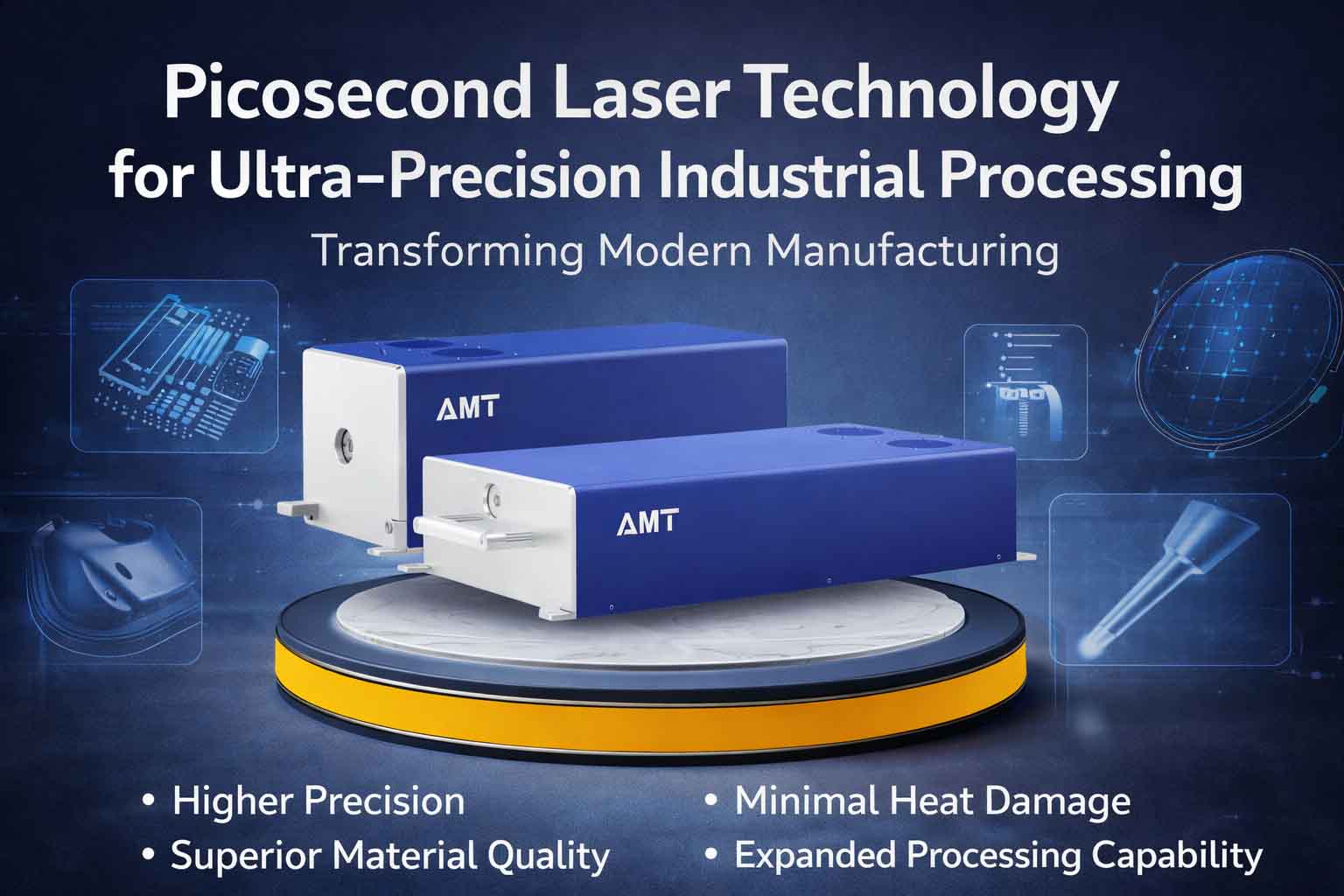
Picosecond Laser for Ultra-Precision Industrial Processing
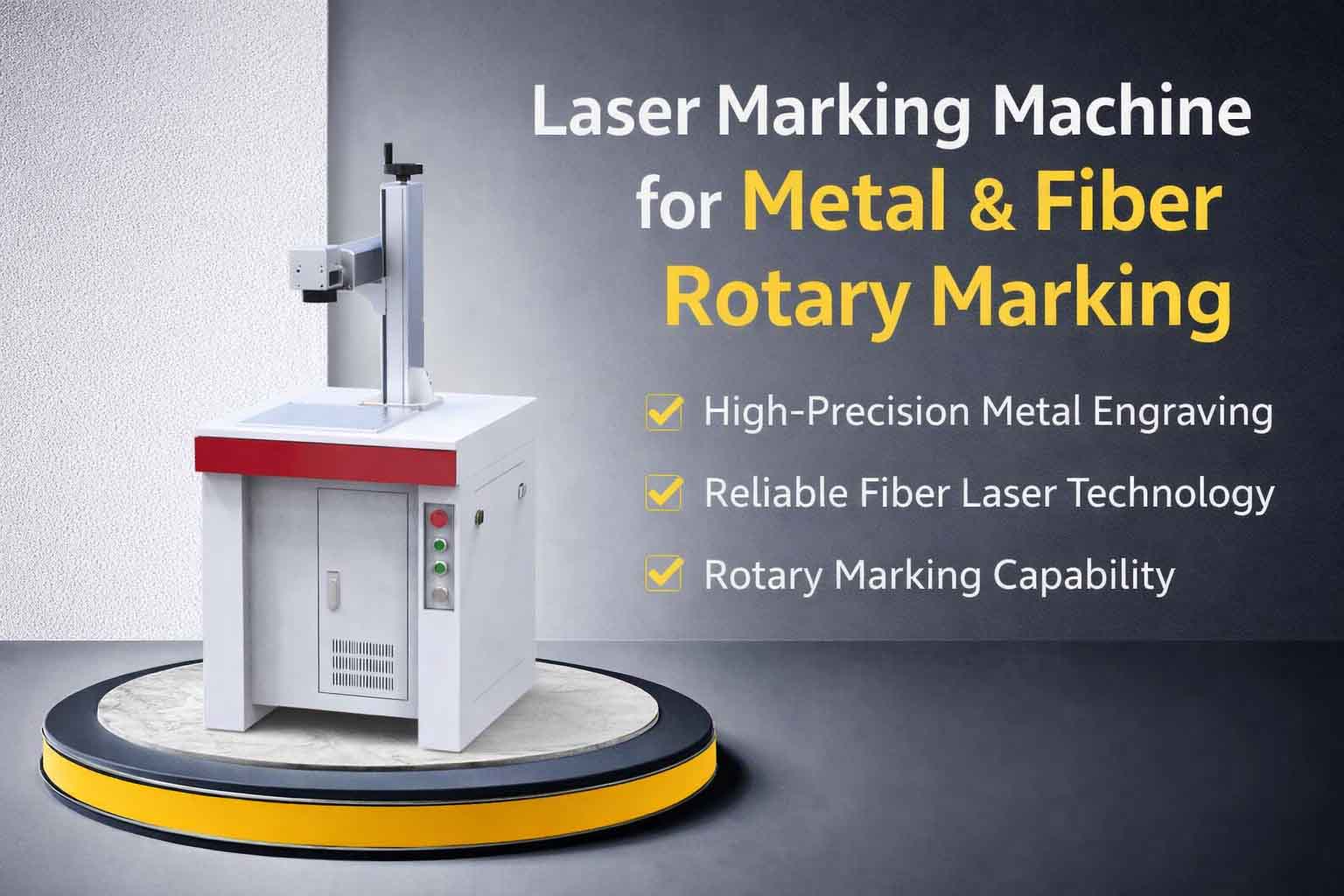
Best Fiber Laser Marking Machine for Metal
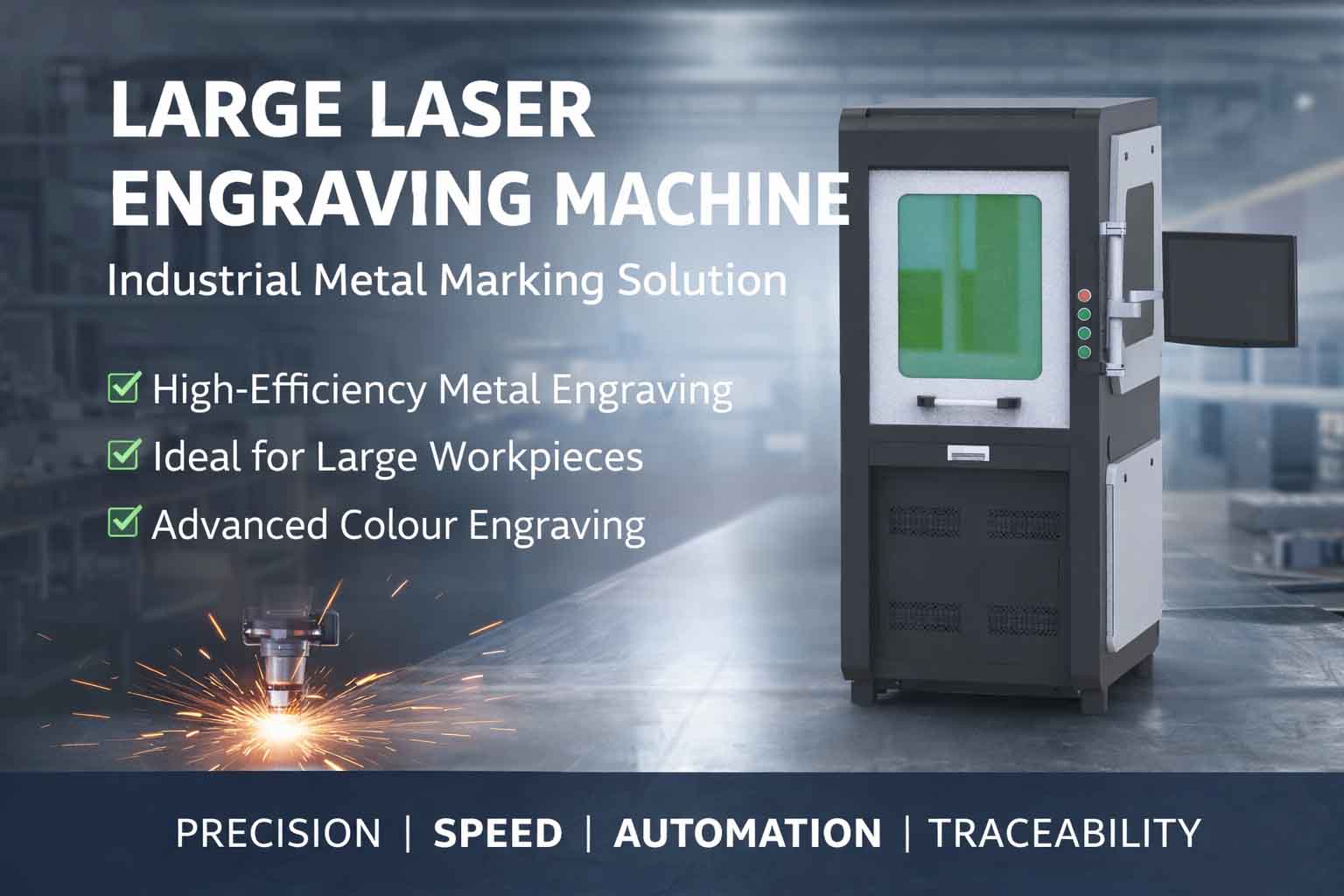
Large Laser Engraving Machine for Industrial Metal Marking and High-Volume Production

Laser Cleaning Solutions for Industrial Surface Preparation and Paint Removal
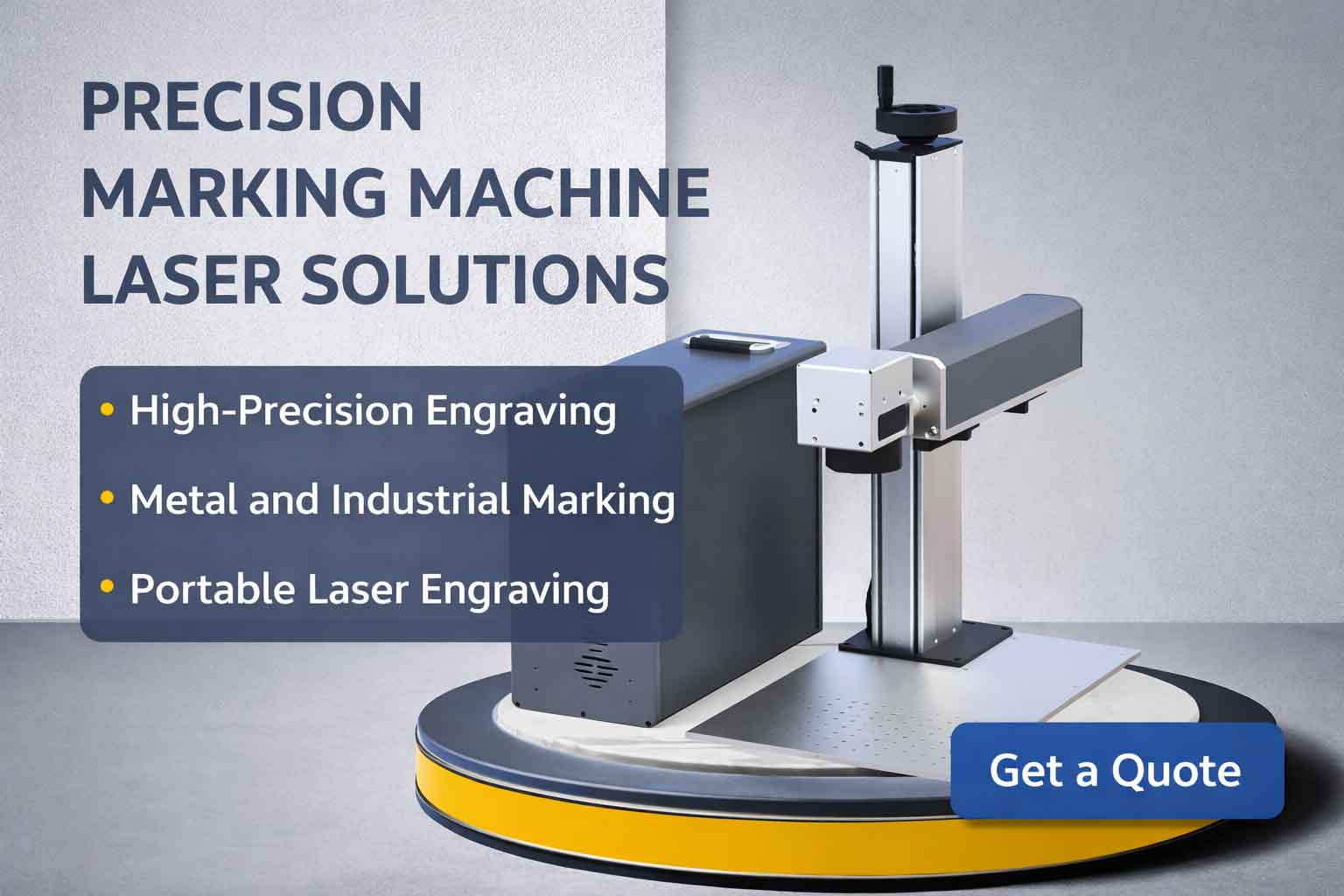
Marking Machine Laser Solutions for Precision Industrial Engraving