Picosecond Laser Specifications
| Product Model | IR Picosecond-1064-15 | IR Picosecond-1064-30 | IR Picosecond-1064-50 |
| Center Wavelength | 1064±0.5 nm | ||
| Power | 15 W@100 kHz | 30 W@100 kHz | 50 W@100 kHz 50 W@50 kHz |
| Repetition Rate | 1 HZ~1 MHZ | ||
| Pulse Energy | 150 μJ | 300 μJ | 500 μJ@Burst 1 1.0 mJ@Burst 2 |
| Power Stability | <1% (8 hours, RMS) | ||
| Pulse Duration | ~10 ps | ||
| Beam Quality | TEMoo, M²≤1.2 | TEMoo, M²≤1.3 | |
| Beam Circularity | >90% | ||
| Beam Diameter | ~2 mm | ~3 mm | |
| Burst Mode | 1~5 | ||
| Dimensions | 600*288*132.5 mm³ | 800*332*132.5 mm³ | |
| Trigger Mode | PSO, POD, Gate mode, and TTL trigger | ||
| External Power Control | 0~5 V | ||
| Warm-up Time | 15 min | ||
| Electrical Requirements | AC 100~240 V/50~60 Hz | ||
| Environment Humidity | <60% RH@25℃ | ||
| Environment Temperature | 22-30 °C | ||
| Cooling | Water cooling | ||
IR Picosecond Laser Specifications
| Product Model | IR Picosecond Laser-1064-80 | IR Picosecond Laser-1064-200 | IR Picosecond Laser-1064-500 |
| Center Wavelength | 1064±0.5 nm | ||
| Power | 80 W@Burst 5@20 kHz | 200 W@1 MHz | 500 W@3 MHz |
| Repetition Rate | 1 Hz~2 MHz | 1 Hz-6 MHz | |
| Pulse Energy | 4 mJ@Burst 5@20 kHz | 200 μJ | 150 μJ |
| Power Stability | <1%(8 hours, RMS) | ||
| Pulse Duration | -15 ps | -10 ps | -10 ps |
| Beam Quality | TEMoo, M²≤1.3 | ||
| Beam Circularity | >90% | ||
| Beam Diameter | -3 mm | ||
| Burst Mode | 5~6 | ||
| Dimensions | 800*364*140 mm³ | 800*420*139.5 mm³ | 980*560*153 mm³ |
| Trigger Mode | PSO、POD、Gate mode,and TTL trigger | ||
| External Power Control | 0-5 V | ||
| Warm-up Time | 15 min | ||
| Electrical Requirements | AC 100-240 V/50-60 Hz | ||
| Environment Humidity | <60% RH@25°C | ||
| nvironmentTemperature | 22-30℃ | ||
| Cooling | Water cooling | ||
Green Picosecond Laser Specifications
| Product Model | Green Picosecond Laser-532-6 | Green Picosecond Laser-532-30 | Green Picosecond Laser-532-90 | Green Picosecond Laser-532-200 |
| Center Wavelength | 532±0.5 nm | |||
| Power | 6 W@100 kHz | 30 W@100 kHz | 90 W@300 kHz | 200 W@1 MHz |
| Repetition Rate | 1 Hz-1 MHz | 1 Hz-2 MHz | ||
| Pulse Energy | 60 μJ | 300 μJ | 300 μJ | 200 μJ |
| Power Stability | <1%(8 hours, RMS) | |||
| Pulse Duration | -7ps | <15ps | ||
| Beam Quality | TEMoo, M²≤1.1 | TEMoo, M²≤1.2 | TEMoo, M²≤1.3 | |
| Beam Circularity | >90% | |||
| Beam Diameter | ~1.5mm | ~2mm | ||
| Burst Mode | 1-5 | |||
| Dimensions | 600*288*132.5 mm³ | 800*364*140 mm³ | 800*420*139.5 mm³ | 980*560*153 mm³ |
| Trigger Mode | PSO、POD、Gate mode,and TTL trigger | |||
| External Power Control | 0-5 V | |||
| Warm-up Time | 15 min | |||
| Electrical Requirements | AC 100-240 V/50-60 Hz | |||
| Environment Humidity | <60% RH@25°C | |||
| nvironmentTemperature | 22-30℃ | |||
| Cooling | Water cooling | |||
UV Picosecond Laser Specifications
| Product Model | UV Picosecond Laser-355-5 | UV Picosecond Laser–355-20 | UV Picosecond Laser–355-30 | UV Picosecond Laser–355-60 | UV Picosecond Laser–355-100 |
| Center Wavelength | 355士0.5 nm | ||||
| Power | 5 W@300 kHz | 20 W@1 MHz | 30 W@1 MHz | 60 W@1 MHz | 100 W @3 MHz |
| Repetition Rate | 1 Hz~2 MHz | 1 Hz~6 MHz | |||
| Pulse Energy | 15 μJ | 60-100 μJ | 30 uJ | ||
| Power Stability | <1%(8 hours, RMS) | ||||
| Pulse Duration | ~7 ps | ||||
| Beam Quality | TEMoo, M²≤1.2 | TEMoo, M²≤1.3 | |||
| Beam Circularity | >90% | ||||
| Beam Diameter | ~2mm | ~3mm | |||
| Dimensions | 600*288*132.5 mm³ | 800*332*132.5 mm³ | 800*364*140 mm³ | 980*560*153 mm³ | |
| Trigger Mode | PSO、POD、Gate mode,and TTL trigger | ||||
| External Power Control | 0-5 V | ||||
| Warm-up Time | 15 min | ||||
| Electrical Requirements | AC 100-240 V/50-60 Hz | ||||
| Environment Humidity | <60% RH@25°C | ||||
| nvironmentTemperature | 22-30℃ | ||||
| Cooling | Water cooling | ||||
A picosecond laser is an ultrafast laser that emits pulses with a duration measured in trillionths of a second — typically between 1 and 15 picoseconds (10⁻¹² seconds). This pulse width is significantly shorter than nanosecond lasers (10⁻⁹ s) and substantially longer than femtosecond lasers (10⁻¹⁵ s), placing picosecond lasers in a uniquely practical position for industrial applications: they minimize the heat-affected zone (HAZ) far better than nanosecond lasers while remaining more affordable, robust, and higher in average power than femtosecond systems.
EZCAD’s high-power picosecond laser source series delivers ultrafast, ultrashort pulses across three wavelengths — infrared (1064nm, up to 500W), green (532nm, up to 200W), and ultraviolet (355nm, up to 100W) — for demanding industrial micromachining, semiconductor scribing, display panel cutting, and precision microstructuring. Built on a hybrid fiber and solid-state amplification architecture, these industrial picosecond lasers combine the stability of fiber delivery with the high peak power of solid-state gain to meet 7×24 production requirements.
Key Technical Highlights
Hybrid fiber-solid-state amplification architecture The system combines a fiber-based seed oscillator with a solid-state power amplification stage — a design that leverages the excellent beam quality and environmental stability of fiber lasers alongside the high pulse energy capability of bulk solid-state gain media. The result is >20,000 hours seed lifetime, <1% power stability over 8 continuous hours (RMS), and a TEMoo beam with M² ≤ 1.3 across the full power range.
Three wavelengths in a unified platform — IR / Green / UV The same chassis supports three harmonic outputs: 1064nm infrared (fundamental), 532nm green (second harmonic), and 355nm UV (third harmonic). Each wavelength opens different material interaction regimes, and all models share the same control software, trigger interface (PSO, POD, Gate, TTL), and form factor — simplifying integration into multi-process production lines.
Burst mode for high-throughput micromachining.A single burst delivers up to 4 mJ of total energy at burst-5 mode (IR model, 20 kHz), enabling efficient material removal at high throughput while preserving the ultrashort pulse duration of each individual sub-pulse. This makes burst-mode picosecond lasers particularly effective for hard, brittle materials that require both high energy density per spot and minimal cumulative heat buildup.
Wide repetition rate range: 1 Hz to 6 MHz The adjustable repetition frequency from 1 Hz (single-shot capability) to 6 MHz (high-speed scanning) allows seamless integration with galvo-scanner systems, gantry stages, and production line encoders.
Water-cooled, 7×24 industrial-grade design All high-power models in this picosecond laser series use a water-cooled thermal management system.
External power and trigger control 0–5V analog input enables continuous, real-time modulation of output power from an external PLC or process controller.
Industrial Applications & Case Studies
The EZCAD high-power picosecond laser source series serves the following industries and processes:
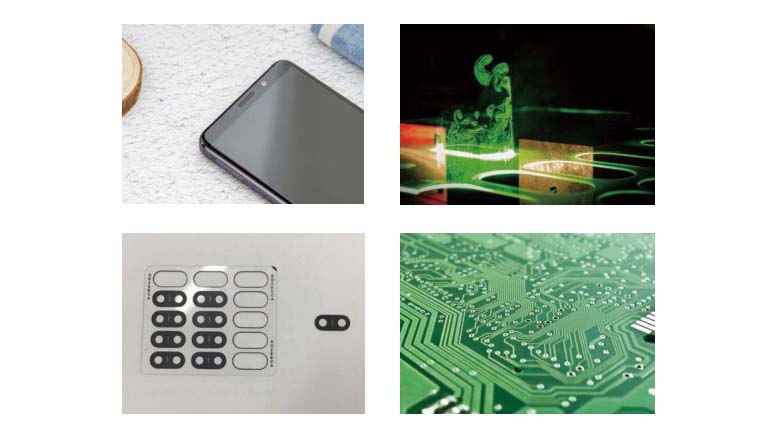
Consumer Electronics & Display Manufacturing TFT and OLED display cutting and scribing — The UV and green picosecond laser models handle glass panel scribing with clean vertical cuts, no micro-cracks, and edge strength suitable for ultra-narrow bezel designs. Mobile phone cover glass cutting using UV picosecond lasers achieves the dimensional tolerances required for full-screen displays.
Semiconductor and Advanced Packaging Wafer scribing, dicing, and drilling on silicon, SiC, GaN, and sapphire substrates. SiP module depaneling. FPC and flexible circuit board micro-hole drilling. PCB via formation. The green (532nm) and UV (355nm) picosecond lasers are preferred for these applications due to superior absorption in semiconductor materials and sub-10µm spot capability.
Photovoltaics Edge isolation scribing and busbar patterning on monocrystalline and polycrystalline silicon solar cells. The IR high-power picosecond laser enables the throughput required for Tier-1 solar cell production lines, with scribing speeds exceeding those achievable with nanosecond lasers while eliminating the micro-crack propagation common with ns-pulse ablation.
Medical Devices Medical stent cutting on nitinol and stainless steel tubing — the near-zero HAZ of picosecond pulses eliminates post-processing requirements such as electropolishing in many cases, reducing manufacturing cost per part. Precision micro-hole drilling in surgical instruments, implantable devices, and drug delivery components.
Automotive and Industrial Fuel injector nozzle drilling requiring micron-level bore diameter tolerance. Sensor marking and UID coding. Ceramic insulator drilling. Metal foil cutting for battery electrode manufacturing.
Supported materials include: glass (borosilicate, quartz, soda-lime, Gorilla Glass), sapphire, silicon carbide (SiC), gallium nitride (GaN), silicon wafers, polyimide and flexible polymers, copper foils, stainless steel, titanium, aluminum, ceramics (Al₂O₃, AlN, ZrO₂), thin-film coatings (ITO, TCO, PVD metallic layers), and carbon fiber composites.
OEM Integration and Control Interface
The EZCAD picosecond laser source is designed from the ground up for OEM integration into laser micromachining systems, direct-write lithography platforms, and automated production equipment.
Control interfaces: RS-232 / USB serial communication via host computer software; 0–5V analog power control for continuous external power modulation; TTL, PSO (Position-Synchronized Output), POD (Pulse on Demand), and Gate trigger modes for scanner and motion controller synchronization.
Software control: Bundled host PC software provides intuitive, user-friendly operation with real-time parameter adjustment, power monitoring, fault diagnostics, and laser status logging. The software supports direct communication with galvo scanner controllers and is compatible with third-party motion control systems through standard serial commands.
Cooling system: All high-power models (≥ 50W) require external water cooling. The laser includes water-in and water-out connections compatible with standard industrial recirculating chillers (18–22°C coolant temperature). Lower-power models (15W–30W) may operate with compact bench-top chillers, minimizing floor space requirements for laboratory or prototype integration environments.
Beam delivery: Direct free-space output with standard beam diameter of 2–3mm depending on model. Compatible with standard galvo scan heads, beam expanders, F-theta lenses, and fiber-coupled beam delivery accessories (consult EZCAD engineering for fiber delivery specifications — special PM fiber required to preserve sub-15ps pulse duration).
?
Why Choose EZCAD as Your Picosecond Laser Source Supplier?
EZCAD (Beijing JCZ Technology Co., Ltd.) is a laser system manufacturer with over 10 years of experience in precision laser control, laser source supply, and industrial laser system integration. Our picosecond laser source series represents the current generation of hybrid fiber-solid-state technology, designed to deliver:
Seed lifetime exceeding 20,000 hours — reducing mean-time-between-maintenance (MTBM) compared to purely solid-state architectures. Less than 1% power stability over 8 continuous hours (RMS), supporting consistent process quality across long production runs. Full model range from 5W UV to 500W IR, covering entry-level laboratory integration through high-throughput panel production. 7×24 industrial validation testing for each production lot. ISO-certified quality management with full parameter traceability. Free sample material testing — send your material to our application lab and receive processed samples demonstrating the IR, green, and UV picosecond laser capabilities on your specific substrate. OEM supply agreements with flexible minimum order quantities and engineering support for system integration.
Wavelength Selection Guide — IR vs Green vs UV Picosecond Laser
Selecting the correct wavelength is the most critical step when specifying a picosecond laser source for a new application. Wavelength determines how the laser energy is absorbed by the target material, which directly governs cut quality, edge smoothness, HAZ, and throughput.
IR Picosecond Laser (1064nm) — Best for Metals, Ceramics, and High-Throughput Scribing
The 1064nm infrared output is the highest-power option in the series, reaching 500W at 3MHz repetition rate. This makes IR picosecond lasers the first choice wherever throughput is the dominant requirement and material absorption at 1064nm is adequate. Typical high-power IR picosecond laser applications include glass and sapphire cutting and dicing, engineering ceramic drilling and milling, battery foil and thin metal film cutting, thick-film and thin-film ablation, micro-hole drilling with high aspect ratios, and large-area surface structuring.
At 1064nm, metals including stainless steel, copper (limited), titanium, and most alloys show sufficient absorption for precision micromachining. The 500W model enables continuous high-speed scribing on production lines previously requiring multiple lower-power units.
Choose IR models when you need maximum average power output, your process involves metals or metal-oxide ceramics, you require high single-pulse energy for micro-hole drilling, or your system design favors the cost efficiency of 1064nm optics and coatings.
Green Picosecond Laser (532nm) — Best for Copper, Semiconductor Films, and Reflective Materials
At 532nm, the picosecond laser operates in a wavelength regime where highly reflective or 1064nm-transmissive materials show significantly better absorption. The green wavelength is particularly effective for thin-film cutting and patterning on semiconductor wafers, FPC and flexible circuit processing, SiP module depaneling, high-contrast surface marking on ceramics and coated metals, precision micro-drilling in glass and composite material stacks, and copper ablation and patterning in advanced packaging.
Copper’s absorption coefficient at 532nm is approximately 10× higher than at 1064nm, making green picosecond lasers the standard choice for copper foil cutting and PCB via drilling applications where a 1064nm IR laser would reflect the majority of energy. The shorter wavelength also produces a smaller focused spot size (approximately 30% smaller than IR at the same NA), enabling finer feature sizes and improved edge quality for micro-electronics and optical component manufacturing.
The green series reaches 200W at 1MHz, covering both fine precision applications (6W–30W models) and high-throughput panel processing (90W–200W models).
UV Picosecond Laser (355nm) — Best for Transparent Materials, Polymers, and Ultra-Fine Features
The 355nm UV picosecond laser provides the shortest wavelength in the series, delivering the smallest focused spot size and the highest photon energy per pulse. At UV wavelengths, materials that are fully transparent at 1064nm — including borosilicate glass, quartz, polyimide, PMMA, and most optical polymers — absorb laser energy through single-photon absorption, enabling clean, precise ablation without the two-photon dynamics of near-IR processing.
UV picosecond laser applications span micro-marking and UID coding on glass and ceramic surfaces, PVD and ink layer removal from optically sensitive substrates, wafer scribing and dicing of silicon, SiC, and GaN, surface microstructuring for biomedical and optical device manufacturing, ultra-fine engraving on transparent plastics, and OLED panel scribing where minimal substrate damage is mandatory.
The sub-7ps pulse duration at 355nm, combined with M² ≤ 1.2 beam quality, produces focused spot sizes well below 10 µm at standard F-theta focusing distances — enabling feature resolution that approaches the fundamental diffraction limit for UV optics.
Choose UV models when transparency at 1064nm is a barrier, when you need sub-10 µm feature sizes, when your material is a temperature-sensitive polymer or thin optical film, or when zero micro-cracking and minimal HAZ are absolute requirements (such as SiC wafer dicing or medical device fabrication).
Request a Sample Test or Technical Consultation
Investing in a picosecond laser system is a critical decision. We invite you to verify the results on your specific material.
- Free Sample Testing: Send us your material, and our lab will process it with our IR, Green, or UV laser source to show you the quality.
- OEM Integration: Discuss your machine building requirements with our engineers.
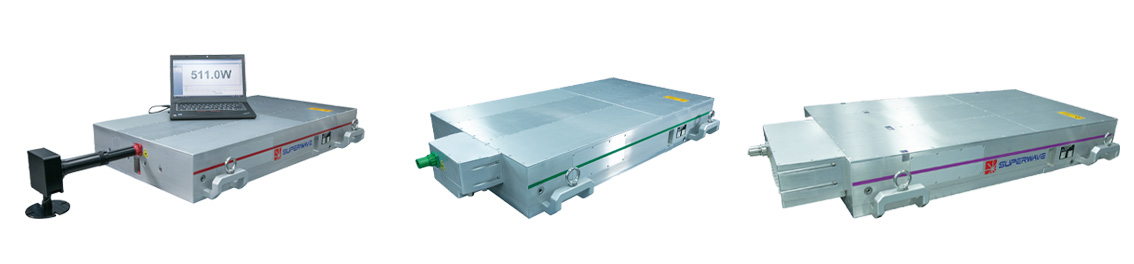
Product Pictures
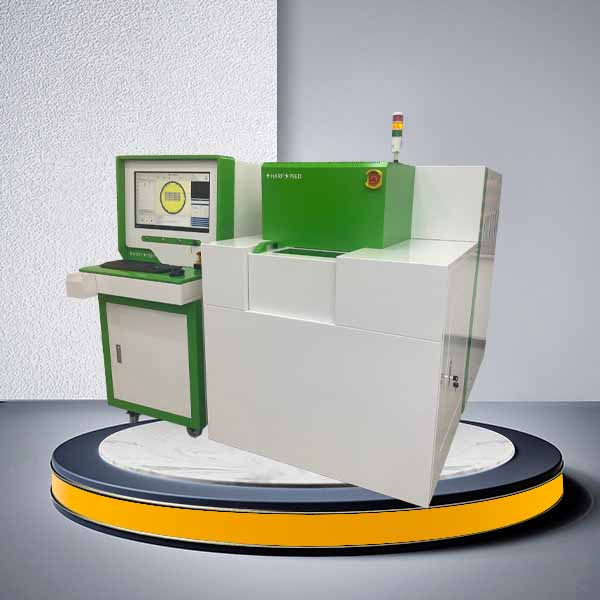
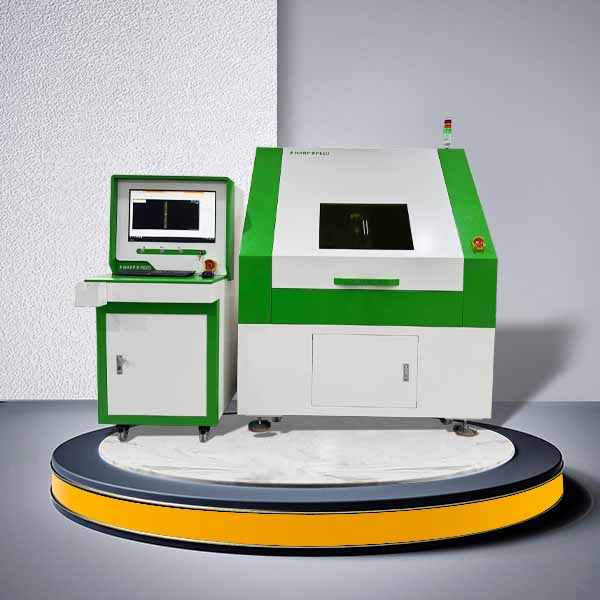
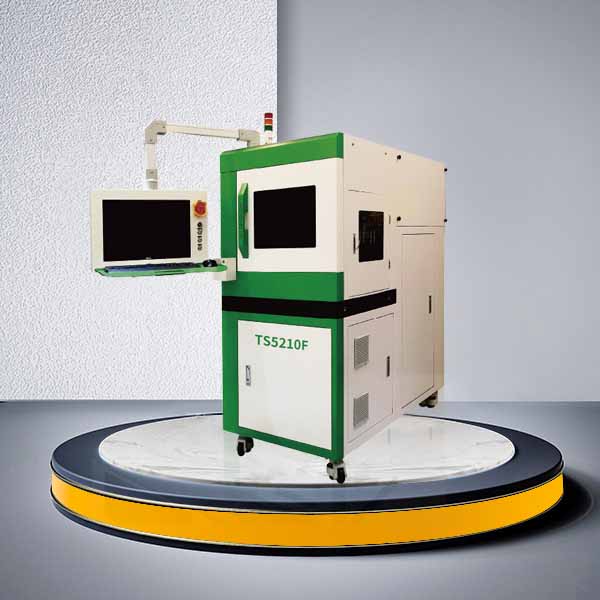
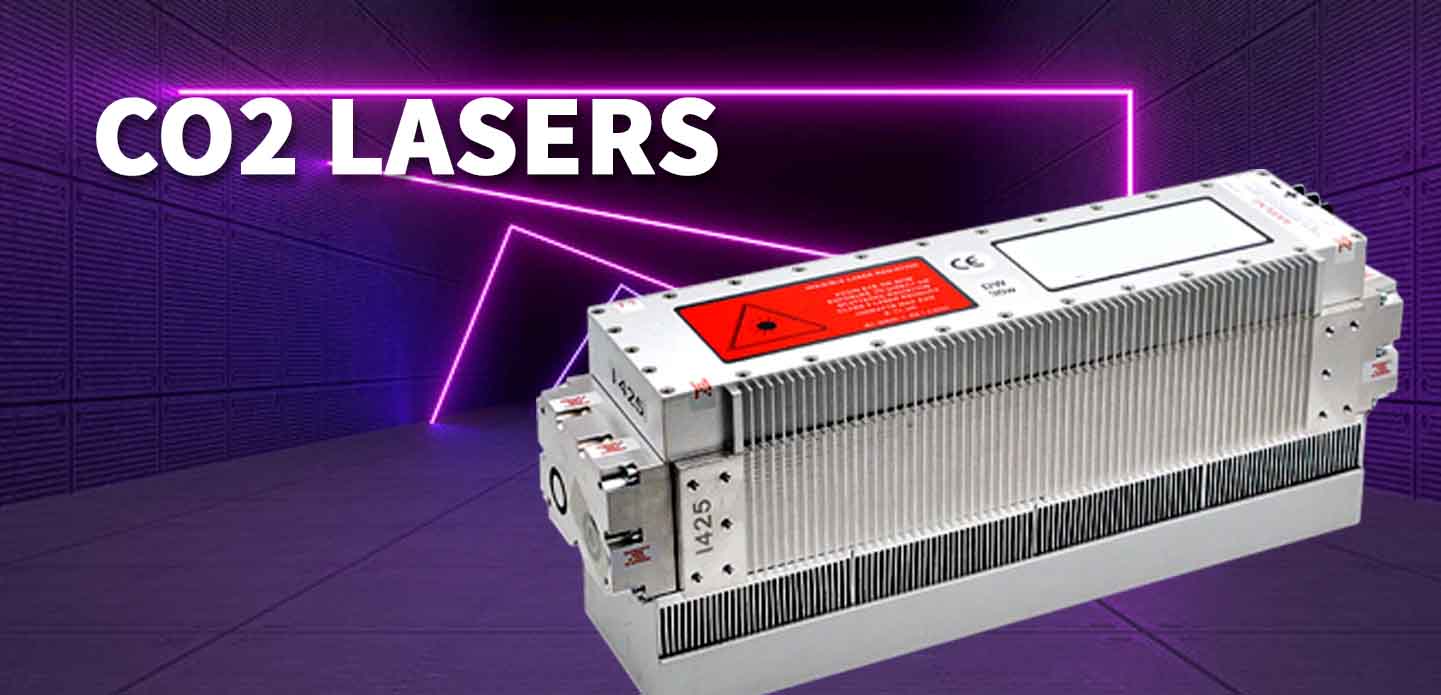
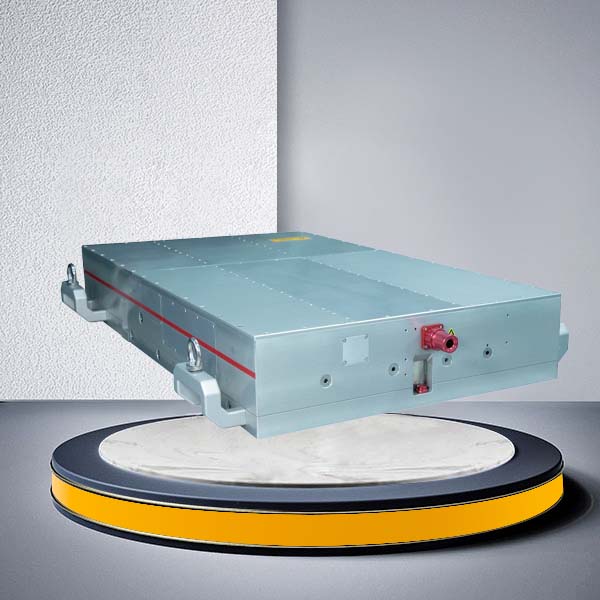
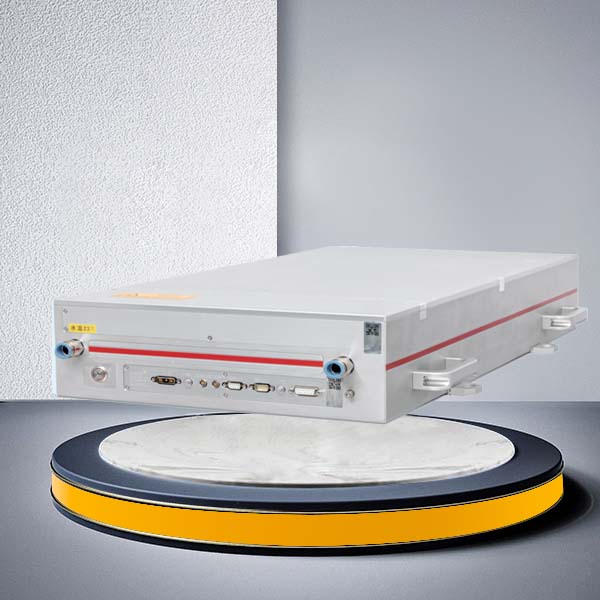
IR picosecond lasers Green picosecond lasers UV picosecond lasers
Product Applications