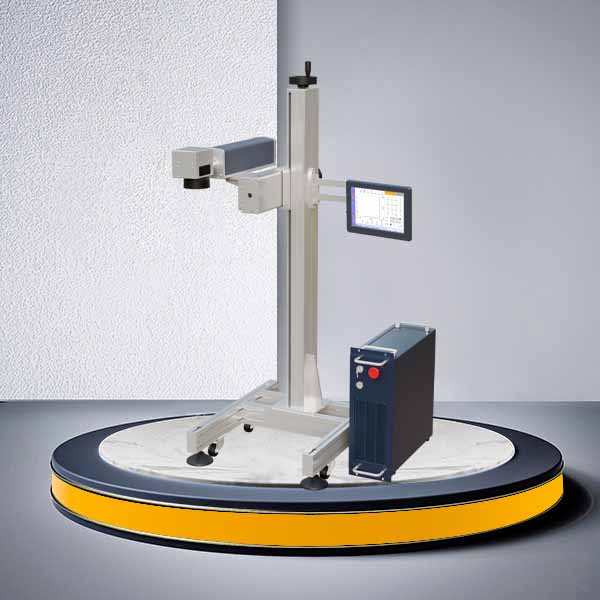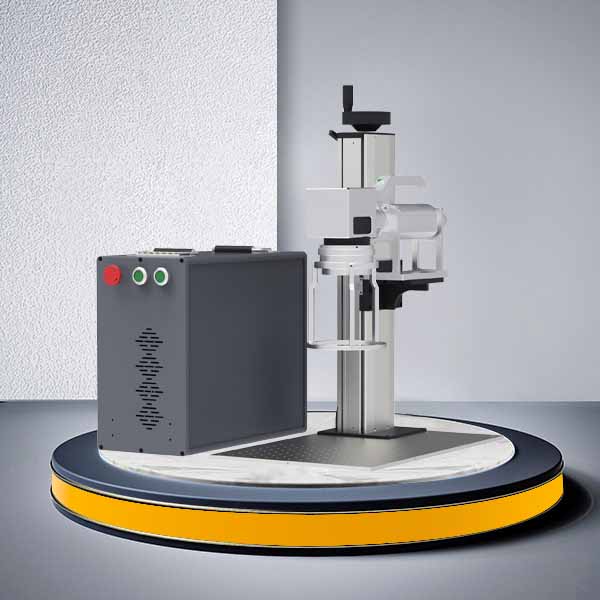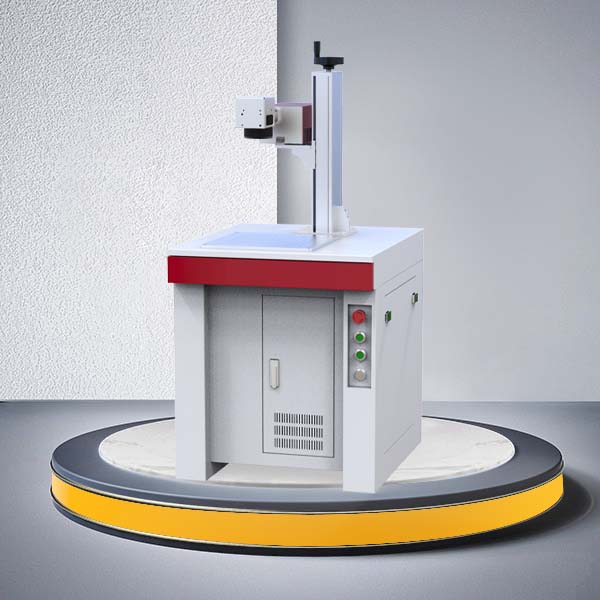
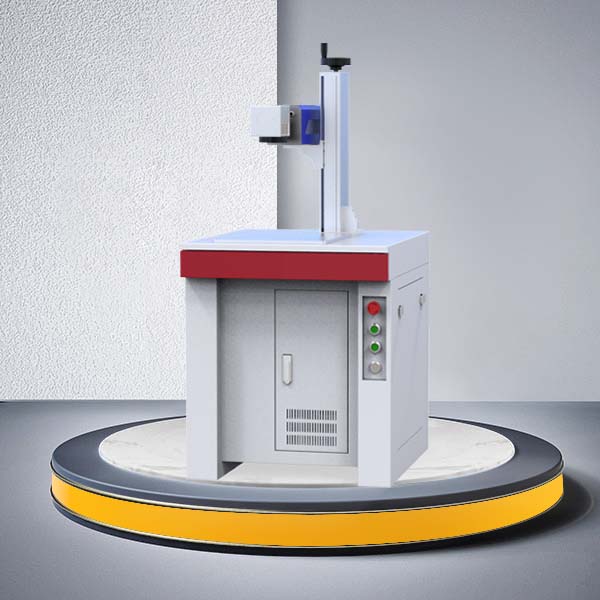
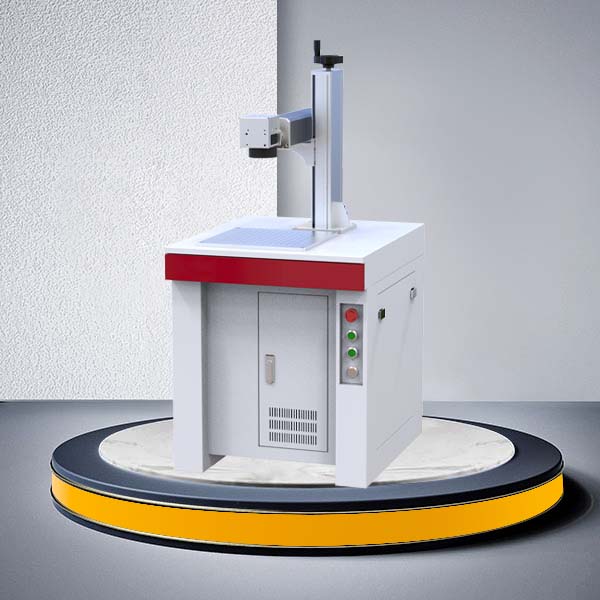
Desktop Fiber Laser Marking Machine
| Q-Switched Fiber Laser Marker-(20-50W) TF-QS SERIES | |||
| Model | TF-QS20 | TF-QS30 | TF-QB50 |
| Laser Generator | |||
| Laser Power(W) | 20W | 30W | 50W |
| Frequency(kHz) | 30-60kHz | 30-60kHz | 50-100kHz |
| Pulsed Width(ns) | 130ns | 130ns | 130ns |
| Control System | |||
| Software | EZCAD2.14.11-LITE | ||
| Controller | FBLI-B-LV4 | ||
| Scanning System | |||
| Max. Marking Speed(mm/s) | 6000mm/s(12000mm/s Optional) | ||
| Max. Marking Size (mm) | 160*160mm(70*70, 100*100,200*200,300*300mm Optional) | ||
| Others | |||
| Power Supply | 110V/220V Optional | ||
| Cable Length | 3M(4/5M Optional) | ||
| Adjustable Z Lift Travel | 500mm(700mm Optional) | ||
| Cooling Method | Air Cooling | ||
| MOPA Fiber Laser Marker-(20-50W)TF-ELP SERIES | |||
| Model | TF-ELP20 | TF-ELP30 | TF-ELP50 |
| Laser Generator | |||
| Laser Power(W) | 20W | 30W | 50W |
| Frequency(kHz) | 1-600kHz | 1-600kHz | 1-600kHz |
| Pulsed Width(ns) | 200ns | 200ns | 200ns |
| Control System | |||
| Software | EZCAD2.14.11-LITE | ||
| Controller | FBLI-B-LV4 | ||
| Scanning System | |||
| Max. Marking Speed(mm/s) | 6000mm/s (12000mm/s Optional) | ||
| Max. Marking Size (mm) | 160*160mm (70*70, 100*100,200*200,300*300mm Optional) | ||
| Others | |||
| Power Supply | 110V/220V Optional | ||
| Cable Length | 2M (3/4/5M Optional) | ||
| Adjustable Z Lift Travel | 500mm(700mm Optional) | ||
| Cooling Method | Air Cooling | ||
| MOPA Fiber Laser Marker-(20-100W)-TF-EM7 SERIES | |||||
| Model | TF-EM720 | TF-EM730 | TF-EM760 | TF-EM780 | TF-EM7100 |
| Laser Generator | |||||
| Laser Power(W) | 20W | 30W | 60W | 80W | 100W |
| Frequency(kHz) | 1-4000kHz | 1-4000kHz | 1-4000kHz | 1-4000kHz | 1-4000kHz |
| Pulsed Width(ns) | 2-350ns | 2-350ns | 2-500ns | 2-500ns | 2-500ns |
| Control System | |||||
| Software | EZCAD2.14.11-LITE | ||||
| Controller | FBLI-B-V4 | ||||
| Scanning System | |||||
| Max. Marking Speed(mm/s) | 6000mm/s (12000mm/s Optional) | ||||
| Max. Marking Size (mm) | 160*160mm(70*70, 100*100,200*200,300*300mm Optional) | ||||
| Others | |||||
| Power Supply | 110V/220V Optional | ||||
| Cable Length | 2M(3/4/5M Optional) | 3M(4/5M Optional) | |||
| Adjustable Z Lift Travel | 500mm(700mm Optional) | ||||
| Cooling Method | Air Cooling | ||||
Table UV Laser Marking Machine
| UV Laser Marker-(3-10W) | |||
| Model | TU-L3A | TU-L5A | TU-S10 |
| Laser Source | |||
| Laser Power(W) | 3W | 5W | 10W |
| Frequency(kHz) | 20-200kHz | 20-150kHz | 40-300kHz |
| Pulsed Width(ns) | 18ns | 18ns | 15ns |
| Control System | |||
| Software | EZCAD2 | ||
| Controller | SZLI-B-V4 | ||
| Scanning System | |||
| Max. Marking Speed(mm/s) | 6000mm/s (12000mm/s Optional) | ||
| Max. Marking Size (mm) | 160*160mm (70*70, 100*100,200*200,300*300mm Optional) | ||
| Others | |||
| Power Supply | 110V/220V Optional | ||
| Adjustable Z Lift Travel | 500mm(700mm Optional) | ||
| Cooling Method | Air Cooling | Water Cooling | |
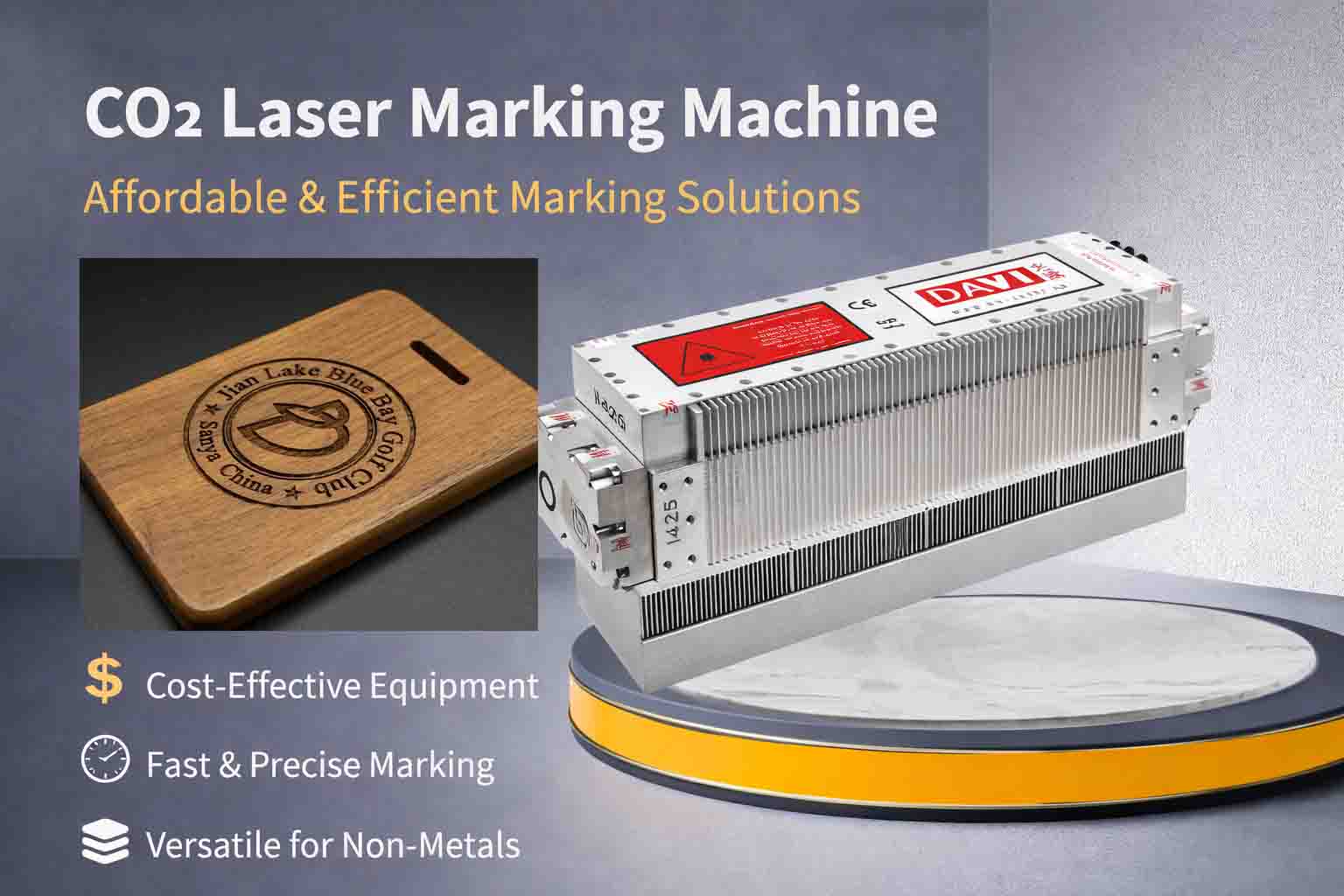
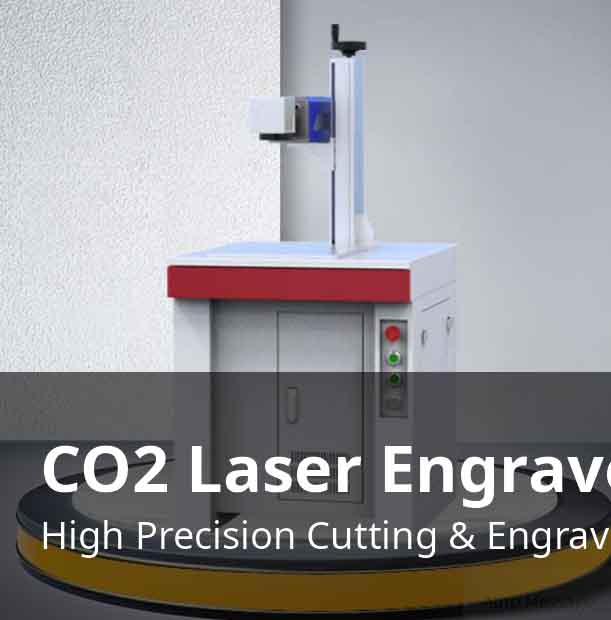
Desktop CO2 Laser Marker
| CO2 Laser Marker-(20-50W) | |||
| Model | TC-D30 | TC-D50 | |
| Laser Generator | |||
| Laser Power(W) | 30W | 50W | |
| Frequency(kHz) | 0-25kHz | 0-25kHz | |
| Control System | |||
| Software | EZCAD2 | ||
| Controller | SZLI-B-V4 | ||
| Scanning System | |||
| Max. Marking Speed(mm/s) | 6000mm/s (12000mm/s optional) | ||
| Max. Marking Size (mm) | 160*160mm (70*70, 100*100,200*200,300*300mm optional) | ||
| Others | |||
| Power Supply | 110V/220V Optional | ||
| Adjustable Z Lift Travel | 500mm(700mm Optional) | ||
| Cooling Method | Air Cooling | ||
Tabletop Laser Marking and Engraving Machine for Precision Marking
Why Choose JCZ Tabletop Laser Engraving Machine?
JCZ Tabletop Laser Marking and Engraving Machine is the perfect solution for businesses looking to mark or engrave small parts with high precision. Whether you’re engraving jewelry, electronics, or custom designs, this compact machine delivers exceptional results, offering unmatched accuracy and speed for various materials like metal, plastic, and more.
Published configurations include Q-switched fiber, MOPA fiber, UV and CO₂ laser systems. The appropriate machine should be selected according to material, required mark, laser wavelength, power, marking field and actual on-site operating conditions rather than portability or wattage alone.
Typical industrial marking requirements include serial numbers, part numbers, QR/Data Matrix codes, logos, batch information, equipment IDs and maintenance identification.
Key Features of the Tabletop Laser Engraving Machines
- High Precision Laser Marking: Achieve fine and accurate markings on small parts and intricate designs.
- Compact and Space-Saving Design: Ideal for businesses with limited workspace while maintaining powerful performance.
- Versatile Material Support: Suitable for engraving and marking on metals, plastics, ceramics, and more.
- Low Maintenance and Durable: Designed for longevity, this machine offers minimal maintenance and high reliability.
- Easy Operation: User-friendly interface for quick setup and operation, even for beginners.
When a Portable Laser Marker Is the Better Choice
A portable system is most useful when moving the component creates more difficulty than moving the marking equipment.
Typical examples include:
- machinery frames and housings;
- molds and tooling;
- castings and fabricated structures;
- vehicle assemblies;
- pipes and large metal components;
- industrial cabinets;
- installed equipment;
- maintenance and replacement parts.
For small parts repeatedly loaded at one workstation, a tabletop or enclosed laser marking machine may provide a more suitable production workflow.
Choose Fiber, MOPA, UV or CO₂ First
Do not start by asking whether you need 20W, 30W or 50W. Select the laser technology from the material and required marking result first.
| Laser Configuration | Published JCZ Power | Recommended Starting Point |
|---|---|---|
| Q-Switched Fiber PF-QS | 20 / 30 / 50W | Standard industrial metal identification and engraving |
| MOPA Fiber PF-ELP | 20 / 30 / 50W | Metal and selected plastic processes requiring wider parameter adjustment |
| MOPA Fiber PF-EM7 | 20 / 30 / 60 / 80 / 100W | Applications requiring broad pulse-width and frequency control |
| UV PU Series | 3 / 5 / 10W | Fine marking and materials where reduced thermal effect is important |
| CO₂ PC-D | 30 / 50W | Suitable organic and non-metal materials |
Material grade, coating, color and required contrast can change the result. Sample validation is recommended for plastics, coated materials, composites and special surface finishes.
Select Power, Marking Field and Cable Length
Laser Power
Higher power is not automatically the better configuration.
For surface identification, the priority may be contrast, code quality and cycle time rather than material removal. Higher-power fiber or MOPA configurations become more relevant when the application requires faster processing, deeper engraving or a different process window.
MOPA selection should also consider pulse width and frequency rather than power alone.
Marking Field
A portable system can mark a workpiece much larger than its optical marking field because the scanner is positioned at the required location on the component.
However, one continuous mark is still limited by the selected optical field.
The published JCZ options range from 70 × 70 mm to 300 × 300 mm. A larger field is useful for larger graphics or multiple features, while a smaller field may be preferred when the application prioritizes finer optical resolution or higher energy density.
Cable Reach
For large machinery, structures or installed equipment, cable length becomes a practical procurement parameter.
Confirm:
- distance from controller to marking position;
- access around the workpiece;
- whether the head must reach multiple sides;
- available power location;
- cable routing in the working area.
Do not select cable length only from the machine footprint.
Match the Machine to the Workpiece and Marking Result
| Application | Recommended Starting Point | Also Confirm |
|---|---|---|
| Serial / QR / Data Matrix on steel | Fiber | Mark size, contrast and cycle time |
| Tool and mold identification | Fiber / MOPA | Surface finish and engraving depth |
| Deep metal engraving | Higher-power Fiber/MOPA | Depth and processing time |
| Selected plastic parts | Fiber, MOPA or UV | Polymer grade and thermal sensitivity |
| Heat-sensitive plastic/electronics | UV | Required feature size and contrast |
| Coated components | Application-dependent | Coating and underlying substrate |
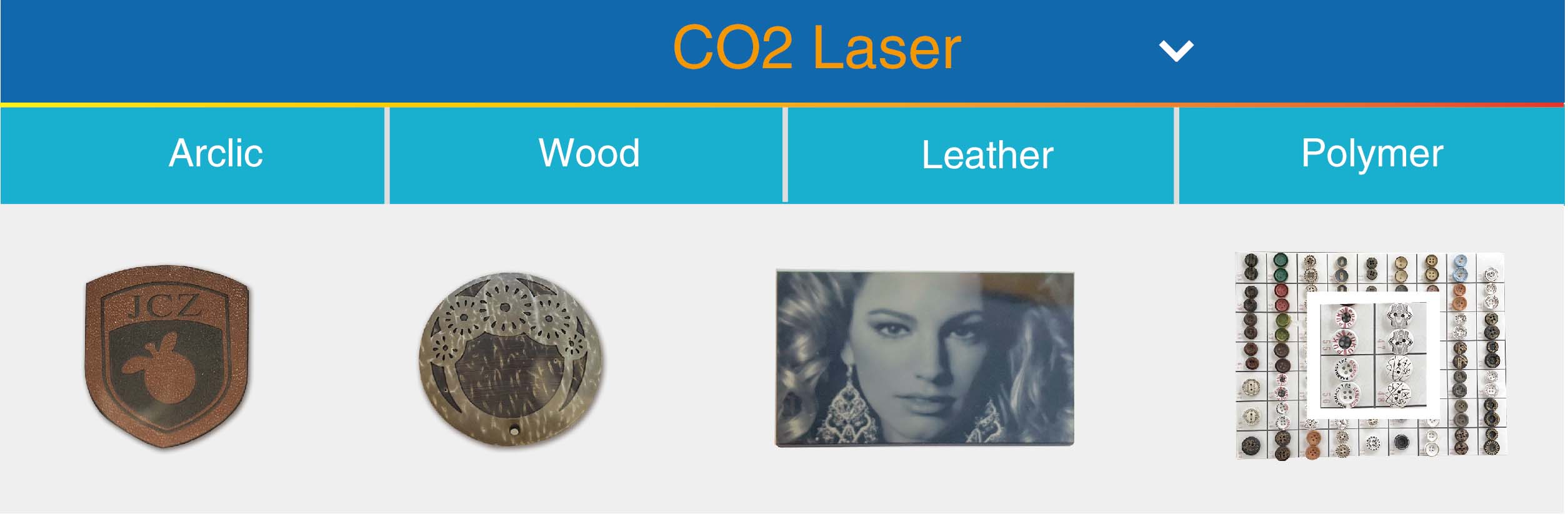
| Wood, leather and suitable non-metals | CO₂ | Material absorption and engraving result |
| Large fabricated structures | Fiber/MOPA for suitable metals | Head positioning, cable reach and safety |
| Pipes or curved components | Application-dependent | Focal-distance control and head support |
For curved or difficult-to-access surfaces, the laser type alone does not solve the positioning problem. Confirm how the marking head will be supported and how the correct focal distance will be maintained during processing.
Portable vs Tabletop vs Handheld Laser Marking Machine
| Requirement | Better Starting Point |
|---|---|
| Large, heavy or installed workpiece | Portable Laser Marking Machine |
| Small parts repeatedly loaded at one workstation | Tabletop Laser Marking Machine |
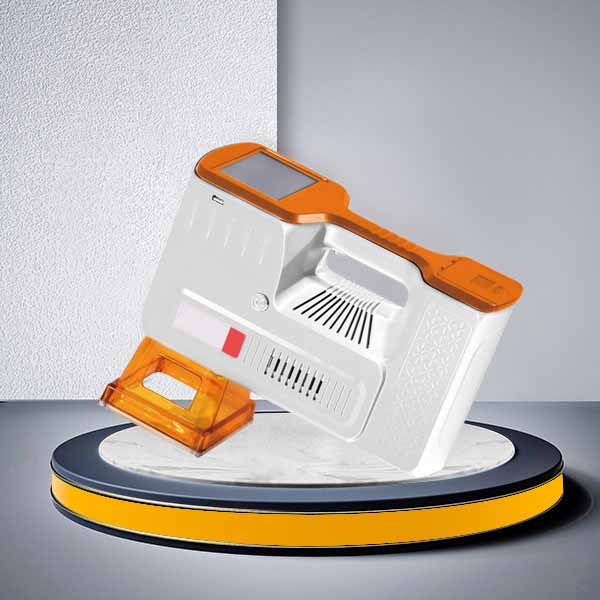
| Maximum head-level mobility with a compact fiber system | Handheld Fiber Laser Marking Machine |
| Small parts requiring a contained marking cell | Enclosed Laser Marking Machine |
The terms “portable” and “handheld” are often used interchangeably in the market, but the actual equipment architecture can differ. Confirm the marking-head weight, controller location, cable arrangement, power requirements and positioning method before comparing systems.
On-Site Positioning, Safety and Working Conditions
Portable operation introduces several requirements that are less important in a fixed workstation.
Before final equipment selection, confirm:
- how focal distance is maintained;
- how the marking head is positioned on flat or curved parts;
- whether a support, fixture or positioning device is required;
- operator access around the component;
- available mains power;
- cable routing;
- laser-safety measures;
- smoke and fume extraction requirements.
Laser-safety requirements depend on the final machine configuration and installation. Confirm the safety classification and required protective measures for the supplied system before operation.
Built Around the EZCAD Control Platform
The current JCZ portable configurations use EZCAD2-family software and JCZ laser marking controller hardware.
Published fiber and MOPA models use FBLI-B-LV4, while the UV and CO₂ configurations use SZLI-B-V4.
The control platform supports industrial marking content such as text, graphics, serial numbers, QR/Data Matrix codes and variable production information, making the portable machine suitable for changing identification tasks across different work areas.
Applications of Tabletop Laser Marking Machines
Our precision laser engraving machine is ideal for a wide range of industries and applications:
- Laser Marking for Jewelry: Perfect for engraving logos, serial numbers, and custom designs on jewelry.
- Laser Engraving for Electronics: Mark components like circuit boards, phone parts, and more with precise laser engravings.
- Customization for Small Parts: Marking and engraving small parts for automotive, industrial, and consumer products.
- Personalized Gifts: Engraving on gifts and promotional items for customization and branding.
How the Tabletop Laser Engraving Machine Works
This compact laser engraving machine uses advanced laser technology to engrave precise patterns and text on various materials. Its adjustable focus allows for clear, fine markings even on the most delicate parts, while its high-speed capabilities make it ideal for high-demand production environments. Whether you need small-scale customization or larger batch production, this machine delivers fast and efficient results.
FAQ
When should I choose a portable laser marking machine?
Choose a portable system when the workpiece is difficult to move to a fixed laser workstation, such as large machinery, structures, molds, castings or installed equipment.
Is a portable laser marking machine the same as a handheld laser marker?
Not always. A portable system may include a movable controller, stand or separate marking head, while a handheld system usually emphasizes a compact head that the operator directly positions. Compare the actual machine architecture rather than the product name alone.
Which laser is best for portable metal marking?
Q-switched fiber is a practical starting point for standard industrial metal identification. MOPA should be evaluated when wider pulse/frequency control is useful. Required depth, contrast, material and production speed should determine the final configuration.
Is 50W always better than 20W or 30W?
No. Higher power can support higher throughput or greater material removal in suitable processes, but surface identification may not require it. Select power after defining the required mark.
Can I mark a two-meter workpiece with a 160 × 160 mm marking field?
Yes, if the portable system can be positioned at the required location. The workpiece can be much larger than the optical field, although an individual continuous marking area remains limited by the selected field.
Should I choose the largest 300 × 300 mm marking field?
Not automatically. Larger fields affect the optical configuration and may not be the best choice when small features, process energy density or fine detail are priorities.
Can the machine mark curved pipes?
The laser process may be suitable, but the head must maintain the correct focal distance and stable positioning. Provide the pipe diameter, surface geometry and marking position so the mechanical setup can be evaluated.
Is the portable system battery powered?
Do not assume this for every JCZ portable configuration. The current PF/PU/PC specifications list 110V/220V input. JCZ also offers separate compact handheld models with battery options, so confirm the required architecture before ordering.
What information should I send for a quotation?
Send the material, part size, marking position, required result, field, workload, site power, cable-reach requirement and quantity. Include drawings or photographs when access to the marking position is important.
Get Your Free Quote Today
Ready to enhance your production with our Tabletop Laser Marking and Engraving Machine? Contact us now to receive a free, no-obligation quote and find out how our solution can streamline your production and customization processes.

Product Image
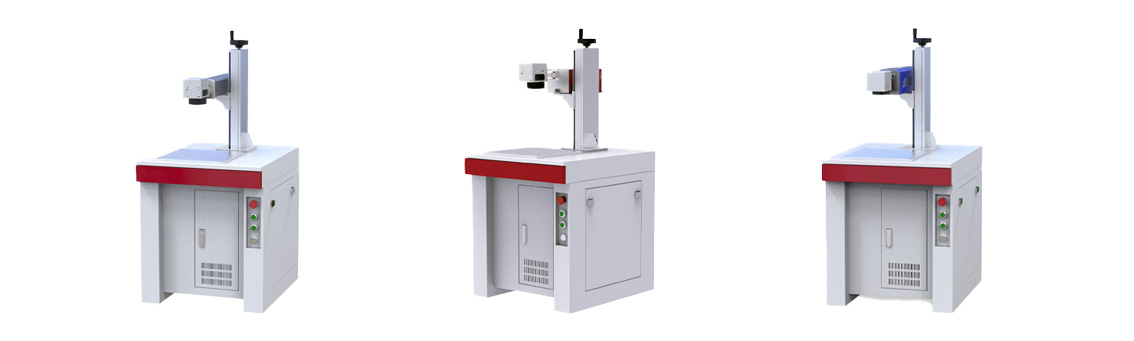
Fiber Laser Marking Machines UV Laser Marking Machines CO2 Laser Marking Machines
Product Introduction
The Table Laser Marking Machine is a high-precision engraving tool designed to meet the demanding needs of various industries, including electronics, automotive, and packaging. Featuring state-of-the-art laser technology, this machine offers exceptional accuracy and efficiency, ideal for creating intricate designs, barcodes, serial numbers, logos, and more.
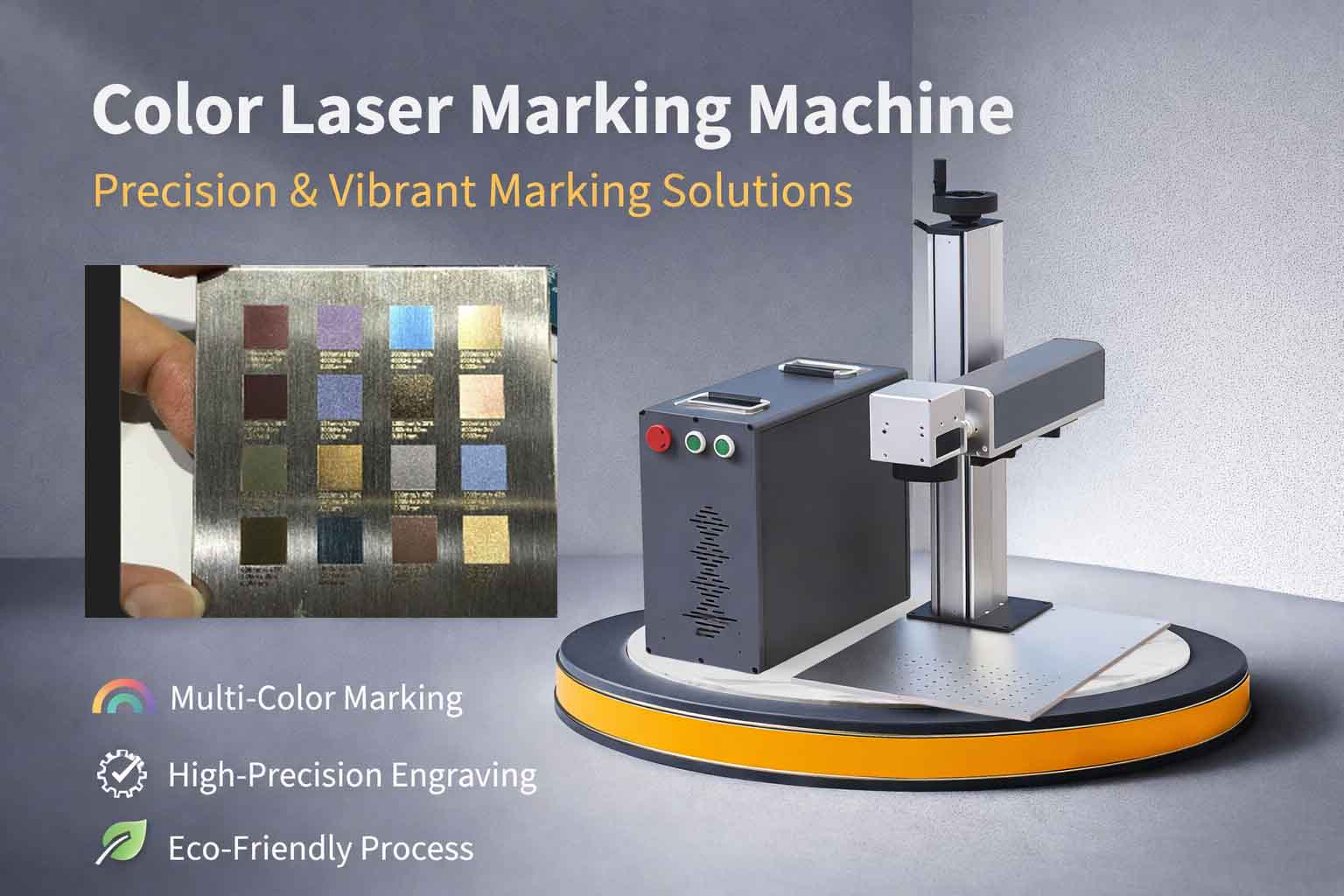
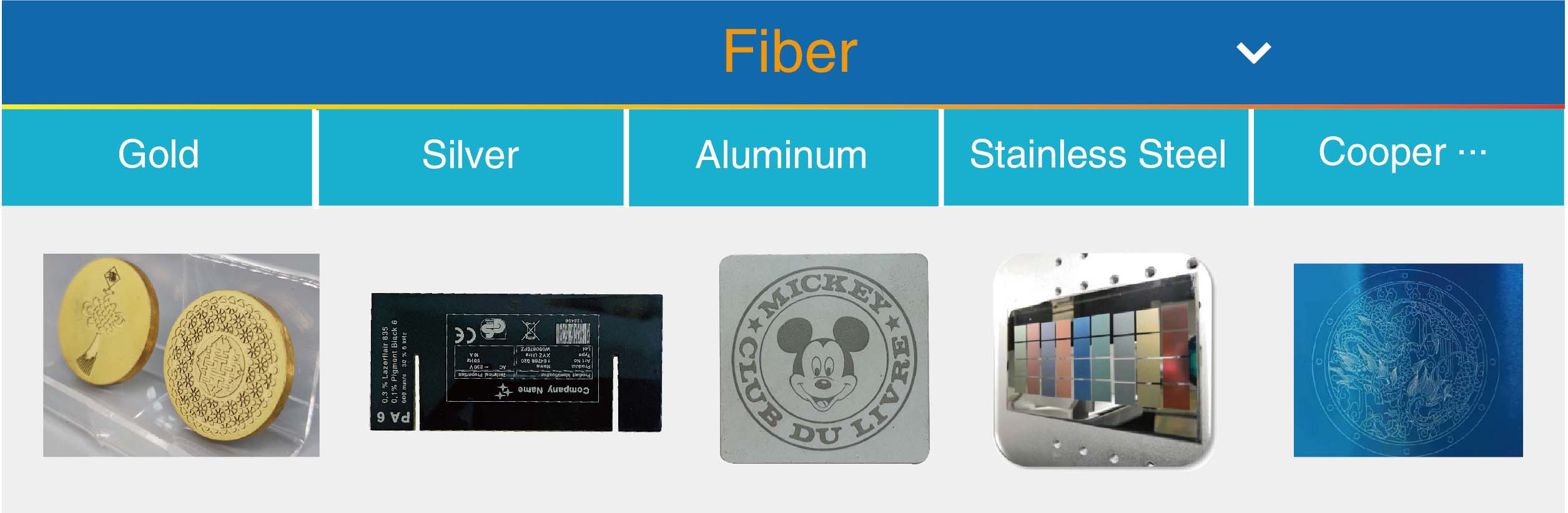
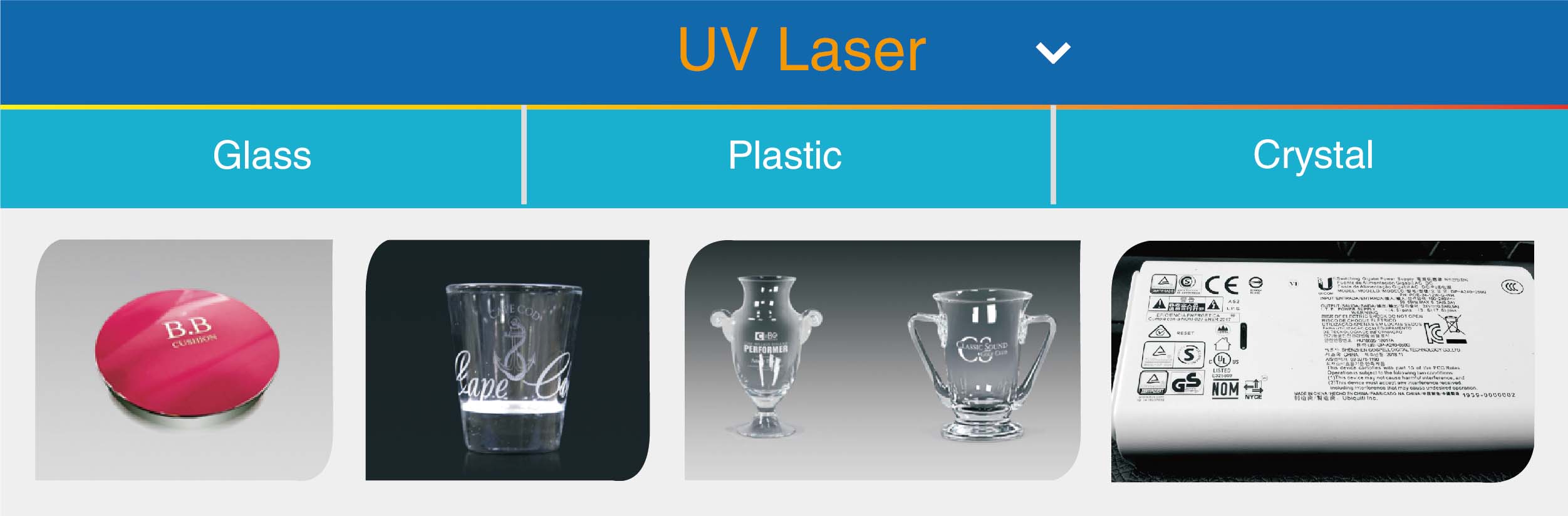
With its sturdy table design, the machine ensures stability during operation, enhancing the quality of markings across different materials such as metals, plastics, ceramics, and more. The Table Laser Marking Machine utilizes multiple laser types, including fiber, CO2, and UV lasers, each optimized for specific applications. The fiber laser is perfect for engraving metals, providing high-speed and durable results. The CO2 laser is ideal for non-metals like wood, acrylic, and leather, while the UV laser delivers fine, high-resolution engravings on sensitive materials like plastics and glass.
The user-friendly interface and advanced software compatibility make it easy to operate, allowing for fast setup and a streamlined marking process. With its efficient cooling system and robust build, the Table Laser Marking Machine ensures reliability and longevity, making it a cost-effective solution for businesses looking to enhance their engraving capabilities.
Product Applications
Fiber Laser
UV Laser
CO2 Laser