Introduction
In today’s competitive global market, manufacturers are looking for cost-effective and reliable marking solutions. A laser marking co2 system has become one of the most popular choices due to its versatility and affordability. Whether you are searching for a cheap co2 laser or evaluating the coolpeel laser cost, understanding the advantages of CO2 technology can help you make the right investment.
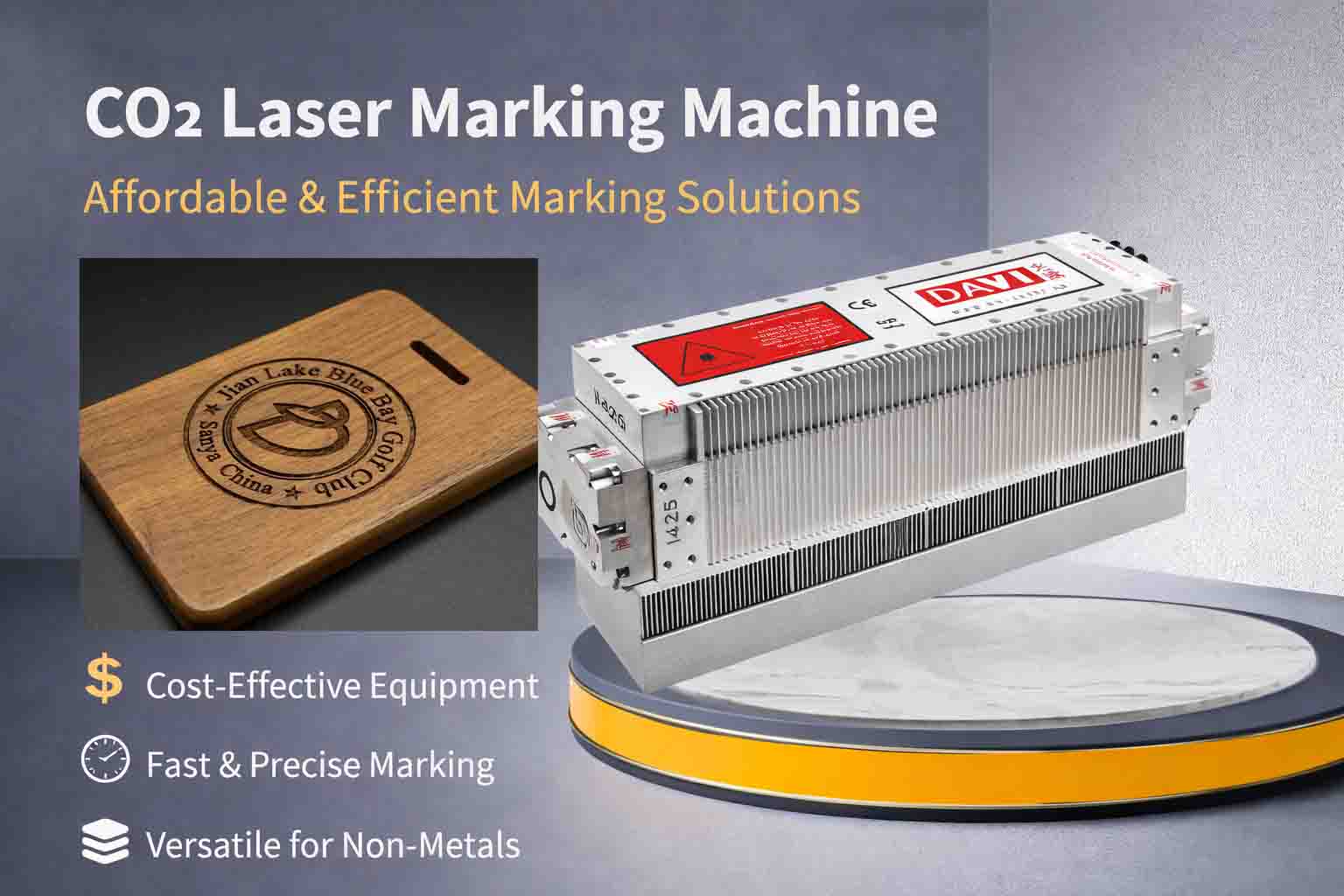
CO2 laser marking machines are widely used for non-metal materials, offering high-speed, non-contact processing with excellent precision. For businesses aiming to expand production while controlling costs, this technology is an ideal solution.
What Is a Laser Marking CO2 System?
A laser marking co2 machine uses a carbon dioxide laser source to engrave or mark materials by removing or modifying the surface layer. It is especially suitable for:
- Wood
- Leather
- Acrylic
- Glass
- Plastics
- Paper and packaging materials
Compared with fiber lasers, a cheap co2 laser is more economical for non-metal applications, making it a preferred option for startups and small to medium-sized enterprises.
Understanding Coolpeel Laser Cost
When researching coolpeel laser cost, buyers are usually concerned about initial investment and long-term value. CO2 laser systems are known for their cost efficiency:
- Lower upfront price compared to fiber laser systems
- Minimal maintenance requirements
- Long service life of laser tubes (depending on type: glass or RF metal tube)
- Low operating costs with no consumables
Choosing a cheap co2 laser does not mean sacrificing quality. Many modern systems offer stable performance, making them suitable for both industrial and commercial use.
Key Advantages of Cheap CO2 Laser Machines
1. Cost-Effective Investment
A cheap co2 laser provides an affordable entry point for businesses looking to adopt laser technology without large capital expenditure.
2. High-Speed Processing
The laser marking co2 system delivers fast marking speeds, improving production efficiency and reducing labor costs.
3. Wide Material Compatibility
From organic materials to plastics, CO2 lasers offer unmatched flexibility compared to other laser types.
4. Clean and Eco-Friendly
No inks or chemicals are required, making the process environmentally friendly and compliant with global standards.
Applications of CO2 Laser Marking
The laser marking co2 system is widely used across multiple industries:
- Packaging Industry: Barcodes, QR codes, expiration dates
- Crafts & Gifts: Custom engraving on wood and leather
- Advertising: Acrylic signs and displays
- Textile Industry: Fabric marking and cutting
- Electronics: Plastic component marking
With a cheap co2 laser, businesses can easily expand into customized production and increase product value.
Why Choose CO2 Laser Over Other Technologies?
When comparing different marking technologies, laser marking co2 stands out for:
- Lower coolpeel laser cost compared to high-end laser systems
- Better performance on non-metal materials
- Easy operation and integration into production lines
- Consistent and high-quality marking results
For companies focused on cost control and flexibility, a cheap co2 laser is often the most practical solution.
How to Choose the Right CO2 Laser Machine
To select the best laser marking co2 system, consider the following factors:
- Laser power (30W–150W depending on application)
- Working area size
- Cooling method (air cooling or water cooling)
- Software compatibility
- Supplier support and after-sales service
Evaluating these factors alongside the coolpeel laser cost ensures you get maximum return on investment.
Conclusion
A laser marking co2 machine offers an excellent balance between performance and affordability. Whether you are a startup looking for a cheap co2 laser or an established manufacturer optimizing production costs, CO2 laser technology provides a reliable and scalable solution.
By understanding the real coolpeel laser cost and selecting the right configuration, businesses can improve efficiency, expand capabilities, and attract more international customers.
OFFICIAL DRIVER UPDATE NOTICE

2026 Mid-Autumn Festival and National Day Holiday Notice

Top Factors That Affect Marking Quality in Handheld Fiber Laser Systems
Meet JCZ at Laser World of Photonics India 2026 in Bengaluru
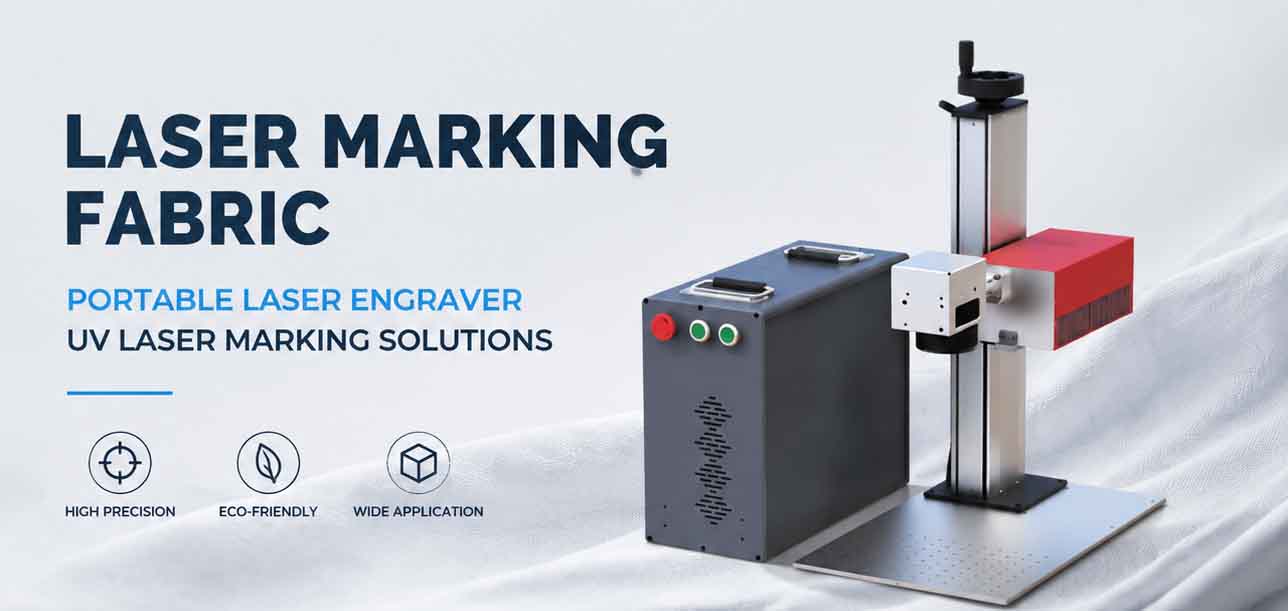
Laser Marking Fabric with Portable Laser Engraver: Advanced UV Laser Marking Solutions for Modern Manufacturing
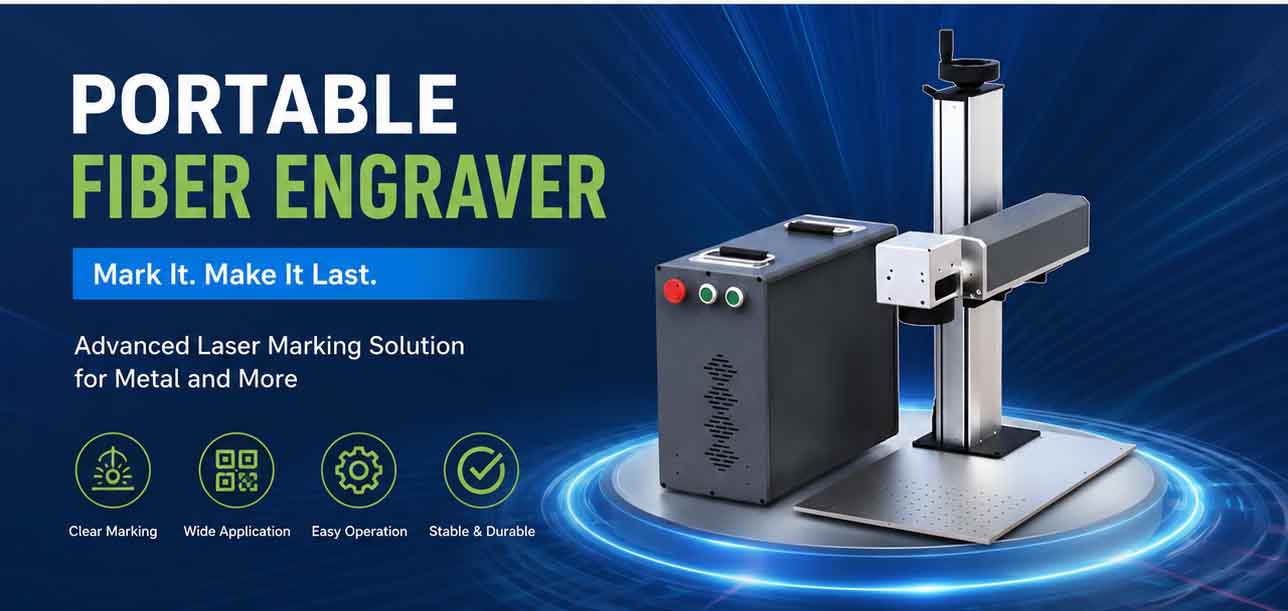
Laser Machine for Marking: The Ultimate Guide to Portable Fiber Engravers & MOPA Color Laser Marking