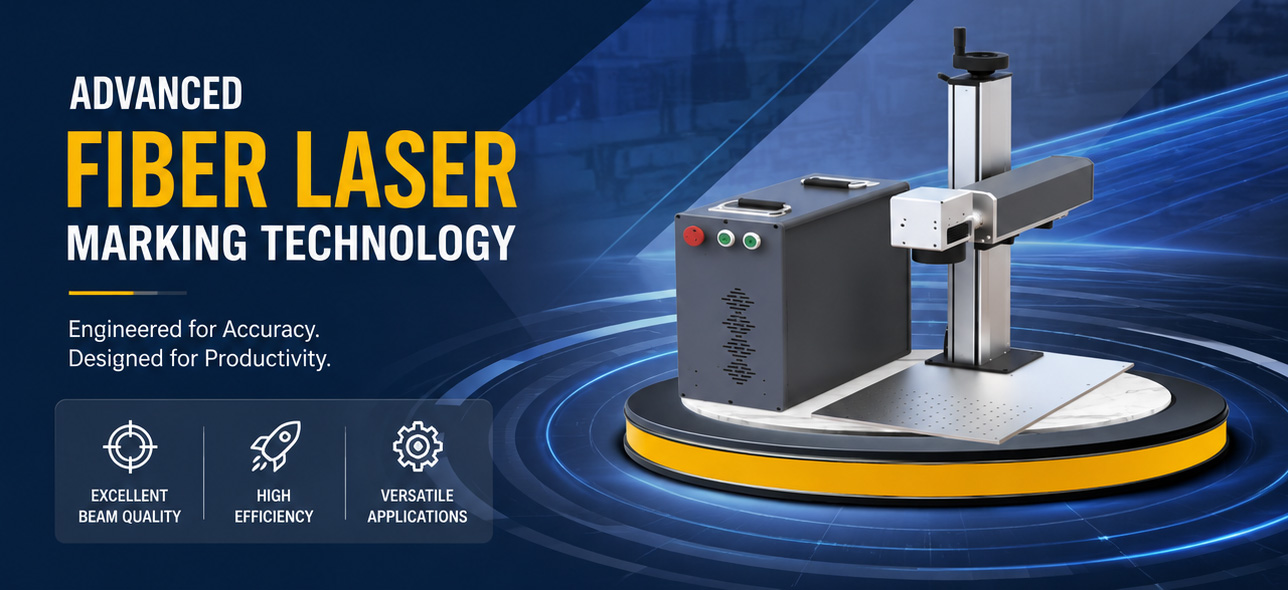
Introduction to Laser Marking
In modern manufacturing, product identification has moved far beyond simple labels. Laser marking is a non-contact, high-precision process that uses a focused beam of light to create permanent marks on a material’s surface. Unlike inkjet printing or physical labels that can fade, peel, or wear off, laser marking physically alters the substrate. This delivers a mark that is resistant to abrasion, heat, chemicals, and time—making it the gold standard for traceability, branding, and compliance across countless industries.
It is fundamentally a contactless, consumable-free, and permanent solution designed for the demands of harsh industrial environments. Whether it’s a microscopic QR code on a semiconductor or a deep VIN code on an automotive chassis, laser marking provides unmatched consistency.
Understanding Laser Markers
Laser markers are advanced tools that use high-intensity laser beams to create marks or engravings on various substrates, including metals, plastics, wood, and ceramics. They are widely used in industrial applications for labeling, serialization, and decorative purposes.
Types of Laser Markers
- Fiber Laser Markers: Known for their efficiency in marking metals, fiber lasers are widely used in industries like automotive and aerospace.
- CO2 Laser Markers: These are more suited for non-metal materials such as plastics and wood. CO2 lasers are versatile and offer high-quality marking.
- UV Laser Markers: UV lasers provide precise marking with minimal thermal impact, making them ideal for delicate materials.
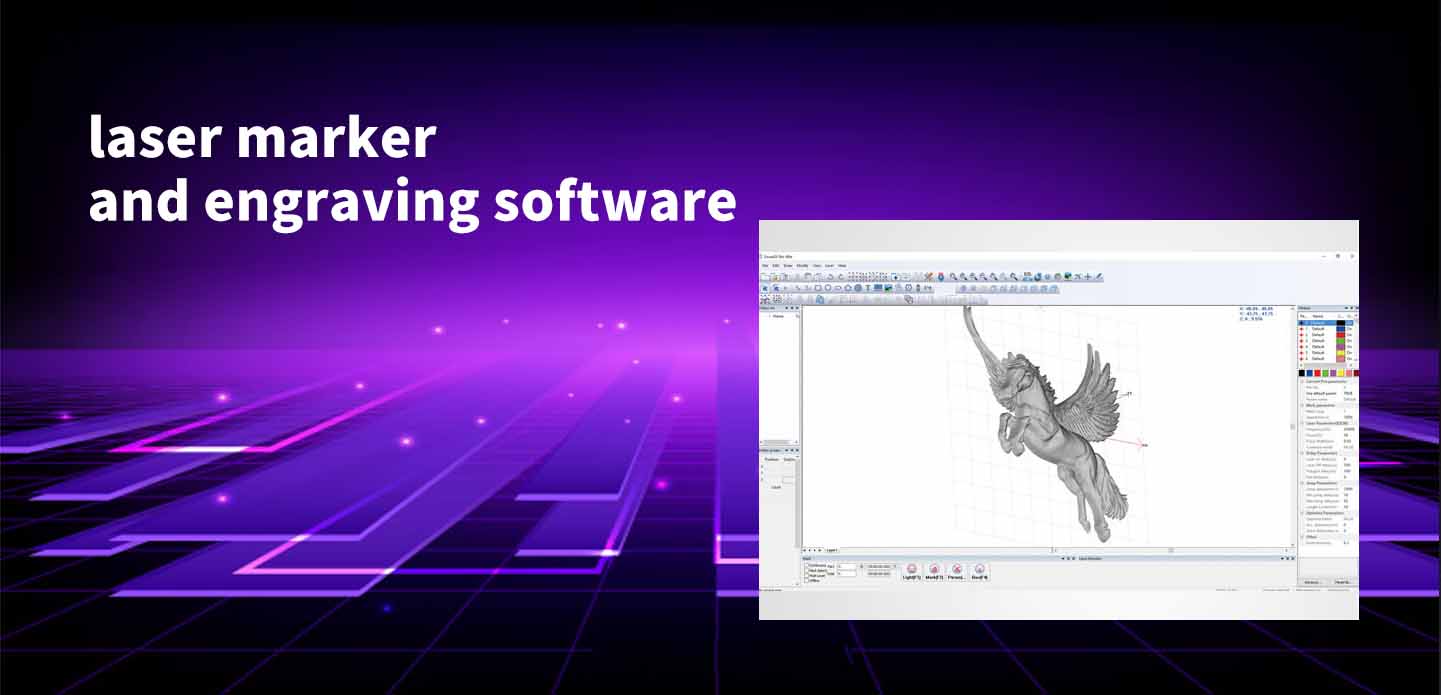
The Role of Laser Etching Software
Laser etching software plays a critical role in the operation of laser marking systems. These software solutions allow users to design, create, and manage marking tasks efficiently. Among the most popular laser marking software is EZCAD, which offers various features tailored for different marking applications.
How Does Laser Marking Work? The Core Principles
At its heart, a laser marking system is a sophisticated light engine, with the fundamental principle being the amplification of light through stimulated emission of radiation. The process involves three key steps:
Beam Generation: A laser source generates a coherent, monochromatic beam of intense light. These sources can be solid-state (fiber), gas-based (CO₂), or crystal-based (like Nd:YAG used for UV generation).
Beam Steering: The beam travels to a scanning head containing high-speed, precision galvanometer mirrors (“galvo”). These mirrors deflect the beam at incredible speeds along X and Y axes, guiding it to trace out marks with pinpoint accuracy.
Mark Creation: A focusing lens concentrates the beam’s energy onto a tiny spot on the material, causing a rapid, localized thermal or photochemical reaction. By precisely controlling parameters like power, speed, and frequency, this interaction can either change the material’s color, texture, or remove material to create a mark.
How to Choose a Laser Marking System: A Practical Guide
Selecting the right system requires a methodical approach. Here is a step-by-step laser marking machine buying guide:
Step 1: Define Your Application & Material.
What is the primary material you need to mark? (Metal, plastic, glass?) This is the single most important question as it dictates the laser wavelength you need.
Step 2: Establish Production & Throughput Requirements.
What is your production volume? How fast is your line? This determines the laser power and galvo scanning speed you’ll need.
Step 3: Determine Your Marking Field and Depth Requirements.
What is the largest area you need to mark in a single pass? Do you need deep engraving or just a surface mark?
Step 4: Assess Integration & Software Needs.
Does the system need to integrate with an existing ERP/MES for dynamic data and automation? User-friendly, powerful laser marking software like EZCAD can be a critical enabler of efficiency. See our dedicated guide on EZCAD Software for Laser Marking.
Step 5: Evaluate Total Cost of Ownership (TCO).
Look beyond the initial system price. Factor in the laser marking machine price, cost avoidance from zero consumables, maintenance requirements, and efficiency gains to calculate the true ROI.
Benefits of Laser Marking
Laser marking offers several advantages over traditional marking methods:
- Precision: Laser markers can achieve extremely fine details and high-resolution markings.
- Speed: Laser marking is a fast process, which can significantly increase production efficiency.
- Durability: Marks made by lasers are permanent and resistant to wear, chemicals, and environmental factors.
- Flexibility: Laser marking can be used on a wide range of materials, making it adaptable to various applications.
Future Trends in Laser Marking Technology
The technology continues to evolve rapidly. Key trends shaping the future include:
Greener & Smarter Manufacturing: The shift from chemical-based inkjet and electro-chemical etching to consumable-free laser systems continues to accelerate, driven by stringent environmental regulations and sustainability goals.
Advanced Pulsed Lasers: The capabilities of MOPA lasers continue to expand, offering unprecedented control for precision surface texturing, multi-color marks, and processing challenging materials, opening doors for new applications.
Software-Driven Automation & Industry 4.0: Deeper integration with industrial laser marking software and factory networks is crucial. Platforms like EZCAD are central to this shift. They manage dynamic data, enable vision system verification, and easily communicate with other systems, enhancing traceability and efficiency
Conclusion
Laser marking technology, powered by advanced software like EZCAD, provides industries with efficient and precise marking solutions. By understanding the different types of laser markers and their associated software, businesses can enhance their product identification and branding processes.
由用户投稿整理稿件发布,不代表本站观点及观点,进行交流学习之用,如涉及版权等问题,请随时联系我们(yangmei@bjjcz.com),我们将在第一时间给予处理。
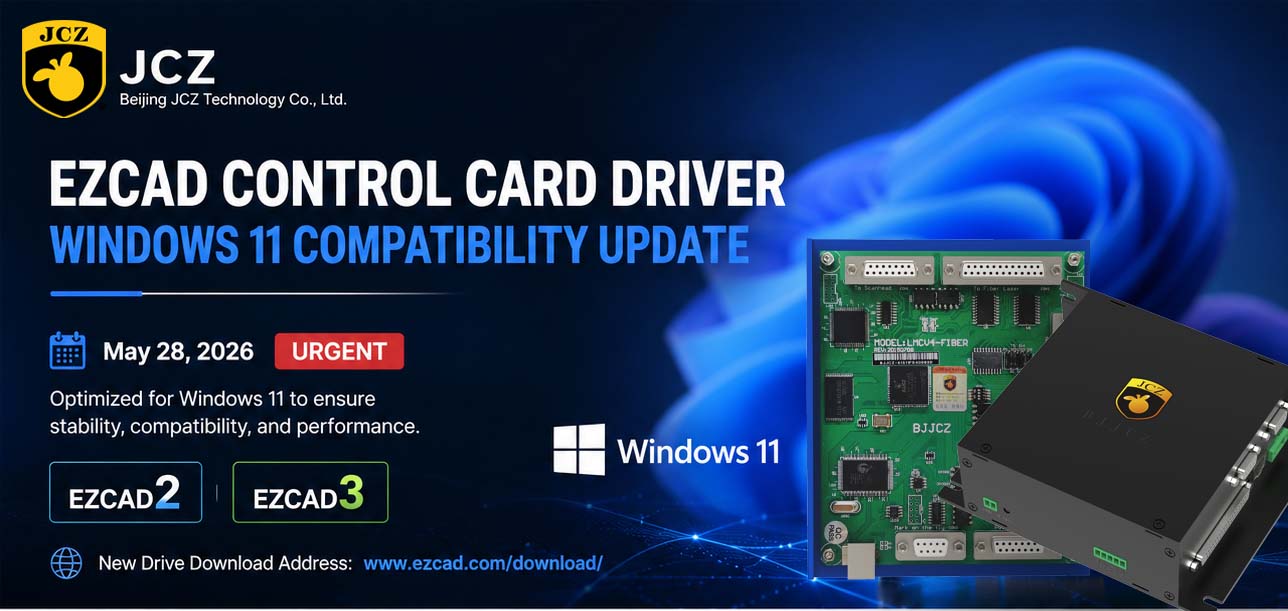
OFFICIAL DRIVER UPDATE NOTICE

Top Factors That Affect Marking Quality in Handheld Fiber Laser Systems
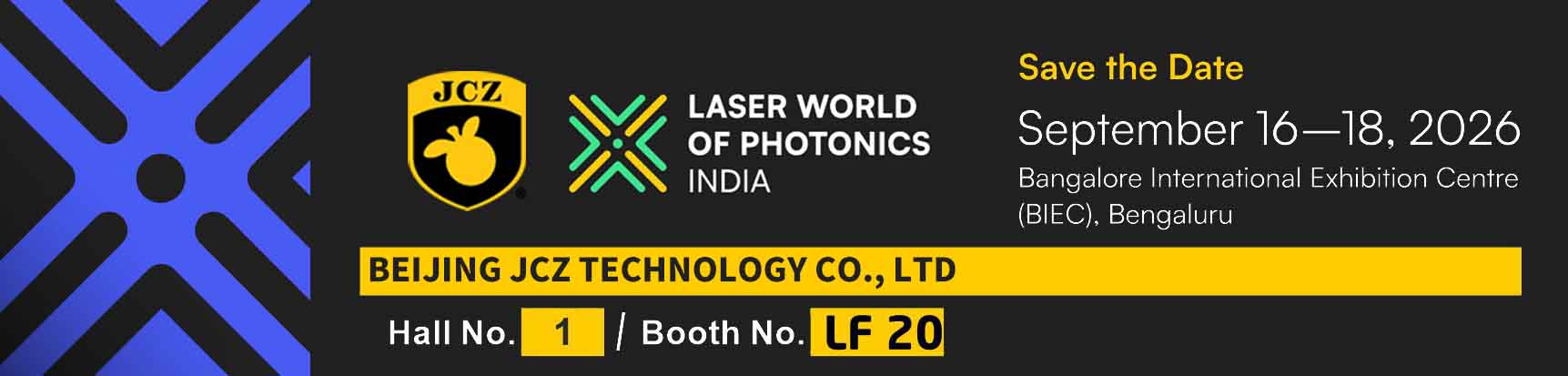
Meet JCZ at Laser World of Photonics India 2026 in Bengaluru
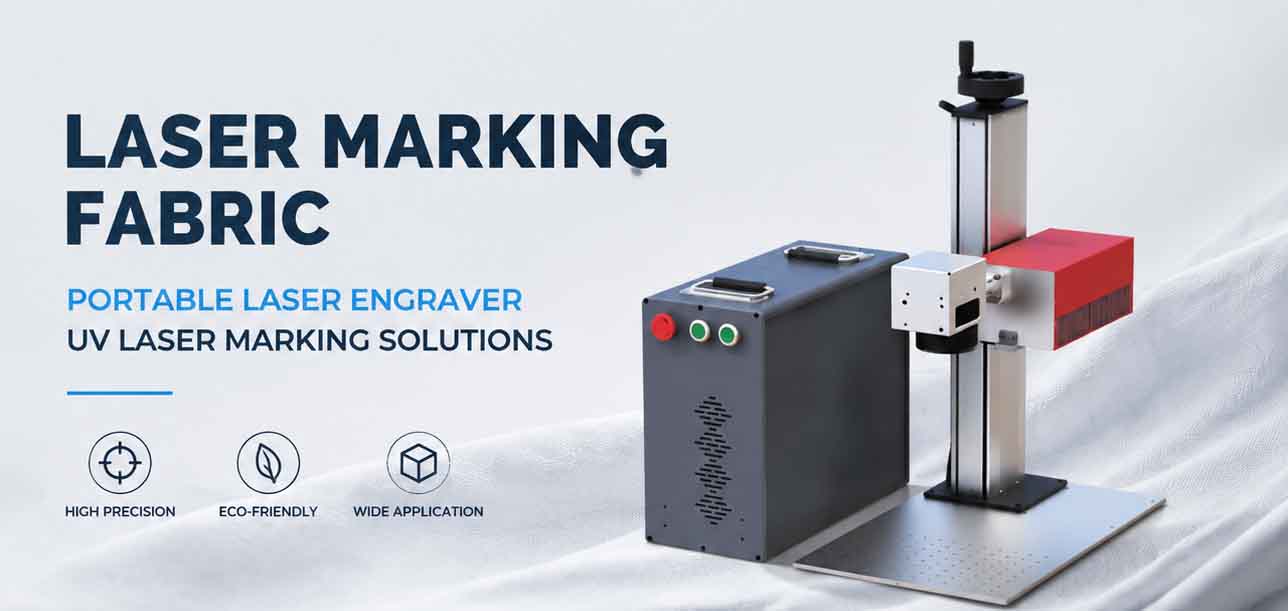
Laser Marking Fabric with Portable Laser Engraver: Advanced UV Laser Marking Solutions for Modern Manufacturing
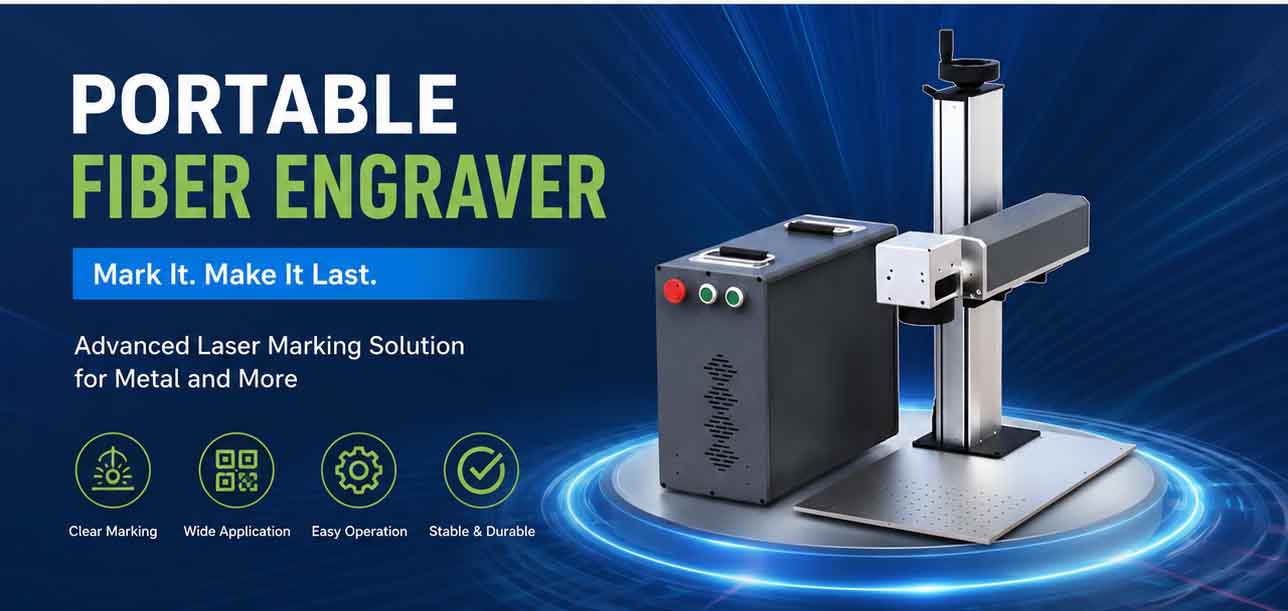
Laser Machine for Marking: The Ultimate Guide to Portable Fiber Engravers & MOPA Color Laser Marking
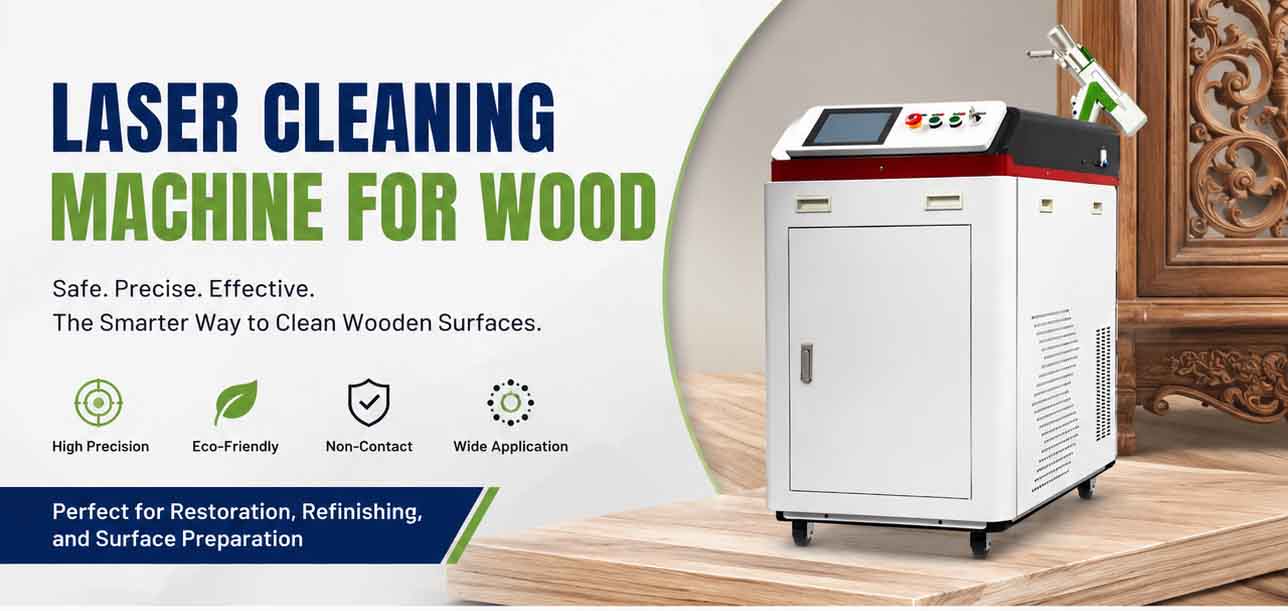
Laser Cleaning Machine for Wood: The Ultimate Guide to Safe, Precise & Eco-Friendly Wood Surface Cleaning