Introduction
In today’s high-end manufacturing market, femtosecond fiber laser technology is rapidly becoming a core solution for ultra-precision processing. As industries demand higher accuracy, minimal thermal impact, and superior surface quality, both high power femtosecond laser systems and competitive femtosecond laser price options are gaining global attention. Whether you are upgrading your production line or exploring advanced laser solutions, understanding femtosecond lasers can significantly improve your competitiveness.
What Is a Femtosecond Fiber Laser?
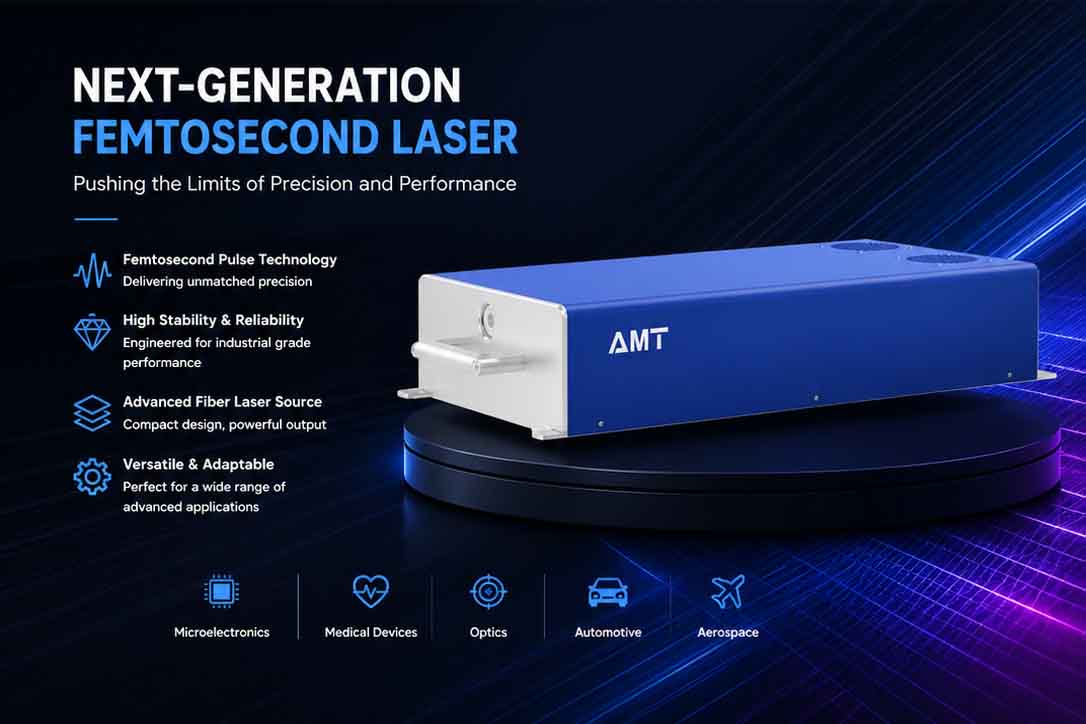
A femtosecond fiber laser is an ultra-fast laser system that emits pulses with durations in the femtosecond range (1 fs = 10⁻¹⁵ seconds). This extremely short pulse duration allows materials to be processed with almost no heat diffusion.
Key characteristics of a femtosecond fiber laser include:
- Ultra-short pulse duration for “cold processing”
- Minimal heat-affected zone (HAZ)
- Exceptional precision at micro and nano levels
- Clean edges without burrs or deformation
Compared to traditional lasers, even a high power femtosecond laser can process delicate materials without damaging surrounding areas, making it ideal for high-value applications despite variations in femtosecond laser price.
Advantages of High Power Femtosecond Laser
A high power femtosecond laser offers significant advantages for industrial applications requiring both speed and precision.
1. Cold Processing Technology
Unlike conventional lasers, a femtosecond fiber laser removes material through non-thermal ablation. This ensures:
- No burning or melting
- No micro-cracks
- High-quality surface finish
This advantage makes the femtosecond laser price worthwhile for industries that demand perfection.
2. Ultra-High Precision
The extremely short pulses of a high power femtosecond laser allow for micron and even nanometer-level accuracy, making it ideal for:
- Semiconductor manufacturing
- Medical device fabrication
- Microelectronics
With a femtosecond fiber laser, manufacturers can achieve results that are impossible with traditional systems.
3. Wide Material Compatibility
A femtosecond fiber laser can process almost any material, including:
- Metals (steel, aluminum, titanium)
- Glass and ceramics
- Plastics and polymers
- Transparent materials
Even reflective or brittle materials can be processed efficiently with a high power femtosecond laser, further justifying the femtosecond laser price investment.
4. High Efficiency and Stability
Modern femtosecond fiber laser systems are designed for industrial reliability:
- Long service life
- Stable output performance
- Low maintenance requirements
Although the initial femtosecond laser price may be higher, the long-term ROI is significantly better.
Applications of Femtosecond Fiber Laser
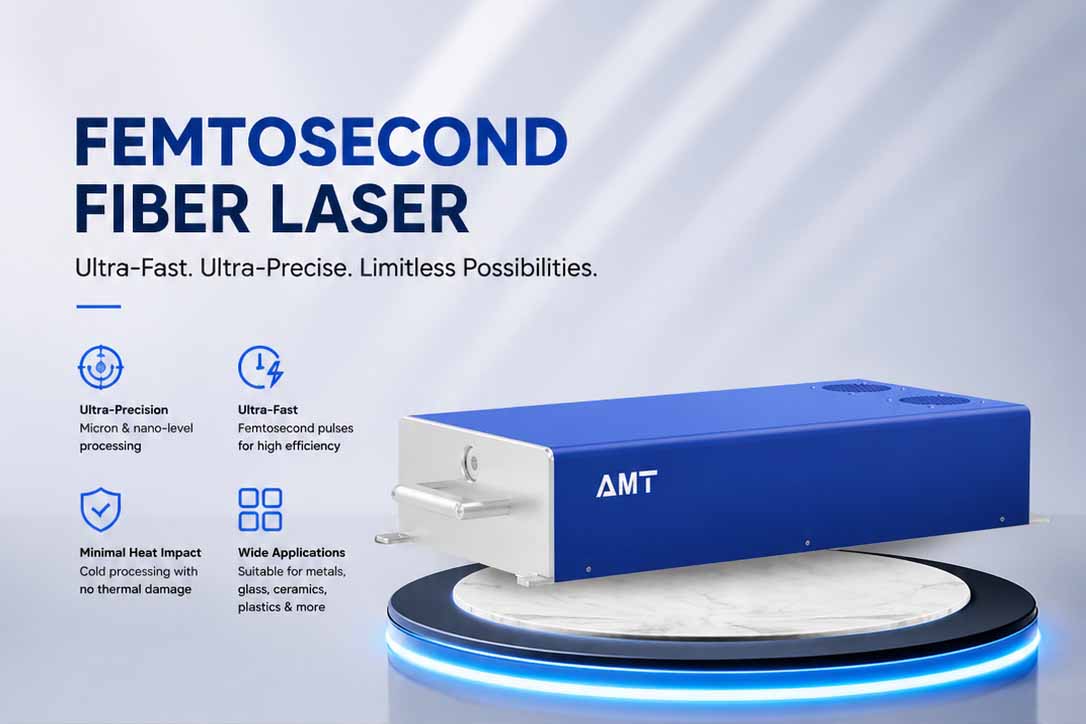
The versatility of femtosecond fiber laser technology makes it widely used across multiple industries:
Electronics Industry
- PCB drilling and cutting
- Micro-patterning
- Chip manufacturing
A high power femtosecond laser ensures precision without thermal damage.
Medical Industry
- Stent cutting
- Surgical instrument processing
- Biocompatible material engraving
Here, the accuracy of a femtosecond fiber laser directly impacts product safety and quality.
Optics and Glass Processing
- Glass cutting without cracks
- Sapphire processing
- Optical component fabrication
The non-thermal nature of a high power femtosecond laser makes it irreplaceable despite the femtosecond laser price.
Automotive & Aerospace
- Precision drilling
- Surface texturing
- High-end component marking
A femtosecond fiber laser improves both durability and performance of critical parts.
Femtosecond Laser Price: What Affects the Cost?
When evaluating femtosecond laser price, several key factors must be considered:
1. Laser Power
A high power femtosecond laser typically costs more but offers higher efficiency and faster processing speeds.
2. Laser Source Quality
Premium components significantly influence the performance and lifespan of a femtosecond fiber laser, impacting overall femtosecond laser price.
3. System Configuration
- Desktop vs. industrial systems
- Automation integration
- Cooling systems
Advanced configurations increase the femtosecond laser price but also enhance productivity.
4. Application Requirements
Customized solutions using a femtosecond fiber laser for specific industries may affect pricing.
Typical Price Range
- Entry-level systems: $20,000 – $50,000
- Industrial-grade systems: $50,000 – $200,000+
While the femtosecond laser price is higher than standard lasers, the performance benefits justify the investment.
How to Choose the Right Femtosecond Fiber Laser
Before investing in a femtosecond fiber laser, consider the following:
- Material type and thickness
- Required precision level
- Production volume
- Budget and ROI expectations
If your application demands ultra-precision and zero thermal damage, a high power femtosecond laser is the ideal choice regardless of the femtosecond laser price.
Conclusion
As precision manufacturing continues to evolve, the femtosecond fiber laser is becoming a key technology for industries seeking unmatched accuracy and quality. From electronics to medical devices, a high power femtosecond laser provides capabilities that traditional systems cannot match.
Although the femtosecond laser price may seem high initially, its long-term benefits—precision, efficiency, and reliability—make it a smart investment for forward-thinking businesses.
We provide a full range of laser solutions, including fiber lasers, UV lasers, femtosecond lasers, and customized industrial systems to meet your specific application needs. Contact us today to find the best laser solution for your business.
OFFICIAL DRIVER UPDATE NOTICE

Top Factors That Affect Marking Quality in Handheld Fiber Laser Systems

Meet JCZ at Laser World of Photonics India 2026 in Bengaluru
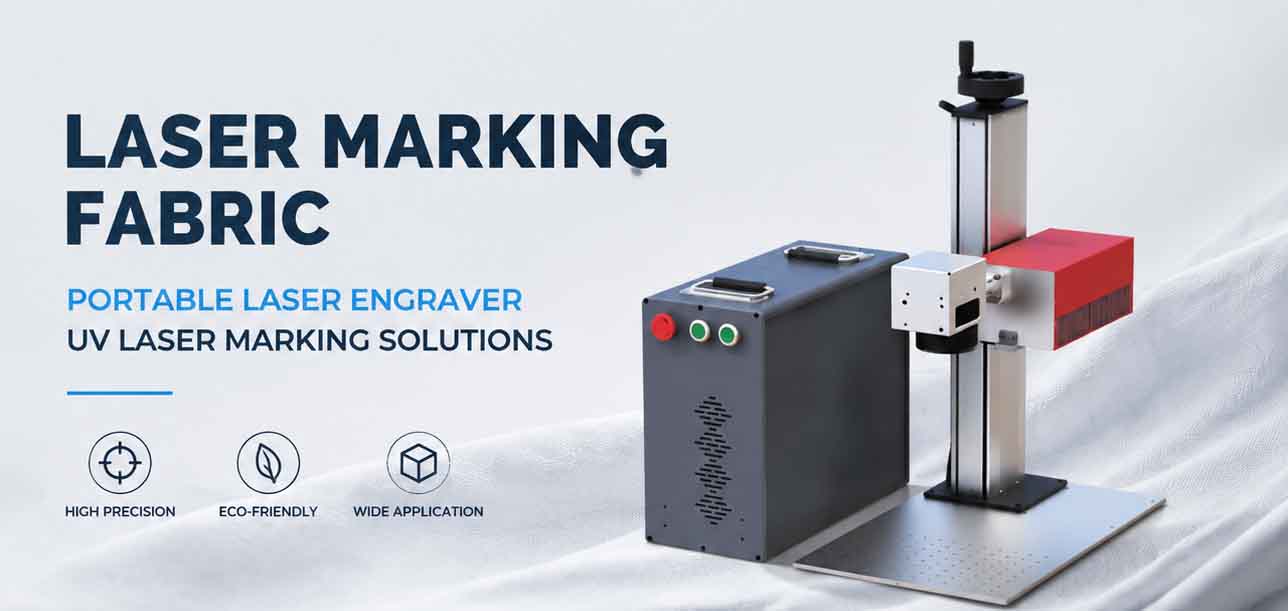
Laser Marking Fabric with Portable Laser Engraver: Advanced UV Laser Marking Solutions for Modern Manufacturing
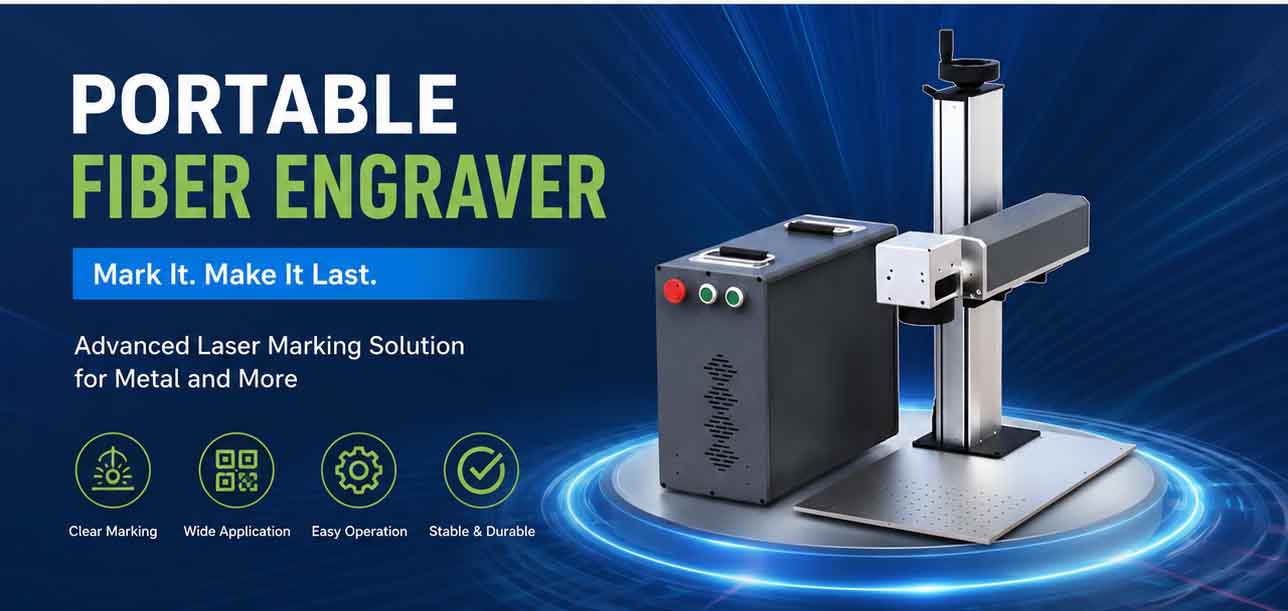
Laser Machine for Marking: The Ultimate Guide to Portable Fiber Engravers & MOPA Color Laser Marking
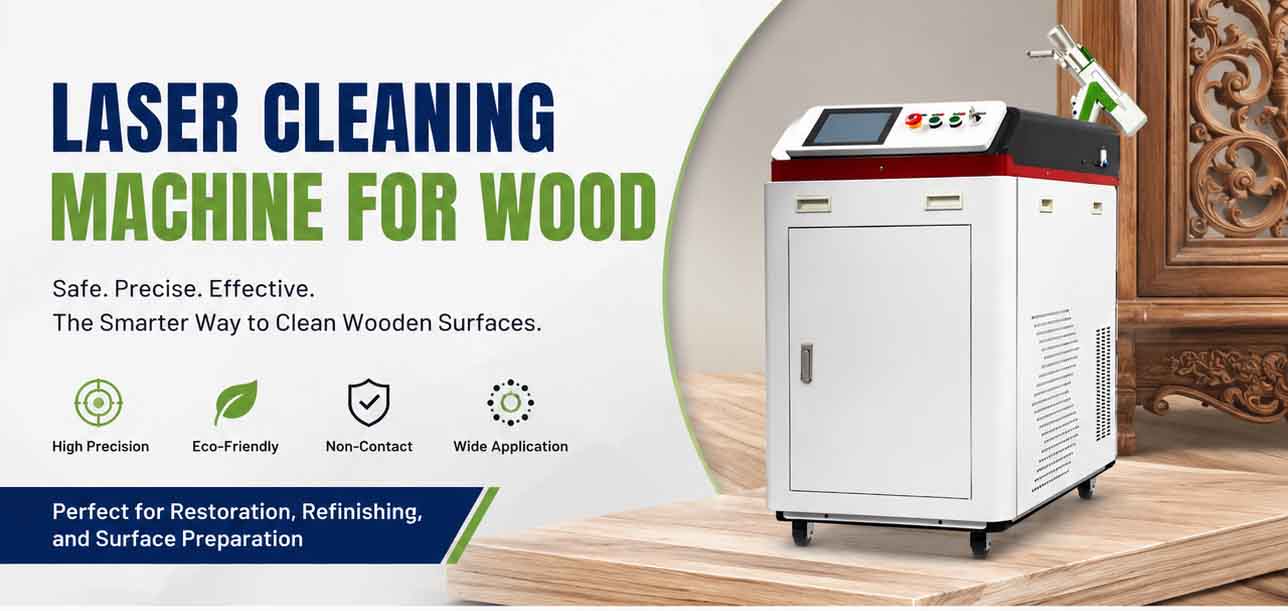
Laser Cleaning Machine for Wood: The Ultimate Guide to Safe, Precise & Eco-Friendly Wood Surface Cleaning