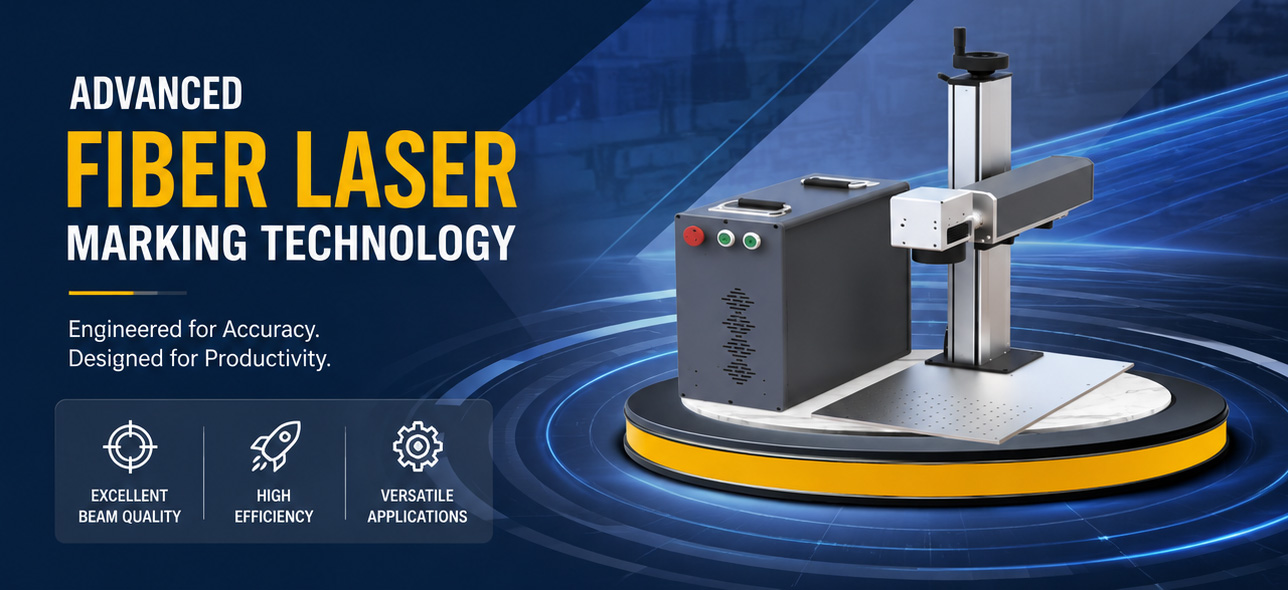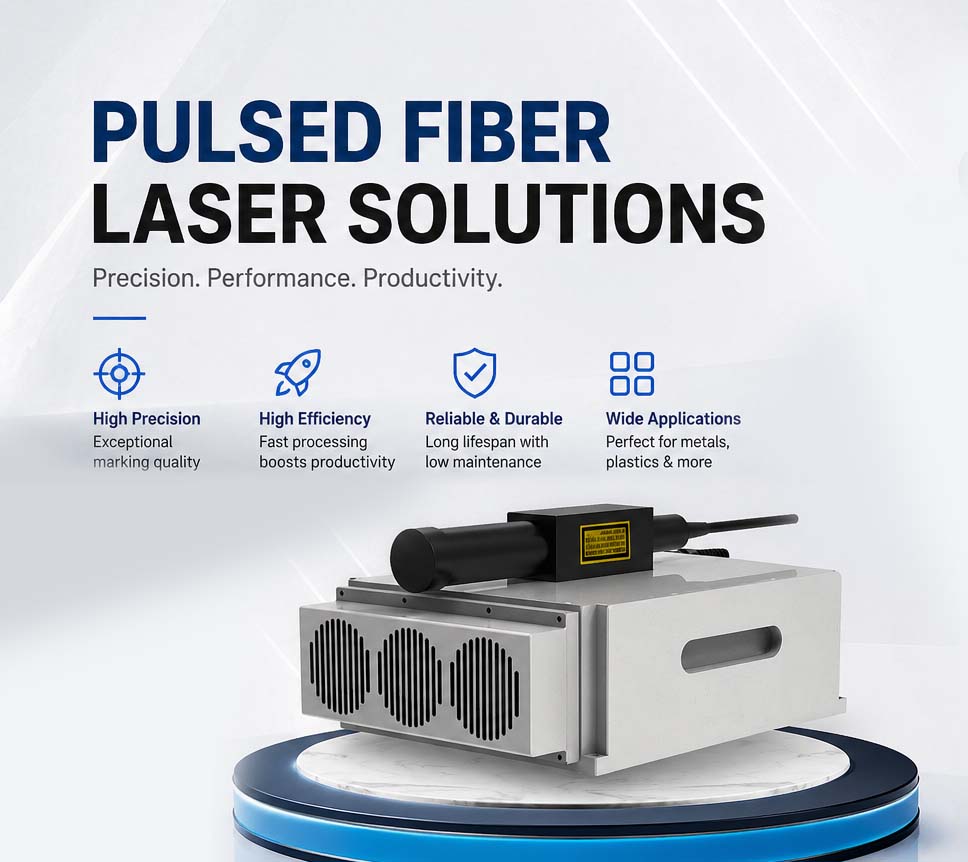
In today’s competitive manufacturing landscape, efficiency, precision, and cost control are critical. Pulsed fiber laser technology has emerged as a leading solution for industries requiring high-speed marking, engraving, and cleaning. Whether you’re searching for a small fiber laser, evaluating a fiber laser machine price, or upgrading your production line, this guide will help you understand why fiber lasers are the smart investment.
What Is a Pulsed Fiber Laser?
A pulsed fiber laser emits laser energy in short, high-intensity bursts rather than a continuous beam. This allows for:
- Ultra-precise material processing
- Minimal heat-affected zones
- High contrast marking on metals and plastics
- Excellent control for delicate applications
Compared to traditional laser systems, pulsed fiber lasers deliver superior performance with lower maintenance requirements.
Advantages of Small Fiber Laser Machines
Compact and portable systems are becoming increasingly popular, especially for small workshops and flexible production environments.
Key Benefits:
1. Space-Saving Design
A small fiber laser machine fits easily into limited workspaces, making it ideal for factories with constrained layouts.
2. High Efficiency
Despite their size, these machines offer powerful output and fast processing speeds.
3. Easy Operation
User-friendly software and plug-and-play setups reduce training time and improve productivity.
4. Low Maintenance
Fiber laser sources typically last over 100,000 hours with minimal servicing.
5. Versatile Applications
Suitable for:
- Metal engraving (stainless steel, aluminum, brass)
- Plastic marking
- Electronic components
- Jewelry customization
- Tool and automotive part marking
Applications of Pulsed Fiber Laser Technology
Pulsed fiber lasers are widely used across multiple industries:
- Automotive – VIN marking, component traceability
- Electronics – PCB marking, resistor trimming
- Medical Devices – Surgical tool engraving
- Aerospace – High-precision part identification
- Jewelry – Fine engraving and customization
Their ability to deliver consistent, high-quality results makes them essential in modern manufacturing.
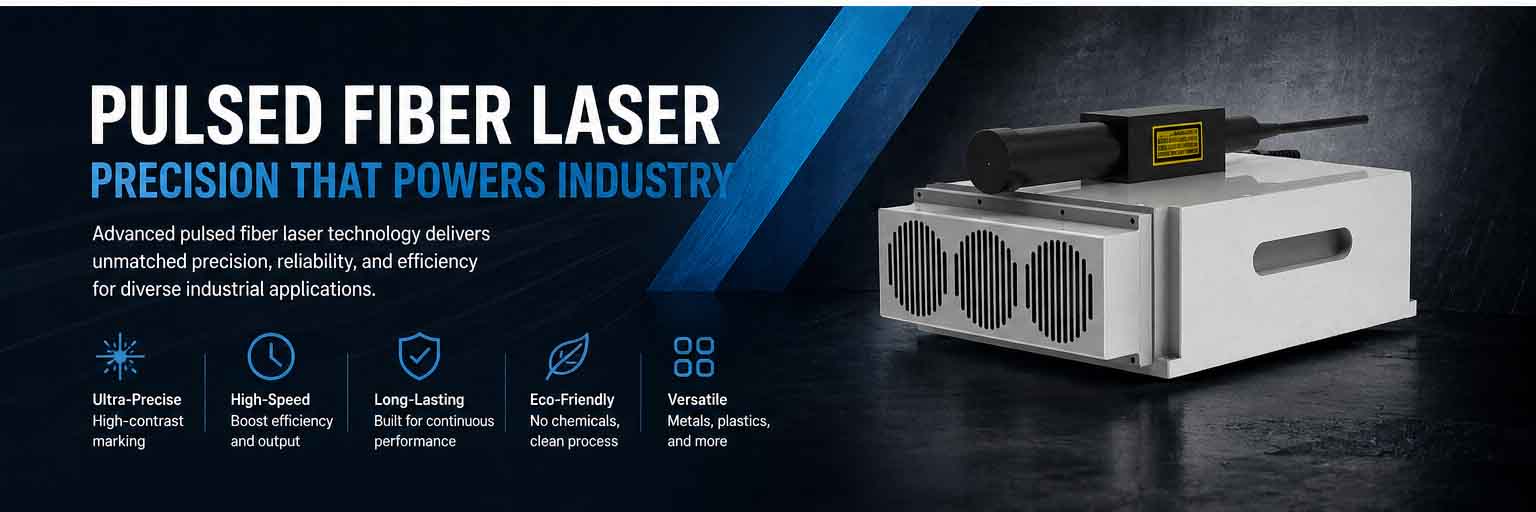
Fiber Laser Machine Price: What to Expect
When evaluating the fiber laser machine price, several factors influence the cost:
1. Laser Power
Higher wattage (20W, 30W, 50W, 100W) increases capability and price.
2. Brand and Components
Premium laser sources (e.g., IPG, Raycus, JPT) affect overall pricing.
3. Machine Configuration
- Desktop vs. portable vs. fully enclosed systems
- Automation features (rotary axis, conveyor integration)
4. Software and Control System
Advanced control systems improve precision and usability.
5. After-Sales Support
Reliable suppliers offering training, warranty, and technical support provide better long-term value.
Typical Price Range:
- Small fiber laser: $2,000 – $6,000
- Mid-range industrial systems: $6,000 – $15,000+
How to Choose the Right Fiber Laser Machine
Before purchasing, consider:
- Material type and thickness
- Production volume
- Required marking depth and speed
- Workspace limitations
- Budget and ROI expectations
If your business requires flexibility and cost-efficiency, a small pulsed fiber laser machine is often the best starting point.
Why Invest in a Pulsed Fiber Laser?
Choosing the right laser system can significantly impact your production efficiency and profitability. Pulsed fiber lasers offer:
- High precision and repeatability
- Low operating costs
- Long service life
- Eco-friendly processing (no chemicals required)
- Strong adaptability across industries
Conclusion
As global demand for precision manufacturing grows, pulsed fiber laser machines are becoming essential tools for businesses seeking efficiency and quality. Whether you’re looking for a compact small fiber laser or comparing fiber laser machine prices, investing in the right system will enhance your competitiveness and open new business opportunities.
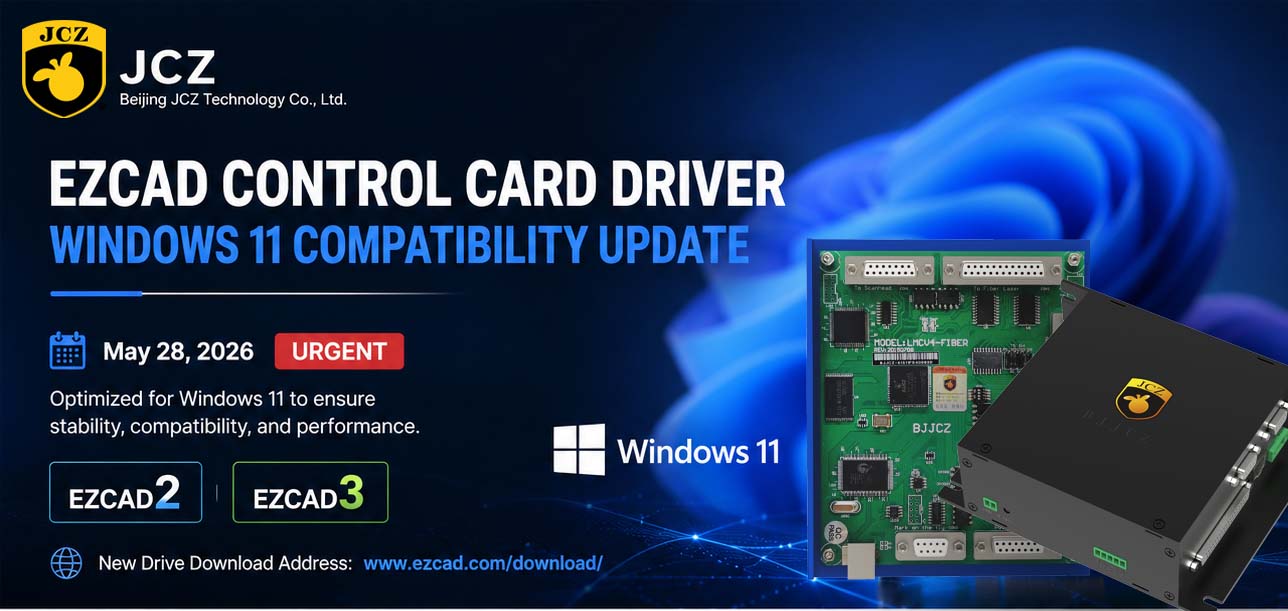
OFFICIAL DRIVER UPDATE NOTICE

Top Factors That Affect Marking Quality in Handheld Fiber Laser Systems

Meet JCZ at Laser World of Photonics India 2026 in Bengaluru
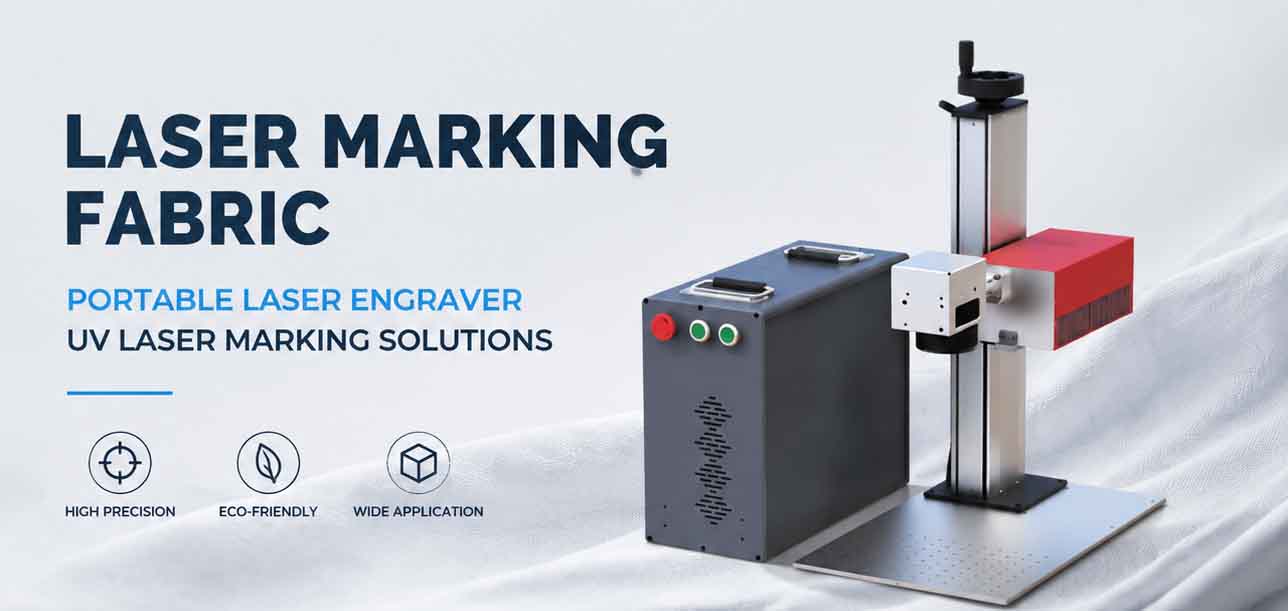
Laser Marking Fabric with Portable Laser Engraver: Advanced UV Laser Marking Solutions for Modern Manufacturing
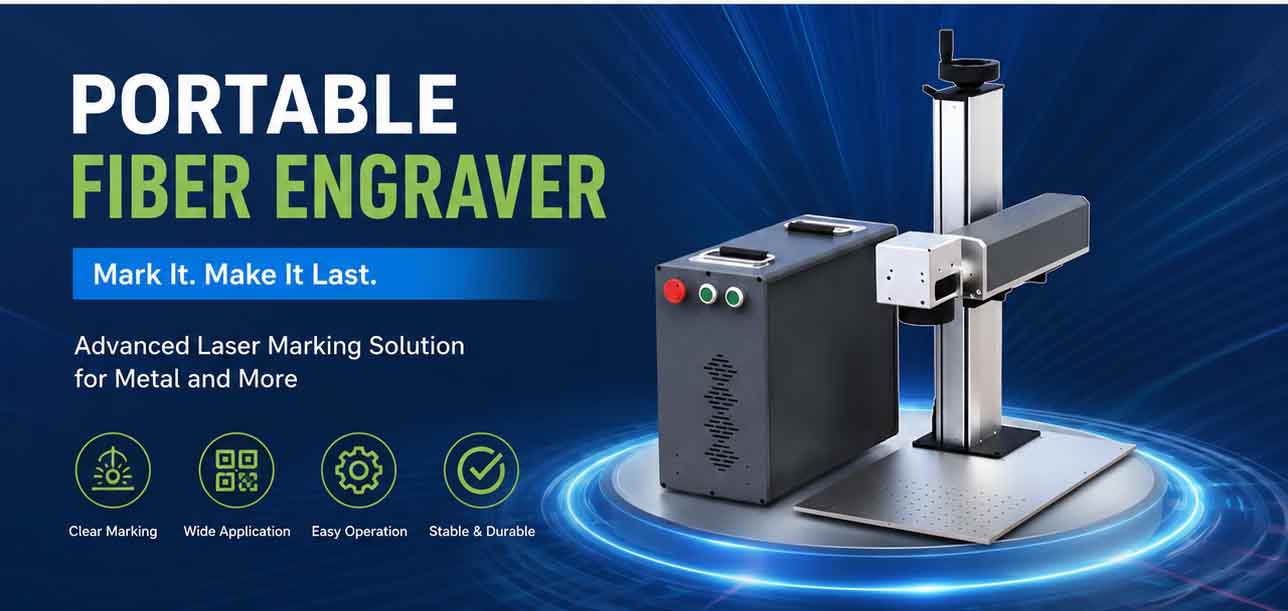
Laser Machine for Marking: The Ultimate Guide to Portable Fiber Engravers & MOPA Color Laser Marking
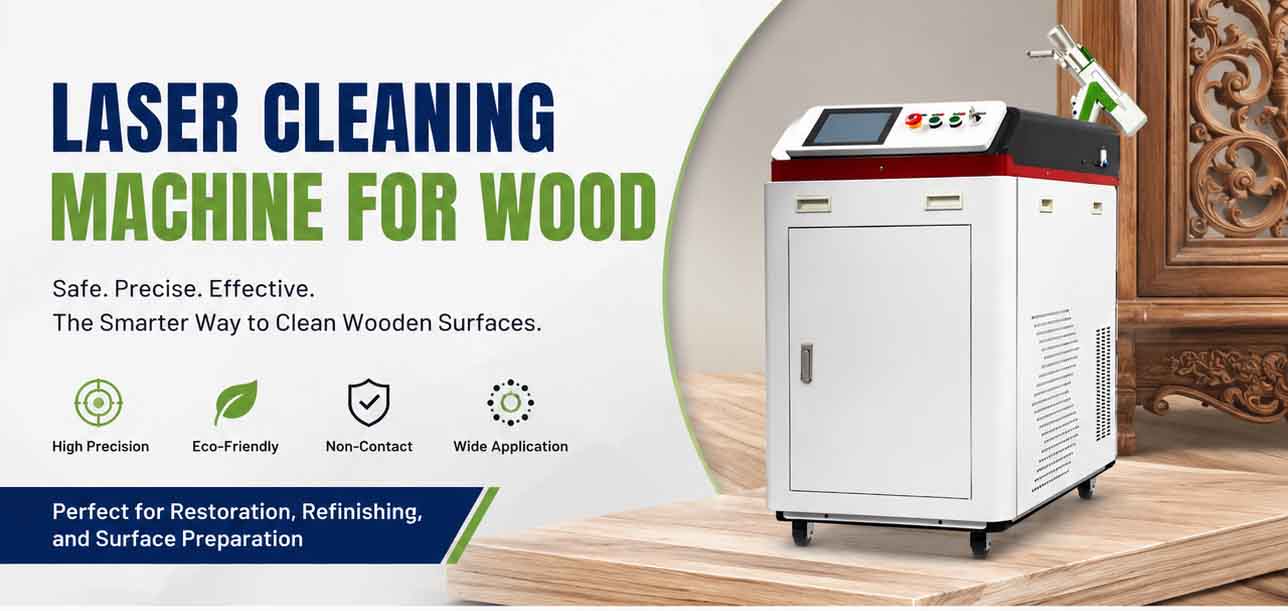
Laser Cleaning Machine for Wood: The Ultimate Guide to Safe, Precise & Eco-Friendly Wood Surface Cleaning