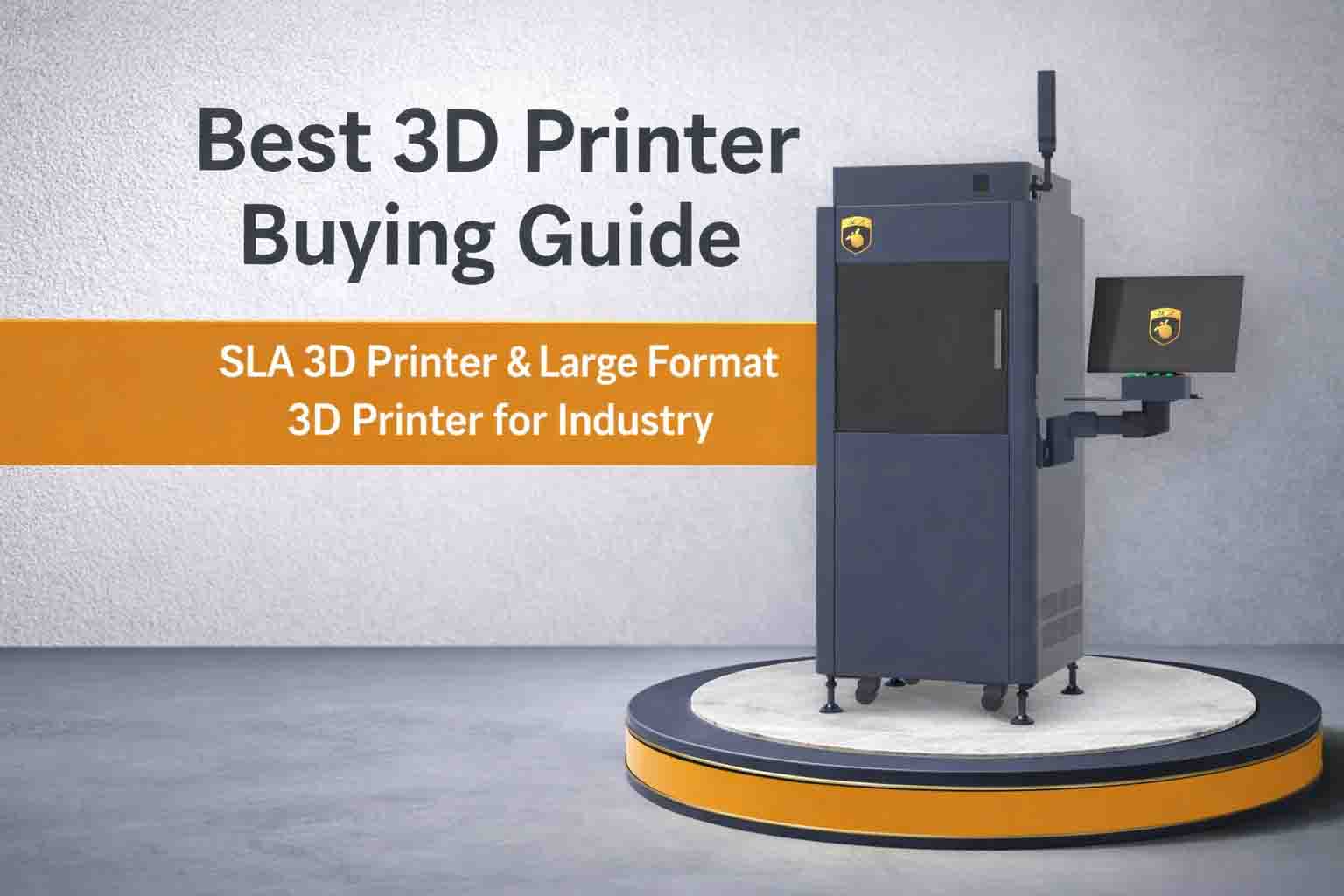
Why 3D Printing Is Becoming Essential for Modern Manufacturing
3d printing is changing the way manufacturers develop products, produce prototypes, and improve production efficiency. With modern 3d printing systems, companies can create highly complex parts with lower material waste and shorter lead times.
Today, businesses in automotive, electronics, dental, aerospace, and industrial manufacturing all rely on 3d printing to accelerate innovation. As demand grows, many buyers are actively searching for the best 3d printer that can meet industrial performance standards while keeping operating costs under control.
What Defines the Best 3D Printer for Industrial Buyers
Choosing the best 3d printer depends on production goals, material requirements, and expected print accuracy. A professional best 3d printer should provide stable performance, repeatable precision, and long-term reliability.
Important factors include:
- Print resolution
- Build volume
- Material compatibility
- Printing speed
- Software support
- Maintenance cost
For industrial users, the best 3d printer is not simply the fastest machine, but the one that delivers consistent output across different production tasks.
Why SLA 3D Printer Technology Is Preferred for Precision Parts
An sla 3d printer is one of the most popular solutions for applications requiring fine details and smooth surface quality. Unlike filament systems, an sla 3d printer uses laser curing technology to solidify liquid resin layer by layer.
Advantages of an sla 3d printer include:
- High dimensional accuracy
- Smooth surface finish
- Fine detail reproduction
- Excellent for prototype verification
Because of these strengths, the sla 3d printer is widely used in dental modeling, jewelry production, mold design, and precision engineering.
Large Format 3D Printer for Bigger Industrial Projects
For companies producing oversized parts, a large format 3d printer offers clear advantages. A large format 3d printer allows manufacturers to print large components in one piece, reducing assembly time and improving structural integrity.
Typical applications of a large format 3d printer include:
- Automotive prototypes
- Industrial tooling
- Architectural models
- Large molds
- Functional testing parts
A reliable large format 3d printer helps businesses increase efficiency while reducing production steps.
Comparing SLA 3D Printer and Large Format 3D Printer
When selecting between an sla 3d printer and a large format 3d printer, buyers should consider final application requirements.
SLA 3D Printer is ideal for:
- Fine details
- Small precision components
- High surface quality
Large Format 3D Printer is ideal for:
- Large prototypes
- Industrial components
- Large-volume production
Some manufacturers combine both systems to maximize 3d printing flexibility.
How 3D Printing Improves International Manufacturing Competitiveness
For export-oriented manufacturers, 3d printing creates strong advantages:
- Faster sample delivery to overseas clients
- Reduced mold development cost
- Faster product customization
- Improved response to market demand
This is why more companies are investing in the best 3d printer to strengthen their global supply chain.
Why Overseas Buyers Focus on Stable Supplier Capability
When overseas buyers choose 3d printing equipment suppliers, they often focus on:
- Technical support
- Spare parts availability
- Software compatibility
- Machine stability
- Delivery speed
A professional supplier offering both sla 3d printer and large format 3d printer solutions can better meet international buyer expectations.
How to Choose the Best 3D Printer for Industrial 3D Printing Applications
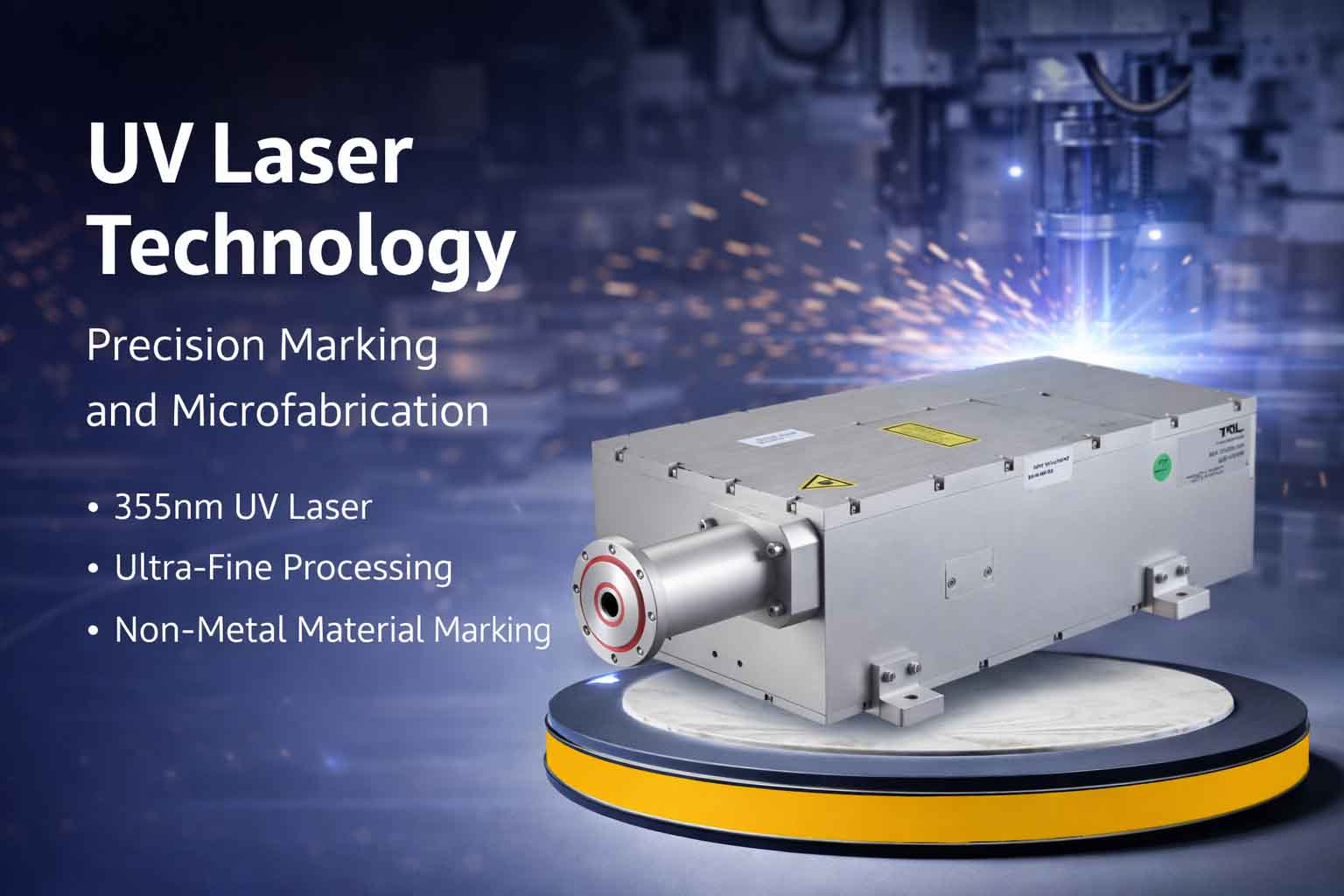
UV Laser Solutions for Precision Industrial Marking
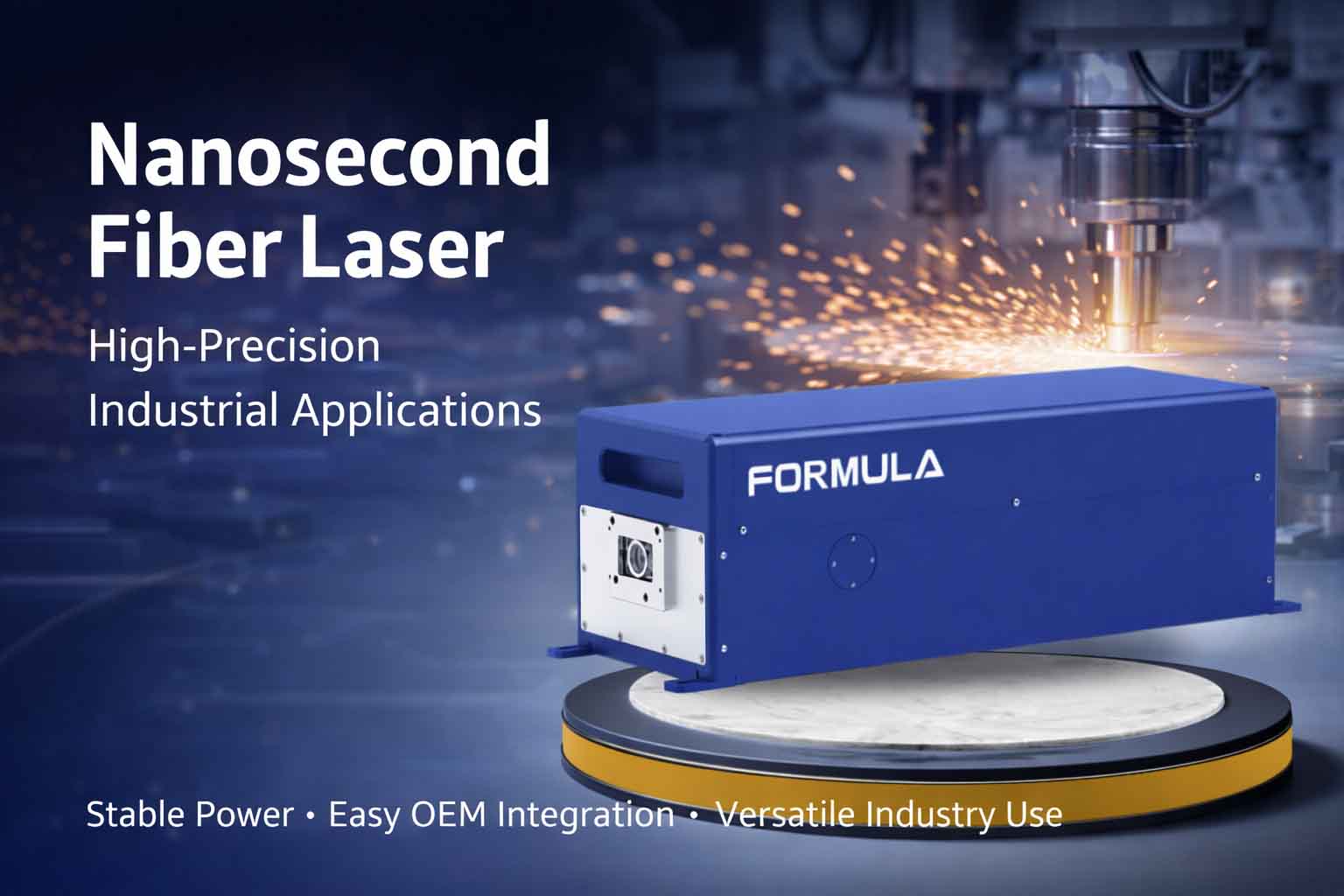
Nanosecond Lasers for Industrial Precision Processing
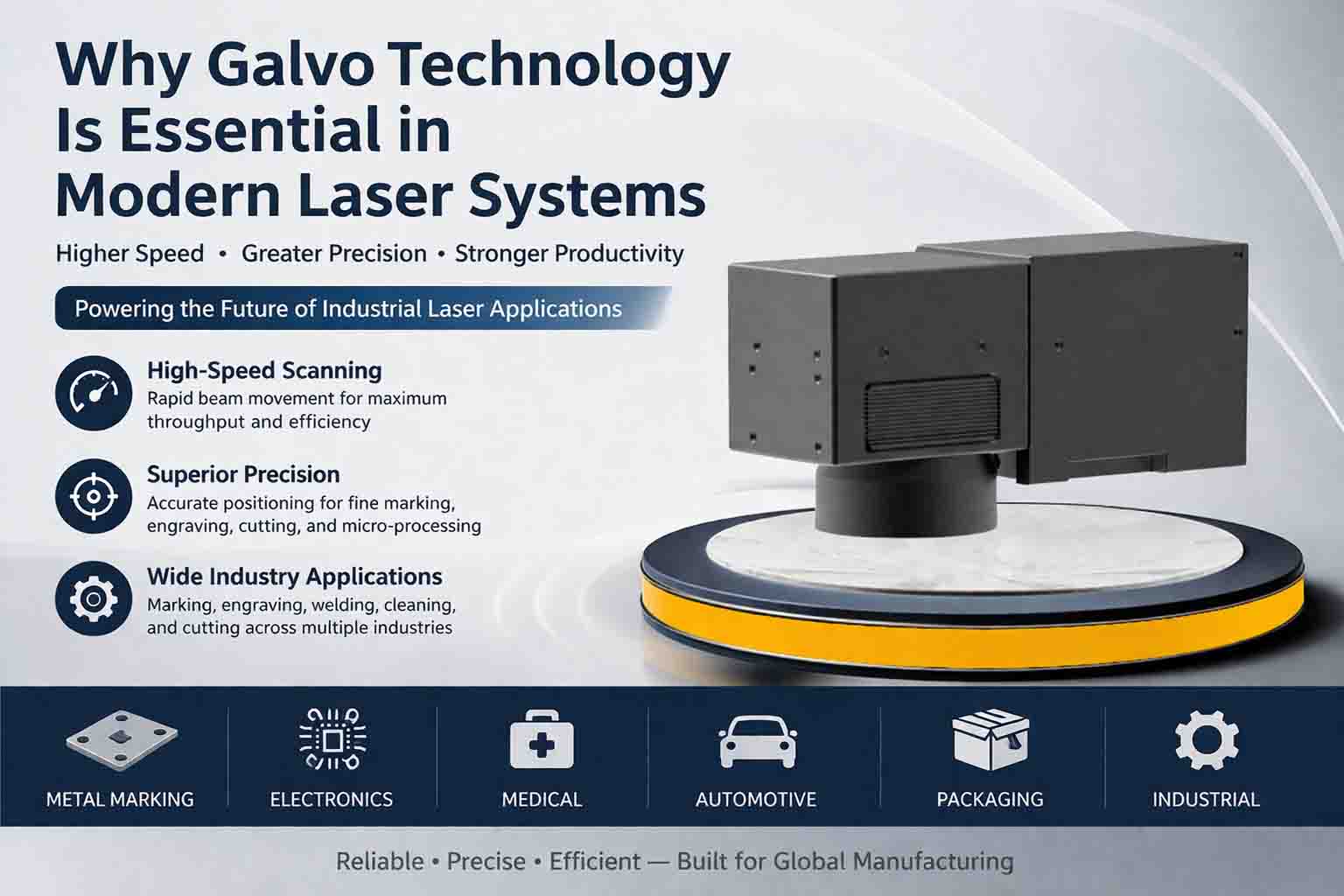
Galvo Scanning Solutions for High-Speed Laser Processing
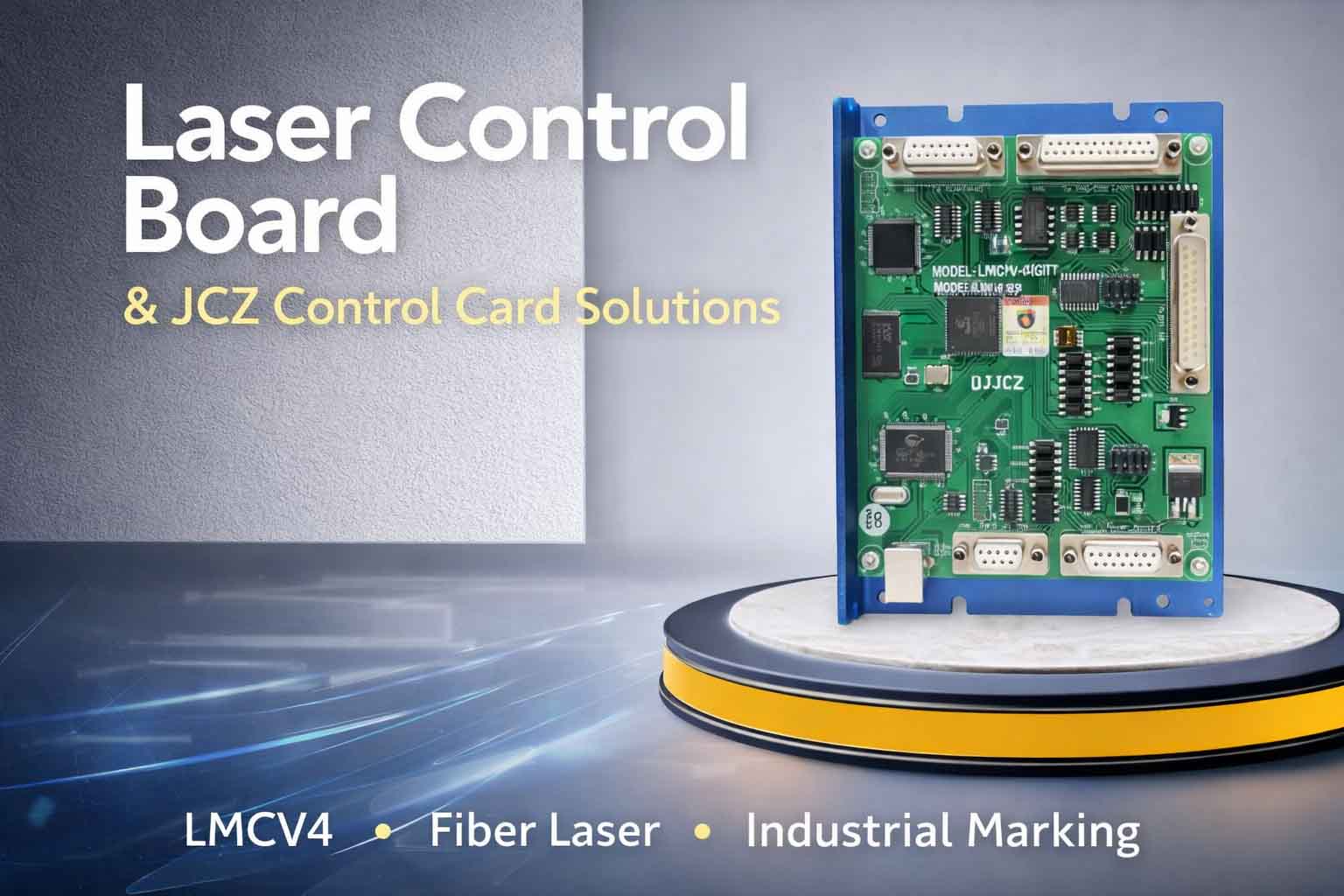
JCZ Control Card and Laser Control Board Solutions