Laser welding software serves as the critical interface between operator intent and machine execution in modern manufacturing environments. Proper configuration of these systems directly impacts weld quality, production efficiency, and operational safety. According to the Laser Institute of America (LIA), software-controlled parameters account for approximately 40% of welding outcome variability in industrial applications. This guide provides a systematic approach to configuring laser welding software for precision welding tasks, covering essential settings, calibration procedures, and optimization strategies.
Understanding Core Software Parameters
Modern laser welding platforms operate through multiple interconnected parameter sets that control beam delivery, motion systems, and process monitoring. The primary parameters include laser power (typically ranging from 100W to 6kW for industrial applications), pulse frequency (1-500 Hz for pulsed systems), welding speed (0.1-20 m/min depending on material thickness), and beam focus position. Research by the American Welding Society (AWS) indicates that parameter optimization can improve weld penetration consistency by up to 35% compared to default settings.
Each parameter interacts with others in complex ways. For example, increasing laser power without adjusting welding speed results in deeper penetration but may cause excessive heat input, leading to distortion or metallurgical changes in heat-sensitive alloys. Quality laser control software provides real-time visualization of these parameter relationships, allowing operators to predict outcomes before committing to production runs.
Step 1: Initial System Calibration and Hardware Verification
Before configuring software parameters, verify that all hardware components meet specifications. This includes checking laser source output against rated power, confirming galvanometer scanner calibration (positional accuracy should be within ±0.05mm for precision applications), and validating motion system backlash compensation values. ISO 15614-1 standards require that procedure qualification records document these baseline measurements.
Calibration procedures vary by system architecture. Galvo-based systems require focus calibration at multiple working distances, typically 200mm, 250mm, and 300mm from the scanner exit aperture. Record the actual spot size at each distance and compare against manufacturer specifications—deviations exceeding 10% warrant recalibration or component replacement.
Step 2: Material Database Configuration
Most laser welding software includes material libraries with baseline parameters for common alloys. However, these defaults rarely match specific production requirements. Create custom material entries that account for actual material composition, surface condition, and joint geometry.
For stainless steel welding (304/304L grades), typical parameters include 1.5-3kW laser power at 2-5 m/min welding speed for 1-2mm material thickness. Aluminum alloys require significantly different settings—higher power densities and faster speeds to manage high thermal conductivity. AWS D17.1 specifications for aerospace applications mandate that parameter deviations from qualified procedures not exceed 5% without requalification.
Document all material-specific settings with traceability references. This proves essential for industries requiring process documentation, including medical device manufacturing (FDA 21 CFR Part 820) and aerospace production (AS9100 quality management systems).
Step 3: Weld Path Programming and Sequence Optimization
Path programming defines the trajectory the laser follows during welding operations. Modern laser marking system architectures support multiple programming approaches: teaching mode (manual positioning with point recording), CAD import (direct import of DXF or DWG files), and parametric programming (generating paths from geometric parameters).
Sequence optimization reduces total cycle time by minimizing non-welding movements. A study published in the Journal of Laser Applications demonstrated that optimized welding sequences reduce idle travel distance by 25-40% compared to manually programmed paths. Key optimization strategies include:
- Group welds by Z-height to minimize vertical movements
- Arrange welds in thermal patterns that minimize heat accumulation
- Balance bidirectional welding to reduce galvanometer mirror settling time
Step 4: Process Monitoring Integration
Advanced laser welding systems incorporate real-time process monitoring through multiple sensor channels. Primary monitoring methods include:
- Plasma monitoring: Detects plasma formation above the keyhole, indicating optimal energy coupling (typical response time: 50-200 microseconds)
- Temperature monitoring: Tracks thermal profiles at the weld zone, useful for detecting insufficient penetration or excessive heat input
- Vision systems: Post-weld inspection capturing surface quality metrics
The LIA recommends that process monitoring thresholds be set at 3-sigma limits based on statistical process control studies of qualified weld samples. This approach balances defect detection sensitivity with false alarm rates, typically achieving 95-99% detection reliability for critical defects.
Step 5: Safety Interlock Configuration
Software safety systems must conform to regional regulatory requirements. In the United States, OSHA 29 CFR 1926.1026 and ANSI Z136.1 define laser safety classifications and required controls. Software interlocks should integrate with physical safety devices including enclosure door sensors, beam path monitors, and emergency stop circuits.
Configure automatic laser shutdown when:
- Enclosure access detected during operation
- Cooling system parameters deviate beyond acceptable limits (±10% of nominal flow rate)
- Beam delivery system detects unauthorized obstruction
LIA guidelines specify that safety interlock response times should not exceed 100 milliseconds from fault detection to laser shutdown. Test this timing during commissioning and document results in equipment qualification records.
Step 6: Quality Assurance and Documentation Setup
Production welding requires systematic quality assurance protocols embedded in software workflows. Configure the system to:
- Generate unique weld identification codes for each part
- Record all process parameters (laser power, speed, position) with timestamps
- Archive monitoring data for statistical analysis and traceability
ISO 9001:2015 requires that process monitoring records be retained according to documented retention schedules. For critical applications, this may mean 15-25 years of data retention. Configure automated data backup and archiving procedures to ensure compliance without manual intervention.
Conclusion
Configuring laser welding software for precision applications requires systematic attention to hardware calibration, material parameters, path optimization, and safety systems. Each configuration step builds upon previous settings, creating an integrated system that balances productivity with quality requirements. The investment in proper software configuration yields measurable returns: industry benchmarks indicate that optimized software settings reduce defect rates by 20-45% while improving throughput by 15-30% compared to default configurations.
By following this guide and maintaining rigorous documentation practices, operators can achieve consistent, repeatable welding outcomes that meet demanding industry specifications. Regular recalibration (quarterly for high-precision applications) and continuous parameter refinement ensure that performance improvements persist over the equipment lifecycle.

OFFICIAL DRIVER UPDATE NOTICE

Top Factors That Affect Marking Quality in Handheld Fiber Laser Systems

Meet JCZ at Laser World of Photonics India 2026 in Bengaluru
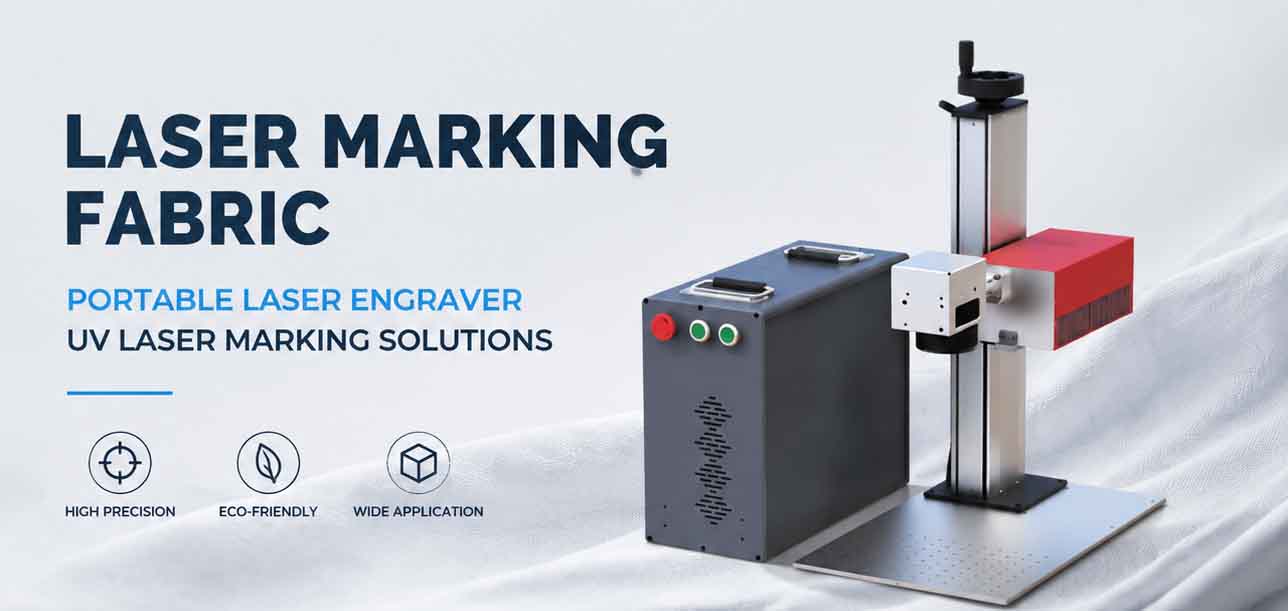
Laser Marking Fabric with Portable Laser Engraver: Advanced UV Laser Marking Solutions for Modern Manufacturing
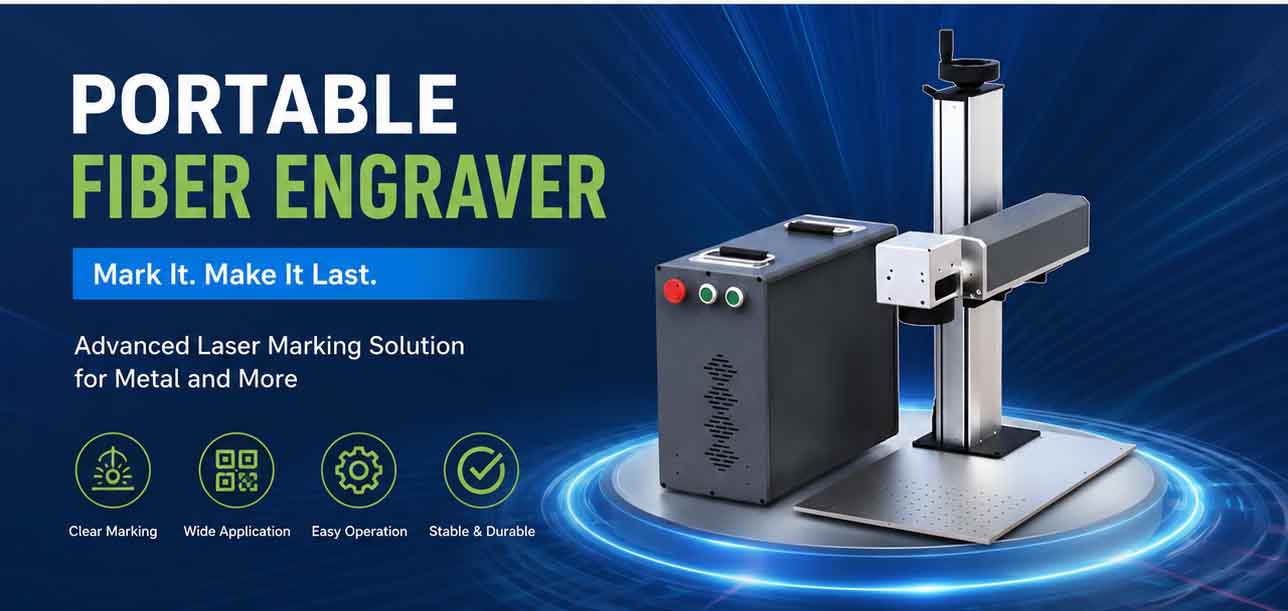
Laser Machine for Marking: The Ultimate Guide to Portable Fiber Engravers & MOPA Color Laser Marking
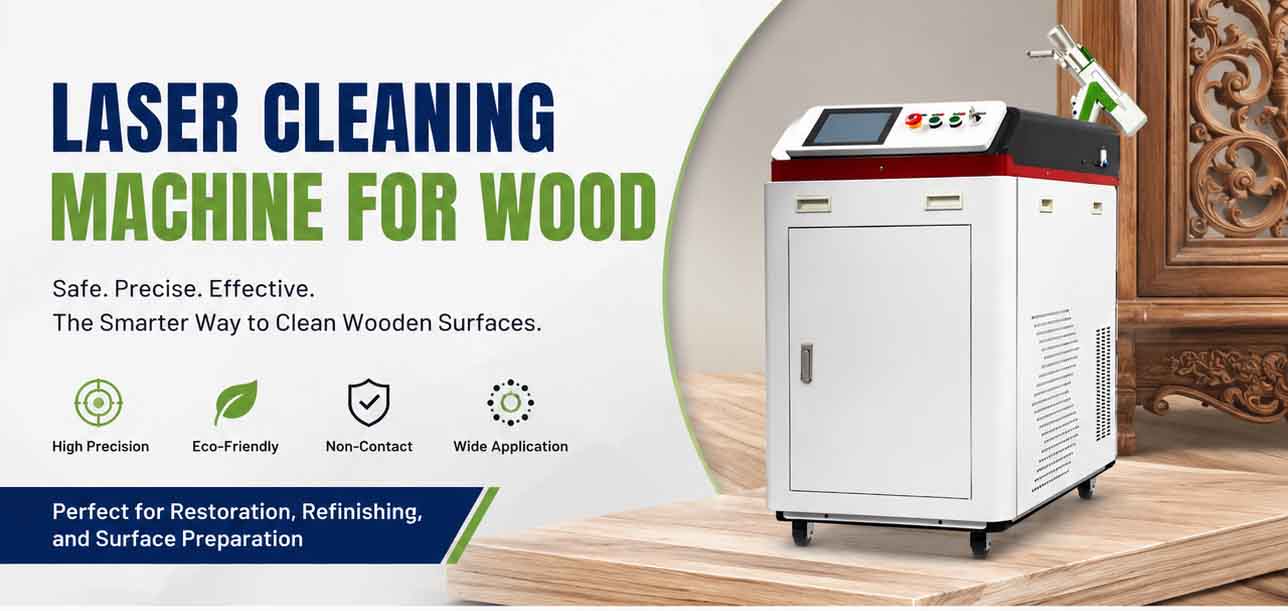
Laser Cleaning Machine for Wood: The Ultimate Guide to Safe, Precise & Eco-Friendly Wood Surface Cleaning