Introduction
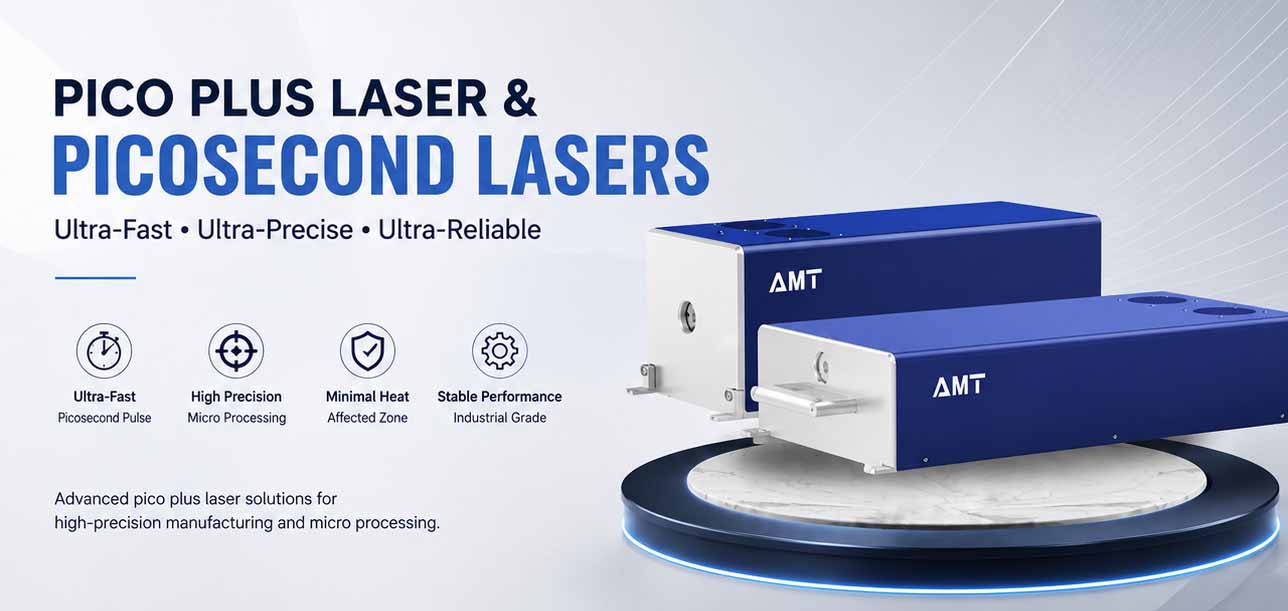
As precision manufacturing continues to evolve, pico plus laser technology and picosecond lasers are becoming increasingly important in industries that require ultra-fine processing, minimal thermal damage, and high-speed production efficiency.
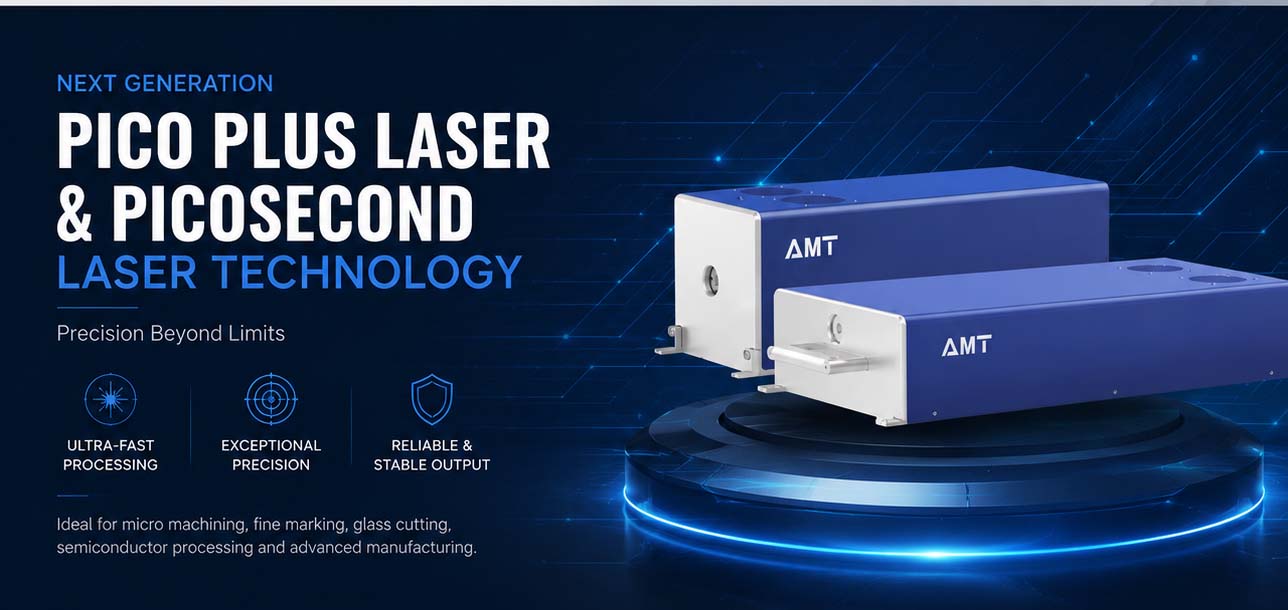
Compared with traditional nanosecond laser systems, picosecond lasers provide significantly shorter pulse durations, enabling cleaner cutting, finer marking, and more accurate micro-processing results. Today, global manufacturers are actively searching for advanced pico plus laser solutions for applications such as semiconductor processing, glass cutting, precision drilling, medical device manufacturing, and high-end electronic component marking.
This article explains how picosecond lasers work, their advantages, key industrial applications, and why pico plus laser technology is becoming one of the fastest-growing segments in the laser industry.
What is a Pico Plus Laser?
A pico plus laser is an advanced ultrafast laser system based on picosecond pulse technology. The pulse duration of picosecond lasers is typically measured in trillionths of a second (10⁻¹² seconds), which allows extremely precise material processing with minimal heat affected zones.
Unlike conventional lasers that rely heavily on thermal energy, pico plus laser systems use ultrashort pulses to remove material rapidly before heat can spread to surrounding areas.
Main Features of Pico Plus Laser Technology
- Ultra-short pulse duration
- High peak power output
- Extremely precise laser processing
- Minimal thermal damage
- High-speed micro machining
- Excellent edge quality
- Suitable for delicate materials
- Stable industrial performance
Because of these advantages, picosecond lasers are widely used in high-precision manufacturing industries worldwide.
How Do Picosecond Lasers Work?
Picosecond lasers generate ultrafast laser pulses that interact with materials in a highly controlled manner. The laser energy is concentrated into extremely short bursts, which reduces heat accumulation during processing.
This process is often called “cold processing” because the surrounding material experiences very little thermal deformation.
Key Working Principles
Ultra-Fast Pulse Emission
Picosecond lasers emit laser pulses in trillionths of a second, enabling precise energy delivery.
High Peak Energy
Although the pulse duration is short, pico plus laser systems achieve very high peak power for efficient material removal.
Reduced Heat Affected Zone
The short interaction time minimizes melting, burning, and carbonization.
High-Precision Beam Control
Modern picosecond lasers are combined with high-speed galvo systems for accurate beam positioning.
Advantages of Pico Plus Laser Technology
Many industrial buyers choose pico plus laser systems because they offer superior processing quality compared with traditional laser equipment.
Minimal Thermal Damage
One of the biggest advantages of picosecond lasers is the extremely small heat affected zone, which protects sensitive materials during processing.
Ultra-High Precision
Pico plus laser systems are ideal for micro-processing applications requiring extremely fine details and high dimensional accuracy.
Cleaner Cutting Results
Compared with conventional lasers, picosecond lasers produce smoother edges and fewer burrs.
Better Material Compatibility
Picosecond lasers can process a wide range of difficult materials including:
- Glass
- Sapphire
- Ceramics
- Silicon wafers
- Stainless steel
- Aluminum
- Titanium
- Carbon fiber
- Plastic films
Higher Production Efficiency
Modern pico plus laser systems support high-speed industrial automation and continuous production environments.
Industrial Applications of Picosecond Lasers
The demand for picosecond lasers continues to increase because manufacturers require higher precision and cleaner processing quality.
Electronics Manufacturing
Pico plus laser systems are widely used for PCB cutting, flexible circuit processing, semiconductor marking, and micro drilling.
Glass Processing
Picosecond lasers are ideal for ultra-thin glass cutting used in smartphones, displays, and optical products.
Medical Device Manufacturing
Medical industries use picosecond lasers for precision machining of surgical instruments and implantable components.
Solar Industry
Pico plus laser technology is commonly used for photovoltaic cell processing and thin-film solar panel manufacturing.
Precision Metal Engraving
Picosecond lasers provide excellent marking quality for luxury goods, electronics, and precision industrial components.
Semiconductor Industry
High-precision wafer dicing and chip processing are important applications of picosecond lasers.
Pico Plus Laser vs Traditional Nanosecond Laser
Many customers compare pico plus laser systems with standard nanosecond laser machines before investing in ultrafast laser technology.
| Feature | Pico Plus Laser | Nanosecond Laser |
|---|---|---|
| Pulse Duration | Picoseconds | Nanoseconds |
| Heat Affected Zone | Extremely Low | Higher |
| Processing Precision | Ultra High | Standard |
| Edge Quality | Cleaner | More Burrs |
| Material Damage | Minimal | More Thermal Stress |
| Suitable for Fragile Materials | Excellent | Limited |
| Processing Speed | High | Medium |
| Micro Processing Ability | Excellent | Moderate |
For industries requiring ultra-fine processing, picosecond lasers provide major performance advantages.
Why More Manufacturers Choose Picosecond Lasers
Global manufacturers are rapidly upgrading production lines with picosecond lasers because product quality requirements continue to rise.
Key Reasons Include
- Increasing demand for miniaturized electronic devices
- Higher precision manufacturing standards
- Growing semiconductor industry
- Need for non-contact cold processing
- Reduced post-processing costs
- Improved automation compatibility
- Better processing consistency
As industrial technology advances, pico plus laser systems are becoming essential tools for high-end manufacturing.
Future Development of Pico Plus Laser Technology
The future of pico plus laser systems looks extremely promising.
Upcoming Industry Trends
- Higher laser power output
- Faster galvo scanning systems
- AI-assisted laser optimization
- Smarter automation integration
- Improved beam stability
- Compact industrial laser designs
- Enhanced precision control software
With continued advancements, picosecond lasers will play an even more important role in future smart manufacturing industries.
How to Choose the Right Picosecond Laser?
Before purchasing a pico plus laser system, buyers should evaluate several important factors.
Laser Power
Different applications require different power levels depending on material thickness and production speed.
Beam Quality
Stable beam quality directly affects precision and processing consistency.
Cooling System
Industrial picosecond lasers may use advanced water cooling systems for long-term stable operation.
Galvo Scanning System
High-speed galvo systems improve overall marking and cutting efficiency.
Software Compatibility
Professional laser control software supports CAD, AI, DXF, PLT, barcode generation, and automation integration.
Technical Support
Reliable after-sales service and application support are extremely important for industrial laser systems.
Conclusion
Pico plus laser technology and picosecond lasers are transforming modern precision manufacturing. Their ultra-short pulse duration, minimal thermal damage, and exceptional processing quality make them ideal for advanced industrial applications.
From semiconductor processing and glass cutting to medical device manufacturing and precision engraving, picosecond lasers provide higher efficiency, cleaner results, and better production consistency compared with traditional laser systems.
As global manufacturing standards continue to improve, pico plus laser solutions will become increasingly important for companies seeking competitive advantages in high-precision industries.
Contact Us: We provide various laser solutions including picosecond lasers, fiber lasers, UV lasers, laser marking machines, laser cleaning systems, laser welding equipment, galvo scanners, laser controllers, and customized industrial laser automation solutions for global customers.
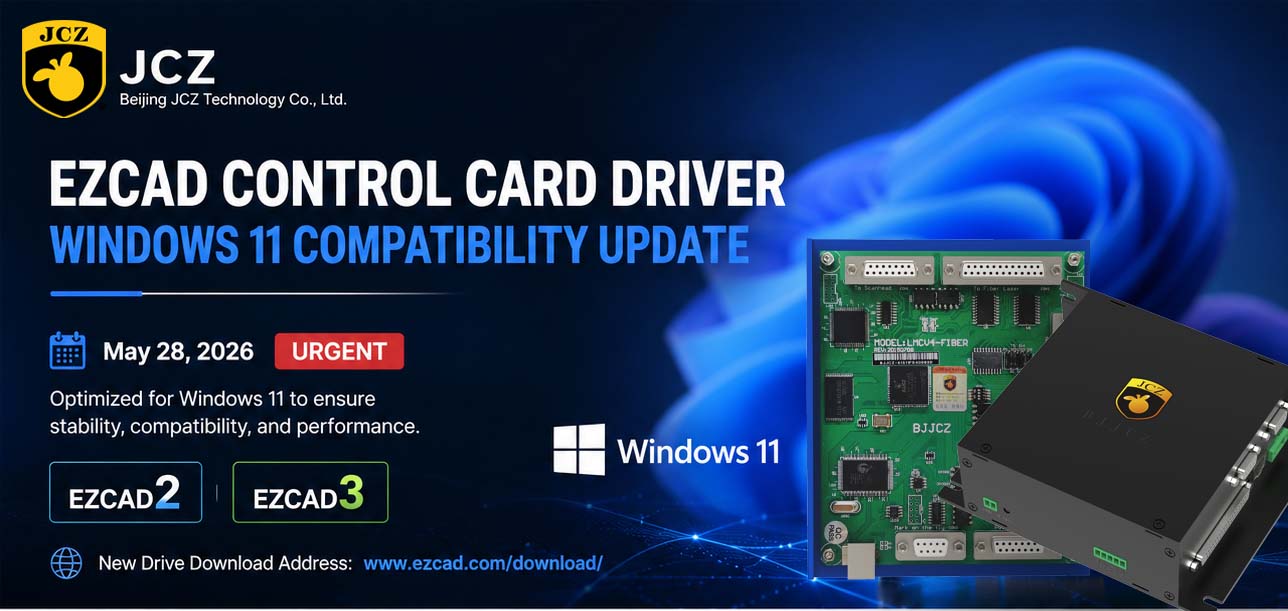
OFFICIAL DRIVER UPDATE NOTICE

Top Factors That Affect Marking Quality in Handheld Fiber Laser Systems

Meet JCZ at Laser World of Photonics India 2026 in Bengaluru
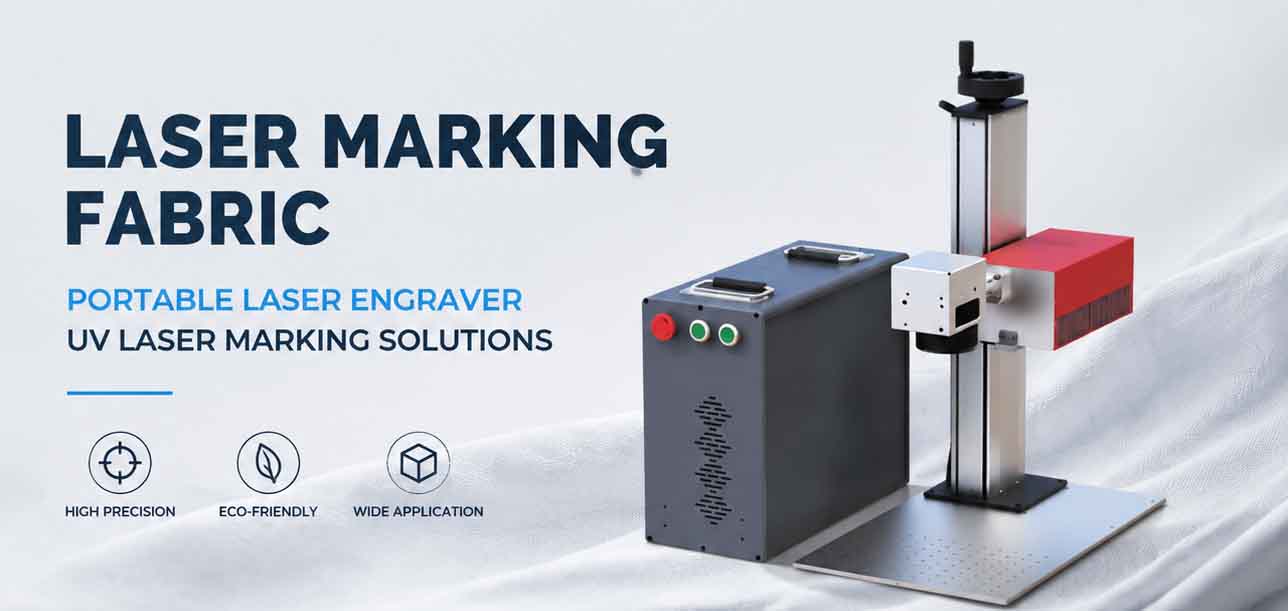
Laser Marking Fabric with Portable Laser Engraver: Advanced UV Laser Marking Solutions for Modern Manufacturing
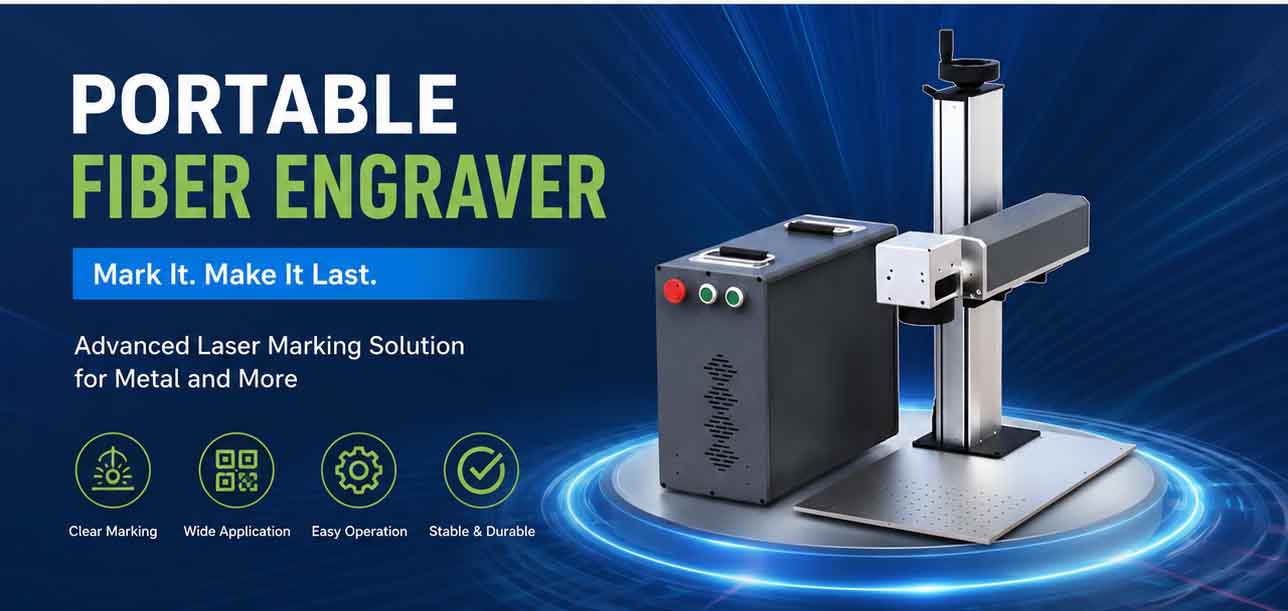
Laser Machine for Marking: The Ultimate Guide to Portable Fiber Engravers & MOPA Color Laser Marking

Laser Cleaning Machine for Wood: The Ultimate Guide to Safe, Precise & Eco-Friendly Wood Surface Cleaning