Introduction to Laser Cleaning Machine Challenges
Laser cleaning machines have become a preferred solution for removing rust, paint, grease, and other contaminants from various surfaces. Compared with traditional cleaning techniques such as sandblasting or chemical stripping, laser cleaning offers advantages like precision, environmental friendliness, and minimal damage to substrates. However, despite these benefits, users often encounter operational and technical challenges during real-world applications.
Understanding the most common problems associated with laser cleaning systems can help operators improve performance, reduce downtime, and extend the lifespan of equipment. These issues typically involve hardware components, environmental factors, operational errors, and maintenance practices. By identifying these challenges early and applying appropriate preventive measures, manufacturers and operators can ensure consistent cleaning results and maintain safe working conditions.
Laser Output Instability
One of the most frequently reported issues in laser cleaning systems is unstable laser output. Consistent beam power is essential for achieving reliable cleaning results, but several factors can cause fluctuations in laser intensity. Thermal drift is a common cause, particularly when internal components such as diodes or fiber modules heat up during extended operation. As temperatures change, the characteristics of these components may shift, leading to inconsistent beam energy.
Power supply instability can also influence laser performance. Voltage fluctuations or poor electrical grounding may interrupt the steady delivery of energy to the laser source. Additionally, optical components such as lenses and mirrors may degrade over time due to contamination or mechanical wear, further contributing to unstable output.
When laser power varies unexpectedly, cleaning performance becomes inconsistent. Excessive power may damage delicate surfaces by causing discoloration, melting, or micro-cracks. Insufficient power, on the other hand, may fail to remove rust, oxide layers, or coatings completely, resulting in uneven or incomplete cleaning.
Overheating and Cooling System Failures
Laser cleaning machines generate significant heat during operation, especially when running at high power levels or for long periods. Without an effective cooling system, internal components can quickly overheat. Overheating not only affects performance but also accelerates component degradation and increases the risk of system shutdown.
Typical signs of overheating include reduced cleaning efficiency, unstable beam quality, unexpected automatic shutdowns, or warning messages from the control interface. Cooling fans may run continuously, or the machine may struggle to maintain a stable operating temperature.
Cooling failures are often caused by clogged radiators, insufficient coolant levels, malfunctioning pumps, or poor airflow within the machine. Regular inspection of the cooling system—including filters, coolant circulation, and ventilation—can significantly reduce the risk of overheating and extend the lifespan of critical components.
Fiber Cable Damage and Transmission Loss
Fiber optic cables play a vital role in delivering laser energy from the source to the cleaning head. Because these cables are frequently moved, bent, or exposed to mechanical stress, they are particularly vulnerable to damage. Over time, repeated bending or twisting can create microscopic fractures within the fiber core, disrupting the transmission of laser energy.
External wear is another concern. When protective sheathing deteriorates, the internal fibers become exposed to moisture, dust, or mechanical impact. These factors may cause power loss, unstable beam delivery, or complete system failure.
To prevent fiber cable damage, operators should avoid sharp bends, excessive twisting, or dragging cables across rough surfaces. Proper storage and protective routing of fiber lines are essential for maintaining stable laser transmission.
Incorrect Parameter Settings
Laser cleaning effectiveness depends heavily on the correct selection of operating parameters. Important variables include laser power, pulse frequency, scanning speed, and focal distance. If these parameters are not properly adjusted for the material being cleaned, the results may be unsatisfactory.
For example, low power levels or excessively fast scanning speeds may leave contaminants partially intact. Conversely, excessive power or slow scanning may cause overheating or surface damage. Improper focal distance can also reduce energy density on the target surface, making the cleaning process inefficient.
Many users rely on default factory settings instead of optimizing parameters for specific materials or contamination types. Proper parameter calibration is therefore essential to achieve efficient and safe cleaning performance.
Contaminated or Misaligned Optical Components
The optical system of a laser cleaning machine includes lenses, mirrors, and protective windows that guide and focus the laser beam. These components must remain clean and properly aligned to maintain optimal performance. However, during operation, fumes, dust, and debris generated by the cleaning process can accumulate on optical surfaces.
Even a thin layer of contamination can scatter or absorb laser energy, significantly reducing beam efficiency. Over time, accumulated debris may cause localized heating that damages optical coatings or burns the lens surface.
Routine inspection and careful cleaning of optical components are therefore essential maintenance procedures. Keeping optics free from contamination ensures stable beam quality and consistent cleaning results.
Galvanometer Scanning Errors
Many laser cleaning machines rely on galvanometer scanners to direct the laser beam across the target surface. These systems use high-speed mirrors to control beam positioning with precision. However, mechanical wear, vibration, or electrical interference can disrupt galvanometer stability.
When the scanning system becomes misaligned or unstable, the laser beam may move unpredictably across the surface. This can result in uneven cleaning patterns, uncleaned streaks, or excessive heating in certain areas. In severe cases, galvanometer instability may damage sensitive materials or reduce the accuracy of precision cleaning tasks.
Regular calibration and proper installation on vibration-free platforms can help maintain scanning accuracy and prevent beam positioning errors.
Fume Extraction and Airflow Problems
Laser cleaning works by vaporizing contaminants, which produces smoke, fine particles, and chemical fumes. Without an effective fume extraction system, these by-products can accumulate in the work area and interfere with machine performance.
Poor smoke removal may contaminate optical components, reduce operator visibility, and pose potential health risks. Filters within the extraction system can also become clogged over time, reducing airflow efficiency.
Maintaining proper ventilation and regularly replacing filters are critical for protecting both operators and equipment. A well-designed fume extraction system improves cleaning consistency and ensures a safer working environment.
Software and Control System Errors
Modern laser cleaning machines rely heavily on digital control systems and specialized software. These systems manage parameters such as beam power, scanning patterns, and safety interlocks. Software errors, firmware mismatches, or corrupted configuration files can therefore disrupt machine operation.
Typical symptoms include unexpected shutdowns, frozen control interfaces, incorrect parameter readings, or inconsistent scanning behavior. These issues may result from incomplete software updates, power interruptions during system writes, or incompatible firmware versions.
Regular system updates and proper backup of configuration files are recommended to minimize software-related failures.
Environmental Factors Affecting Performance
Environmental conditions can significantly influence the reliability of laser cleaning equipment. Temperature fluctuations, excessive humidity, dust, and vibration may all interfere with machine stability.
High humidity can lead to condensation on optical components, which distorts the laser beam and may cause electrical faults. Dust accumulation can block cooling vents, contaminate lenses, and reduce overall efficiency. Vibrations from nearby machinery can disturb the alignment of sensitive optical components.
Maintaining a controlled environment with stable temperature, low humidity, and proper air filtration helps protect the machine and ensures consistent cleaning performance.
Rust Reappearing After Cleaning
Another common issue encountered after laser cleaning is the rapid reappearance of rust on freshly cleaned metal surfaces. This phenomenon occurs because the laser process removes existing oxide layers but does not inherently protect the metal from future oxidation.
When bare metal is exposed to air and moisture, oxidation can begin again within hours or days. This may give the impression that the cleaning process was ineffective, even though the root cause is environmental exposure rather than machine performance.
Applying protective coatings, anti-corrosion treatments, or controlled storage conditions after cleaning can help prevent rapid re-oxidation.
Operator Errors and Lack of Training
Although laser cleaning machines are highly advanced, their effectiveness still depends on the knowledge and experience of the operator. Inexperienced users may set incorrect parameters, maintain improper working distances, or move handheld cleaning heads inconsistently.
These mistakes can lead to uneven cleaning patterns, surface damage, or reduced efficiency. Furthermore, operators who neglect maintenance routines—such as cleaning lenses or inspecting cooling systems—may unknowingly degrade machine performance over time.
Proper training in laser safety, parameter optimization, and equipment maintenance is essential for maximizing productivity and avoiding costly mistakes.
Conclusion
Laser cleaning machines provide an innovative and environmentally friendly approach to surface treatment, but they are not entirely free from operational challenges. Common issues include unstable laser output, overheating, fiber cable damage, incorrect parameter settings, optical contamination, and software errors. Environmental factors and operator mistakes can also influence cleaning efficiency and equipment reliability.
By understanding these potential problems and implementing preventive maintenance strategies, users can significantly improve system stability and cleaning quality. Proper training, regular inspections, and controlled operating environments are key factors in ensuring that laser cleaning machines deliver consistent performance and long-term value.

Invitation | JCZ Technology Invites You to LASER World of PHOTONICS CHINA 2026
Laser Cleaning Machine Troubleshooting Guide
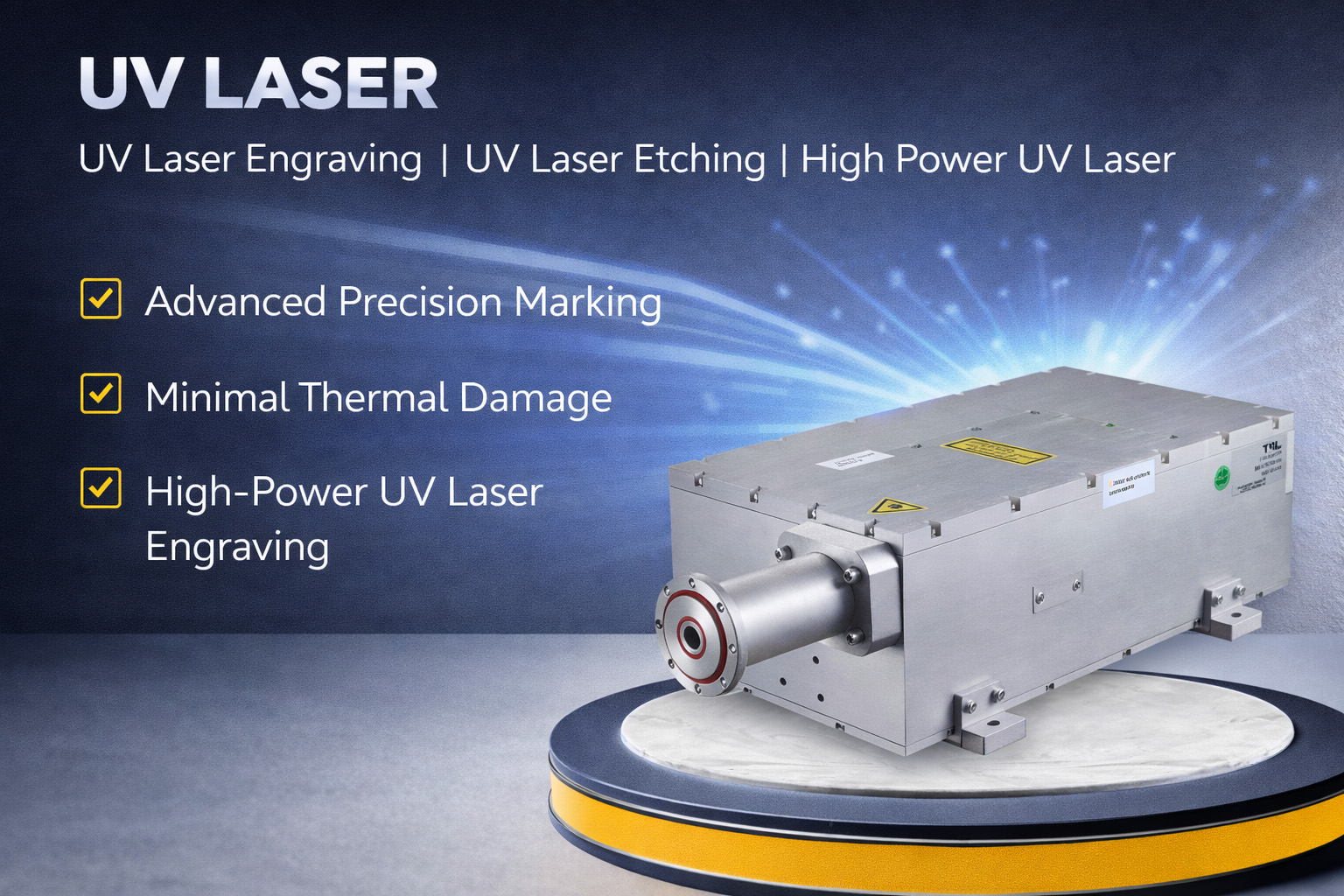
UV Laser: High-Precision Solution for Industrial Micro Marking
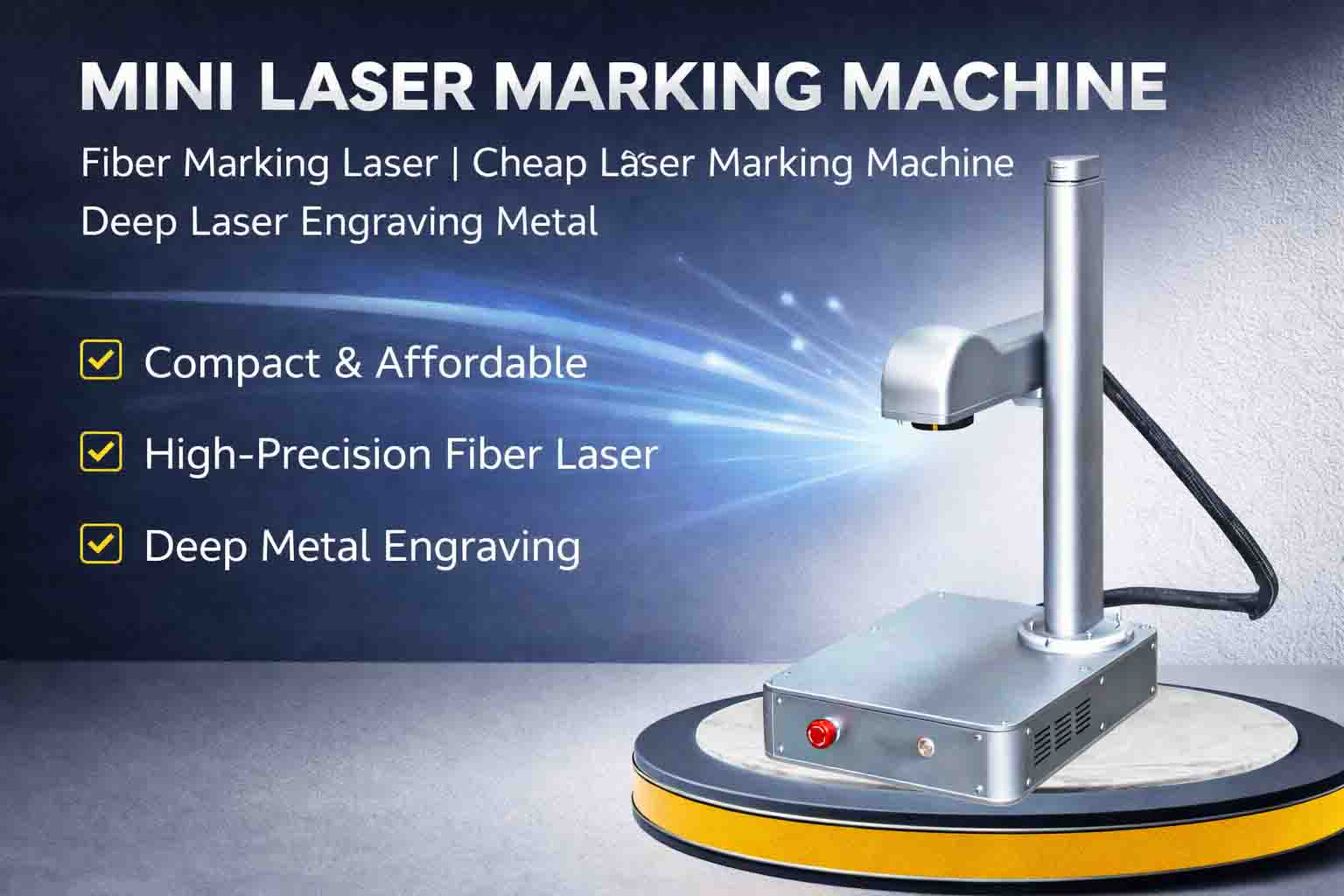
Mini Laser Marking Machine: Compact Solution for High-Precision Metal Marking
Laser Rust Cleaner: The Future of Industrial Surface Cleaning
Pulsed Laser vs Pulsed Fiber Laser: Applications, Advantages and Industrial Solutions