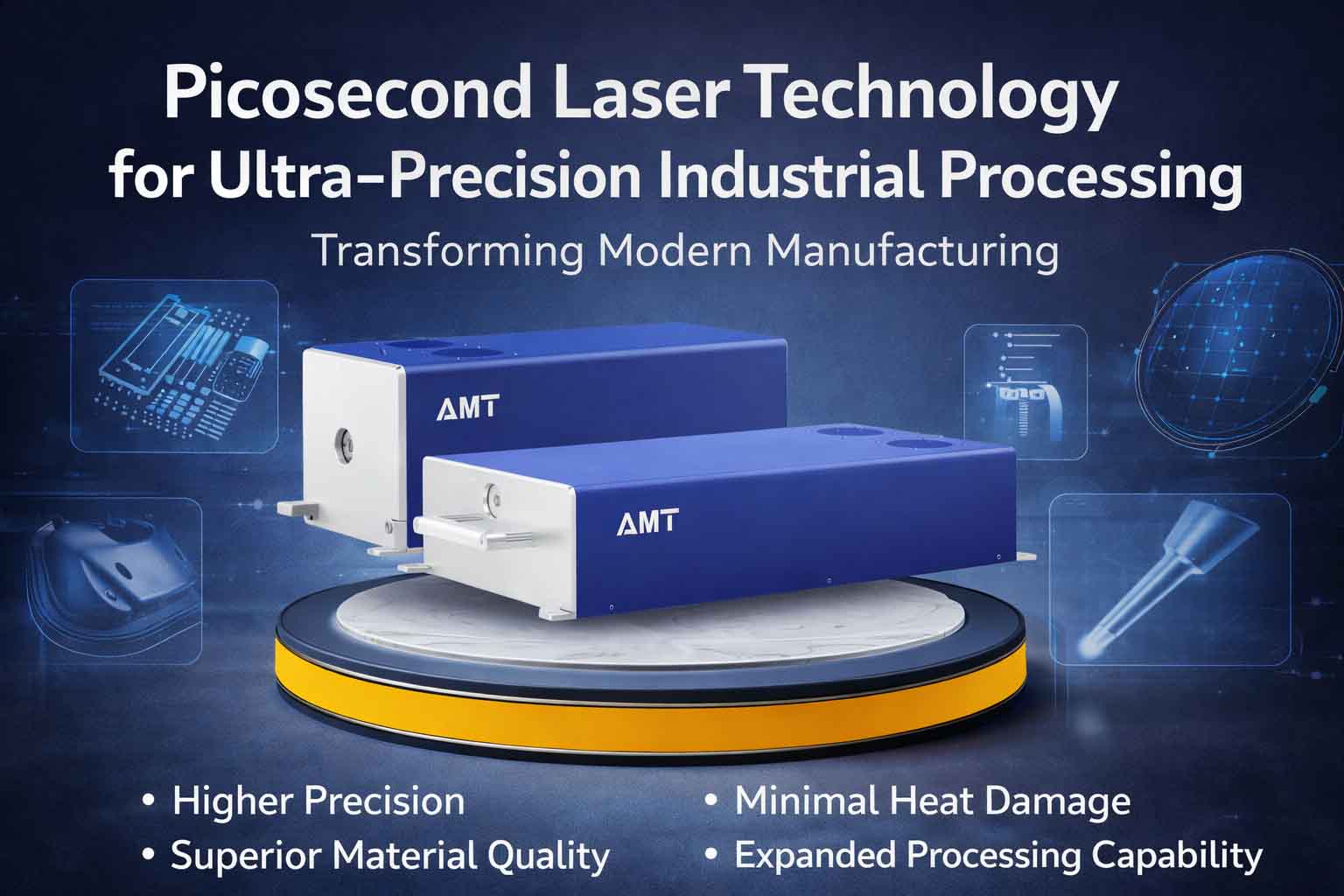
Why Picosecond Laser Technology Is Transforming Modern Manufacturing
A picosecond laser has become one of the most advanced solutions for ultra-fine industrial processing because it delivers extremely short pulse durations with minimal thermal impact. Compared with traditional nanosecond systems, picosecond pulse technology significantly reduces heat-affected zones, making it ideal for high-precision applications where material integrity is critical.
The core advantage of a picosecond laser lies in its ability to process delicate materials with exceptional edge quality, high repeatability, and reduced micro-cracking. Industries such as electronics, semiconductor manufacturing, glass processing, medical device production, and precision hardware increasingly rely on this technology for advanced manufacturing.
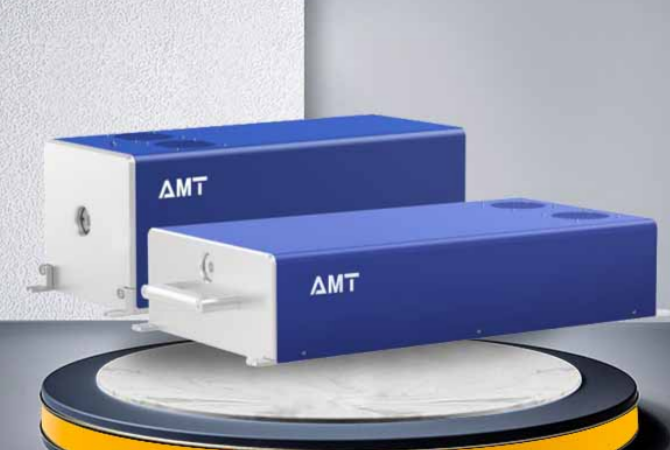
Understanding Pico Laser 1064 nm for Industrial Applications
A pico laser 1064 nm is widely used because the 1064 nm wavelength offers excellent absorption performance on metals, ceramics, engineering plastics, and coated materials.
Typical industrial applications include:
- Metal black marking
- Fine drilling
- Precision cutting
- Surface texturing
- Micro engraving
- Thin film removal
Compared with conventional infrared laser systems, a pico laser 1064 nm can create cleaner edges and finer details while reducing thermal deformation.
This makes it highly suitable for:
- Stainless steel marking
- PCB precision processing
- Ceramic drilling
- Glass surface treatment
- Semiconductor wafer applications
What Makes a Picosecond Different from Traditional Lasers
The term a picosecond refers to one trillionth of a second (10⁻¹² seconds). In laser processing, pulse duration directly affects material interaction.
Because a picosecond pulse is extremely short, the laser energy is delivered faster than heat can spread into surrounding material. This creates a “cold processing” effect, reducing burning, melting, and material damage.
Key benefits include:
- Minimal heat affected zone
- Higher edge quality
- Reduced recast layer
- Better microstructure preservation
Why Global Buyers Prefer Picosecond Laser Systems
International buyers increasingly choose picosecond laser solutions because they provide high-value processing capability for premium products.
Main reasons include:
- Higher precision than nanosecond lasers
- Better performance on fragile materials
- Stable long-term operation
- Advanced compatibility with automation systems
For manufacturers serving electronics, medical devices, and luxury components, picosecond technology often becomes a strategic production upgrade.
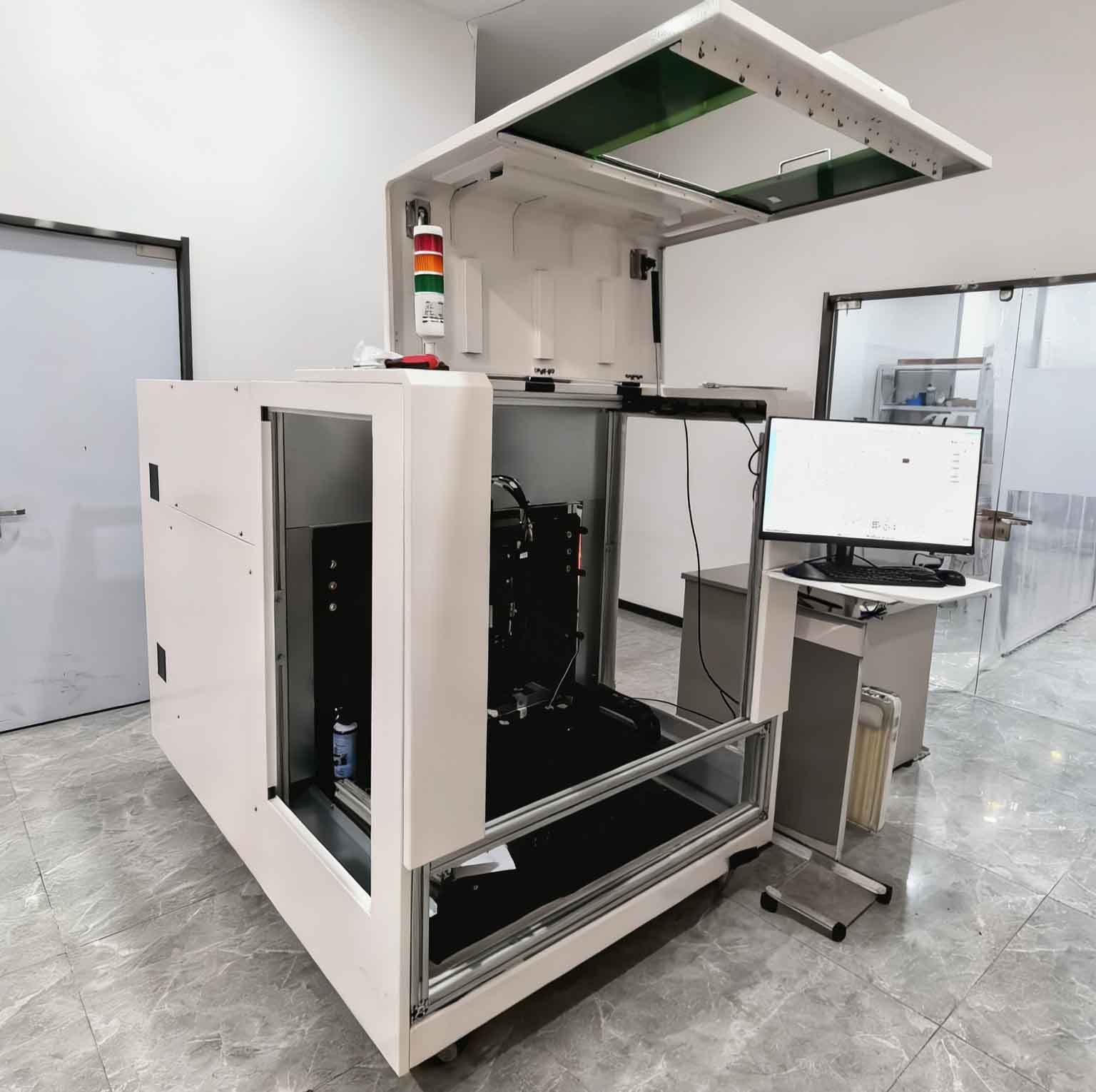
Typical Industries Using Pico Laser 1064 nm
Electronics Manufacturing
Fine PCB marking, chip processing, precision circuit cutting.
Medical Devices
Stainless steel surgical marking, implant coding, micro-hole drilling.
Glass Processing
Mobile phone glass, display panels, optical glass.
Semiconductor Industry
Wafer cutting, thin film removal, micro patterning.
Precision Hardware
Micro engraving, black marking, ultra-fine texture creation.
How to Select the Right Picosecond Laser Supplier
When choosing a supplier, overseas buyers usually focus on:
- Laser source stability
- Pulse width adjustment range
- Galvo scanning precision
- Software compatibility
- After-sales engineering support
A reliable supplier should also provide technical application guidance for different materials.
Why Picosecond Laser Is a Long-Term Investment
Although initial investment is higher than standard fiber lasers, picosecond laser systems often deliver stronger long-term returns in advanced manufacturing because they reduce defective rates and improve premium product quality.
For high-end production lines, the efficiency advantage becomes increasingly important.
Request Professional Picosecond Laser Solutions
If you are looking for industrial-grade picosecond laser, advanced pico laser 1064 nm, or customized ultra-fast laser processing solutions, selecting an experienced supplier ensures stable quality and long-term technical support.
A professional system helps manufacturers achieve:
- Higher precision
- Better product consistency
- Lower thermal damage
- Expanded processing capability
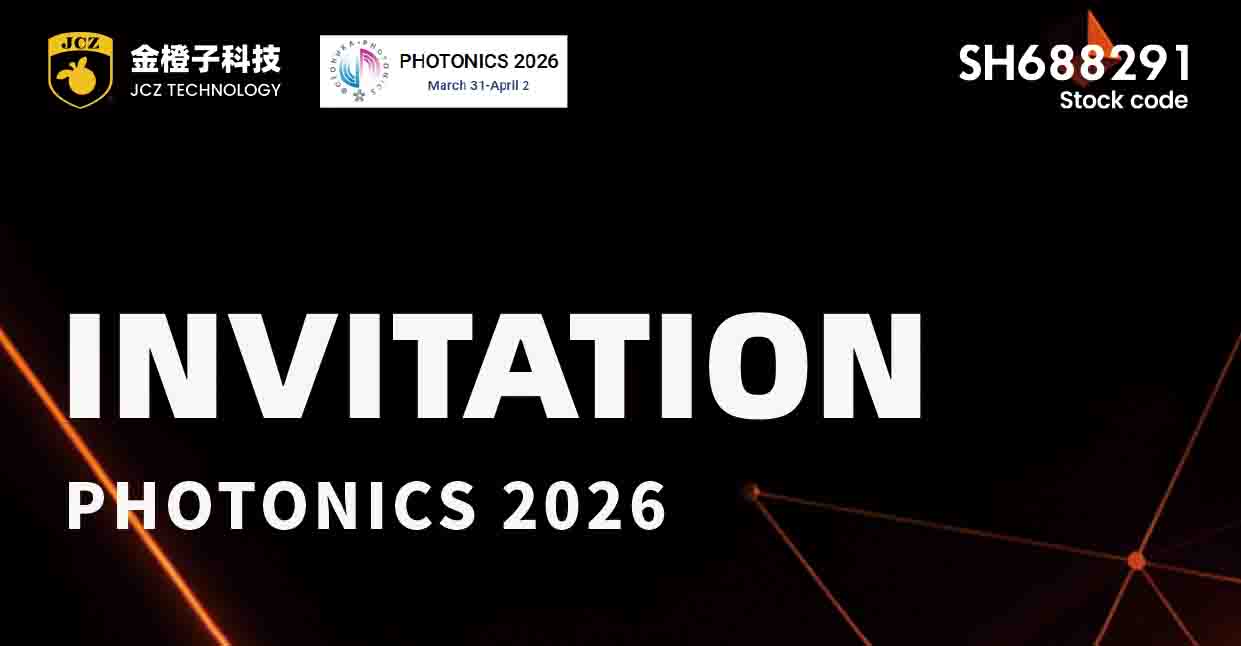
JCZ Invites You to Photonics 2026 in Moscow
Picosecond Laser for Ultra-Precision Industrial Processing
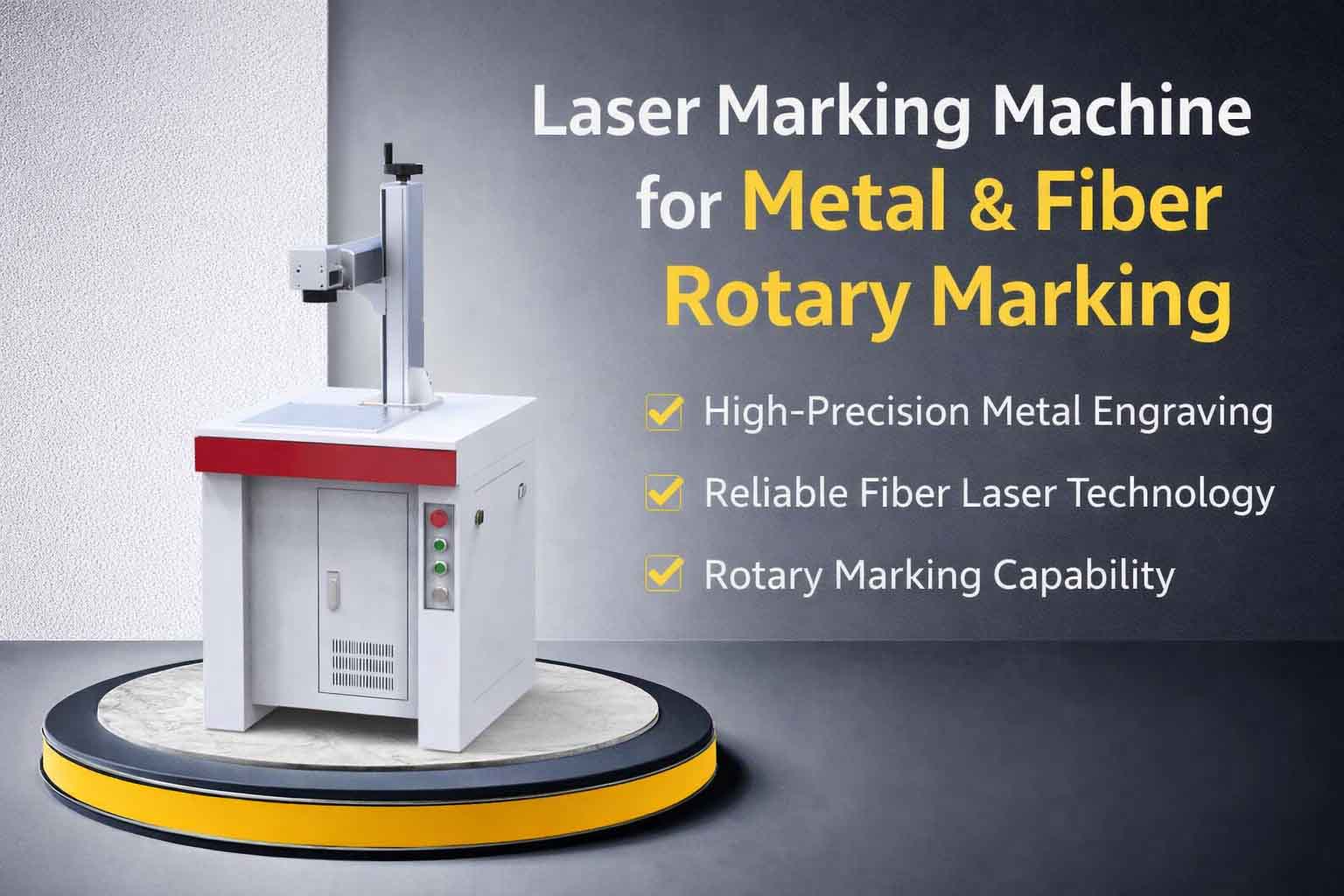
Best Fiber Laser Marking Machine for Metal
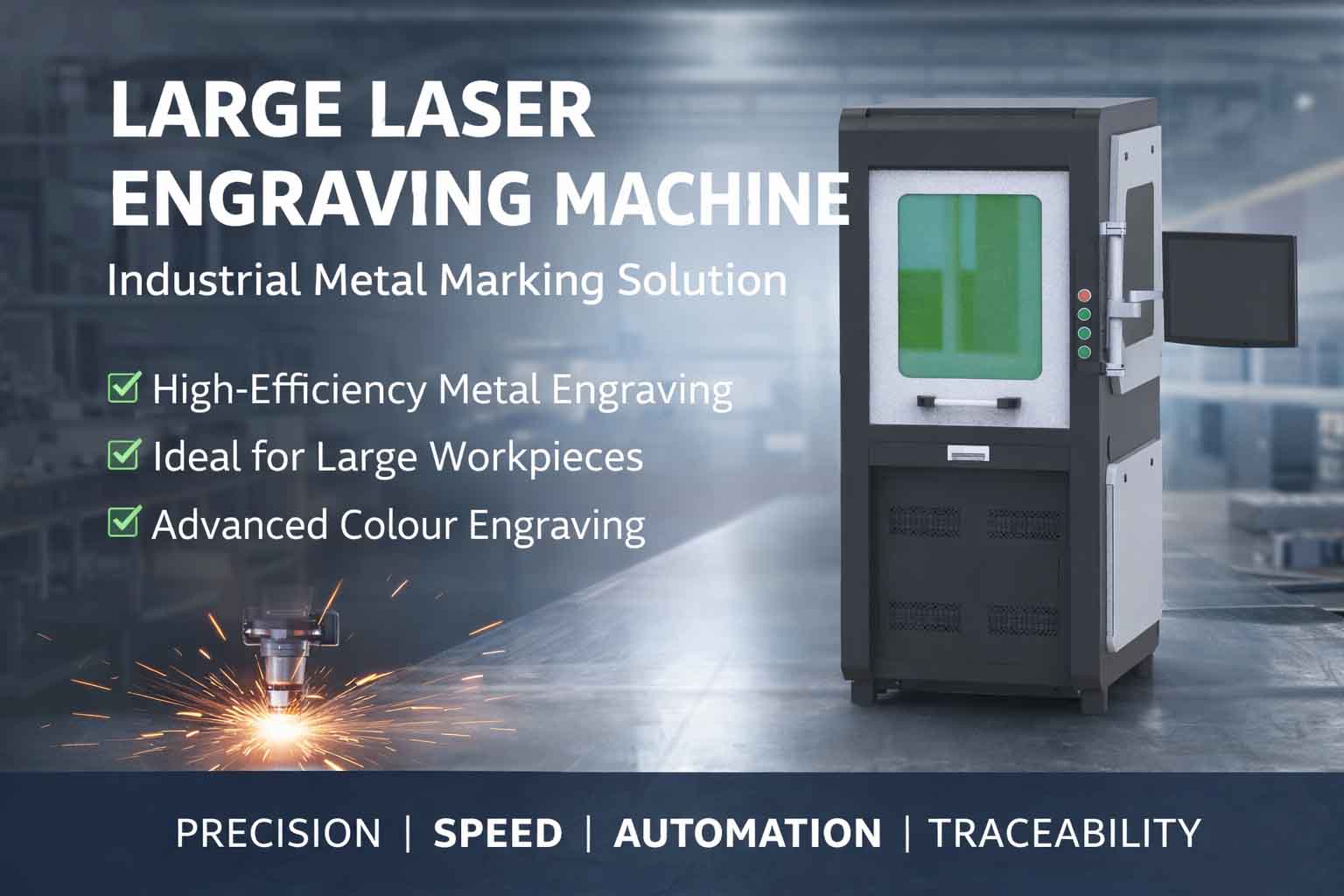
Large Laser Engraving Machine for Industrial Metal Marking and High-Volume Production

Laser Cleaning Solutions for Industrial Surface Preparation and Paint Removal
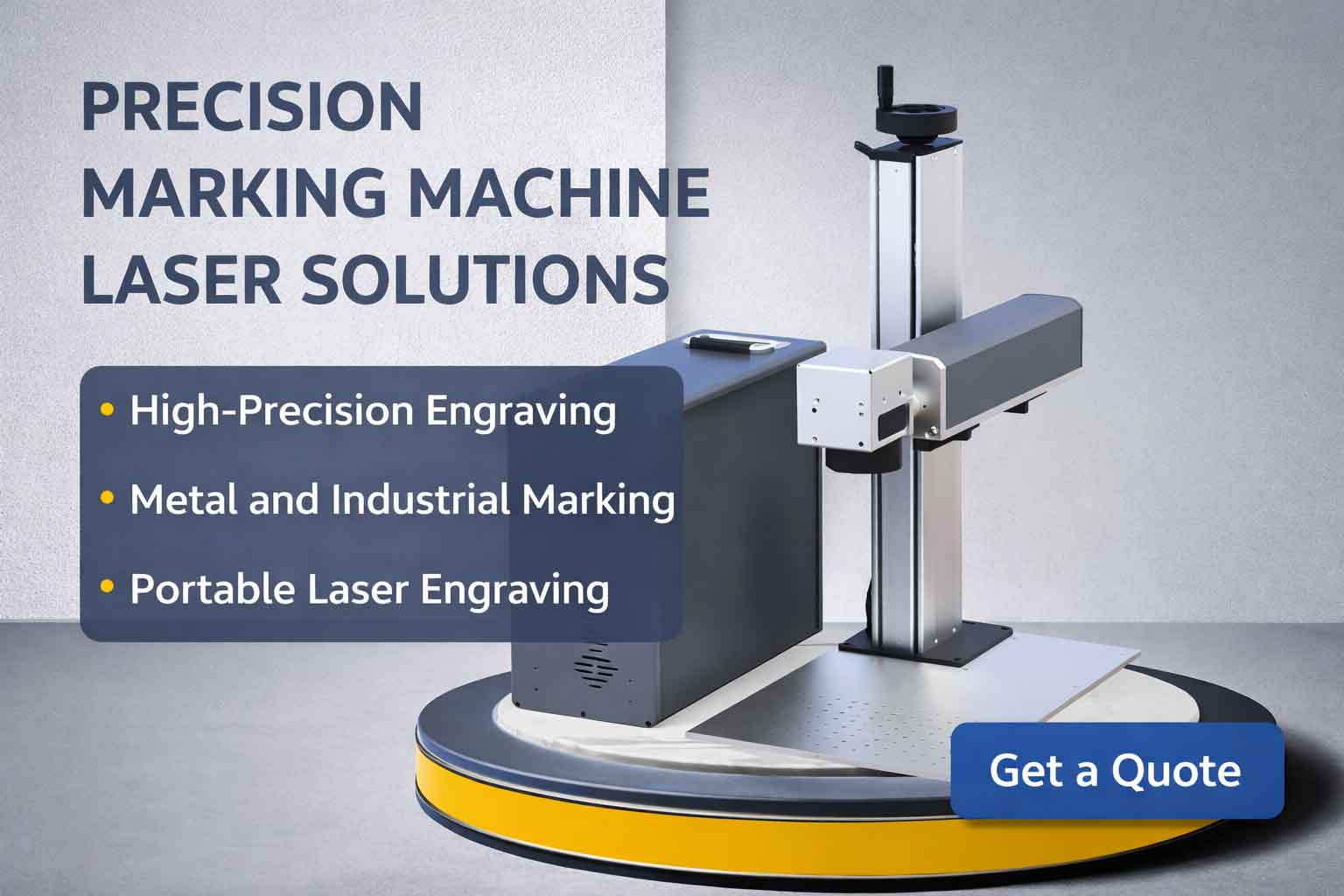
Marking Machine Laser Solutions for Precision Industrial Engraving