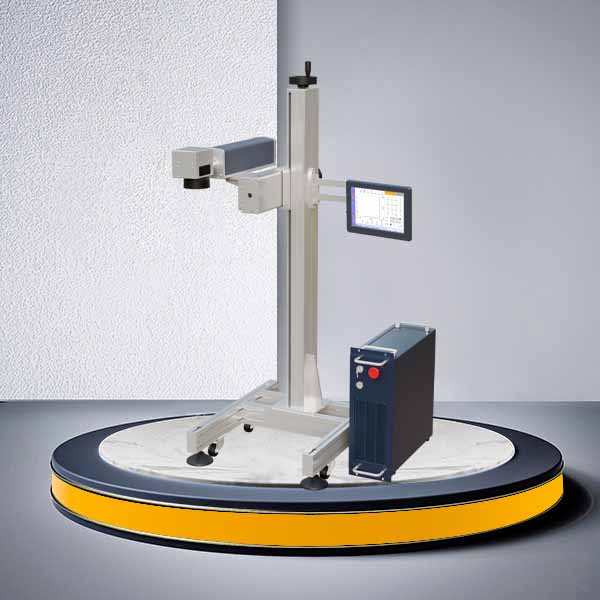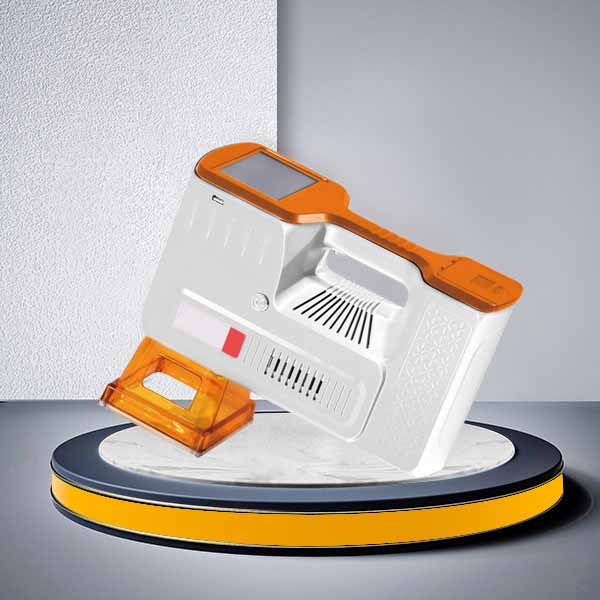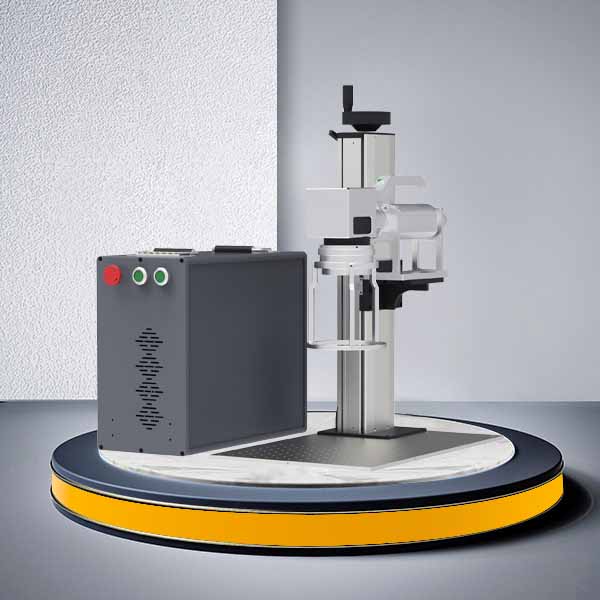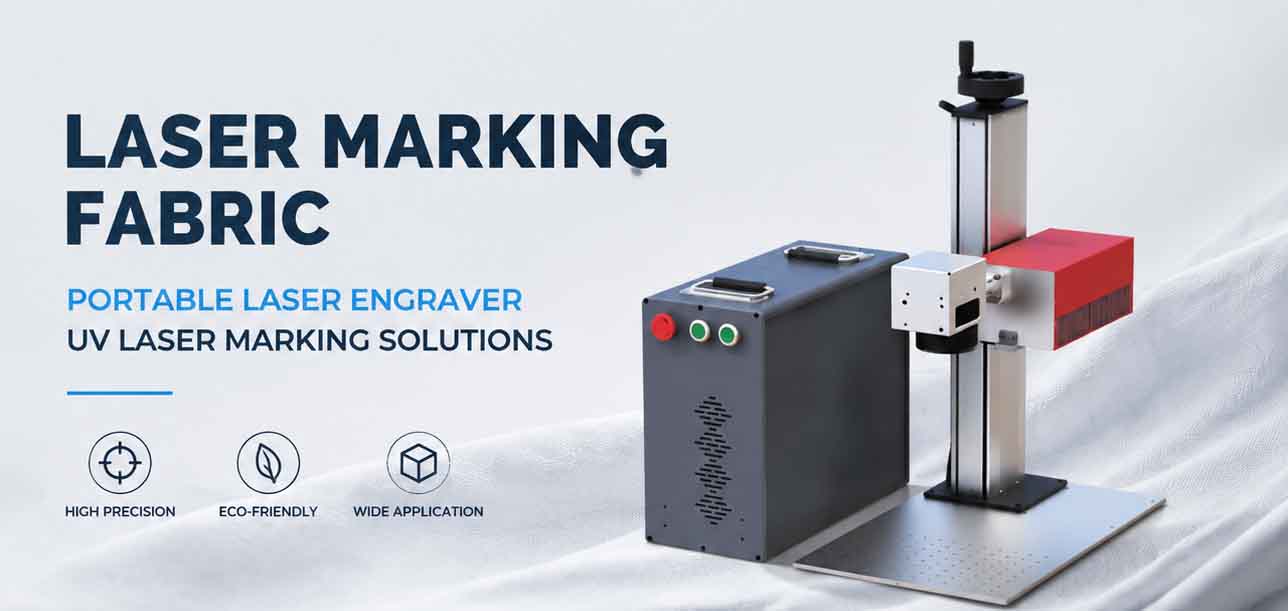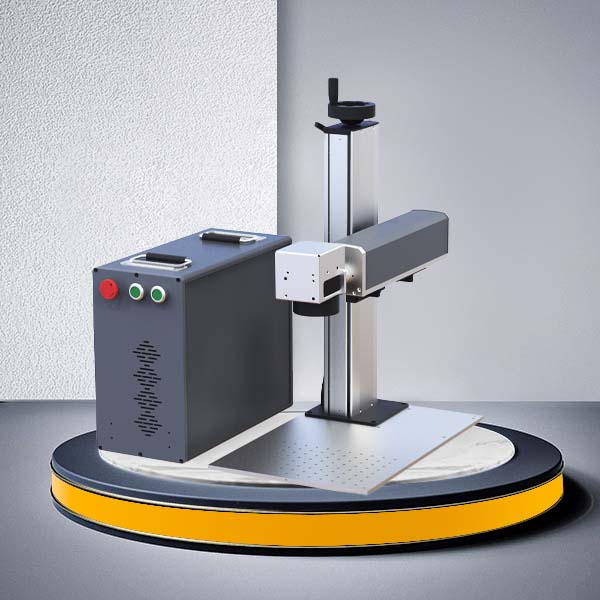


Portable Handheld Fiber Laser Marking Machine
| Q Switched Fiber Laser Marker-(20-50W) PF-QS SERIES | |||
| Model | PF-QS20 | PF-QS30 | PF-QB50 |
| Laser Generator | |||
| Laser Power(W) | 20W | 30W | 50W |
| Frequency(kHz) | 30-60kHz | 30-60kHz | 50-100kHz |
| Pulsed Width(ns) | 130ns | 130ns | 130ns |
| Control System | |||
| Software | EZCAD2.14.11-LITE | ||
| Controller | FBLI-B-LV4 | ||
| Scanning System | |||
| Max. Marking Speed(mm/s) | 6000mm/s (12000mm/s optional) | ||
| Max. Marking Size (mm) | 160*160mm(70*70, 100*100,200*200,300*300mm optional) | ||
| Others | |||
| Power Supply | 110V/220V Optional | ||
| Cable Length | 3M (4/5M Optional) | ||
| Adjustable Z Lift Travel | 500mm(700mm Optional) | ||
| Cooling Method | Air Cooling | ||
| MOPA Fiber Laser Marker-(20-50W) PF-ELP SERIES | |||
| Model | PF-ELP20 | PF-ELP30 | PF-ELP50 |
| Laser Generator | |||
| Laser Power(W) | 20W | 30W | 50W |
| Frequency(kHz) | 1-600kHz | 1-600kHz | 1-600kHz |
| Pulsed Width(ns) | 200ns | 200ns | 200ns |
| Control System | |||
| Software | EZCAD2.14.11-LITE | ||
| Controller | FBLI-B-LV4 | ||
| Scanning System | |||
| Max. Marking Speed(mm/s) | 6000mm/s (12000mm/s optional) | ||
| Max. Marking Size (mm) | 160*160mm (70*70, 100*100,200*200,300*300mm optional) | ||
| Others | |||
| Power Supply | 110V/220V Optional | ||
| Cable Length | 2M (3/4/5M Optional) | ||
| Adjustable Z Lift Travel | 500mm(700mm Optional) | ||
| Cooling Method | Air Cooling | ||
| MOPA Fiber Laser Marker-(20-100W) PF-EM7 SERIES | |||||
| Model | PF-EM720 | PF-EM730 | PF-EM760 | PF-EM780 | PF-EM7100 |
| Laser Source | |||||
| Laser Power(W) | 20W | 30W | 60W | 80W | 100W |
| Frequency(kHz) | 1-4000kHz | 1-4000kHz | 1-4000kHz | 1-4000kHz | 1-4000kHz |
| Pulsed Width(ns) | 2-350ns | 2-350ns | 2-500ns | 2-500ns | 2-500ns |
| Control System | |||||
| Software | EZCAD2.14.11-LITE | ||||
| Controller | FBLI-B-LV4 | ||||
| Scanning System | |||||
| Max. Marking Speed(mm/s) | 6000mm/s (12000mm/s optional) | ||||
| Max. Marking Size (mm) | 160*160mm (70*70, 100*100,200*200,300*300mm optional) | ||||
| Others | |||||
| Power Supply | 110V/220V Optional | ||||
| Cable Length | 2M (3/4/5M Optional) | 3M(4/5M Optional) | |||
| Adjustable Z Lift Travel | 500mm(700mm Optional) | ||||
| Cooling Method | Air Cooling | ||||
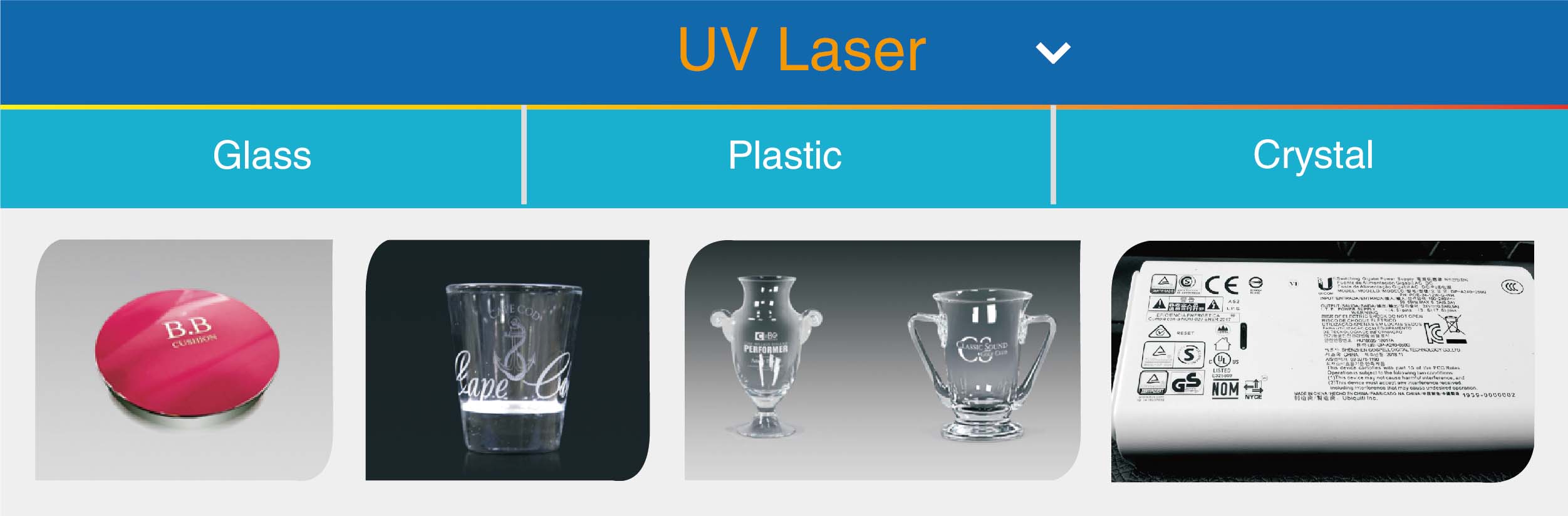
UV Laser Handheld Marking Machine
| UV Laser Marker-(3-10W) | |||
| Model | PU-L3A | PU-L5A | PU-S10 |
| Laser Generator | |||
| Laser Power(W) | 3W | 5W | 10W |
| Frequency(kHz) | 20-200kHz | 20-150kHz | 40-300kHz |
| Pulsed Width(ns) | 18ns | 18ns | 15ns |
| Control System | |||
| Software | EZCAD2 | ||
| Controller | SZLI-B-V4 | ||
| Scanning System | |||
| Max. Marking Speed(mm/s) | 6000mm/s (12000mm/s optional) | ||
| Max. Marking Size (mm) | 160*160mm (70*70, 100*100,200*200,300*300mm optional) | ||
| Others | |||
| Power Supply | 110V/220V Optional | ||
| Adjustable Z Lift Travel | 500mm(700mm Optional) | ||
| Cooling Method | Air Cooling | Water Cooling | |
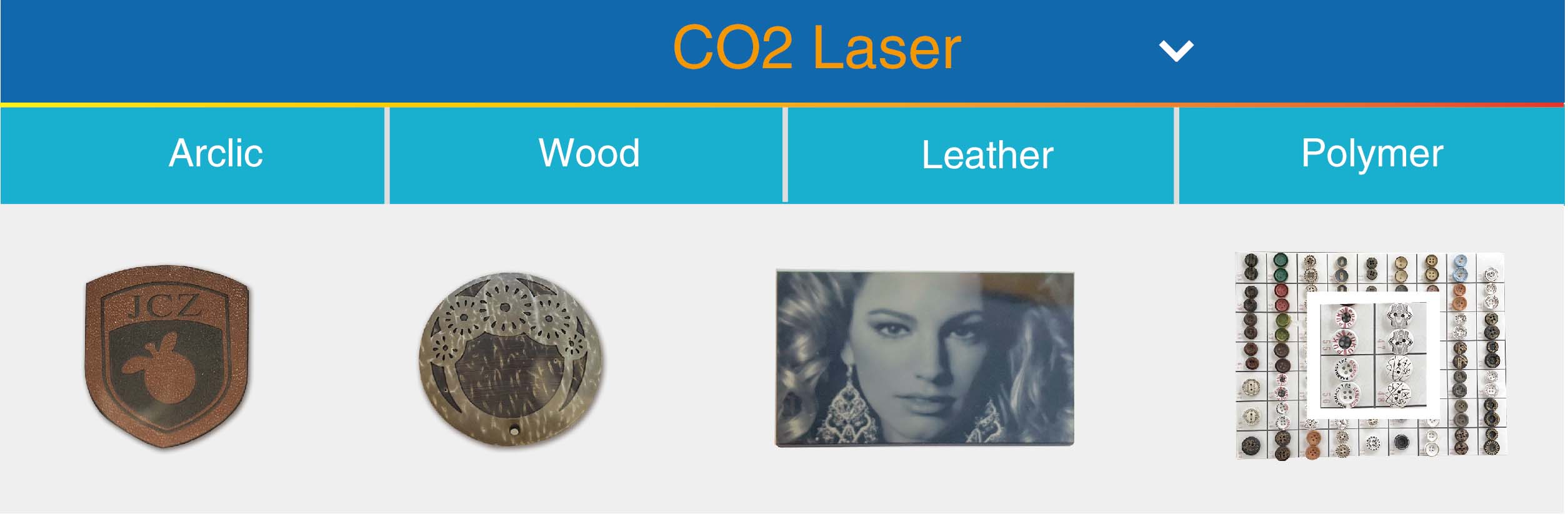
CO2 Laser Handheld Marking Machine
| CO2 Laser Marker-(30-50W) | |||
| Model | PC-D30 | PC-D50 | |
| Laser Generator | |||
| Laser Power(W) | 30W | 50W | |
| Frequency(kHz) | 0-25kHz | 0-25kHz | |
| Control System | |||
| Software | EZCAD2.14.11 | ||
| Controller | SZLI-B-V4 | ||
| Scanning System | |||
| Max. Marking Speed(mm/s) | 6000mm/s (12000mm/s optional) | ||
| Max. Marking Size (mm) | 160*160mm (70*70, 100*100,200*200,300*300mm optional) | ||
| Others | |||
| Power Supply | 110V/220V Optional | ||
| Cable Length | 3M (4/5M Optional) | ||
| Adjustable Z Lift Travel | 500mm(700mm Optional) | ||
| Cooling Method | Air Cooling | ||
Portable Laser Marking Machine for On-Site Industrial Marking
The portable laser marking machine is designed for high-precision engraving and permanent marking on a wide range of materials. Its compact structure and lightweight design make it ideal for both workshop and on-site industrial applications.
Equipped with a high-performance fiber laser source, this system provides fast, accurate, and permanent markings for industrial components, tools, and equipment identification.
The portable design allows operators to easily carry the machine to different work locations, making it a flexible solution for manufacturers requiring mobile laser marking capabilities.
Why Choose a Portable Laser Marking Machine?
A portable system is most useful when the part is harder to move than the marking equipment.
This is common with machinery frames, molds, castings, vehicle components, steel structures, assembled equipment and other large or fixed workpieces. Portable industrial laser systems from other established marking suppliers are positioned around the same requirement: moving the marking head or system to bulky and difficult-to-access parts rather than repeatedly moving the parts themselves.
Compared with a fixed tabletop station, a JCZ portable configuration gives you more flexibility to organize marking around your actual production or maintenance workflow.
Typical marking requirements include permanent part identification, product traceability, serial numbers, batch codes, QR/Data Matrix codes, logos, equipment labels and maintenance identification.
High-Power Picosecond Laser Source – IR, Green & UV
JCZ high-power picosecond laser sources are designed for industrial micromachining systems that require short pulse duration, high average power and controlled pulse energy with reduced thermal impact.
The series covers 1064 nm infrared, 532 nm green and 355 nm ultraviolet configurations. Published models range up to 500 W in IR, 200 W in green and 100 W in UV, with model-dependent repetition rates up to 6 MHz, burst operation and external trigger control.
Selecting a picosecond laser should start with the material and process requirement—not maximum average power alone.
Choose the Wavelength Before Choosing Power
| Wavelength | Published Power Range | Recommended Starting Point |
|---|---|---|
| 1064 nm IR | 15–500 W | High-throughput micromachining, metals, silicon and selected ceramics |
| 532 nm Green | 6–200 W | Semiconductor, solar, display and materials requiring stronger green absorption |
| 355 nm UV | 5–100 W | Fine-feature processing, PCB/FPC, display and thermally sensitive materials |
Actual process suitability depends on material composition, thickness, optics, spot size and required edge or surface quality.
High-Power Picosecond Laser Range
1064nm IR Picosecond Laser
The IR series covers published models from 15 W to 500 W.
Higher-power configurations are intended for applications where throughput and material-removal rate are important, while lower-power models may provide a more appropriate process window for fine micromachining.
Published high-power IR configurations include 80 W, 200 W and 500 W models.
532nm Green Picosecond Laser
The green series includes published 6 W, 30 W, 90 W and 200 W configurations.
Green wavelength should be evaluated where material absorption or process quality makes 1064 nm less suitable, including selected semiconductor, photovoltaic and display processes.
355nm UV Picosecond Laser
The UV range includes published 5 W, 20 W, 30 W, 60 W and 100 W configurations.
The shorter wavelength supports smaller optical feature sizes and can be advantageous for thin layers, PCB/FPC, displays, polymers and other precision processes where thermal input must be tightly controlled.
How to Compare Average Power, Pulse Energy and Repetition Rate
Average power alone does not define picosecond processing performance.
For example, a high-average-power MHz laser may deliver lower energy per individual pulse than a lower-average-power system operating at a lower repetition rate or in burst mode.
| Parameter | Procurement Meaning |
|---|---|
| Average Power | Influences achievable throughput and total energy delivered over time |
| Pulse Energy | Determines energy available in each pulse or burst |
| Pulse Duration | Affects peak intensity and thermal interaction |
| Repetition Rate | Controls pulse spacing, overlap and processing speed |
| Burst Mode | Groups multiple ultrashort pulses for a different material-removal regime |
| Beam Quality M² | Affects focusing capability and achievable spot quality |
| Power Stability | Important for consistent long-duration production |
JCZ publishes pulse durations in the picosecond range, model-dependent pulse energies from µJ to mJ-class burst operation, and repetition rates extending into the MHz range.
For process development, specify the required material-removal rate and feature quality rather than selecting the highest wattage automatically.
Select a Picosecond Laser by Application
| Process | Parameters to Prioritize |
|---|---|
| Glass / sapphire processing | Wavelength, pulse energy, burst mode, edge quality |
| Semiconductor scribing | Wavelength, spot requirement, pulse stability, repetition rate |
| PCB / FPC drilling | UV/green absorption, pulse energy, repetition rate, feature size |
| Ceramic micromachining | Pulse energy, beam quality and material-removal rate |
| Solar-cell scribing | Throughput, wavelength and stable pulse delivery |
| Display processing | Green/UV wavelength, feature size and thermal control |
| Surface microstructuring | Pulse energy, overlap, repetition rate and scan strategy |
| Precision metal processing | IR/green selection, energy density and required HAZ |
A successful process is determined by the complete combination of wavelength, pulse parameters, focusing optics and motion/scanning system.
Burst Mode and External Trigger Control
The published JCZ high-power picosecond laser range supports burst-mode operation on selected configurations.
Burst processing can deliver several closely spaced picosecond pulses within one pulse packet. Depending on the material and process, this can change material-removal efficiency and thermal accumulation compared with single-pulse operation.
Published system-control functions include:
- PSO triggering;
- POD triggering;
- Gate mode;
- TTL trigger;
- 0–5 V external power control.
These functions are relevant when integrating the laser source with galvo scanners, precision stages, PLCs or automated production equipment.
OEM Integration Requirements
Before integrating a high-power picosecond laser source, confirm the complete optical and electrical system.
Important inputs include:
- required wavelength;
- laser power and pulse energy;
- repetition-rate range;
- burst requirement;
- beam diameter and beam quality;
- focusing or scan optics;
- trigger and synchronization method;
- external power-control requirement;
- AC power availability;
- cooling-water specification;
- installation temperature and humidity;
- available machine space.
The current JCZ series uses water cooling and published models operate from AC 100–240 V / 50–60 Hz.
JCZ also provides galvo scanners, laser controllers and laser optics for laser-system integration.
Picosecond vs Nanosecond vs Femtosecond
| Laser Type | Main Strength | Main Trade-Off |
|---|---|---|
| Nanosecond | Cost-effective industrial processing and high pulse energy | Higher thermal interaction in precision processes |
| Picosecond | Strong balance of precision, throughput and reduced thermal effect | Higher system cost and integration requirements than ns |
| Femtosecond | Very low thermal interaction and extremely fine processing | Often higher cost and more demanding process/system requirements |
Picosecond lasers are particularly useful when nanosecond processing produces unacceptable melting, burrs, chipping or thermal damage, but the application still requires industrial throughput.
The final choice should be based on tested process results rather than pulse duration alone.
What Affects the Picosecond Laser Configuration and Price?
Quotation varies with:
- IR, green or UV wavelength;
- average output power;
- required pulse-energy range;
- repetition-rate range;
- burst capability;
- beam-quality requirement;
- trigger and synchronization requirements;
- optical interface;
- cooling configuration;
- OEM integration requirements;
- order quantity.
High-power harmonic wavelengths such as green and UV also require different optical architectures from the fundamental IR output, so two systems with similar average power should not be assumed to have the same cost.
FAQ
Is a 500W picosecond laser always better than a 100W model?
No. Higher average power can increase throughput, but pulse energy, repetition rate, wavelength, spot size and material response determine whether the additional power is useful.
When should I choose a 355nm UV picosecond laser?
UV should be evaluated when shorter wavelength, finer optical focusing or stronger material absorption is useful for applications such as display, PCB/FPC, thin-film or thermally sensitive processing.
What is the difference between average power and pulse energy?
Average power is energy delivered over time. Pulse energy is the energy contained in an individual pulse or burst. Two lasers with similar average power can have very different pulse energies and therefore different processing behavior.
Why is repetition rate important?
Repetition rate changes the time between pulses, pulse overlap and energy deposited in the material. Higher frequency can support high-speed processing, but excessive pulse overlap can also change thermal accumulation.
What does burst mode change?
Burst mode delivers a group of ultrashort pulses instead of one isolated pulse. This can improve material-removal efficiency in some processes, but the optimum burst setting depends on the material and application.
Can the same optics be used for 1064nm, 532nm and 355nm?
Do not assume so. Optical coatings, focusing lenses, scanner mirrors and other beam-delivery components must be compatible with the selected wavelength and beam parameters.
Get Your Free Quote Today
Ready to enhance your production with our portable laser marking machine? Contact us today for a free quote! Our team is here to help you find the perfect solution for your engraving needs.

Product Image

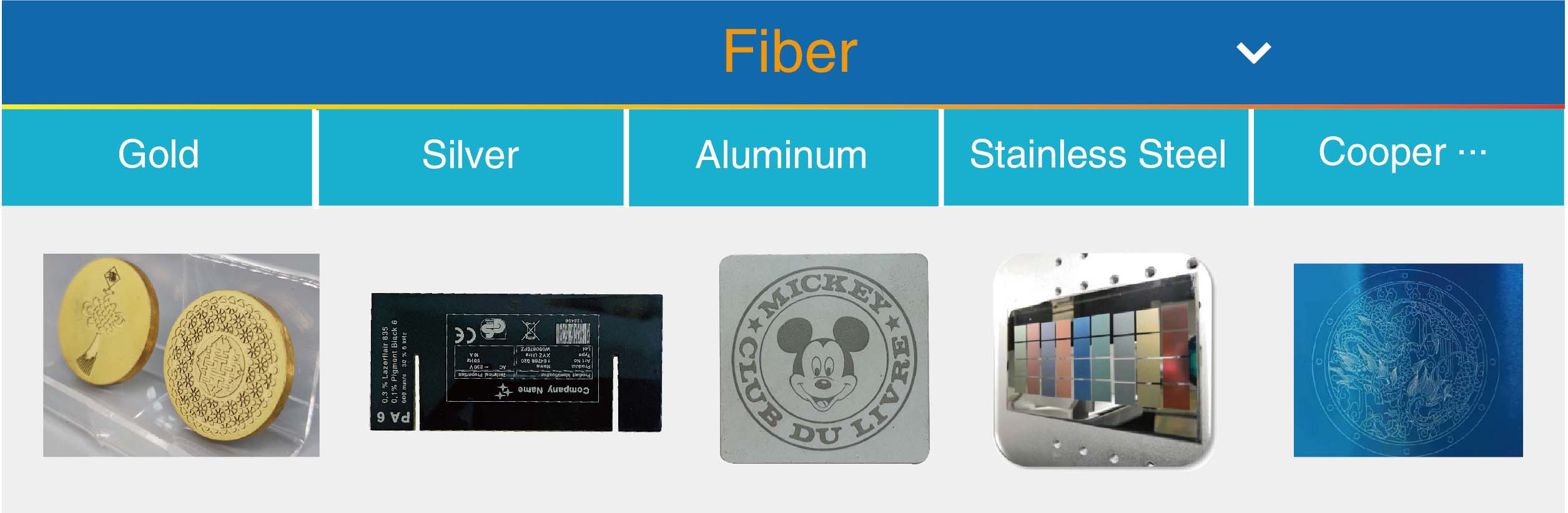
Fiber Laser Marking Machines UV Laser Marking Machines CO2 Laser Marking Machines
UV Laser
CO2 Laser