Why UV Laser Technology Is Growing Fast in Modern Manufacturing
In high-precision manufacturing, uv laser systems are becoming increasingly important because they offer extremely fine processing capability with minimal thermal impact. Compared with traditional infrared lasers, a uv laser uses shorter wavelengths that allow more delicate interaction with sensitive materials.
For manufacturers working with plastics, glass, ceramics, and electronic components, uv marking provides cleaner edges, higher contrast, and almost no material deformation. This is why many production lines now choose a stable uv laser source for demanding industrial applications.
What Makes UV Laser Ideal for Fine Material Processing
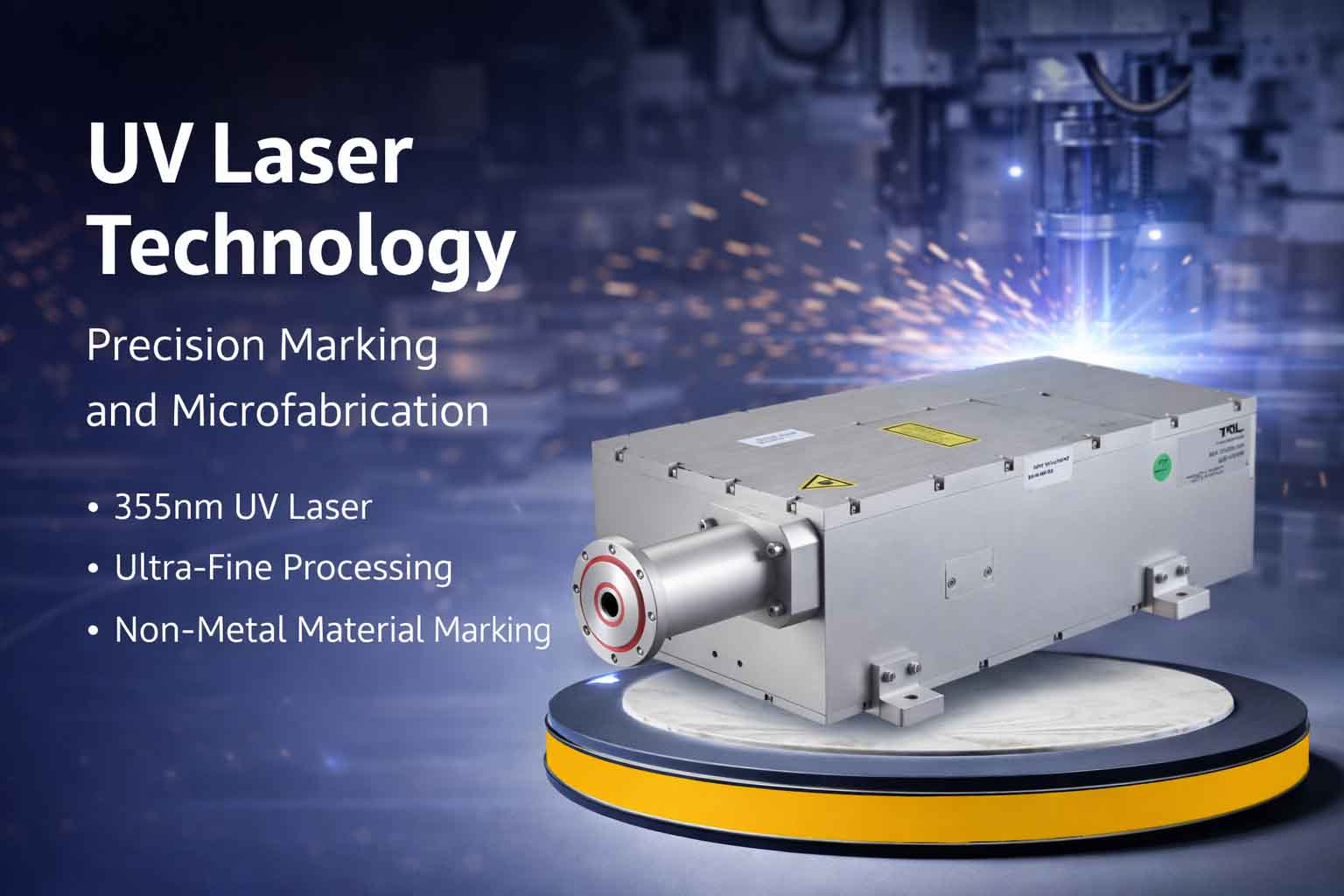
A uv laser typically operates at 355nm wavelength, which belongs to the ultraviolet spectrum. Because of its short wavelength, the absorption rate of many materials is much higher than with infrared lasers.
This gives uv marking several important advantages:
- ultra-fine marking quality
- reduced heat affected zone
- high contrast on delicate materials
- excellent performance on transparent surfaces
- precise micro-processing capability
A high-quality uv laser source can therefore process materials that standard fiber lasers cannot handle efficiently.
Main Applications of UV Marking in Industry
Today, uv marking is widely used in industries where product appearance and precision are critical.
Plastic Product Marking
A uv laser creates permanent marks on plastic without burning or discoloration.
Suitable materials include:
- ABS
- PVC
- PE
- PP
- engineering plastics
This makes uv marking ideal for connectors, electronic housings, and medical plastic parts.
Glass Marking
A uv laser source is widely used for:
- mobile phone glass
- display panels
- optical components
The short wavelength helps create precise marks with minimal cracking.
Electronic Component Coding
Many PCB manufacturers use uv marking because tiny QR codes and serial numbers can be produced clearly even on miniature parts.
Flexible Packaging
A uv laser can mark films and packaging materials without damaging thin surfaces.
Why Deep UV Laser Technology Matters
A deep uv laser offers even shorter wavelength capability, making it suitable for extremely high-precision industrial applications.
Compared with standard UV systems, deep uv laser technology supports:
- finer beam focus
- smaller spot size
- advanced micro drilling
- semiconductor processing
- scientific precision manufacturing
For customers requiring advanced microfabrication, a deep uv laser can deliver superior detail and consistency.
Advantages of Choosing a Stable UV Laser Source
When overseas buyers select a uv laser source, long-term stability is usually the most important factor.
Key advantages include:
Stable Output Power
A reliable uv laser source ensures consistent marking quality over long production cycles.
Long Service Life
Modern uv laser systems are designed for continuous industrial operation.
Easy Integration
A professional uv laser source can be integrated with:
- galvo scanners
- marking control systems
- automation lines
- robotic workstations
Low Maintenance
Industrial users prefer UV systems that require minimal service intervention.
UV Laser vs Fiber Laser for Sensitive Materials
Many buyers compare uv laser and fiber laser systems before purchasing.
UV Laser Advantages
- lower thermal damage
- higher precision
- better for non-metal materials
- suitable for transparent surfaces
When UV Marking Is Better
uv marking is preferred when processing:
- plastic
- glass
- silicon wafers
- ceramics
- coated materials
A uv laser source becomes the best choice when material sensitivity is a major concern.
How UV Laser Supports International Manufacturing Demand
Global manufacturing is demanding higher product traceability and cleaner marking quality. This is why uv marking continues to grow rapidly.
Industries increasing demand for uv laser include:
- electronics
- medical devices
- cosmetics packaging
- semiconductor production
- precision hardware
A stable deep uv laser solution helps manufacturers meet export quality standards more easily.
Choosing the Right UV Laser Supplier
A professional supplier should provide more than just a uv laser source.
Buyers often evaluate:
- beam quality
- frequency control
- software compatibility
- after-sales support
- OEM customization
A strong technical partner helps overseas distributors and machine builders reduce project risk.
Conclusion
For high-precision industrial processing, uv laser technology offers clear advantages in quality, stability, and material compatibility. Whether for plastic coding, glass engraving, or microelectronics, uv marking continues to be one of the fastest-growing laser applications worldwide.
A reliable uv laser source or advanced deep uv laser system can significantly improve manufacturing precision and help global buyers build stronger market competitiveness.
Nanosecond Lasers for Industrial Precision Processing
Galvo Scanning Solutions for High-Speed Laser Processing
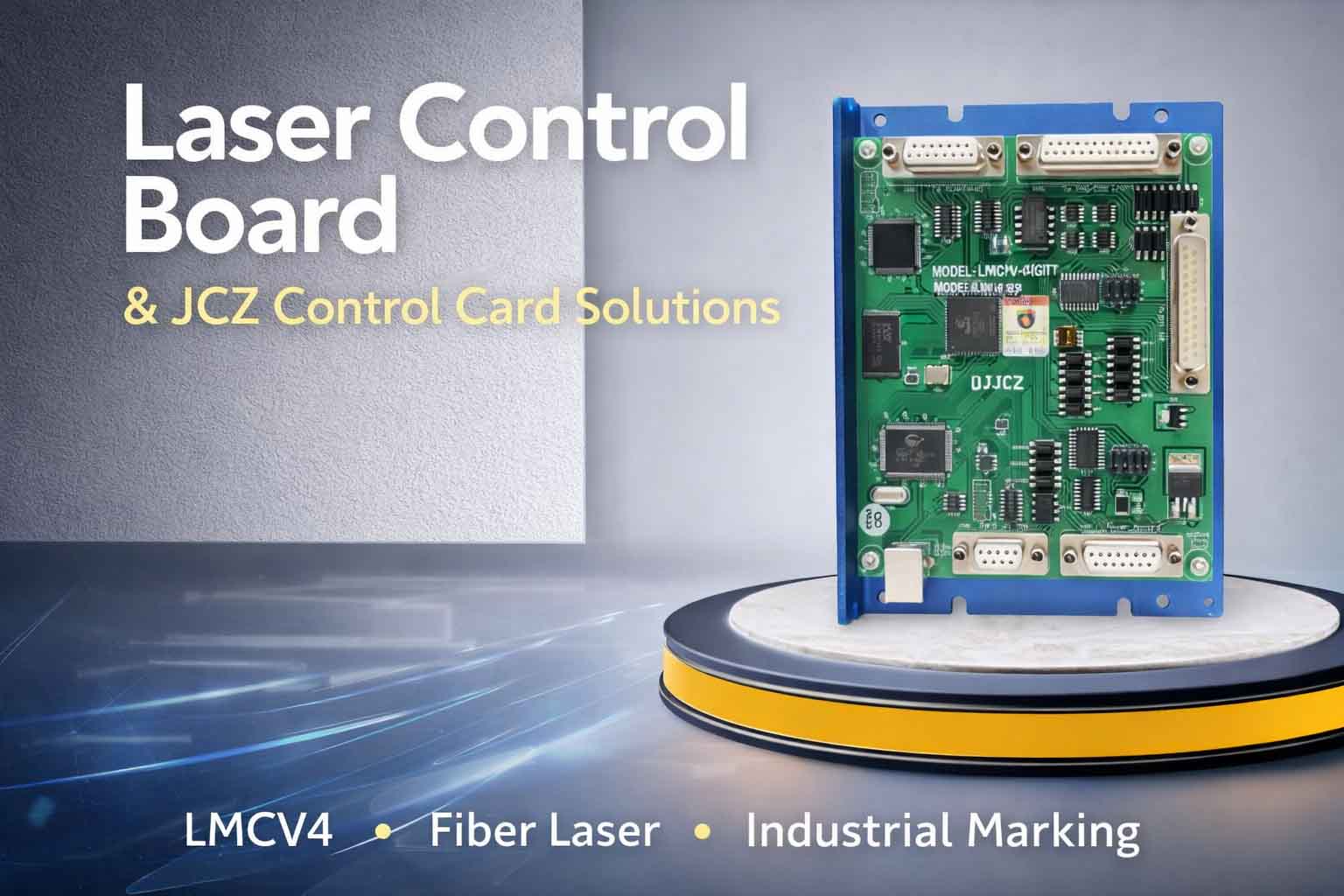
JCZ Control Card and Laser Control Board Solutions

Qingming Festival Holiday Notice
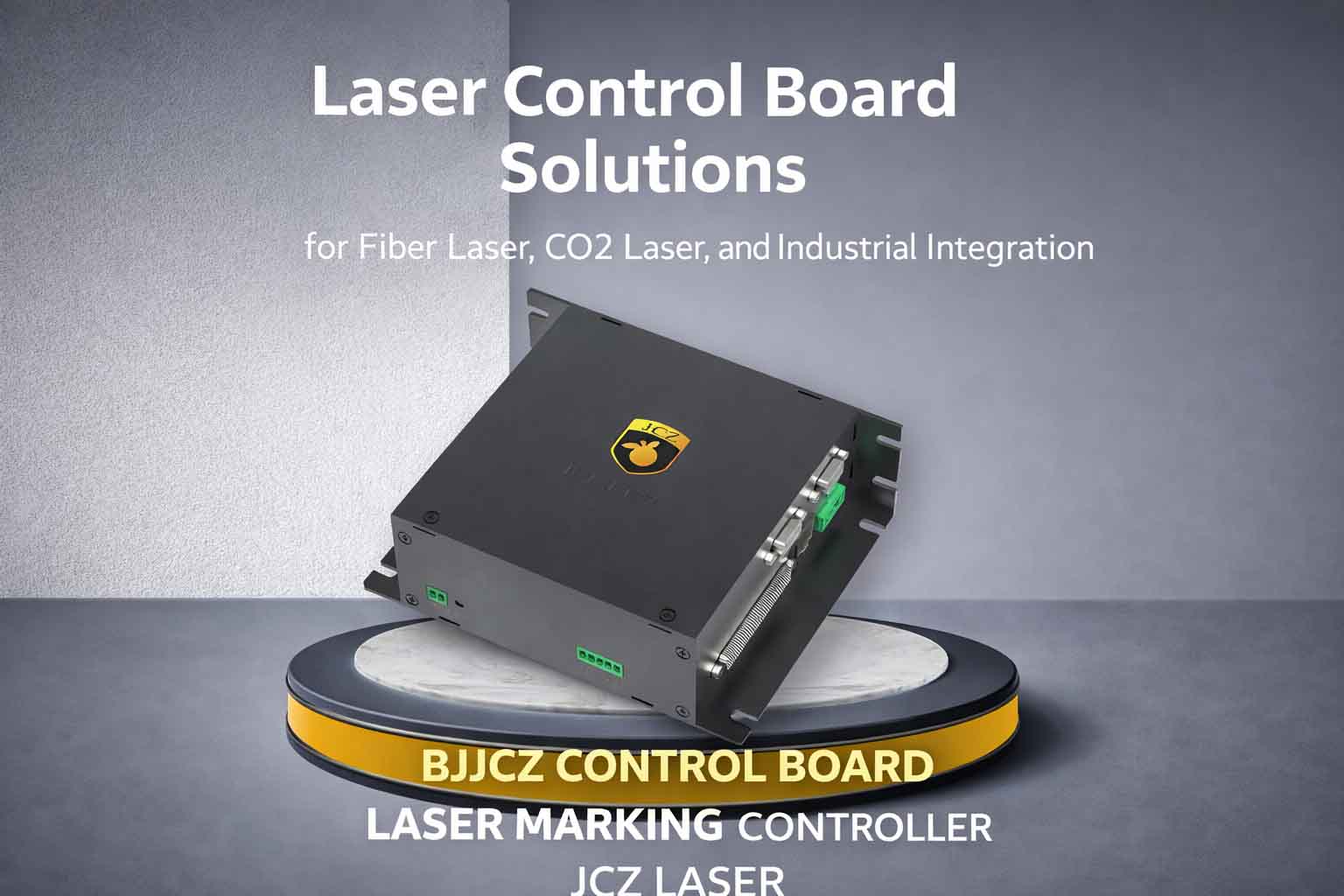
Laser Control Board for Precision Laser Marking Systems