Introduction
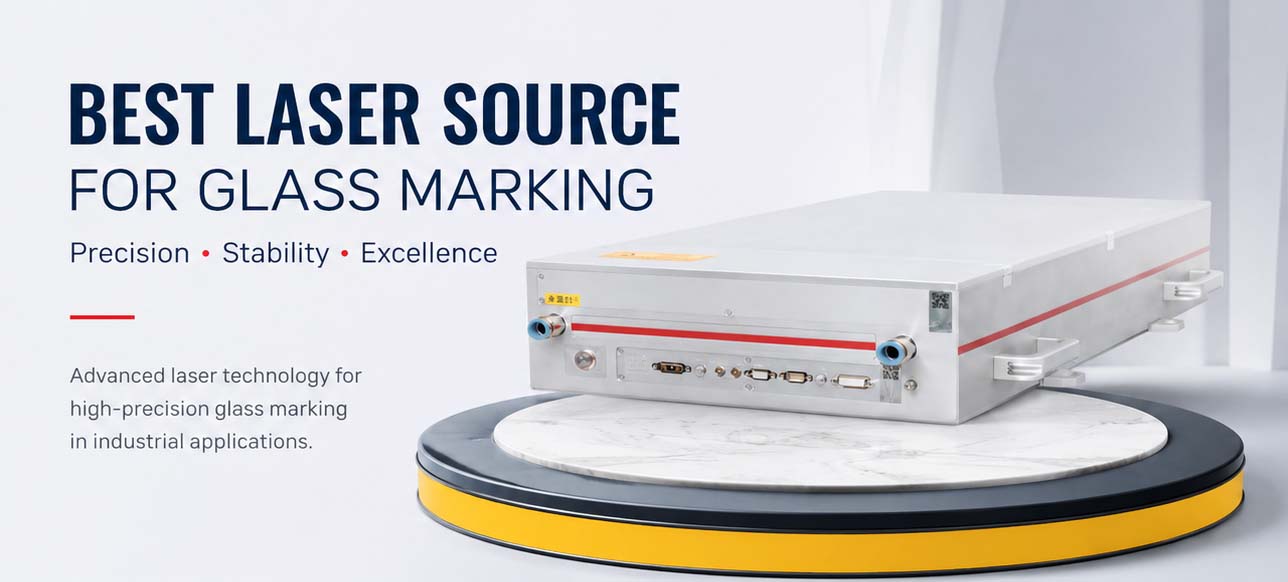
Glass products are widely used in industries such as consumer electronics, medical devices, automotive manufacturing, home appliances, solar energy, and packaging. As manufacturers demand higher precision and permanent identification, choosing the best laser source for glass marking has become increasingly important.
Compared with traditional printing or mechanical engraving, laser marking on glass offers non-contact processing, ultra-high precision, permanent marking quality, and lower maintenance costs. Today, many factories are upgrading to advanced laser systems for QR codes, serial numbers, logos, barcodes, decorative graphics, and micro-marking applications.
In this guide, we will explain how to choose the best laser source for glass marking, compare different laser technologies, and help buyers find the right solution for industrial production.
Why Laser Marking on Glass Is Growing Rapidly
Modern industries require marking solutions that are:
- Permanent
- High precision
- Non-contact
- Environmentally friendly
- Suitable for automation
- Compatible with curved or fragile glass surfaces
Traditional methods often cause scratches, fading, or production inefficiency. A professional laser source for glass marking can achieve cleaner results with minimal material damage.
Common applications include:
- Smartphone glass marking
- Wine bottle engraving
- Automotive glass coding
- Medical glass tube marking
- Cosmetic packaging engraving
- QR code marking
- Decorative artwork engraving
- Glass cup customization
What Is the Best Laser Source for Glass Marking?
Different glass materials require different laser technologies. The most commonly used laser source for glass marking includes:
- UV laser source
- Picosecond laser
- CO2 laser
- Fiber laser (limited applications)
Among them, UV laser systems and ultrafast picosecond lasers are considered the best solutions for high-precision glass processing.
UV Laser Source for Glass Marking
Why UV Laser Is Popular
A uv laser source is one of the most widely used solutions for delicate glass processing because it uses a shorter wavelength, usually 355nm uv laser technology.
UV laser processing is often called “cold marking” because the heat-affected zone is extremely small. This significantly reduces cracking risks during laser marking on glass.
Advantages of UV Laser for Glass
- Minimal thermal damage
- High precision engraving
- Excellent for transparent materials
- Suitable for micro QR codes
- Clean white marking effect
- Ideal for fragile glass surfaces
Typical UV Laser Applications
- Mobile phone cover glass
- Camera lens marking
- LCD glass processing
- Medical glass tube coding
- Cosmetic bottle engraving
- Electronic component marking
For manufacturers requiring ultra-fine marking quality, a uv laser source is usually the preferred choice.
Picosecond Laser for High-End Glass Processing
Why Picosecond Laser Is Advanced
A picosecond laser uses ultra-short pulse durations to reduce thermal impact even further than nanosecond systems.
Compared with standard laser sources, picosecond laser technology offers:
- Higher precision
- Smoother edges
- Reduced micro-cracks
- Better transparency protection
- Superior micro-processing ability
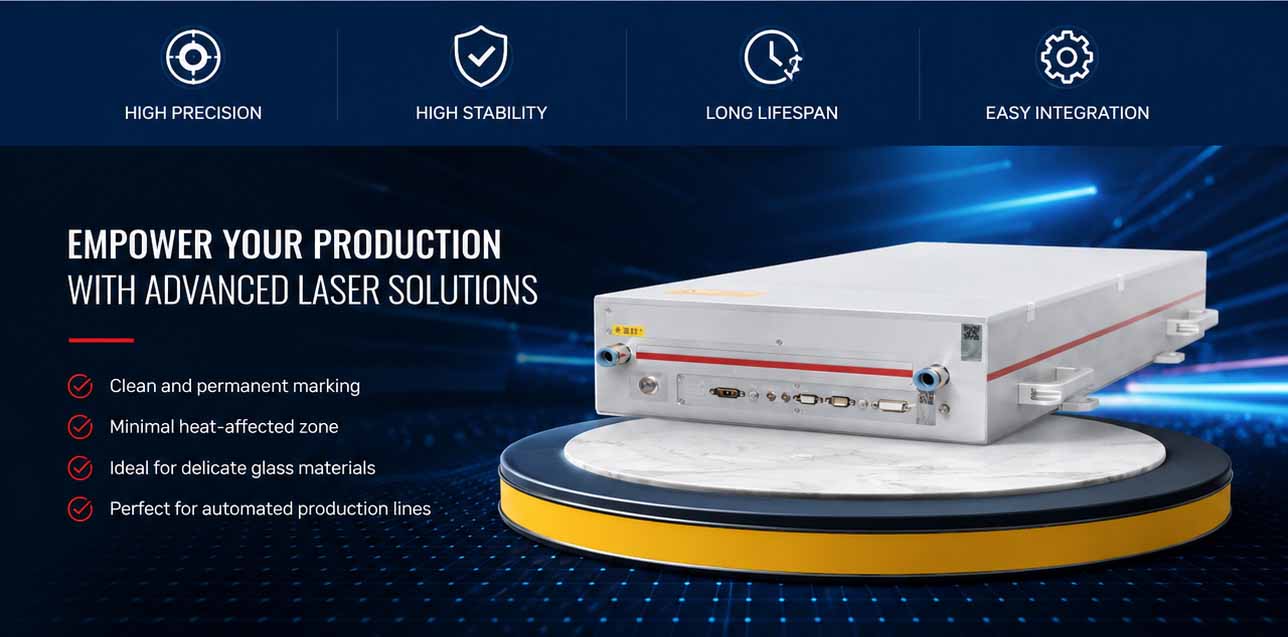
This makes picosecond laser systems ideal for premium electronics and semiconductor industries.
Common Picosecond Laser Glass Applications
- Smartphone glass cutting
- Sapphire processing
- OLED glass marking
- Precision QR code engraving
- Semiconductor wafer processing
- High-end decorative engraving
As the demand for precision electronics increases, more factories are switching to picosecond laser solutions for glass processing.
Can Fiber Laser Mark Glass?
Many buyers ask whether a fiber laser source can mark glass.
The answer is: yes, but with limitations.
A fiber laser can mark coated glass, painted glass, or treated surfaces. However, standard transparent glass absorbs fiber laser wavelengths poorly.
Therefore, fiber laser systems are usually not recommended for ultra-clear glass marking applications.
Fiber laser systems are better suited for:
- Metal marking
- Stainless steel engraving
- Aluminum processing
- Plastic marking
- Industrial coding
If your main application is glass marking, a uv laser source or picosecond laser is generally the better option.
CO2 Laser for Glass Engraving
A co2 laser is another common solution for glass engraving applications.
CO2 laser systems are often used for:
- Decorative glass engraving
- Wine bottle engraving
- Craft processing
- Customized gifts
- Large-area surface frosting
Compared with uv laser systems, co2 laser engraving usually creates a frosted surface effect rather than ultra-fine precision marks.
UV Laser vs Picosecond Laser for Glass Marking
UV Laser Advantages
- Lower investment cost
- Stable industrial production
- Excellent precision
- Faster ROI
- Ideal for standard industrial marking
Picosecond Laser Advantages
- Ultra-high precision
- Minimal micro-cracks
- Better for fragile materials
- Suitable for semiconductor applications
- Higher-end manufacturing capability
How to Choose the Best Laser Source for Glass Marking
When choosing a laser source for glass marking, buyers should evaluate several factors.
1. Glass Material Type
Different materials require different wavelengths.
Examples:
- Soda-lime glass
- Tempered glass
- Quartz glass
- Sapphire glass
- Borosilicate glass
2. Marking Precision
If you require micro QR codes or tiny serial numbers, uv laser or picosecond laser systems are better choices.
3. Production Speed
For automated production lines, laser stability and marking speed are critical.
Industrial buyers often prioritize:
- Long service life
- Stable power output
- Low maintenance
- Automation compatibility
4. Budget
UV laser systems provide excellent balance between performance and cost.
Picosecond laser systems offer higher precision but require larger investment.
Industries Using Glass Laser Marking Technology
Laser marking on glass is now widely used in:
| Industry | Application |
|---|---|
| Consumer Electronics | Smartphone glass marking |
| Automotive | Windshield coding |
| Medical | Syringe and tube marking |
| Packaging | Bottle engraving |
| Semiconductor | Wafer marking |
| Home Appliances | Glass panel engraving |
| Solar Energy | Glass processing |
Why Global Buyers Prefer Laser Marking Solutions
Modern manufacturers are increasingly replacing traditional printing methods with laser technology because laser systems offer:
- Permanent marking
- Lower consumable costs
- High-speed automation
- Better environmental performance
- High consistency
- Smart manufacturing compatibility
As Industry 4.0 expands globally, intelligent laser marking systems are becoming essential production tools.
Future Trends of Glass Laser Processing
The future of glass laser processing is moving toward:
- Ultrafast laser technology
- AI vision positioning
- Fully automated production lines
- High-speed galvanometer systems
- Green manufacturing
- Ultra-precision micro-processing
UV laser and picosecond laser technologies are expected to dominate high-end glass manufacturing industries over the next several years.
Conclusion
Choosing the best laser source for glass marking depends on your material type, precision requirements, production capacity, and budget.
For most industrial applications:
- UV laser source is the best balance of cost and precision.
- Picosecond laser is ideal for ultra-high-end precision processing.
- CO2 laser works well for decorative engraving.
- Fiber laser is suitable mainly for coated or painted glass.
As global demand for precision manufacturing continues to grow, investing in advanced laser marking technology can significantly improve production quality and efficiency.
Why Choose Our Laser Solutions
We provide professional laser solutions for industrial glass marking applications, including:
- UV laser source
- Picosecond laser
- Fiber laser systems
- Galvo scanning solutions
- Laser control systems
- Customized automation integration
Our engineering team supports global customers with:
- Free application testing
- OEM/ODM service
- Technical support
- Installation guidance
- Production line integration solutions
If you are looking for the best laser source for glass marking, contact us today for a customized laser solution and free sample testing.
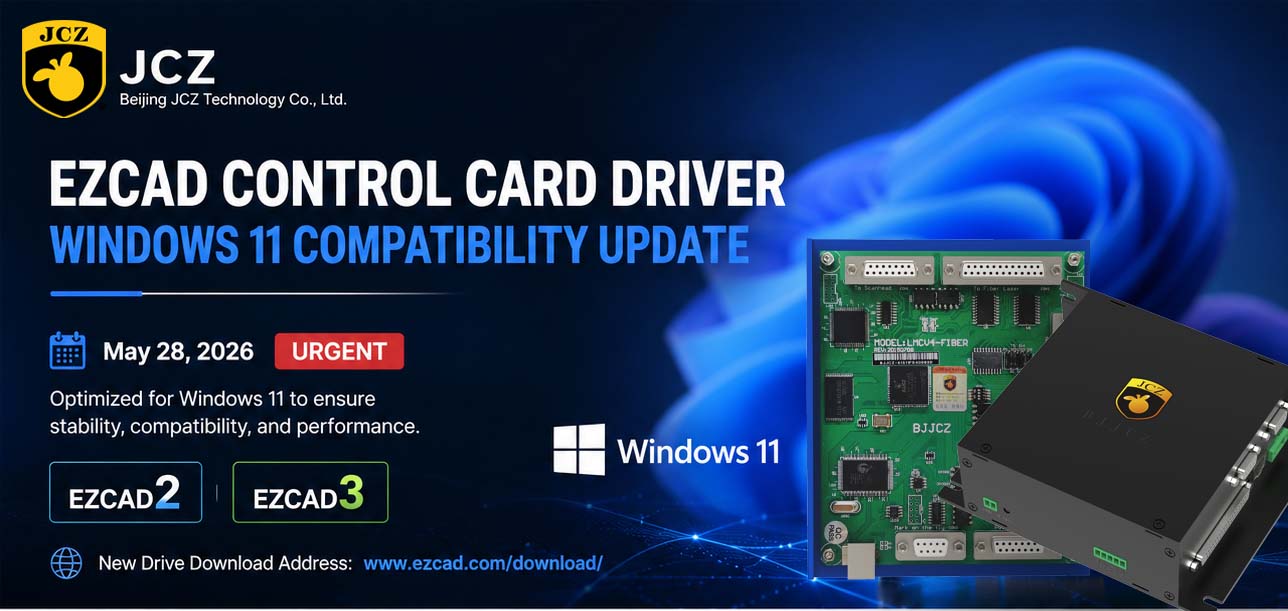
OFFICIAL DRIVER UPDATE NOTICE

Top Factors That Affect Marking Quality in Handheld Fiber Laser Systems
Meet JCZ at Laser World of Photonics India 2026 in Bengaluru
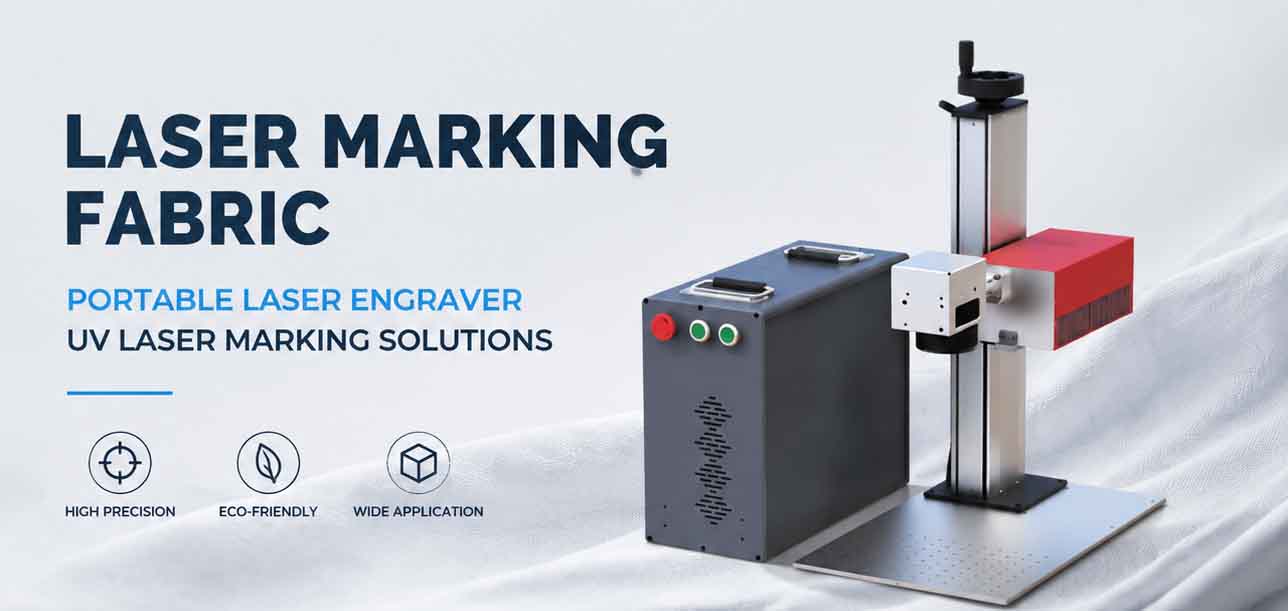
Laser Marking Fabric with Portable Laser Engraver: Advanced UV Laser Marking Solutions for Modern Manufacturing
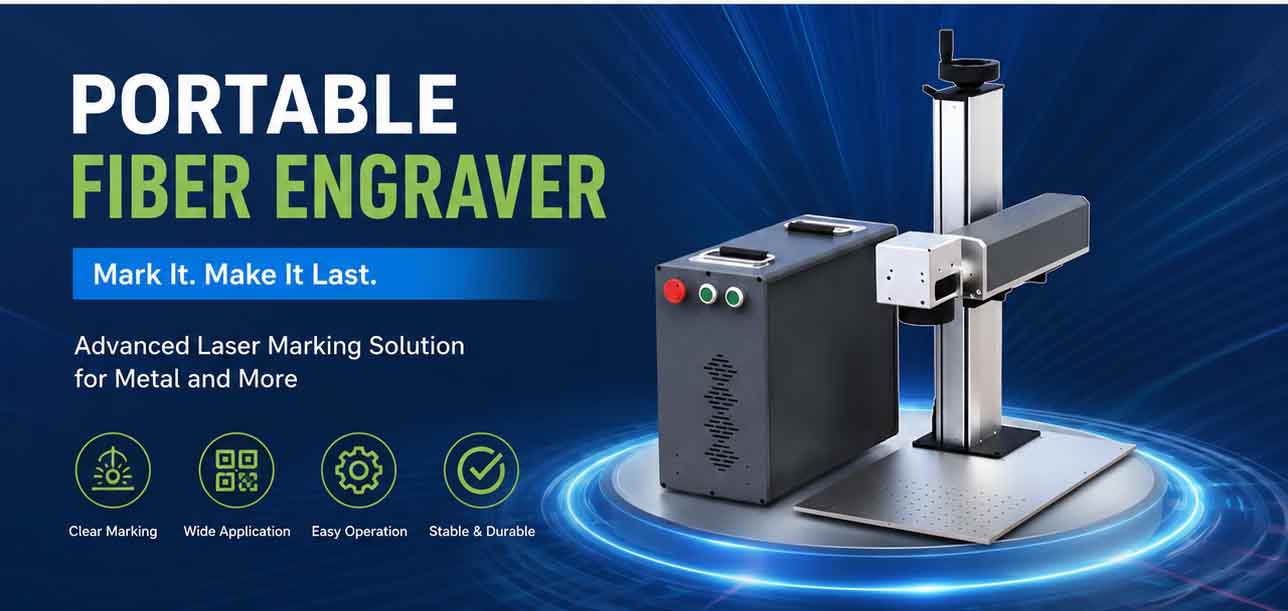
Laser Machine for Marking: The Ultimate Guide to Portable Fiber Engravers & MOPA Color Laser Marking
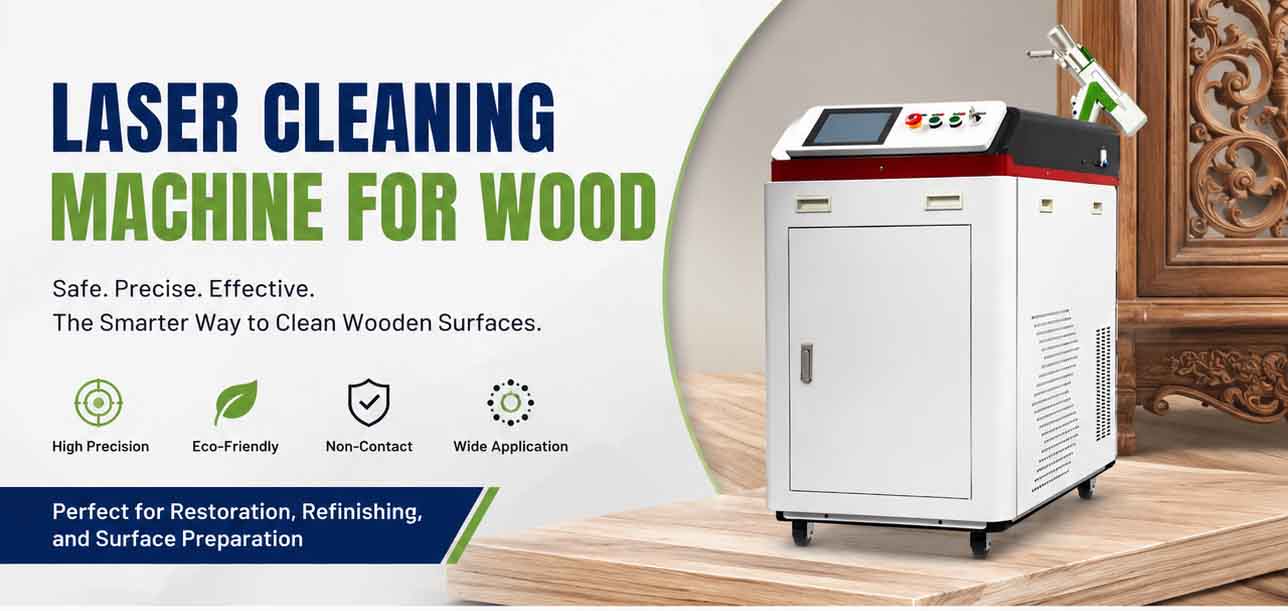
Laser Cleaning Machine for Wood: The Ultimate Guide to Safe, Precise & Eco-Friendly Wood Surface Cleaning