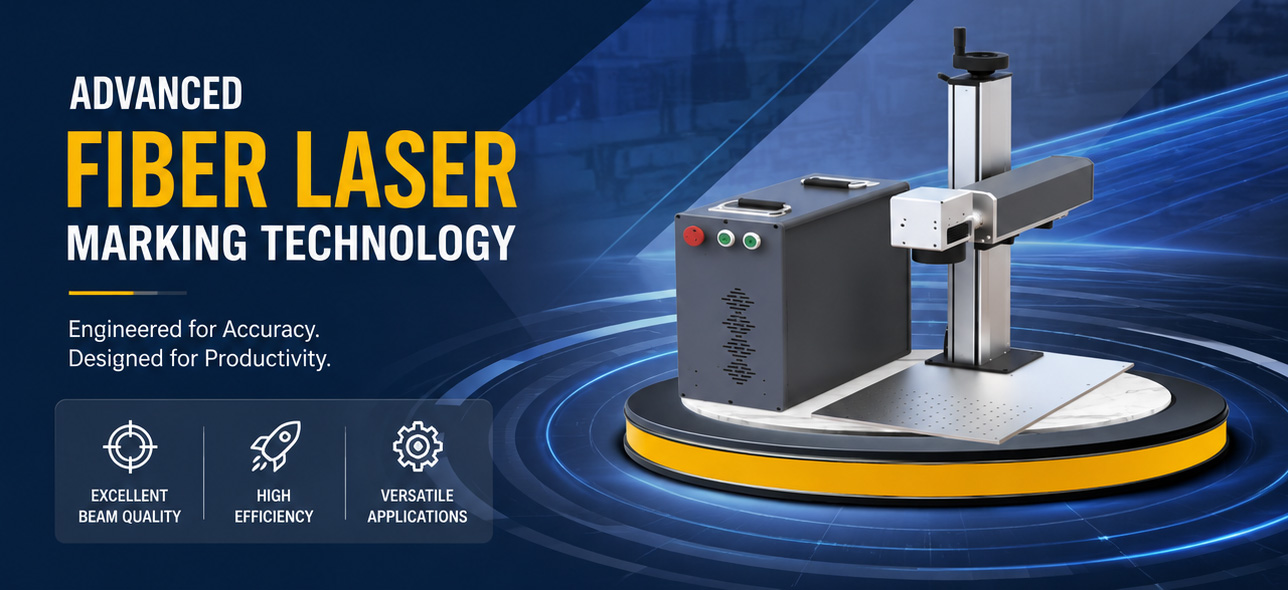
Fiber Laser Engraving Software for Industrial Galvo Systems
Choosing fiber laser engraving software is not simply a matter of finding a program that can import a logo and start a job. For a laser machine manufacturer, system integrator, distributor, service company, or factory engineering team, the software must fit the controller, galvo scanner, laser source, production data, motion requirements, and automation architecture.
EZCAD is developed by JCZ as part of a broader laser-control system that includes control software, controller hardware, galvo scanners, and development tools. This makes the selection process more practical for B2B users who need to build, integrate, replace, or standardize industrial laser marking and engraving equipment.
What Should You Expect from Industrial Laser Engraving Software?
A production-oriented platform must do more than create graphics. It should turn design and production data into repeatable laser jobs while coordinating the hardware around the process.
In a typical fiber or UV galvo system, the operator may need to import vector artwork, create text, assign processing parameters, generate serial numbers or 2D codes, trigger the laser from external equipment, control rotary or expansion axes, and keep approved settings consistent between batches.
The best solution therefore depends on the complete machine architecture. Buyers should evaluate software together with controller hardware rather than assuming that any program can communicate with any galvo laser system.
Start with Your Machine, Not the Software Name
Before selecting fiber laser engraving software, define the system you are building or maintaining. A standard flat-part marking machine has very different requirements from a 3D engraving station or an automated production line.
For a new OEM machine, the first questions should cover the laser source, galvo type, marking field, required processing mode, controller communication, motion axes, I/O, encoder input, variable data, and whether custom software development is required.
For a retrofit, also identify the existing controller model, software generation, wiring, connectors, galvo protocol, and any job files or parameter libraries that must remain usable.
This information allows the control platform to be selected around the actual application instead of relying on a general compatibility claim.
EZCAD2 or EZCAD3: Which Platform Fits Your Project?
EZCAD2 and EZCAD3 are intended for different levels of laser processing and controller architecture.
| Requirement | EZCAD2 | EZCAD3 |
|---|---|---|
| Standard 2D marking and engraving | Strong fit | Supported |
| Typical controller family | LMC series | DLC series |
| 2D and 3D processing | Mainly 2D | 2D and 3D |
| Dynamic focus and advanced 3D work | Not the main use case | Better fit |
| Motion expansion | Basic/project-dependent | More extensive |
| Automation and I/O | Supported | Expanded options |
| New advanced OEM platform | Application-dependent | Often better suited |
| Existing LMC-based machine replacement | Often appropriate | Requires architecture review |
For standard 2D marking, serialization, logo engraving, QR codes, Data Matrix codes, and conventional galvo applications, EZCAD2 remains a practical choice when used with compatible LMC control hardware.
For projects that require 3D processing, dynamic focus, more motion capability, Ethernet-based architecture, or a higher level of automation expansion, EZCAD3 with compatible DLC control hardware should be evaluated.
Related Product: DLC2-V4 Controller
The objective is not to choose the newer platform automatically. The correct choice is the one that matches the processing task, controller family, expansion needs, and lifecycle of the machine.
Manage Marking Data for Real Production
Industrial laser engraving often involves changing information rather than one fixed design.
A production job may combine a company logo, part number, production date, serial number, QR code, Data Matrix code, batch information, and text imported from an external file. The control software must manage these elements without requiring the operator to rebuild the entire marking file for every part.
EZCAD2 supports common vector and bitmap formats, multiple text formats, barcodes and 2D codes, multi-layer processing parameters, and variable text from sources including files, spreadsheets, serial communication, and network communication.
For manufacturers, this is particularly useful in part identification, traceability, batch production, tool marking, electronics, automotive components, nameplates, and other applications where marking information changes from one product or batch to another.
Build Repeatable Engraving Jobs, Not Operator-Dependent Results
For industrial buyers, ease of use should mean more than a simple interface. It should also mean that a validated process can be repeated by different operators and across multiple machines.
A practical workflow allows engineering teams to separate graphic preparation from production settings, assign parameters by layer, protect critical settings, calibrate the galvo field, and organize jobs so operators do not need to rebuild process conditions every shift.
EZCAD2 includes password control, I/O functions, multi-layer parameter management, galvo calibration, fill controls, and configurable text and code generation. EZCAD3 extends the control architecture for projects that require more advanced processing and integration.
This is one reason fiber laser engraving software should be evaluated as part of the machine-control system rather than as a standalone design application.
Connect Laser Engraving to Automation and Traceability
For an automated line, the marking station must communicate with the rest of the production process.
A component may arrive at the station, trigger a sensor, receive a serial number from production data, be marked, and return a completion signal before the next part enters the process. Other projects may require encoder synchronization, rotary motion, multi-axis positioning, database data, or a custom operator interface.
The required controller and software configuration depends on how these signals and devices are connected. Defining the automation architecture before purchasing reduces the risk of discovering later that additional I/O, motion, encoder, or development capability is required.
For OEM machine builders and integrators, this is where industrial control capability becomes more important than a simple list of design tools.
Custom HMI and Secondary Development
Some equipment manufacturers do not want the final operator to work directly inside a general marking interface. They may need a custom HMI that only exposes approved functions such as selecting a recipe, entering a work order, loading variable data, starting the cycle, and recording the result.
JCZ provides an SDK/API for compatible EZCAD2 and EZCAD3 control systems, allowing developers to integrate laser functions into custom software environments.
Before an SDK project begins, define the controller model, software version, programming environment, number of laser heads, data source, machine sequence, and external equipment that must communicate with the laser station.
This makes the software relevant not only to laser operators, but also to OEM software teams, automation engineers, and production-line developers.
Which B2B Buyers Should Use This Page?
If you are a laser machine manufacturer, your main concern is whether the control platform can be standardized across multiple machine models and supported through future production.
If you are a system integrator, you are more likely to focus on I/O, PLC signals, encoders, motion, variable data, and secondary development.
If you are a distributor or service company, correct identification of the existing controller and machine architecture is critical for replacement projects.
If you are an industrial end user, repeatability, traceability, operator control, maintenance, and production continuity are usually more important than having the largest number of software features.
These different buying priorities are why one general “best software” claim is not enough for an industrial purchasing decision.
Why Source the Control Platform from JCZ?
JCZ was founded in 2004 and focuses on laser beam delivery and control technology. Its product scope includes laser control software, controller hardware, galvo scanners, laser sources, and related components, while a large share of its technical organization is dedicated to R&D and support.
For international machine builders and integrators, this reduces the gap between software selection and hardware integration. When a project involves controller matching, galvo communication, laser interfaces, I/O, motion, or SDK development, the discussion can be handled within the same control-system ecosystem.
How to Select the Right Configuration
For the fastest technical evaluation, send your laser source model, galvo model, existing or planned controller, required processing type, marking field, motion axes, I/O and encoder requirements, variable-data source, operating system, and whether the project requires SDK development.
If you are replacing an existing system, also send clear photos of the controller, labels, connectors, and wiring, together with the current software version.
This allows the engineering team to determine whether EZCAD2, EZCAD3, or a development-based configuration is the more appropriate path.
FAQ
Is EZCAD suitable for fiber laser engraving?
EZCAD2 and EZCAD3 can both be used in compatible fiber-laser control systems. The correct version depends on the controller family and whether the application requires standard 2D marking or more advanced 3D, motion, and automation functions.
Can the software work with any controller board?
No. Software and controller compatibility must be confirmed as a system. EZCAD2 is associated with compatible LMC-series control hardware, while EZCAD3 uses compatible DLC-series controllers.
Can I use it for serial numbers, QR codes, and Data Matrix codes?
Compatible EZCAD configurations support common industrial identification content, including variable text, serial numbers, barcodes, QR codes, and Data Matrix codes.
Can the software be integrated into an automated production line?
Yes, depending on the controller and project configuration. I/O, encoder, motion, external triggers, variable data, and secondary development requirements should be defined before the system is selected.
Can we build our own operator interface?
For compatible projects, the EZCAD SDK/API can support secondary development so machine builders can integrate laser functions into their own software interface.
Which version should I choose for a new OEM machine?
For conventional 2D galvo marking, EZCAD2 may be sufficient. If the machine requires 3D processing, dynamic focus, more extensive motion, Ethernet-based control, or advanced automation expansion, EZCAD3 should be evaluated.
Get a Configuration Review Before You Build or Retrofit
The right fiber laser engraving software should fit the complete machine architecture, production workflow, and future expansion plan.
Instead of choosing software from a feature list alone, send JCZ your laser source, galvo, controller, processing requirements, automation signals, and development needs. Our team can help you identify an appropriate EZCAD software and controller combination for your OEM machine, retrofit, or industrial marking project.
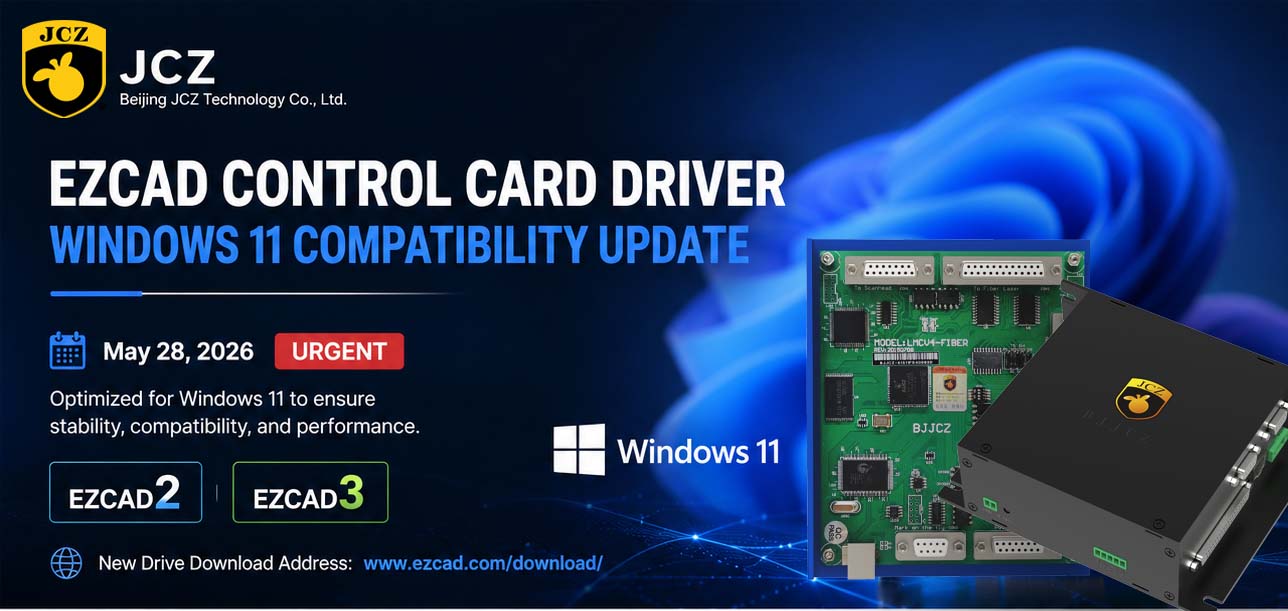
OFFICIAL DRIVER UPDATE NOTICE

Top Factors That Affect Marking Quality in Handheld Fiber Laser Systems
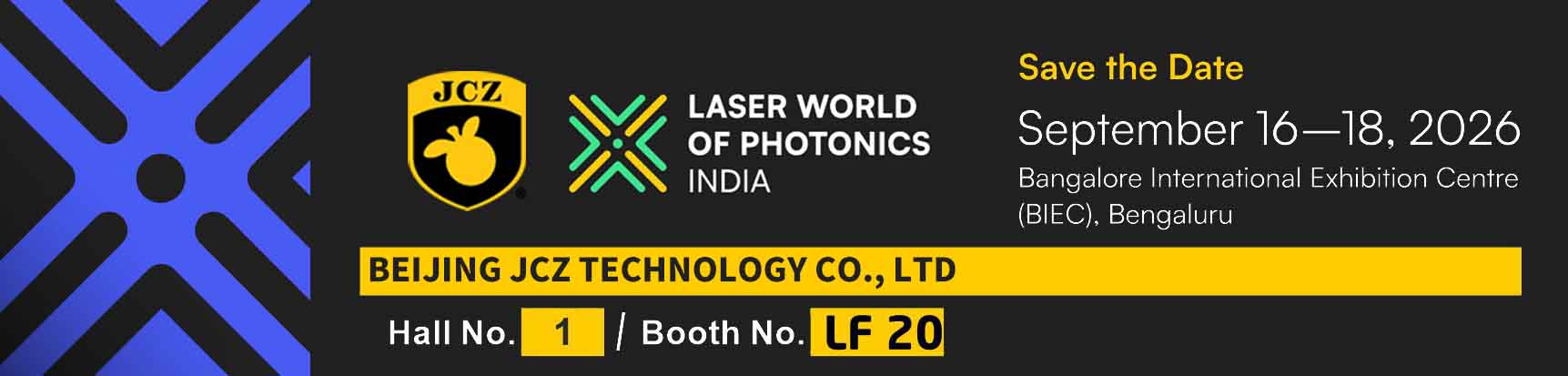
Meet JCZ at Laser World of Photonics India 2026 in Bengaluru
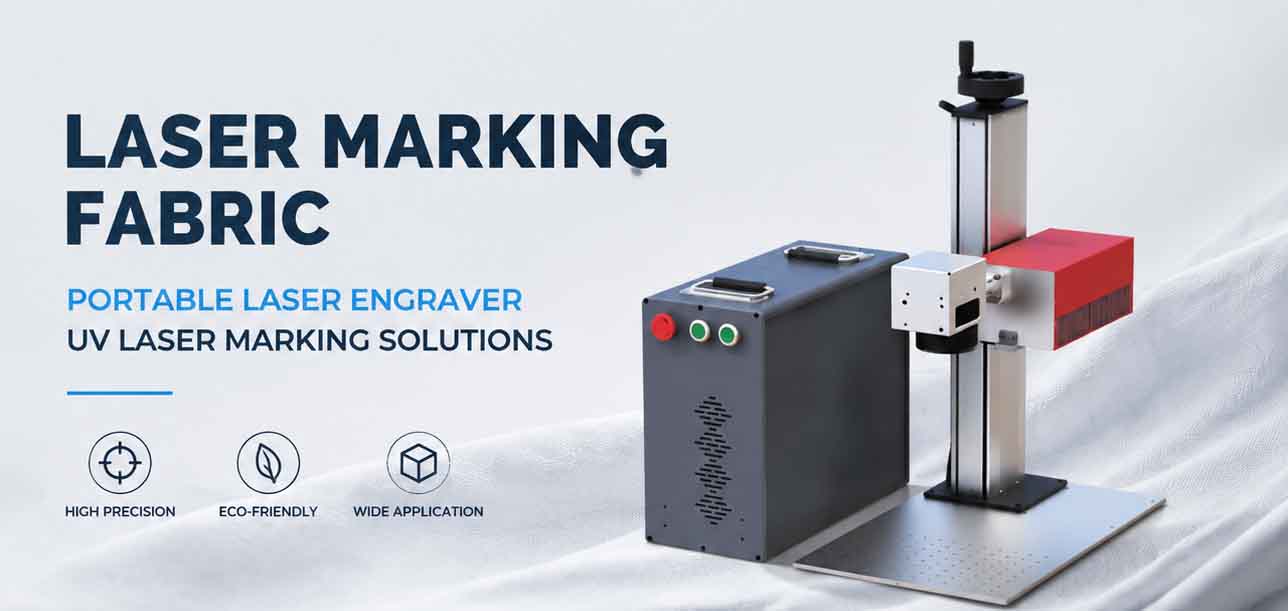
Laser Marking Fabric with Portable Laser Engraver: Advanced UV Laser Marking Solutions for Modern Manufacturing
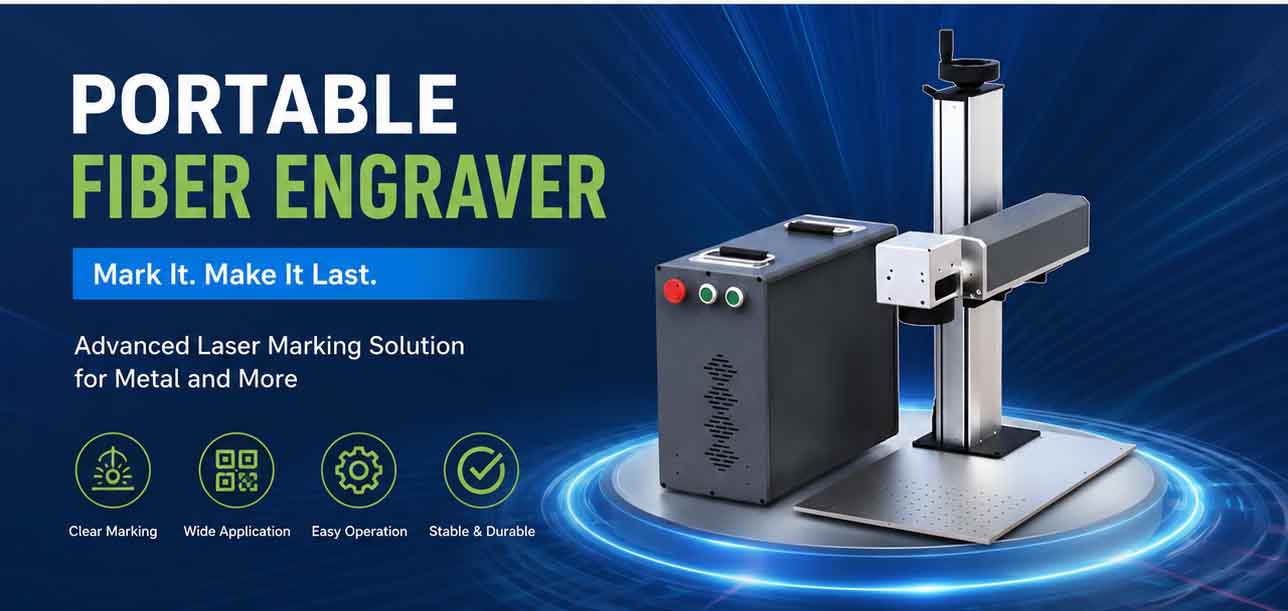
Laser Machine for Marking: The Ultimate Guide to Portable Fiber Engravers & MOPA Color Laser Marking
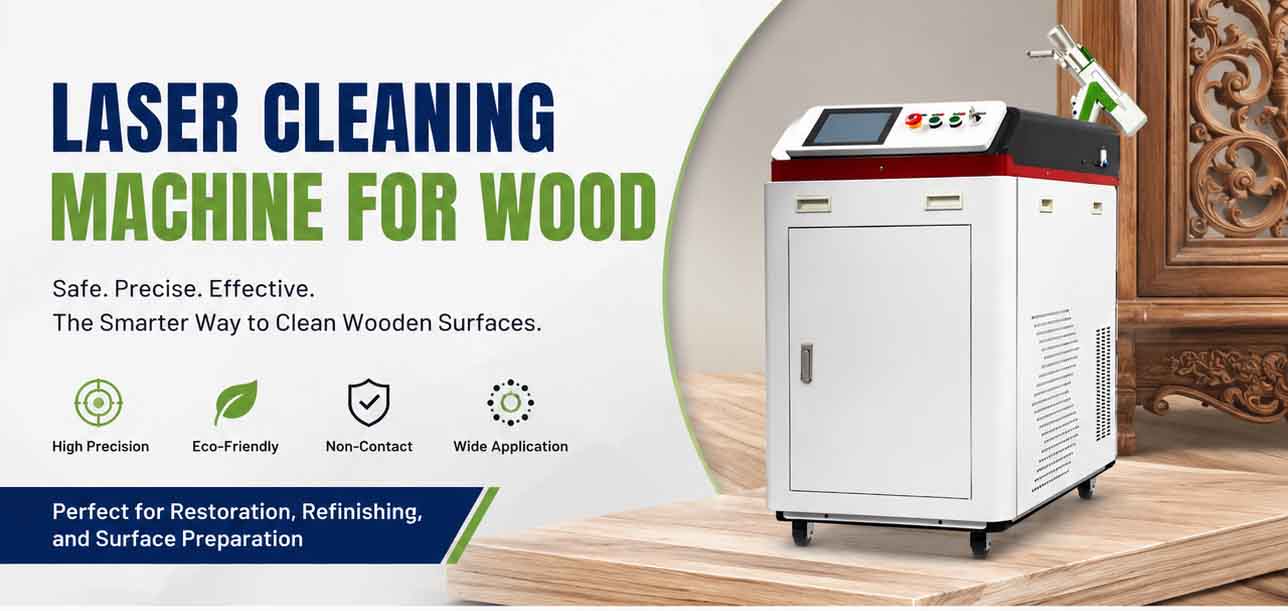
Laser Cleaning Machine for Wood: The Ultimate Guide to Safe, Precise & Eco-Friendly Wood Surface Cleaning