Introduction
Laser systems have become the powerful driver to the industrial manufacturing, product identification, precision processing, and the feature of advanced materials. Because of the distinct wavelengths and working mechanism, fiber laser, CO2 laser and UV laser have their own advantages for different materials and industrial fields application.
The selection of a suitable laser system is a key factor to obtain high quality results of marking, engraving, cutting and processing, while increasing the efficiency of production and decreasing of the operating cost.
In this article, we will bring a comparison between fiber laser, CO2 laser, and UV laser according to their working strategies, benefits, application and related suitable materials, to enable you to the optimal laser solution.
What Is a Fiber Laser?
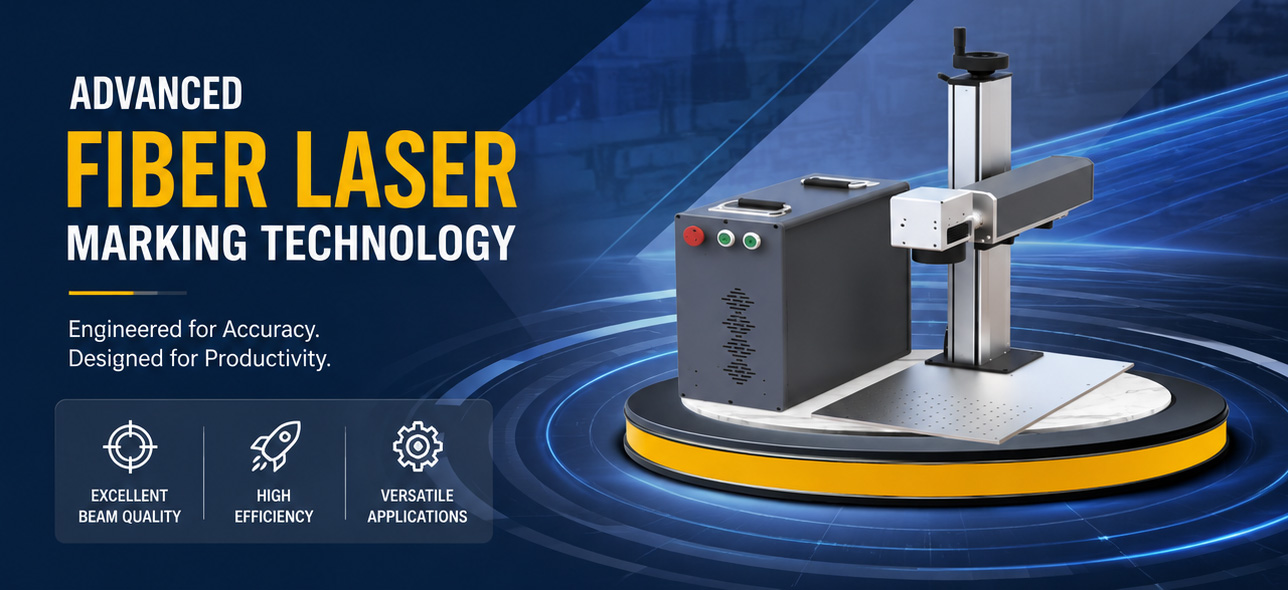
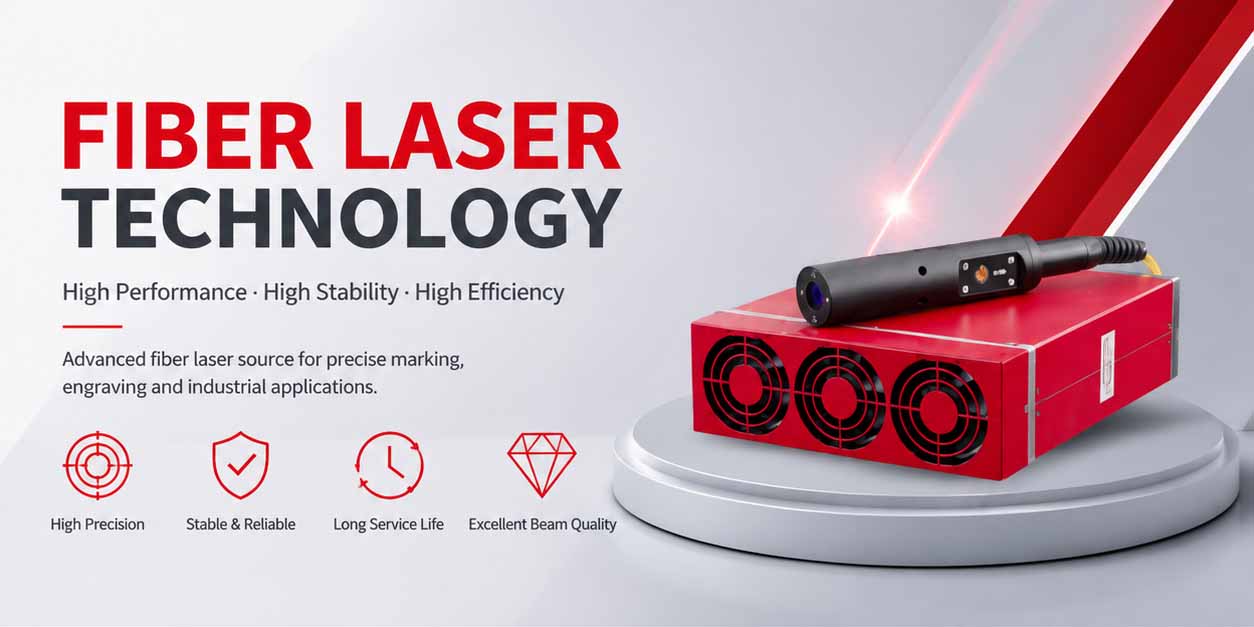
It is a type of solid-state laser where the active gain medium, instead of being a bulk material as in solid-state laser, is an optical fiber. High beam quality, high conversion efficiency and long lifetime make fiber lasers the most popular industrial laser solutions.
Today, fiber laser systems are the most popular choice for laser marking, laser engraving, metal working, and other precision manufacturing processes.
Fiber Laser Advantages
1. Good Marking Quality of Met File in 10 seconds,both for small size to big size.
Fiber lasers generally have a wavelength of 1064nm, which is highly absorbed by metals.They can mark with permanent, high contrast on:
- Stainless steel
- Aluminum
- Copper
- Brass
- Titanium
- Industrial components
2. High Efficiency and Low Maintenance
Compared with traditional laser technologies, fiber lasers provide:
- High electro-optical conversion efficiency
- Long laser source lifetime
- Stable performance
- Low maintenance requirements
3. Wide Range of Applications
Fiber lasers are widely used in:
- Automotive parts marking
- Electronics manufacturing
- Hardware engraving
- Jewelry marking
- Tool identification
- Industrial traceability
Popular Fiber Laser Applications
Common fiber laser machines include:
- Fiber Laser Marking Machine
- MOPA Fiber Laser Marking Machine
- Portable Fiber Laser Marking Machine
- 3D Fiber Laser Engraving Machine
- Laser Cleaning Machine
What Is a CO2 Laser?
A CO2 laser is a gas laser that generates a laser beam with a wavelength of approximately 10.6μm. Due to its excellent absorption characteristics on organic materials and non-metallic materials, CO2 lasers are widely used for cutting, engraving, and marking.
Advantages of CO2 Laser
1. Ideal for Non-Metal Materials
CO2 lasers provide excellent processing performance on:
- Wood
- Acrylic
- Leather
- Fabric
- Paper
- Plastic
- Glass
- Rubber
2. Powerful Cutting Capability
Compared with other laser types, CO2 lasers are especially suitable for:
- Material cutting
- Deep engraving
- Large-area processing
- Industrial production
3. Smooth and Clean Processing Results
CO2 laser systems can achieve:
- Fine engraving details
- Smooth cutting edges
- High processing speed
- Flexible customization
Common CO2 Laser Applications
CO2 laser machines are widely used in:
- Packaging industry
- Advertising industry
- Textile processing
- Leather products
- Wooden crafts
- Industrial cutting applications
What Is a UV Laser?
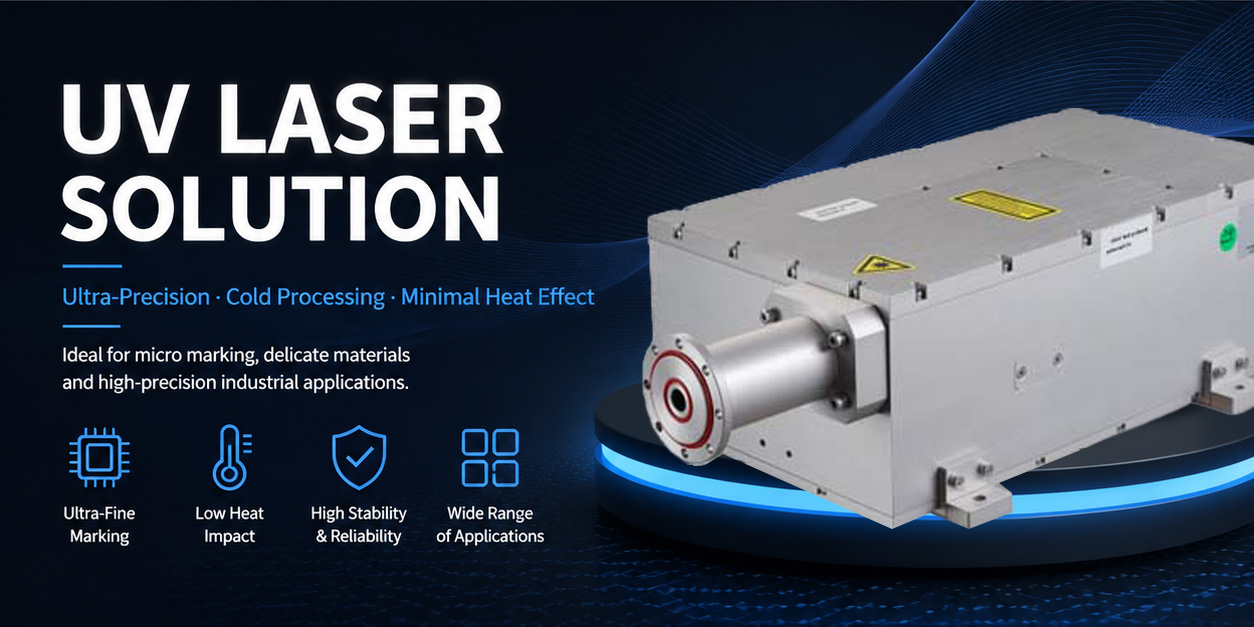
A UV laser is an ultraviolet laser with a shorter wavelength, commonly 355nm. Due to its high photon energy and cold processing characteristics, UV lasers are widely used for precision marking and micro-processing.
UV laser technology minimizes heat-affected areas, making it suitable for sensitive materials and high-precision applications.
Advantages of UV Laser
1. Cold Processing Technology
UV lasers create minimal thermal damage, which helps prevent:
- Material deformation
- Burning marks
- Edge damage
- Surface damage
2. Excellent Performance on Sensitive Materials
UV lasers are ideal for marking:
- Plastic
- Glass
- Ceramic
- PCB boards
- Electronic components
- Semiconductor materials
3. Ultra-Fine Marking Capability
UV lasers are widely used for:
- Micro marking
- QR code marking
- Precision engraving
- High-resolution identification
Common UV Laser Applications
UV laser systems are commonly applied in:
- Electronics industry
- Medical devices
- Semiconductor manufacturing
- Consumer electronics
- Precision components
Fiber Laser vs CO2 Laser vs UV Laser Comparison
| Feature | Fiber Laser | CO2 Laser | UV Laser |
|---|---|---|---|
| Wavelength | 1064nm | 10.6μm | 355nm |
| Best Materials | Metals | Non-metals | Sensitive materials |
| Marking Speed | High | Medium | High |
| Precision | High | Medium | Extremely High |
| Heat Effect | Low | Higher | Minimal |
| Maintenance | Low | Medium | Low |
| Main Applications | Metal marking & engraving | Cutting & engraving | Precision marking |
How to Choose the Right Laser?
The best laser solution depends mainly on:
1. Material Type
For metal products:
→ Fiber laser is usually the best choice.
For wood, acrylic, leather, and fabric:
→ CO2 laser provides better performance.
For electronics, plastic, and precision components:
→ UV laser is recommended.
2. Processing Requirements
Choose fiber laser when you need:
- Fast marking speed
- Permanent identification
- Deep engraving
- Metal processing
When to choose CO2 laser:
- Cutting capability
- Large Surface Engravings
- Non-metal workpiece
Choose UV laser if needed:
- Ultra-fine details
- Low thermal effect
- High precision marking abilities
- Industrial Laser Solutions for Global Manufacturers
With the development of smart manufacturing, laser technology is being increasingly applied as an effective means for enhancing production efficiency and quality.
Manufacture quality laser solutions that can:
Fast processing
Reliable operation
Flexible customization
Increased production efficiency
Cost-effective and energy saving in the long run.
Whether you are looking to purchase a fiber laser marking machine, a CO2 laser engraving system, or UV laser marking solution, choosing the right laser technology is the first step to better processing.
To sum up
Each of Fiber laser/CO2 laser/UV laser has it’s own excels and corresponding application fields.
Fiber laser are the best solution for marking metal, metal like materials and deep engrave into some non-metals.
CO2 laser works well for non-metal cutting and non-metal engraving.
UV laser offers highest precision for fragile and heat-sensitive materials.
Knowing the key differences between these laser types allows manufacturers to select the optimal solution to meet their production need.
If you want a dependable fiber laser, CO2 laser or UV laser solution, professional laser apparatus providers could generically provide personalized suggestions based on your materials and applications.
OFFICIAL DRIVER UPDATE NOTICE

Top Factors That Affect Marking Quality in Handheld Fiber Laser Systems
Meet JCZ at Laser World of Photonics India 2026 in Bengaluru
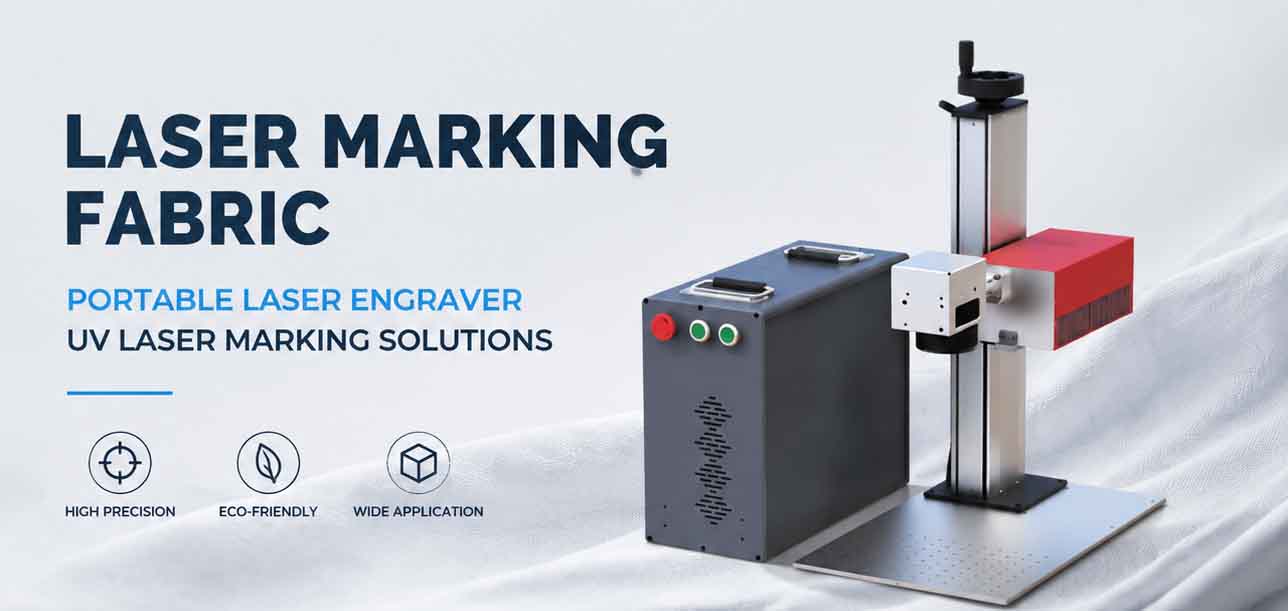
Laser Marking Fabric with Portable Laser Engraver: Advanced UV Laser Marking Solutions for Modern Manufacturing
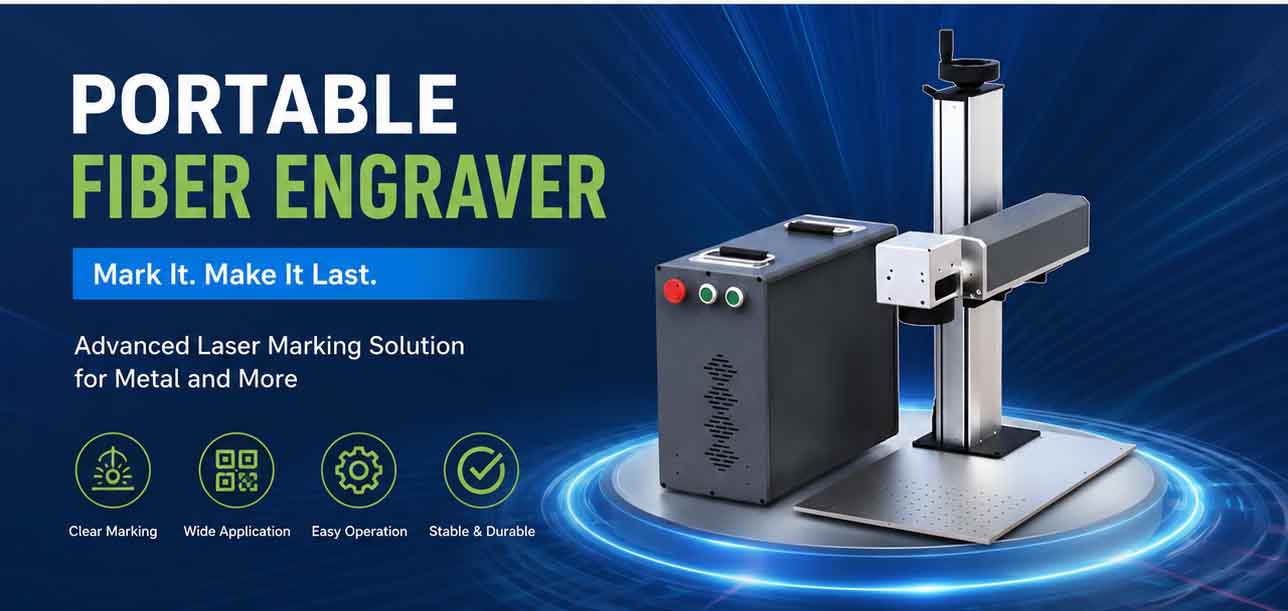
Laser Machine for Marking: The Ultimate Guide to Portable Fiber Engravers & MOPA Color Laser Marking
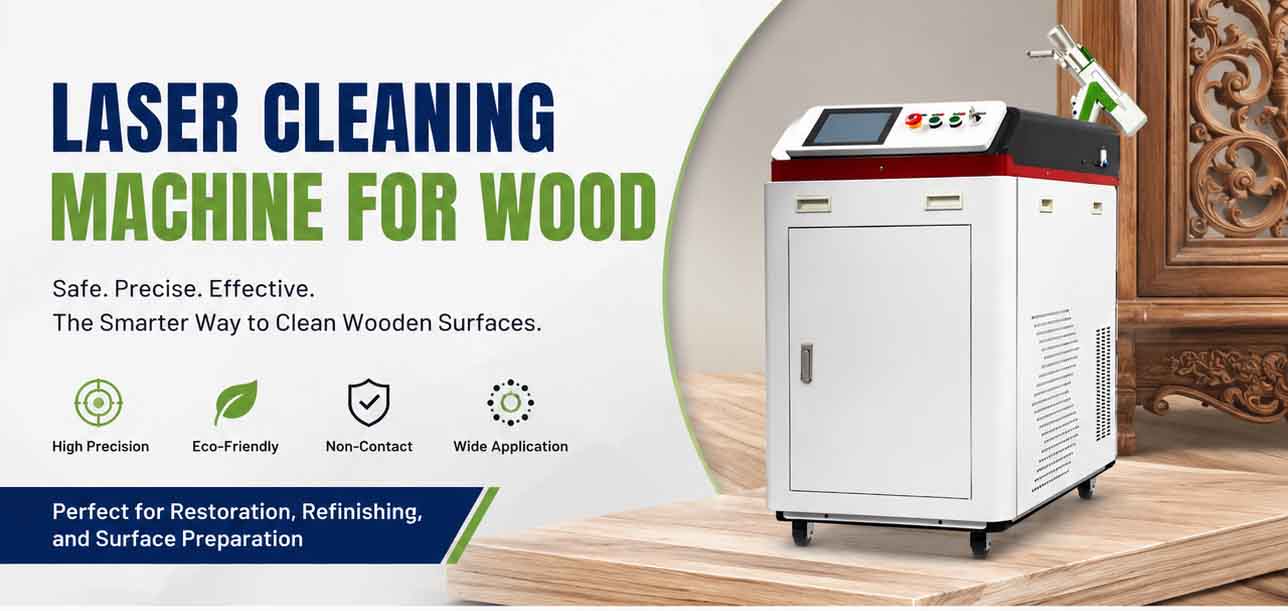
Laser Cleaning Machine for Wood: The Ultimate Guide to Safe, Precise & Eco-Friendly Wood Surface Cleaning