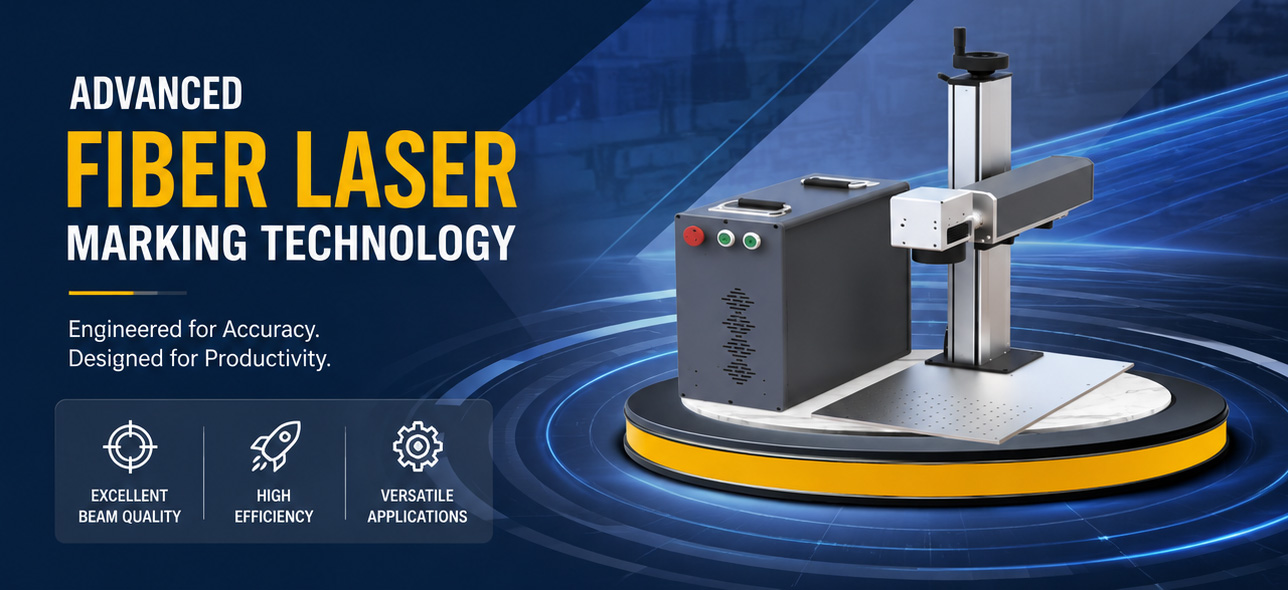
Introduction to Laser Etching Software Solutions
Laser etching software serves as the critical interface between digital designs and precision marking equipment, transforming graphical data into precise laser control commands that achieve permanent marks on diverse materials. As a leading developer with over 20 years of experience in laser control technology, Beijing JCZ Technology Co., Ltd. provides professional laser etching software solutions that power thousands of industrial marking systems worldwide across electronics, automotive, medical device, and consumer goods manufacturing sectors.
Our software platforms support CO2, fiber, UV, and green laser technologies with processing speeds reaching 12,000mm/s and positioning accuracy of 0.001mm. According to the 2025 Global Laser Processing Market Report published by Grand View Research, the laser marking software segment represents a $890 million market with projected compound annual growth of 7.3% through 2030. This growth trajectory reflects accelerating automation adoption in manufacturing sectors, driven by traceability requirements, quality control mandates, and productivity optimization initiatives.
The fundamental role of laser etching software extends beyond simple design-to-laser translation. Modern platforms incorporate advanced features including real-time power modulation, intelligent path optimization, multi-axis coordination, and integrated quality verification systems. These capabilities enable manufacturers to achieve consistent mark quality while maximizing throughput and minimizing operational costs. Our development philosophy centers on providing comprehensive solutions that address both immediate marking requirements and long-term production scalability needs.
Core Capabilities of Professional Laser Etching Software
Professional laser etching software delivers comprehensive control over marking parameters that directly impact quality, speed, and consistency across diverse applications. Our EZCAD software platform provides functionality that distinguishes professional solutions from basic laser control applications:
- Real-time laser power modulation with 0.1% resolution for precise energy control across varying material conditions and marking depths
- Advanced vector processing algorithms supporting 10+ file formats including DXF, PLT, AI, BMP, and Gerber, with automatic format detection and optimization
- Multi-axis galvanometer control with 3D surface mapping capabilities for marking on curved, spherical, and irregular surfaces
- Integrated vision alignment systems achieving ±0.02mm registration accuracy for precision positioning on pre-printed or pre-machined components
- Barcode and QR code generation meeting ISO/IEC 18004 and GS1 standards, with automatic error correction level optimization
- Variable data processing supporting serialization, date coding, and personalized marking with database connectivity
Performance testing across 500+ customer installations demonstrates average throughput improvements of 35-45% when upgrading from basic laser control software to our advanced platform. The software’s intelligent path optimization algorithms reduce processing time by eliminating redundant movements and optimizing travel sequences, while predictive parameter adjustment ensures consistent mark quality across varying material conditions including surface irregularities, temperature variations, and batch-to-batch property differences.
Our parameter library contains validated settings for over 200 materials including metals (stainless steel, aluminum, copper, titanium), plastics (ABS, polycarbonate, PVC, acrylic), and specialty materials (ceramics, glass, composites). Each material profile incorporates optimized settings for power, speed, frequency, pulse width, and scanning strategy based on extensive testing in our application laboratory, significantly reducing setup time for new applications while ensuring first-time-right marking results.
Technical Specifications and System Requirements
Our laser etching software architecture supports diverse industrial environments with flexible deployment options ranging from standalone workstations to fully integrated production lines:
Processing Capabilities:
- Maximum marking speed: 12,000mm/s (dependent on laser source and galvanometer specifications)
- Positioning resolution: 0.001mm with sub-pixel interpolation for ultra-fine detail reproduction
- Support laser power range: 1W to 1,000W across fiber, CO2, UV, and green laser sources
- Working area: Up to 600mm × 600mm with standard 2D galvo, expandable to 1,200mm × 1,200mm with 3D scanning heads
- Repetition accuracy: ±0.005mm over 8-hour continuous operation with temperature compensation
System Compatibility:
- Windows 7/10/11 (64-bit) with real-time processing support and multi-core CPU optimization
- Linux distributions (Ubuntu 20.04+, CentOS 7+) for integrated production environments and embedded systems
- API integration for automation systems via DLL libraries, TCP/IP socket communication, and REST web services
- Multi-language interface: English, Chinese, German, Japanese, Korean, Italian, Spanish, French, Portuguese
- Database connectivity: SQL Server, MySQL, Oracle, PostgreSQL for variable data and traceability integration
The EZCAD software download package includes comprehensive installation utilities, hardware drivers for supported laser controllers, and the complete parameter library. Installation typically completes within 15 minutes for standard configurations, with automatic hardware detection and configuration wizards guiding users through setup processes. Software updates are delivered quarterly, incorporating new features, expanded material support, and compatibility improvements based on customer feedback and emerging application requirements.
Industrial Applications and Use Cases
Laser etching software enables permanent marking solutions across critical manufacturing sectors, each with specific requirements for mark quality, content, and production integration:
Electronics Manufacturing: Circuit board identification, component traceability, and CE/UL certification marking represent primary applications. Our software supports DataMatrix codes meeting IEC 62022-1 standards for electronics traceability, with processing rates exceeding 1,200 marks per hour on typical PCB production lines. Integration with pick-and-place equipment enables automatic mark positioning relative to component locations, while vision verification ensures mark quality and content accuracy. Typical applications include PCB serialization, component date codes, manufacturer identification, and quality inspection stamps.
Automotive Components: VIN marking, part number serialization, and supplier identification require permanent, tamper-evident marks that survive harsh operating environments. Integration with production ERP systems enables automatic serialization with unique ID generation, supporting Industry 4.0 traceability requirements across global supply chains. Testing confirms 99.97% first-pass yield rates across 50,000+ automotive marking operations, with mark survival verified through accelerated aging tests including thermal cycling, corrosion exposure, and mechanical stress testing. Applications span powertrain components, chassis parts, interior trim, and electrical systems.
Medical Devices: UDI compliance marking, instrument identification, and sterile packaging codes require validated processes meeting regulatory requirements. The software meets FDA 21 CFR Part 820 requirements for medical device traceability, with validated processes for permanent marking on surgical instruments, implants, diagnostic equipment, and packaging materials. Mark content validation ensures UDI format compliance, while process validation documentation supports regulatory submissions. Typical applications include instrument reprocessing identification, implant serialization, and sterile barrier system marking.
Consumer Products: Brand logos, warranty information, and anti-counterfeiting marks protect brand integrity while providing consumer-facing information. Advanced features include variable data processing for personalized products, covert marking capabilities using invisible wavelengths for brand protection, and aesthetic optimization for visible marks on premium products. Applications span consumer electronics, personal care products, luxury goods, and promotional items.
Advanced Features Differentiating Professional Solutions
Beyond basic marking functions, professional laser etching software provides advanced capabilities that enhance productivity, quality, and application flexibility:
3D Surface Mapping: Automatic Z-axis adjustment for curved or irregular surfaces using integrated profilometry data or imported CAD surface models. This capability extends marking applications to complex geometries including cylindrical, spherical, and freeform surfaces with consistent focal position maintenance. The software calculates optimal Z trajectories based on surface geometry, ensuring uniform mark quality across varying surface orientations. Applications include marking on curved housings, spherical components, and contoured surfaces where traditional 2D marking produces inconsistent results.
Fly Marking Mode: On-the-fly marking for conveyorized production without stopping product flow enables seamless integration with high-speed production lines. Our software achieves synchronization accuracy of ±0.1mm at conveyor speeds up to 60m/min, with encoder integration providing precise position tracking. This capability eliminates bottlenecks in continuous production processes, maintaining line throughput while adding marking functionality. Typical applications include beverage container coding, pharmaceutical packaging, and consumer goods production lines.
Multi-Head Coordination: Synchronized control of multiple laser heads for increased throughput or expanded marking areas supports scalable production configurations. Testing demonstrates linear scaling of processing capacity with up to 4 coordinated marking heads, achieving 4× throughput for large-batch operations. Multi-head configurations also enable simultaneous marking on multiple product faces or parallel processing of multiple products, optimizing production line efficiency.
Quality Assurance Integration: Real-time mark verification using integrated vision systems with pass/fail classification ensures mark quality without manual inspection. The software logs quality metrics including contrast, completeness, dimensional accuracy, and content verification, supporting statistical process control and continuous improvement initiatives. Reject handling integrates with production systems for automatic rework or diversion, maintaining quality standards without operator intervention.
Implementation and Technical Support
Successful laser etching software deployment requires comprehensive technical support throughout the implementation lifecycle, from initial installation through ongoing optimization:
Installation and Configuration: Our technical team provides remote or on-site installation support, including system integration with existing production equipment, ERP connectivity, and quality management systems. Typical deployment timeline ranges from 2-5 days for standard configurations, with comprehensive training programs for operator and maintenance personnel covering software operation, parameter optimization, and troubleshooting procedures.
Parameter Optimization: Application engineers work with customers to develop optimized marking parameters for specific materials and quality requirements. This collaborative process includes sample testing, parameter refinement, and documentation of validated settings for production use. The resulting parameter sets become part of the customer’s process documentation, ensuring reproducible results across shifts and production sites.
Ongoing Support: Technical support coverage spans multiple time zones with response time guarantees of 4 hours for critical issues affecting production operations. Annual software updates incorporate new features, expanded material support, and compatibility improvements, with maintenance agreements ensuring continuous access to technical resources and software enhancements.
Conclusion
Choosing the right laser etching software significantly impacts marking quality, production efficiency, and operational flexibility across diverse manufacturing applications. Beijing JCZ Technology’s EZCAD platform delivers the advanced features, technical support, and proven reliability that industrial applications demand. With thousands of successful installations across electronics, automotive, medical device, and consumer goods manufacturing sectors, our software solutions provide the foundation for precision marking operations that meet today’s quality and productivity requirements while supporting future expansion and technology integration.
For technical consultation, software demonstrations, or implementation planning, contact our application engineering team to discuss your specific laser marking requirements and discover how EZCAD software can optimize your marking operations.
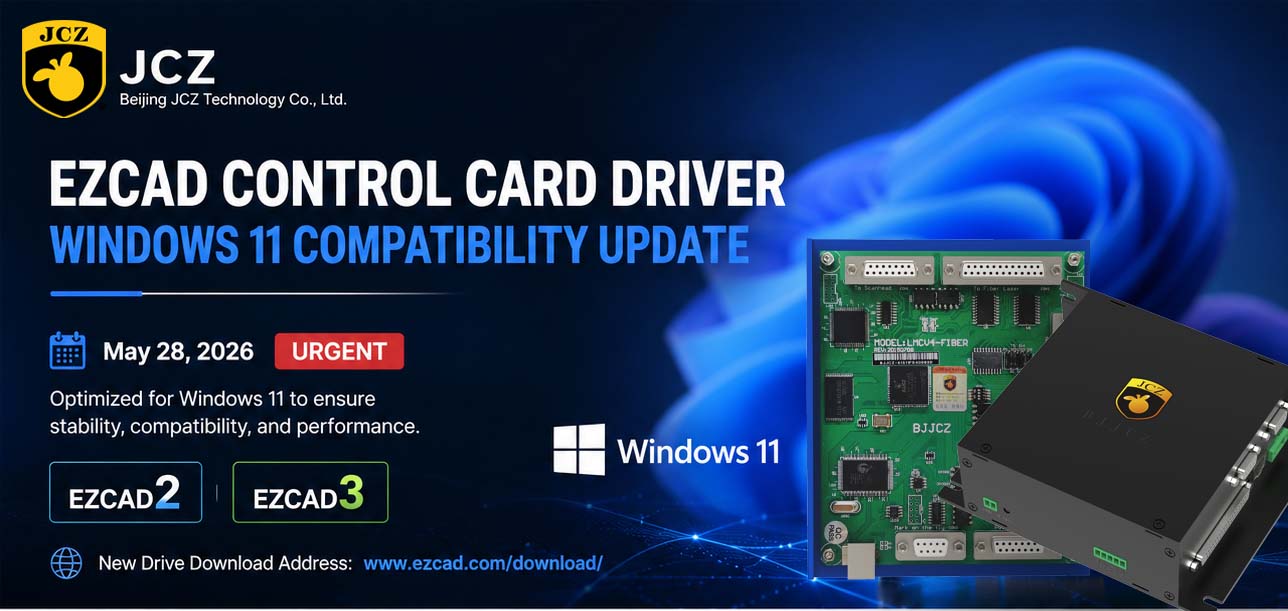
OFFICIAL DRIVER UPDATE NOTICE

Top Factors That Affect Marking Quality in Handheld Fiber Laser Systems
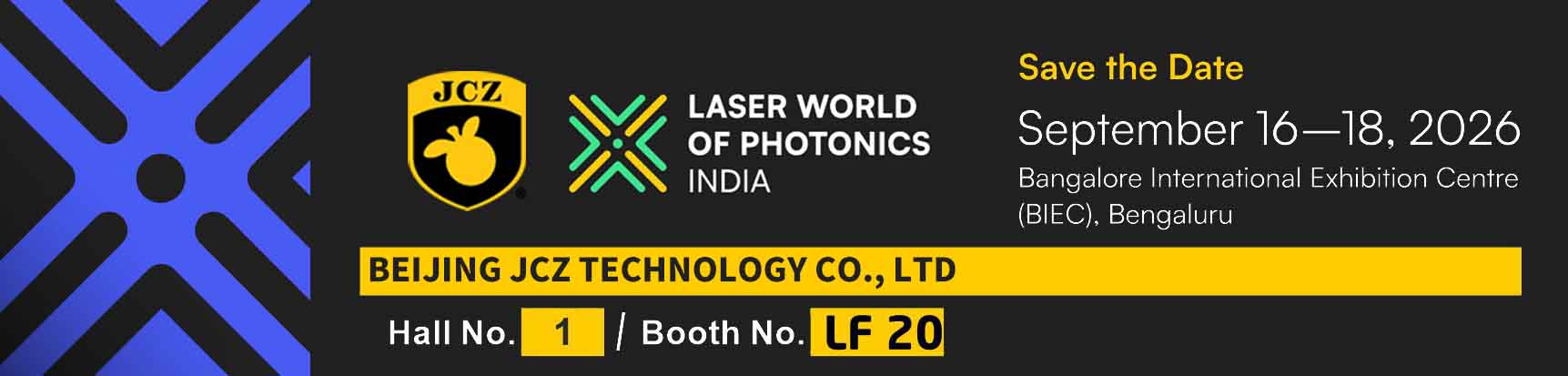
Meet JCZ at Laser World of Photonics India 2026 in Bengaluru
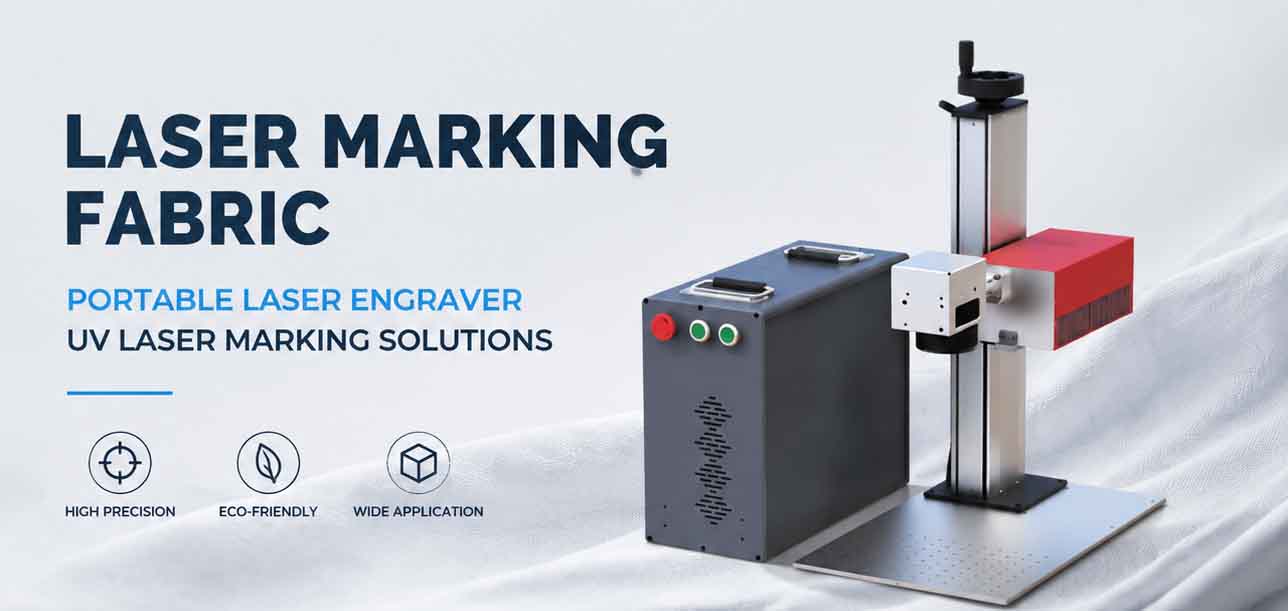
Laser Marking Fabric with Portable Laser Engraver: Advanced UV Laser Marking Solutions for Modern Manufacturing
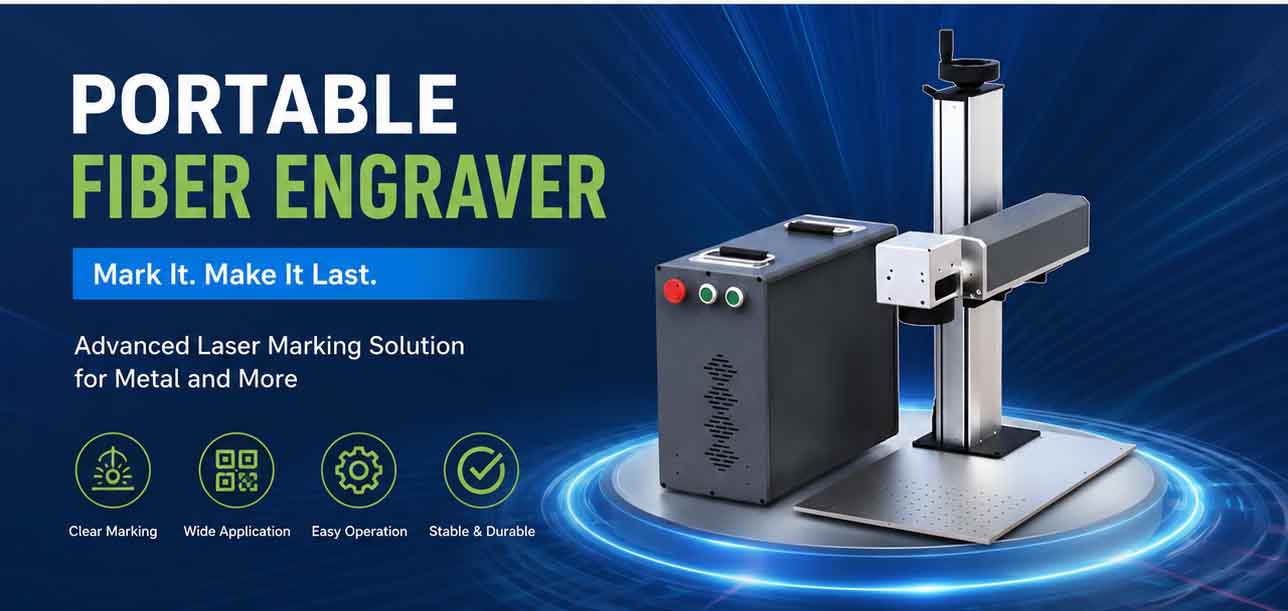
Laser Machine for Marking: The Ultimate Guide to Portable Fiber Engravers & MOPA Color Laser Marking
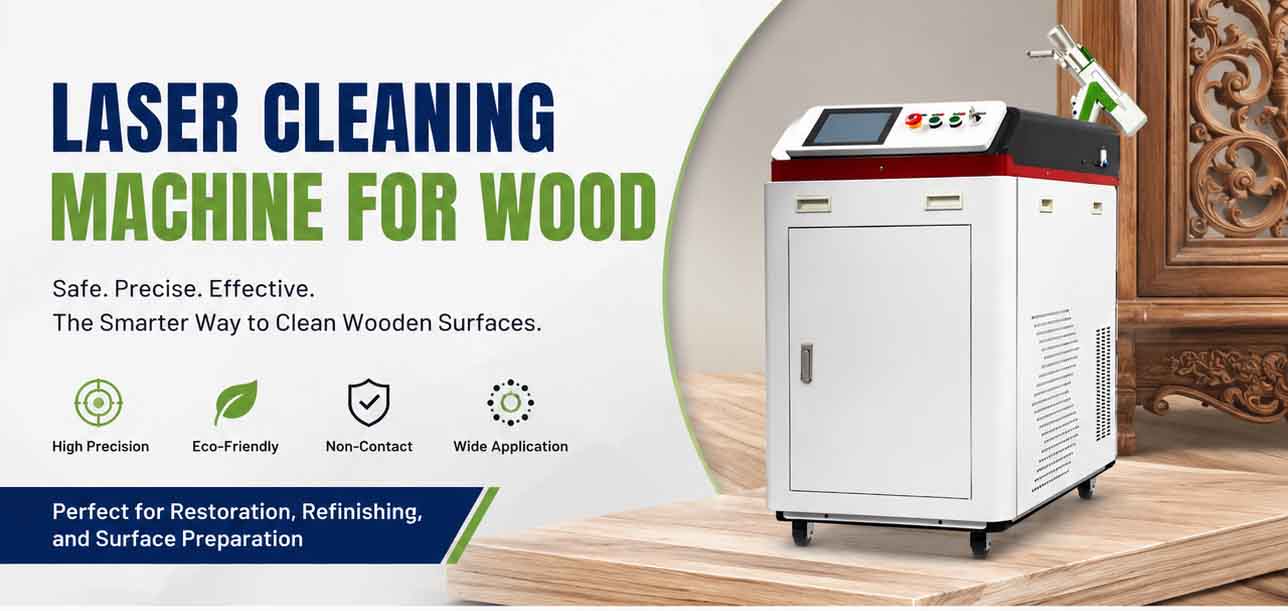
Laser Cleaning Machine for Wood: The Ultimate Guide to Safe, Precise & Eco-Friendly Wood Surface Cleaning