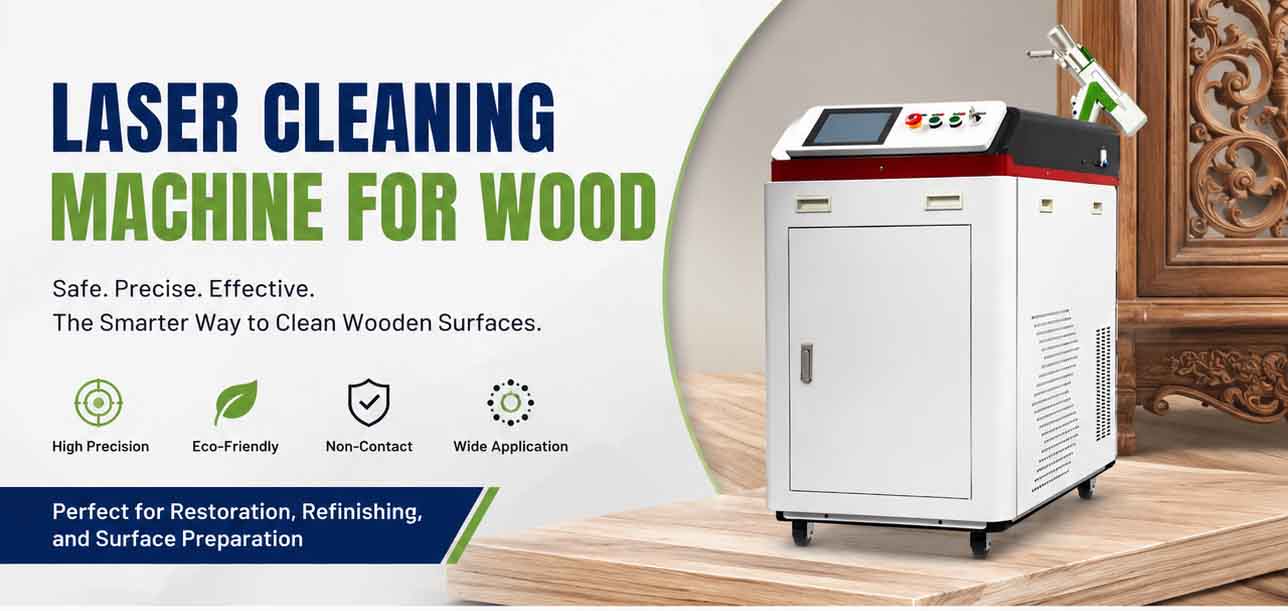
Laser Welding Software: Complete Guide to Industrial Applications
Introduction
Laser welding has become an indispensable technology in modern manufacturing, offering precision, speed, and versatility that traditional welding methods cannot match. At the heart of every successful laser welding operation lies sophisticated laser welding software that controls, monitors, and optimizes the entire process. Beijing JCZ Technology Co., Ltd. (stock code 688291), founded in 2004, has established itself as a leading provider of laser control solutions, serving global laser system integrators with cutting-edge software and hardware products.
According to MarketsandMarkets, the global laser welding market is projected to grow from $2.8 billion in 2023 to $4.2 billion by 2028, representing a compound annual growth rate (CAGR) of 8.4%. This growth is driven by increasing demand from automotive, aerospace, electronics, and medical device industries, all of which rely on advanced laser welding software to achieve consistent, high-quality welds.
Understanding Laser Welding Software Architecture
Core Components and Functions
Modern laser welding software consists of several integrated modules that work together to deliver precise control over the welding process. The architecture typically includes:
Motion Control Module: This component manages the movement of galvo scanners or CNC systems, determining the welding path with positioning accuracy of ±0.01mm to ±0.05mm. Advanced systems can achieve scanning speeds exceeding 10 meters per second, enabling rapid processing of complex weld patterns.
Laser Power Control: The software regulates laser output power in real-time, adjusting parameters such as pulse frequency (ranging from 1 Hz to 500 kHz for pulsed lasers), pulse width (from nanoseconds to milliseconds), and peak power. For continuous wave (CW) lasers, power modulation can reach frequencies up to 50 kHz, allowing precise energy delivery for different materials.
Process Monitoring and Quality Assurance: Integrated sensors monitor key parameters including temperature, weld pool dynamics, and plasma emission. According to research published in the Journal of Laser Applications, real-time monitoring can reduce defect rates by 40-60% compared to open-loop systems, significantly improving production yield.
Integration with Hardware Systems
Effective laser welding software must seamlessly integrate with various hardware components. The laser welding controller serves as the bridge between software commands and physical execution, translating digital instructions into precise electrical signals that drive galvo scanners, laser sources, and auxiliary systems.
JCZ’s laser welding controllers support multiple communication protocols including USB 2.0/3.0, PCIe, and Ethernet, with data transfer rates up to 400 MB/s for PCIe-based systems. This high-bandwidth connectivity ensures real-time command execution with latency below 1 millisecond, critical for maintaining weld quality in high-speed applications.
Key Features of Advanced Laser Welding Software
1. Multi-Material Compatibility
Modern laser welding software must accommodate diverse material combinations. Different metals require specific welding parameters:
The software maintains material-specific parameter libraries, allowing operators to select pre-optimized settings or customize parameters for unique applications. JCZ’s EZCAD software includes over 200 pre-configured material profiles, covering common industrial metals and alloys.
2. 3D Welding Capabilities
Three-dimensional welding presents unique challenges, requiring dynamic focus control and complex trajectory planning. Advanced software systems incorporate:
Dynamic Focus Control: Automatically adjusts focal position during welding to maintain optimal spot size on curved surfaces. JCZ’s 3D galvo scanners achieve focus range of ±50 mm with positioning accuracy of 0.1 mm, enabling consistent weld quality across complex geometries.
Trajectory Optimization: Algorithms calculate optimal tool paths considering surface normal vectors, welding speed constraints, and heat accumulation. This reduces programming time by 60-80% compared to manual point-by-point teaching.
3. Wobble Welding Technology
Wobble welding, also known as beam oscillation, involves rapidly moving the laser beam in circular, elliptical, or linear patterns during welding. This technique offers several advantages:
Software implementation allows precise control of oscillation frequency (50-1000 Hz), amplitude (0.1-2 mm), and pattern type, enabling optimization for specific applications.
Software Development and Customization
SDK Capabilities for System Integrators
For laser system integrators requiring customized solutions, the EZCAD software development kit provides comprehensive programming interfaces. The SDK enables:
With over 80% of its 300 employees working in R&D and technical support, JCZ offers responsive secondary development services. Typical customization projects range from 2-8 weeks depending on complexity, with costs varying from $5,000 to $50,000 for comprehensive solutions.
Programming Languages and Compatibility
The EZCAD SDK supports multiple programming environments:
This multi-language support ensures compatibility with diverse development environments and engineering workflows.
Industrial Applications and Case Studies
Automotive Industry
Laser welding plays a critical role in automotive manufacturing, particularly for:
Body-in-White Assembly: Tailor-welded blanks combine steel sheets of different thicknesses (0.6-2.0 mm), reducing vehicle weight by 15-25% while maintaining structural integrity. Software-controlled welding ensures consistent seam quality across production volumes exceeding 1,000 units per day.
Battery Pack Welding: Electric vehicle battery modules require precise welding of copper bus bars and aluminum cell terminals. Software manages power modulation to prevent burn-through while achieving joint strength exceeding 200 MPa. A typical battery pack contains 200-400 weld joints, each requiring 100-500 ms welding time.
Electronics and Medical Devices
Miniaturization trends demand increasingly precise welding capabilities:
Hermetic Sealing: Electronic packages and medical implants require hermetic seals with leak rates below 10^-8 atm·cc/s. Laser welding software controls pulse energy and overlap to achieve porosity-free seams, critical for long-term reliability.
Jewelry Manufacturing: The mini jewelry laser welding machine offers power range of 60W to 400W, enabling precise welding of delicate components with positioning accuracy of 0.01 mm. Typical applications include ring sizing, chain repair, and stone setting, with weld spot diameters from 0.1-0.5 mm.
Aerospace Applications
Aerospace components demand the highest quality standards:
Engine Components: Titanium alloy welds require precise heat input control to maintain microstructure integrity. Software monitors interpass temperature, ensuring it remains below 500°C to prevent alpha case formation. Weld penetration of 2-6 mm is achieved with power levels of 1-5 kW.
Structural Assemblies: Large-scale welding of aluminum fuselage panels utilizes multi-kilowatt lasers with welding speeds of 5-15 m/min. Software manages thermal distortion prediction and compensation, maintaining dimensional tolerances within ±0.5 mm over component lengths exceeding 3 meters.
Quality Assurance and Process Validation
In-Process Monitoring
Advanced laser welding software incorporates multiple monitoring channels:
Pyrometry: Measures weld pool temperature (1500-3000°C for steel) with sampling rates up to 10 kHz, detecting temperature excursions that indicate potential defects.
High-Speed Imaging: Cameras operating at 1000-10,000 frames per second capture weld pool dynamics, enabling real-time assessment of keyhole stability and melt pool geometry.
Spectroscopy: Analyzes plasma emission spectra to identify material composition and contamination, particularly important for dissimilar metal welding.
Statistical Process Control (SPC)
Software logs all process parameters with timestamps, enabling:
According to industry studies, implementation of comprehensive SPC systems reduces scrap rates by 30-50% and increases first-pass yield by 15-25%.
Future Trends in Laser Welding Software
Artificial Intelligence and Machine Learning
Next-generation software incorporates AI algorithms for:
Parameter Optimization: Machine learning models trained on thousands of weld samples predict optimal parameters for new material combinations, reducing setup time by 70-90%.
Defect Prediction: Neural networks analyze in-process sensor data to predict defect formation with accuracy exceeding 95%, enabling preventive action before defects occur.
Adaptive Control: Real-time adjustment of welding parameters based on sensor feedback, maintaining optimal conditions despite variations in material properties or joint geometry.
Digital Twin Integration
Digital twin technology creates virtual replicas of physical welding systems:
Conclusion
Laser welding software has evolved from simple motion control programs to sophisticated systems integrating real-time monitoring, adaptive control, and artificial intelligence. As manufacturing demands continue to increase for precision, speed, and quality, the role of software becomes ever more critical.
With 20 years of experience since its founding in 2004, JCZ Technology has established itself as a trusted partner for laser system integrators worldwide. The company’s comprehensive product portfolio—from software and controllers to galvo scanners and complete welding systems—provides integrated solutions that address the full spectrum of industrial laser welding requirements.
For manufacturers seeking to optimize their laser welding processes, investment in advanced software represents a strategic decision with measurable returns: reduced setup time, improved quality, and enhanced process capability. As the industry continues to advance toward Industry 4.0 and smart manufacturing, laser welding software will remain at the forefront of technological innovation, enabling the next generation of precision manufacturing applications.
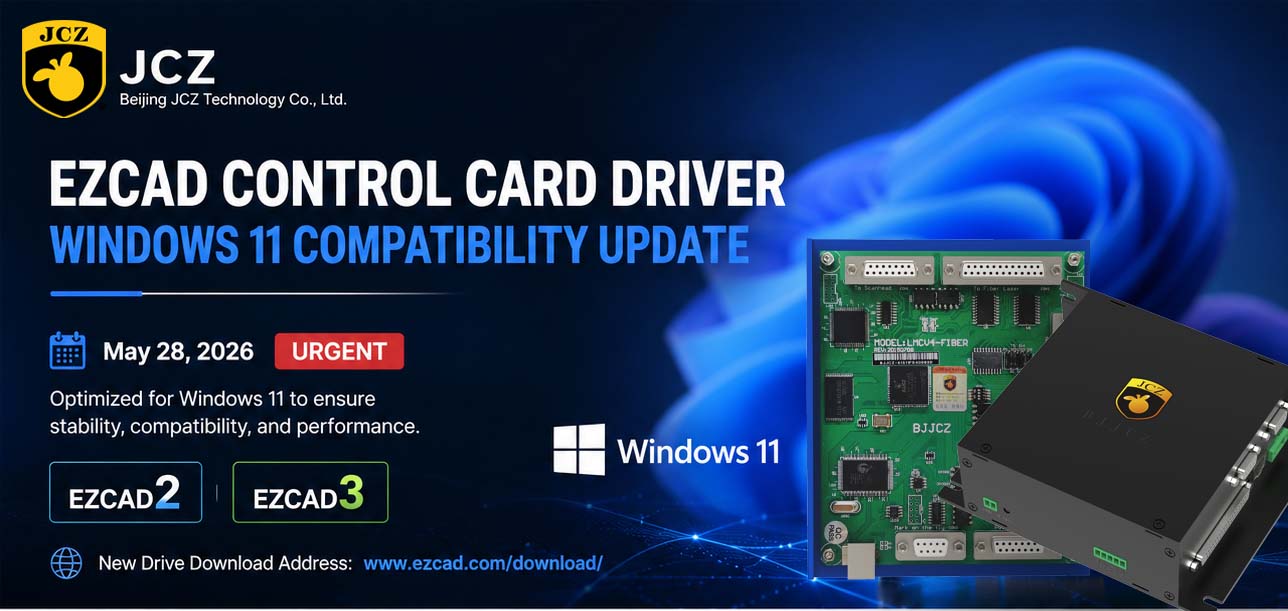
OFFICIAL DRIVER UPDATE NOTICE

2026 Mid-Autumn Festival and National Day Holiday Notice

Top Factors That Affect Marking Quality in Handheld Fiber Laser Systems
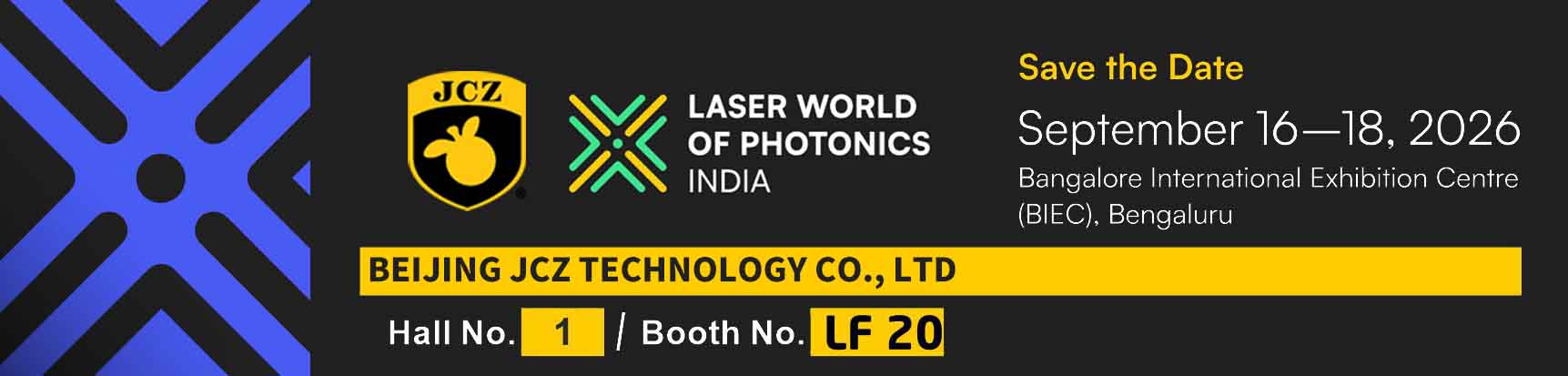
Meet JCZ at Laser World of Photonics India 2026 in Bengaluru
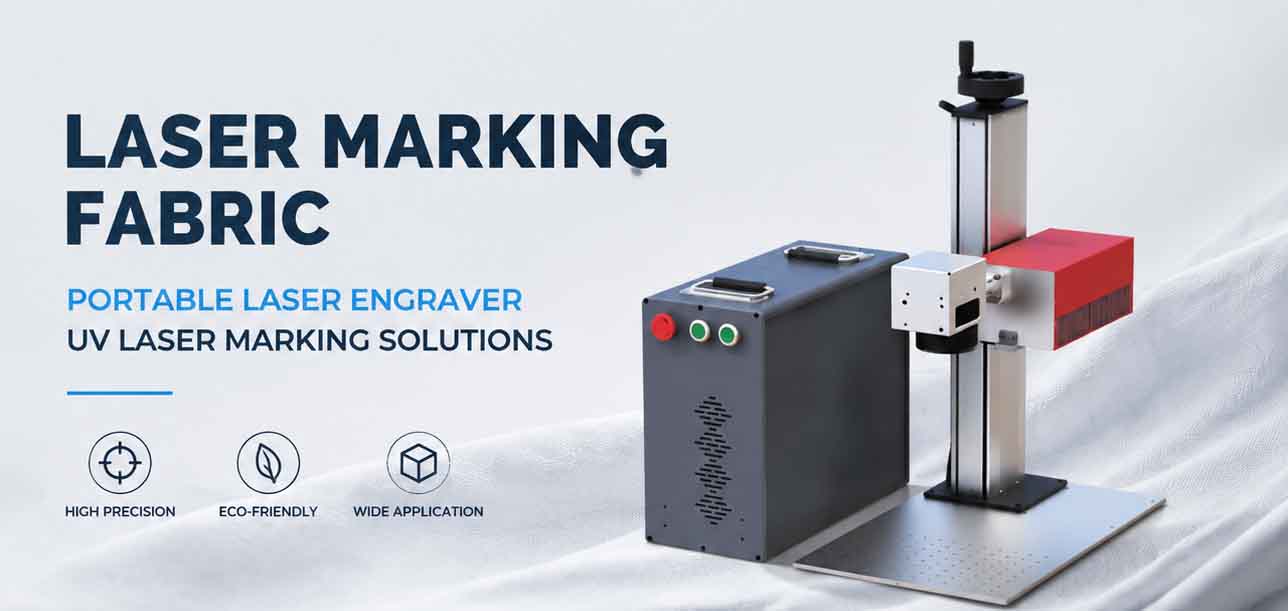
Laser Marking Fabric with Portable Laser Engraver: Advanced UV Laser Marking Solutions for Modern Manufacturing
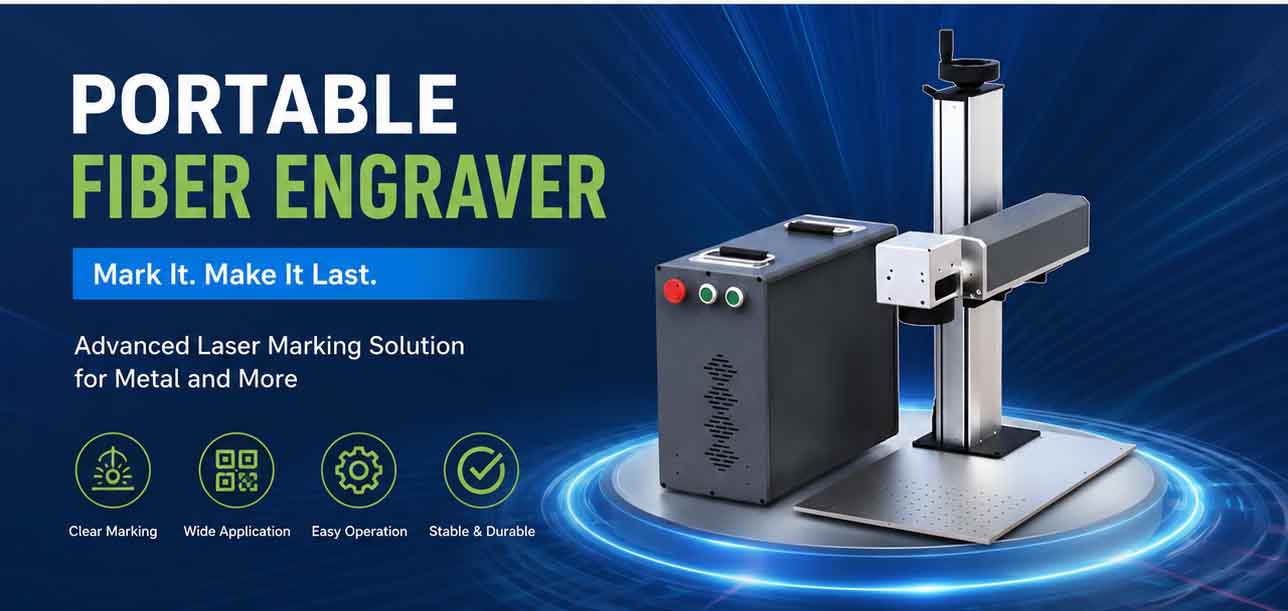
Laser Machine for Marking: The Ultimate Guide to Portable Fiber Engravers & MOPA Color Laser Marking