Why Nanosecond Lasers Remain Essential in Modern Manufacturing
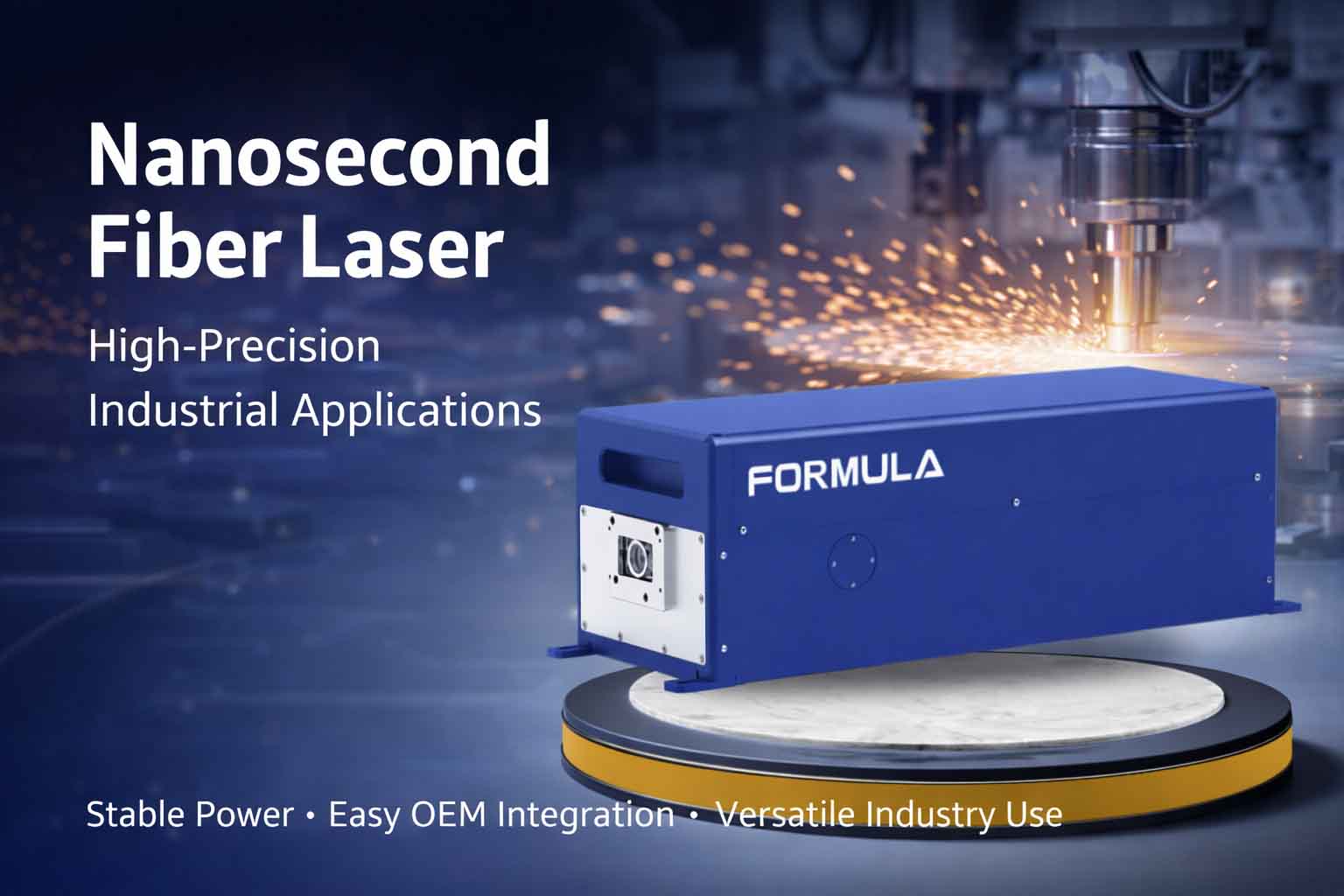
In industrial laser applications, nanosecond lasers continue to play a critical role because they provide reliable pulse energy, excellent material compatibility, and cost-effective performance across many production environments. Compared with longer pulse technologies, nanosecond lasers allow manufacturers to achieve precise marking, engraving, cleaning, and trimming while maintaining high throughput.
A modern nanosecond fiber laser is especially popular in industrial systems because it combines stable beam quality, compact structure, and long service life. For manufacturers seeking dependable laser sources for automated production lines, nanosecond pulse technology offers a strong balance between efficiency and investment cost.
What Makes Nanosecond Fiber Laser Technology Popular
A nanosecond fiber laser produces extremely short pulses in the nanosecond range, usually between several nanoseconds and hundreds of nanoseconds. This pulse duration creates strong peak power while controlling thermal impact on many materials.
Because of this characteristic, nanosecond lasers are widely used in:
- metal marking
- stainless steel engraving
- anodized aluminum coding
- PCB processing
- thin film trimming
- precision welding preparation
- industrial cleaning
Compared with traditional laser systems, a nanosecond fiber laser often delivers:
- low maintenance
- air cooling design
- stable long-term operation
- easy integration with galvanometer systems
- compatibility with industrial automation platforms
For overseas buyers, these features directly reduce operating cost and improve return on investment.
Main Applications of Nanosecond Lasers in Industry
Today, nanosecond lasers are used across multiple sectors because they can process both metals and non-metals efficiently.
Metal Marking and Engraving
A nanosecond fiber laser is widely used for permanent marking on:
- stainless steel
- aluminum
- copper
- brass
- titanium
It creates clear serial numbers, QR codes, logos, and traceability marks required in industrial manufacturing.
Precision Cleaning
Industrial cleaning increasingly relies on nanosecond lasers to remove:
- rust
- oxide layers
- paint
- oil contamination
Without damaging the base material, this process improves environmental performance compared with chemical cleaning.
Thin Film Processing
A nanosecond fiber laser is highly effective for resistor trimming and thin film adjustment because pulse energy can be accurately controlled.
Surface Texturing
Manufacturers also use nanosecond lasers for creating micro textures that improve bonding, friction control, or decorative appearance.
Why Overseas Buyers Prefer Nanosecond Fiber Laser Sources
For many global equipment manufacturers, choosing a nanosecond fiber laser depends on long-term production reliability.
Key purchasing factors include:
Stable Pulse Performance
Stable pulse width ensures consistent marking depth and edge quality.
Long Lifetime
Most industrial nanosecond lasers support tens of thousands of working hours.
Easy Integration
A nanosecond fiber laser can be easily integrated with:
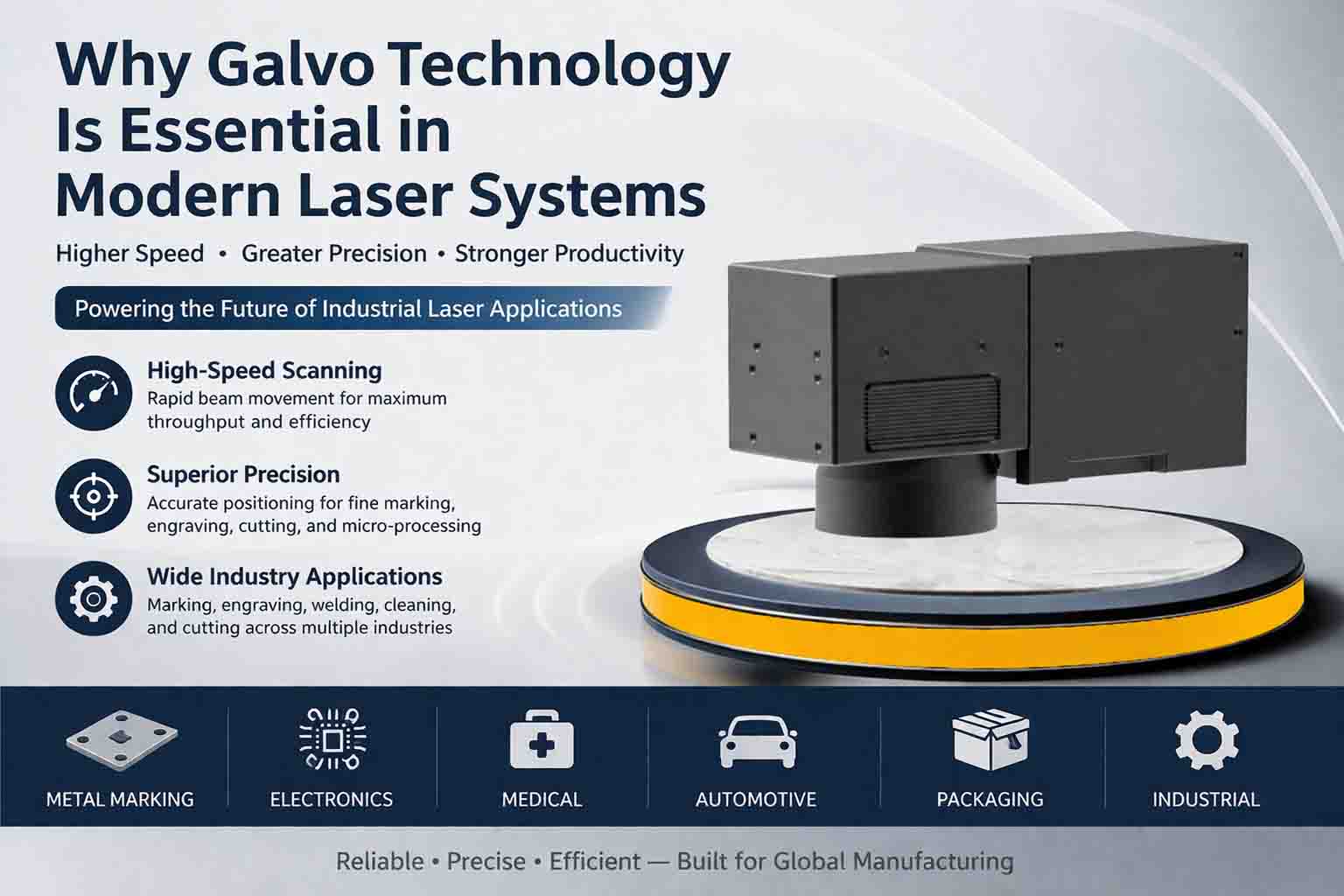
- galvo scanners
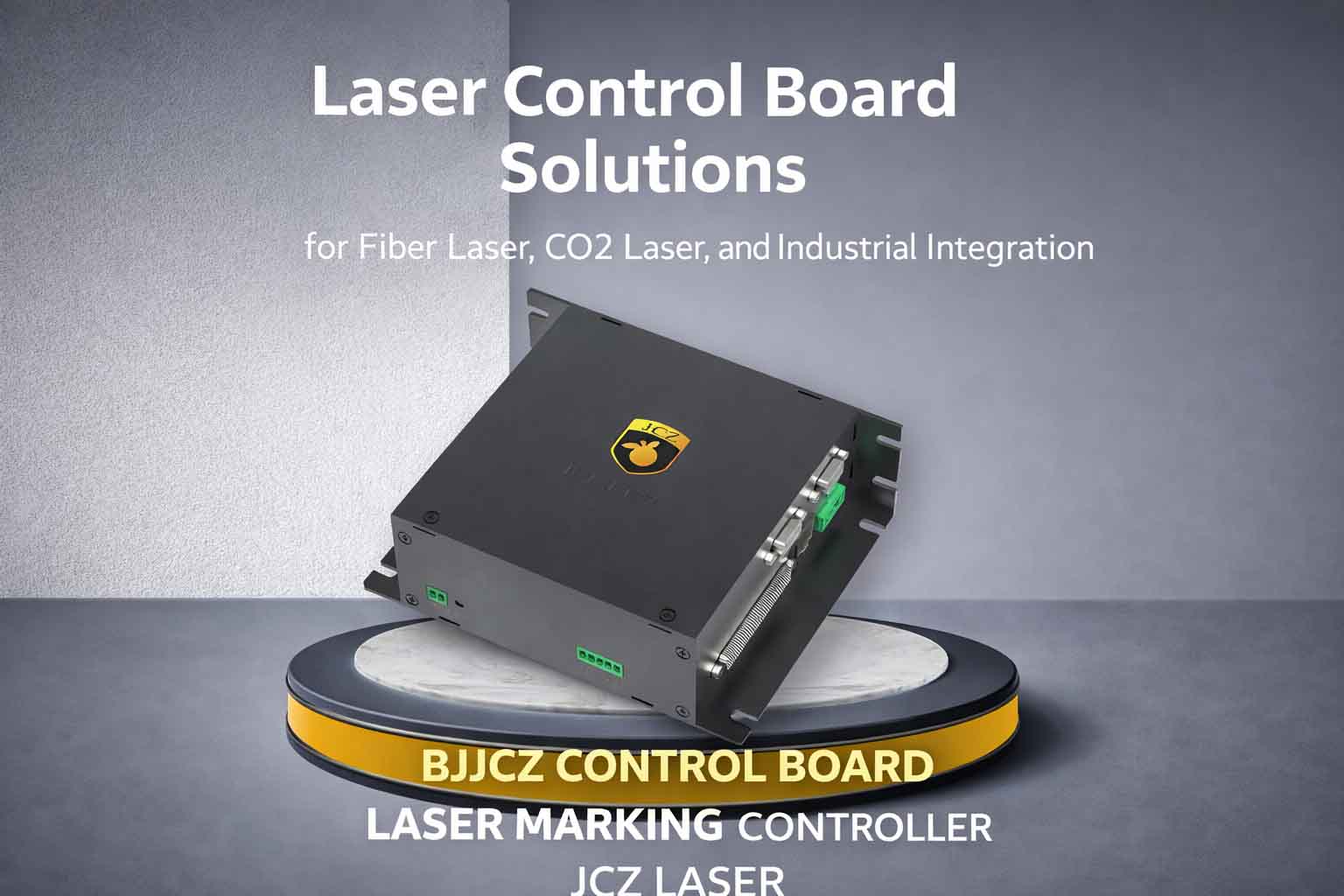
- laser control boards
- robotic systems
- conveyor automation
Flexible Power Options
Typical power choices include:
- 20W
- 30W
- 50W
- 100W
Different industries choose power based on material type and production speed.
Nanosecond Lasers vs Other Pulse Technologies
Many buyers compare nanosecond lasers with picosecond and femtosecond systems.
Nanosecond Laser Advantages
- lower equipment cost
- easier maintenance
- stronger industrial adaptability
- mature global supply chain
When Nanosecond Fiber Laser Is the Best Choice
A nanosecond fiber laser is ideal when customers need:
- industrial marking
- batch engraving
- standard precision cleaning
- resistor trimming
- general-purpose metal processing
For most industrial users, nanosecond technology delivers the best cost-performance ratio.
Choosing the Right Nanosecond Fiber Laser Supplier
When selecting a nanosecond fiber laser, overseas buyers usually focus on:
- source stability
- pulse frequency adjustment
- software compatibility
- technical support
- OEM customization
A reliable supplier should also provide:
- application testing
- export documentation
- integration guidance
- after-sales engineering support
This is especially important for distributors and machine builders who need long-term cooperation.
Future Market Demand for Nanosecond Lasers
As industrial automation continues to expand, nanosecond lasers remain highly competitive because they fit many mature manufacturing processes.
Demand is increasing in:
- automotive production
- electronics manufacturing
- hardware tools
- medical device marking
- battery processing
A modern nanosecond fiber laser will continue to be a core laser source for global production systems because of its balance between precision, speed, and affordability.
Conclusion
For industrial buyers seeking efficient and reliable laser solutions, nanosecond lasers remain one of the most practical technologies available today. A high-quality nanosecond fiber laser can improve production precision, lower maintenance cost, and support long-term industrial operation.
For machine builders, distributors, and manufacturing plants, choosing the right nanosecond laser system means stronger competitiveness in global markets.
UV Laser Solutions for Precision Industrial Marking
Nanosecond Lasers for Industrial Precision Processing
Galvo Scanning Solutions for High-Speed Laser Processing
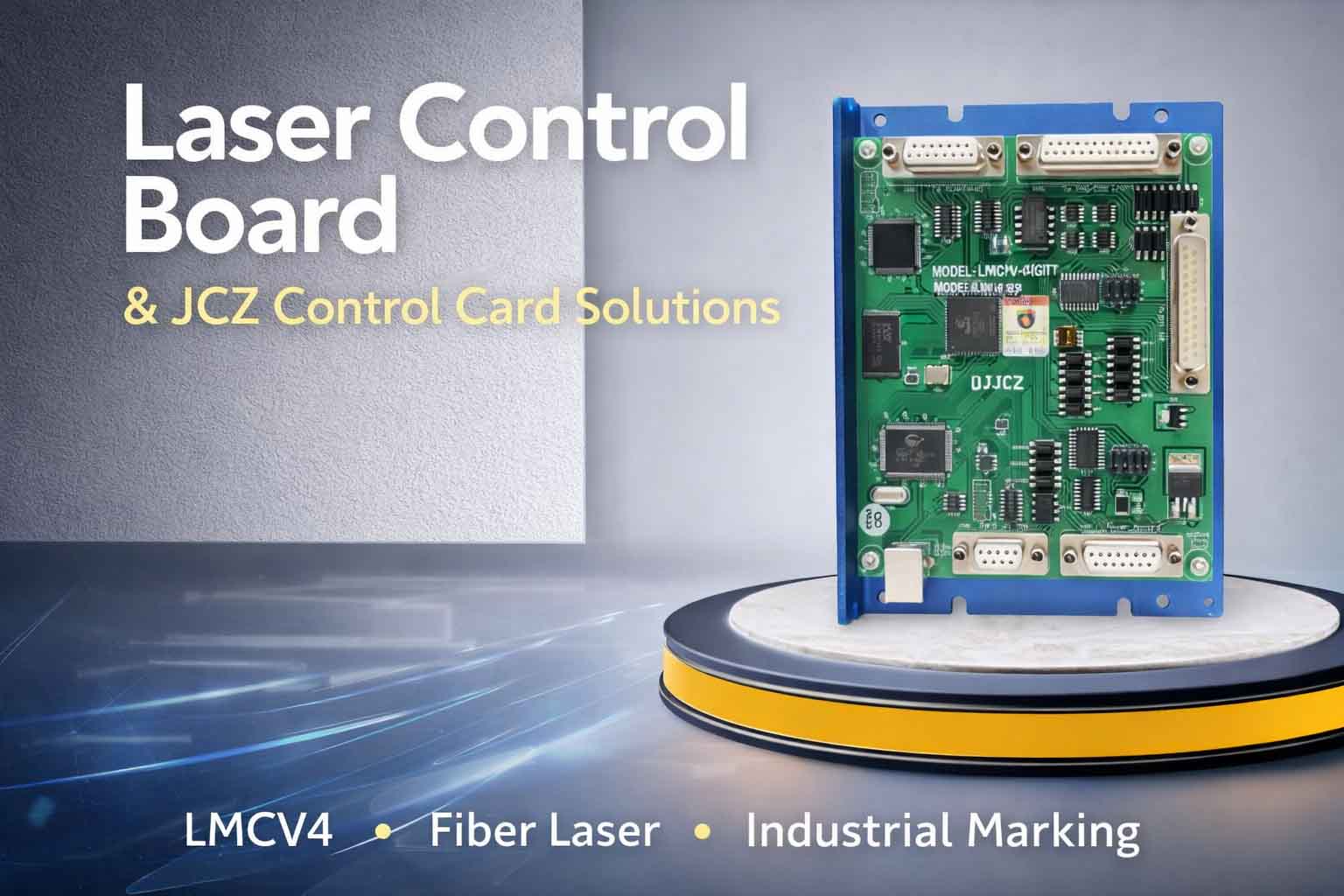
JCZ Control Card and Laser Control Board Solutions

Qingming Festival Holiday Notice