Introduction
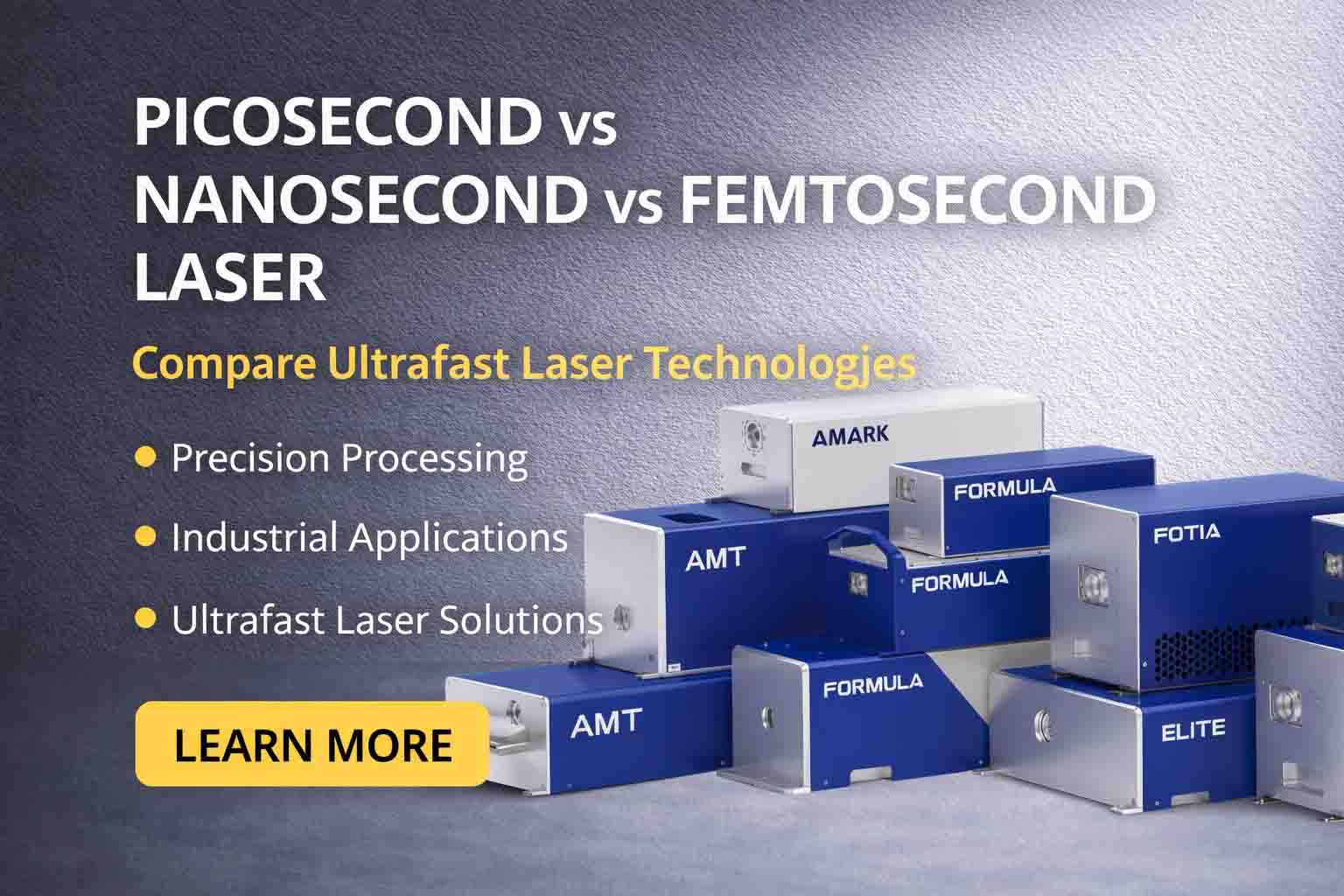
In advanced manufacturing and precision processing, picosecond lasers, nanosecond lasers, and femtosecond laser technologies are driving a new era of ultra-precise, high-efficiency production. These laser systems differ mainly in pulse duration, which directly affects processing quality, heat impact, and application range. Understanding the differences between picosecond lasers, nanosecond lasers, and femtosecond laser solutions is essential for choosing the right equipment and improving your production performance.
What Are Picosecond, Nanosecond, and Femtosecond Lasers?
Laser systems are often categorized by pulse duration:
- Nanosecond lasers (ns): Pulse duration in billionths of a second
- Picosecond lasers (ps): Pulse duration in trillionths of a second
- Femtosecond laser (fs): Pulse duration in quadrillionths of a second
The shorter the pulse, the less heat is transferred to the material, resulting in higher precision and minimal thermal damage.
Key Differences Between Laser Types
| Feature | Nanosecond Lasers | Picosecond Lasers | Femtosecond Laser |
|---|---|---|---|
| Pulse Duration | Longer | Medium | Ultra-short |
| Heat Affected Zone | Larger | Smaller | Minimal |
| Precision | Good | High | Ultra-high |
| Cost | Lower | Medium | Higher |
| Applications | Marking, cleaning | Fine processing | Micro/nano fabrication |
Choosing between picosecond lasers, nanosecond lasers, and femtosecond laser systems depends on your precision requirements and budget.
Nanosecond Lasers: Cost-Effective Industrial Solutions
Nanosecond lasers are widely used in industrial environments due to their balance of performance and cost.
Key Advantages:
- Affordable and reliable
- Suitable for high-speed marking and cleaning
- Ideal for general industrial applications
Common Applications:
- Laser marking and engraving
- Rust and paint removal
- Surface cleaning
For businesses seeking efficiency and cost control, nanosecond lasers are a practical choice.
Picosecond Lasers: High Precision with Reduced Heat Impact
Picosecond lasers offer improved precision compared to nanosecond systems by reducing thermal effects.
Key Advantages:
- Higher accuracy and cleaner edges
- Minimal heat-affected zone
- Suitable for fine material processing
Common Applications:
- Glass cutting and drilling
- PCB processing
- Precision marking
If your application requires better quality and reduced material damage, picosecond lasers are the ideal solution.
Femtosecond Laser: Ultimate Precision Technology
The femtosecond laser represents the highest level of precision in laser processing.
Key Advantages:
- Ultra-short pulse duration
- No thermal damage (cold processing)
- Exceptional micro-machining capability
Common Applications:
- Semiconductor manufacturing
- Medical device fabrication
- Micro and nano processing
For industries demanding extreme precision, the femtosecond laser is unmatched.
How to Choose the Right Laser for Your Business
When selecting between picosecond lasers, nanosecond lasers, and femtosecond laser systems, consider:
- Material Type: Metals, glass, ceramics, plastics
- Precision Requirement: Standard vs ultra-fine
- Production Volume: Mass production vs high-end customization
- Budget: Investment vs long-term ROI
For general industrial use → nanosecond lasers
For precision processing → picosecond lasers
For ultra-precision → femtosecond laser
Why Ultrafast Lasers Are the Future
With the rapid development of high-tech industries, picosecond lasers, nanosecond lasers, and femtosecond laser technologies are becoming essential tools for modern manufacturing. Their ability to deliver precision, efficiency, and minimal damage makes them indispensable for future production.
FAQ
What is the difference between picosecond and femtosecond laser?
A femtosecond laser has a shorter pulse duration, resulting in higher precision and less heat impact compared to picosecond lasers.
Are nanosecond lasers still useful?
Yes, nanosecond lasers are widely used due to their cost-effectiveness and versatility.
Which laser is best for precision cutting?
For ultra-precision, a femtosecond laser is the best choice.
Which laser offers the best value?
For most industrial applications, picosecond lasers provide a good balance between cost and performance.
Conclusion
Understanding the differences between picosecond lasers, nanosecond lasers, and femtosecond laser systems is essential for selecting the right solution. Whether you need cost-effective industrial marking or ultra-precision micro-processing, these laser technologies offer powerful solutions for every application.
Get a Quote Now
Contact us today to get customized solutions for picosecond lasers, nanosecond lasers, and femtosecond laser systems. Upgrade your production with cutting-edge laser technology and stay ahead in the global market!
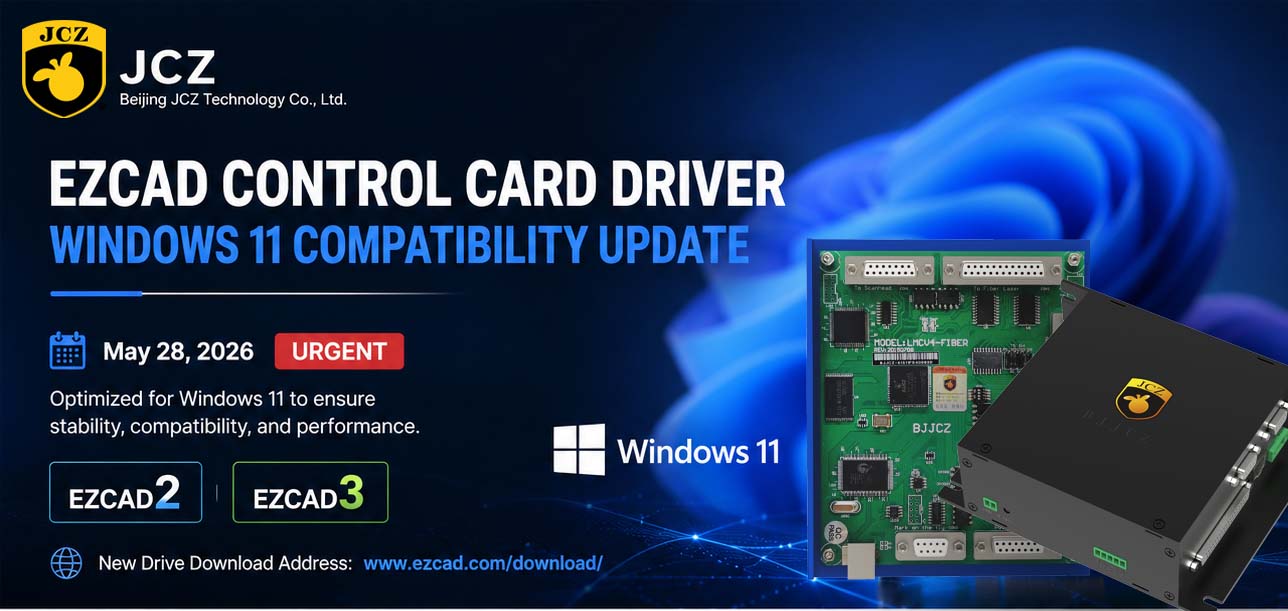
OFFICIAL DRIVER UPDATE NOTICE

2026 Mid-Autumn Festival and National Day Holiday Notice

Top Factors That Affect Marking Quality in Handheld Fiber Laser Systems

Meet JCZ at Laser World of Photonics India 2026 in Bengaluru
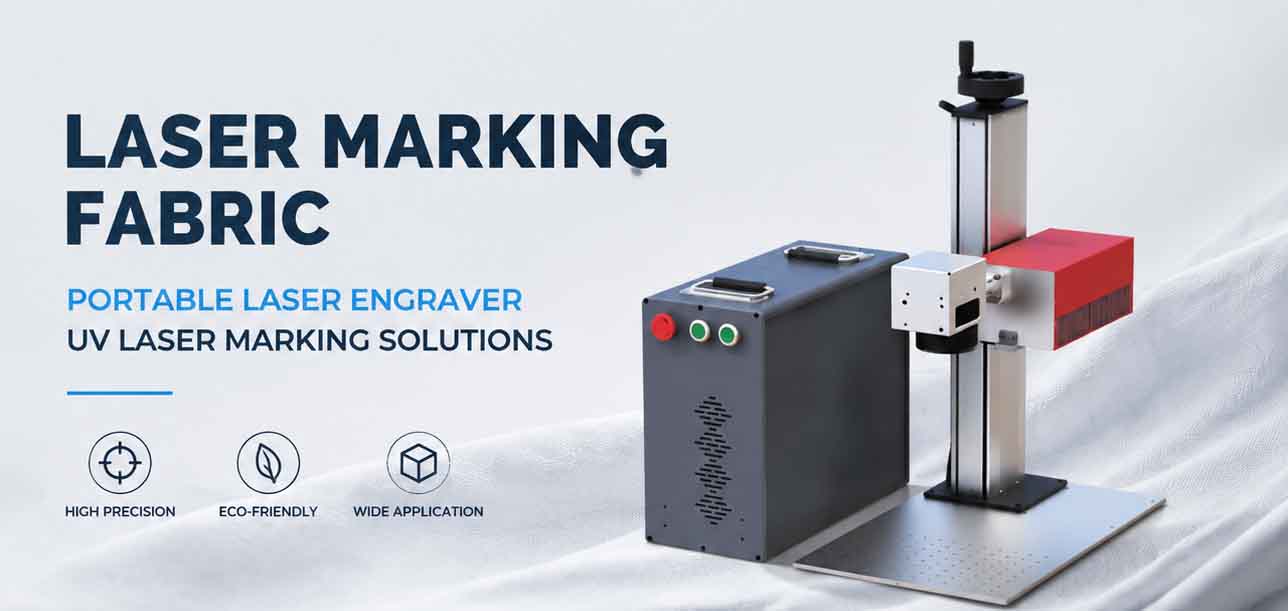
Laser Marking Fabric with Portable Laser Engraver: Advanced UV Laser Marking Solutions for Modern Manufacturing
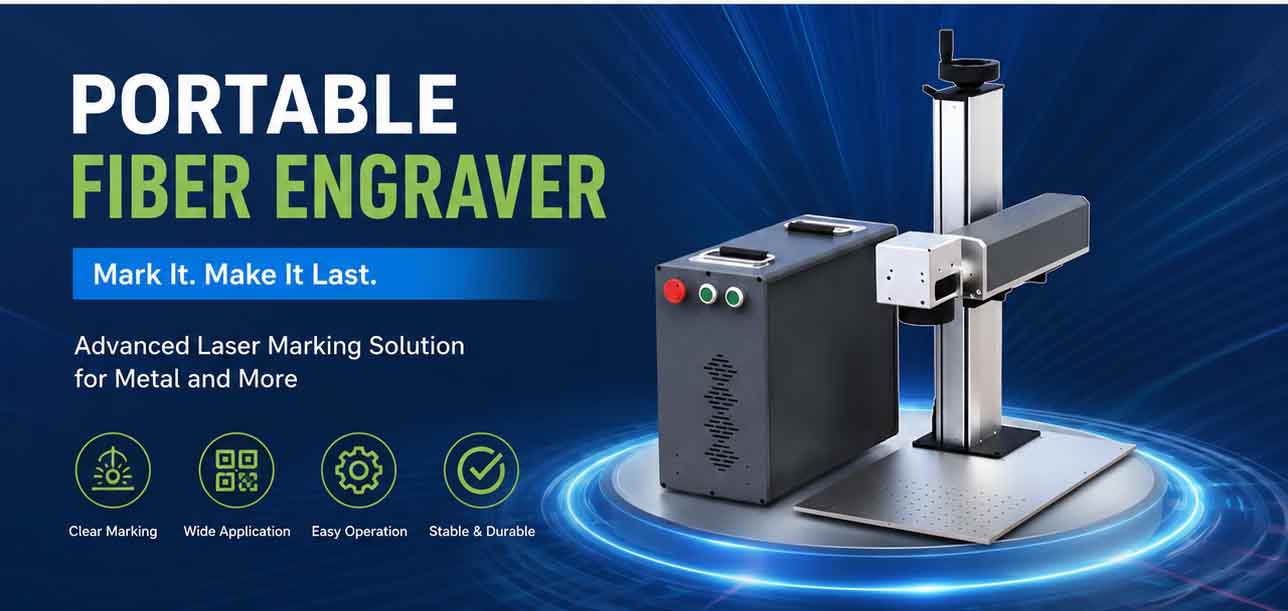
Laser Machine for Marking: The Ultimate Guide to Portable Fiber Engravers & MOPA Color Laser Marking