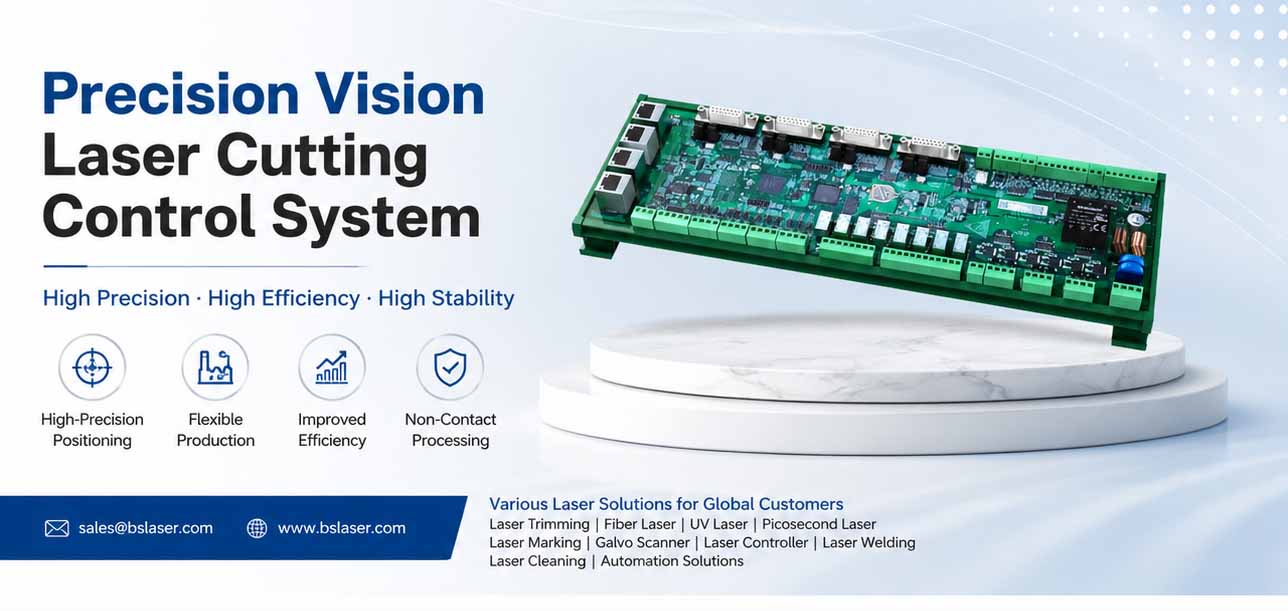
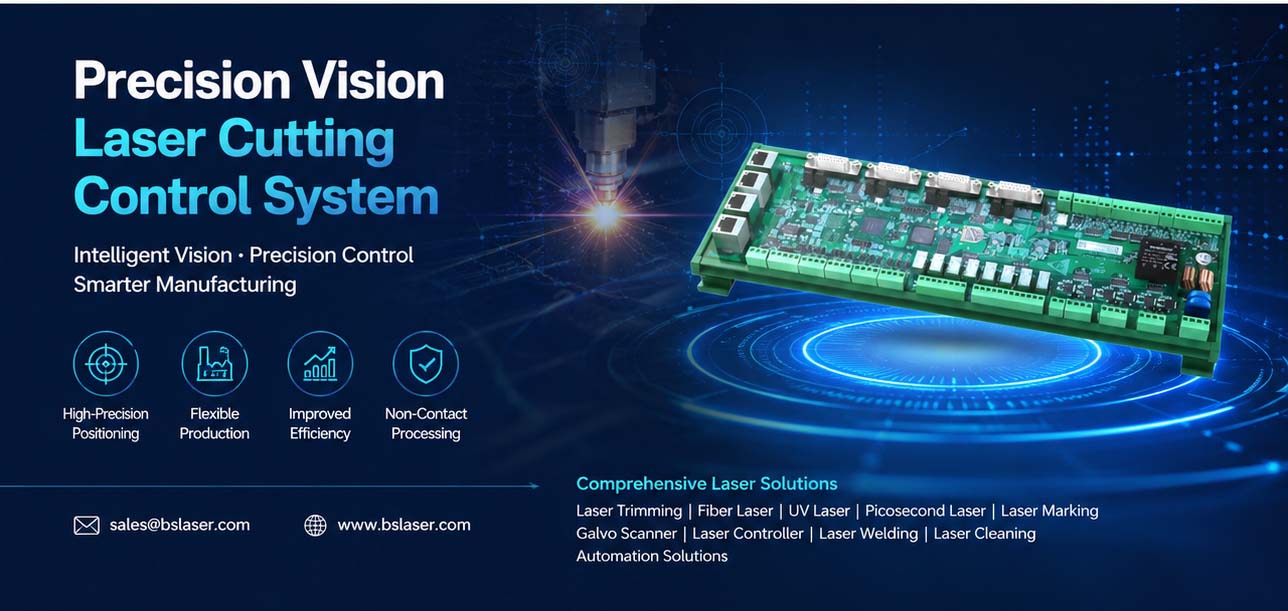
A precision vision laser cutting control system is a high-precision control solution that integrates machine vision recognition technology, high-accuracy motion control, and laser energy control. Its working principle is based on real-time image acquisition through machine vision cameras. The system analyzes the captured information, generates processing feedback, and automatically completes the machining process. After integrating a vision recognition system, laser processing can significantly improve precision, efficiency, and automation, making it one of the mainstream solutions for large-scale precision manufacturing today.
In essence, a precision vision laser cutting control system is a real-time closed-loop system that combines visual positioning and motion control. Through the vision module, the system dynamically captures the position and shape information of the workpiece, continuously correcting motion trajectories and laser parameters in real time to ensure that cutting accuracy matches the actual material condition.
The core advantages of precision vision laser cutting control systems lie in their ability to meet the requirements of high precision, high flexibility, and high stability for precision manufacturing applications.
1. High-Precision Positioning
The system uses advanced image processing technologies to preprocess captured images, including noise reduction, image enhancement, edge detection, and feature extraction. During processing, the vision system provides real-time feedback, while intelligent algorithms compensate for errors caused by positioning deviations, material deformation, and equipment drift, ensuring extremely high cutting accuracy.
2. Flexible Production Capability
Traditional precision cutting often requires customized fixtures to hold materials in place. With vision-guided processing, the system can directly identify material features, eliminating complex material positioning and fixture adjustment steps. When changing product types, operators only need to update the vision templates, reducing changeover time from hours to minutes. This makes the system highly adaptable to today’s fast-changing and diversified manufacturing demands.
3. Improved Processing Efficiency
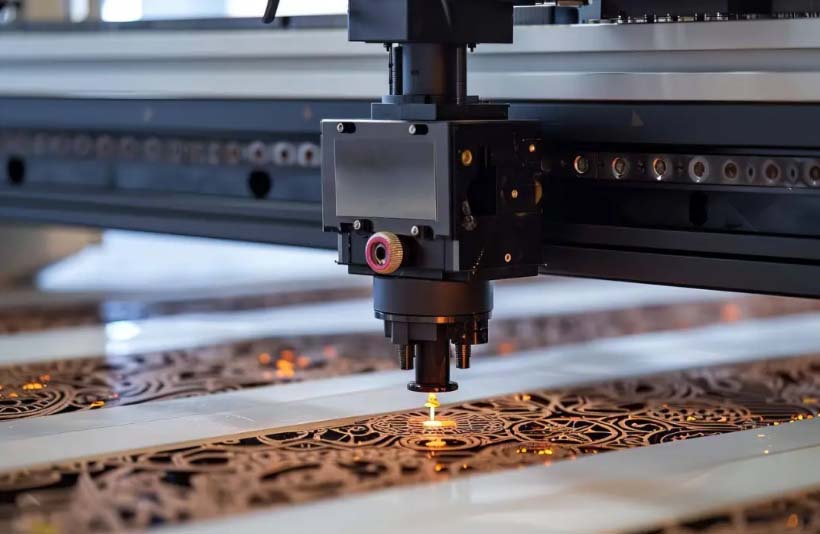
After integrating a vision recognition system, the production line can work together with automatic feeding devices to achieve fully automated production. This reduces manual positioning and fixture calibration time. In addition, the vision system can detect material deformation and defects before processing begins, preventing invalid processing and reducing rework caused by defective products.
4. Non-Contact Processing
Vision laser control systems inherit the advantages of laser processing, including non-contact machining and minimal heat-affected zones. Combined with precise visual positioning, the system can better protect fragile and easily deformable materials. For example, in printed circuit board processing, the vision system accurately guides the laser focus to the target area, preventing unintended laser exposure and improving processing quality.
The integration of machine vision and laser technology transforms laser processing from a rigid and program-based tool into an intelligent, flexible, and adaptive manufacturing system. It not only solves the precision and efficiency limitations of traditional processing methods, but also opens the door to a wide range of new applications, making it one of the core technologies of smart manufacturing.
Contact Us: We provide various laser solutions including laser trimming machines, fiber lasers, UV lasers, picosecond lasers, laser marking systems, galvo scanners, laser controllers, laser welding equipment, laser cleaning machines, and customized industrial laser automation solutions for global customers.
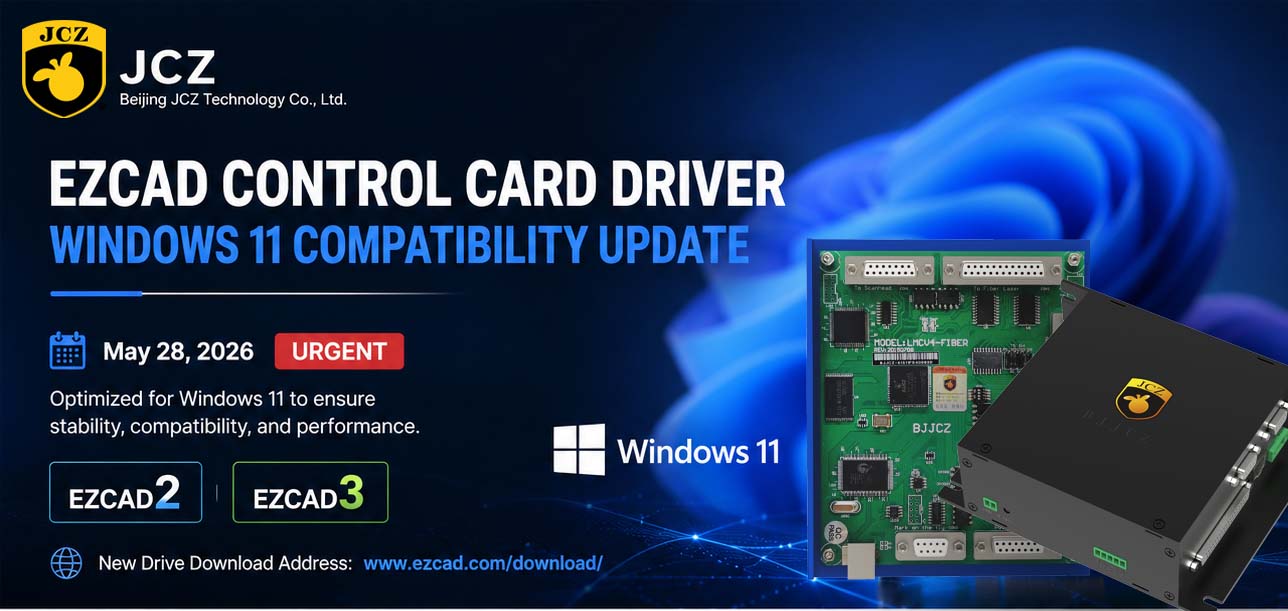
OFFICIAL DRIVER UPDATE NOTICE

Top Factors That Affect Marking Quality in Handheld Fiber Laser Systems

Meet JCZ at Laser World of Photonics India 2026 in Bengaluru
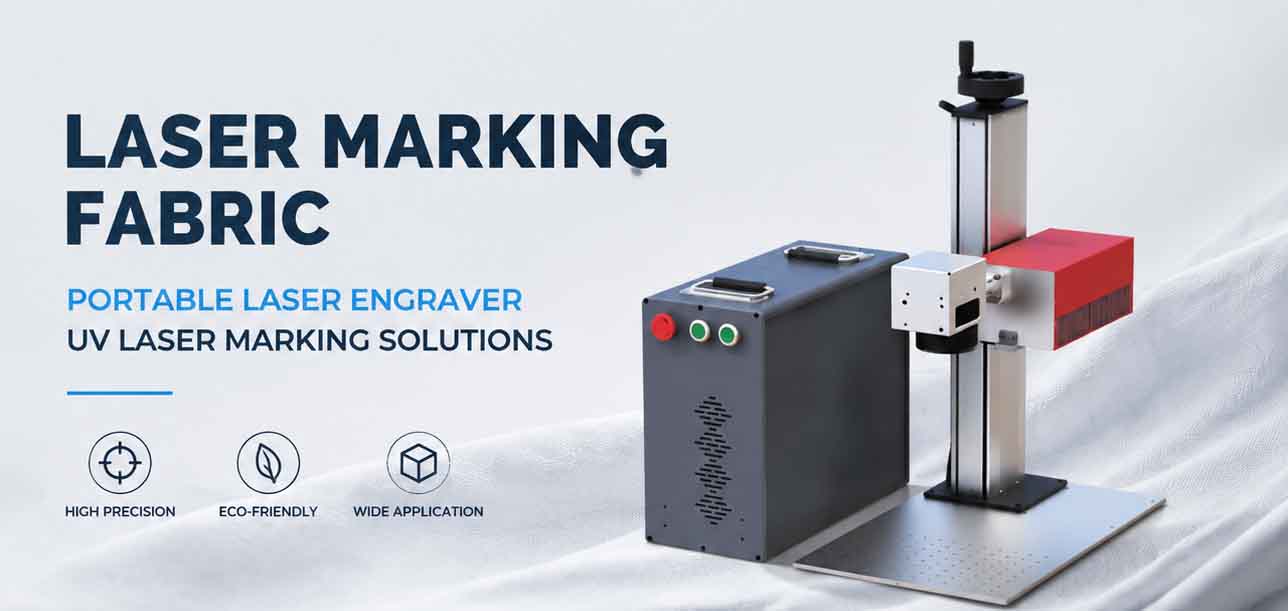
Laser Marking Fabric with Portable Laser Engraver: Advanced UV Laser Marking Solutions for Modern Manufacturing
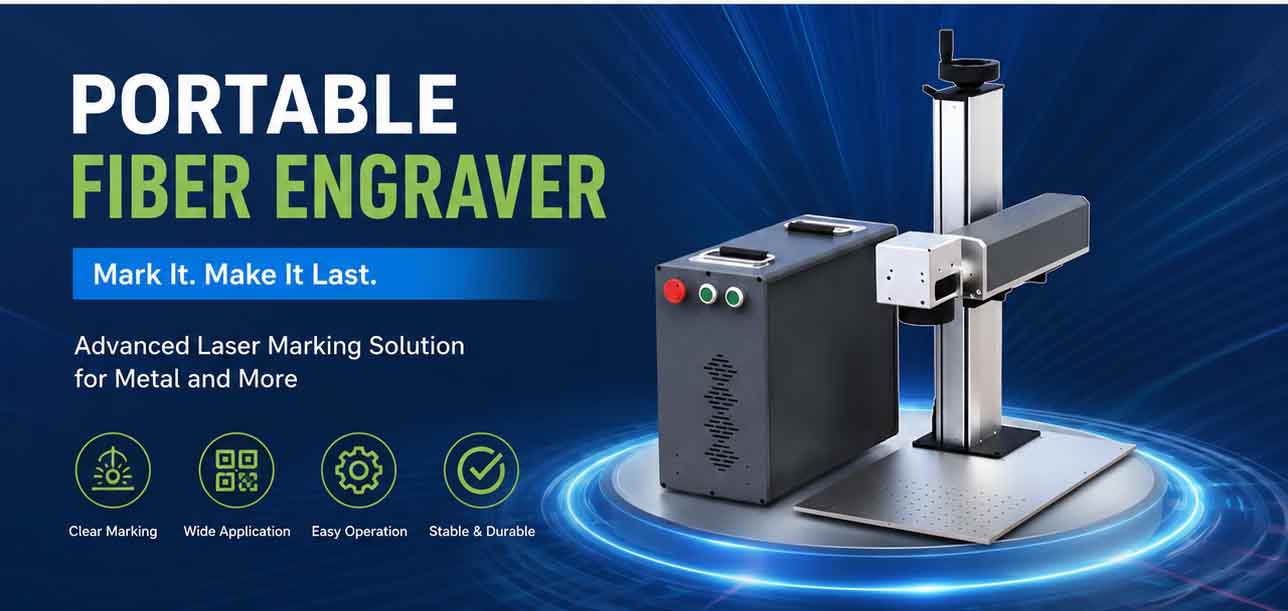
Laser Machine for Marking: The Ultimate Guide to Portable Fiber Engravers & MOPA Color Laser Marking
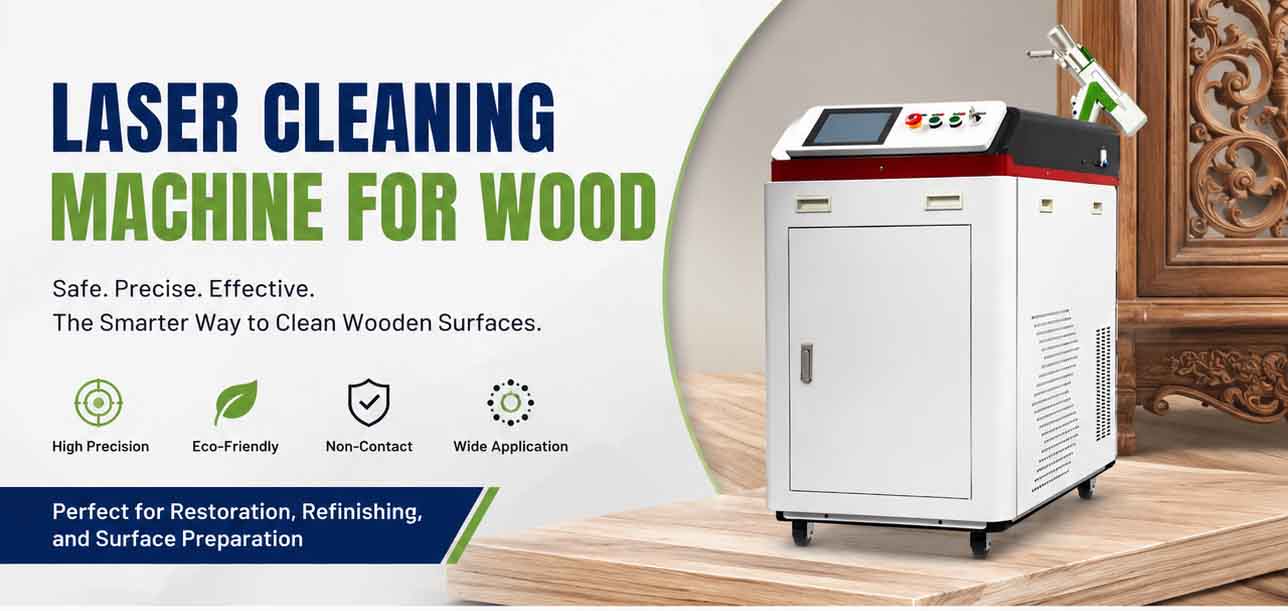
Laser Cleaning Machine for Wood: The Ultimate Guide to Safe, Precise & Eco-Friendly Wood Surface Cleaning