Introduction to Pulsed Laser Technology
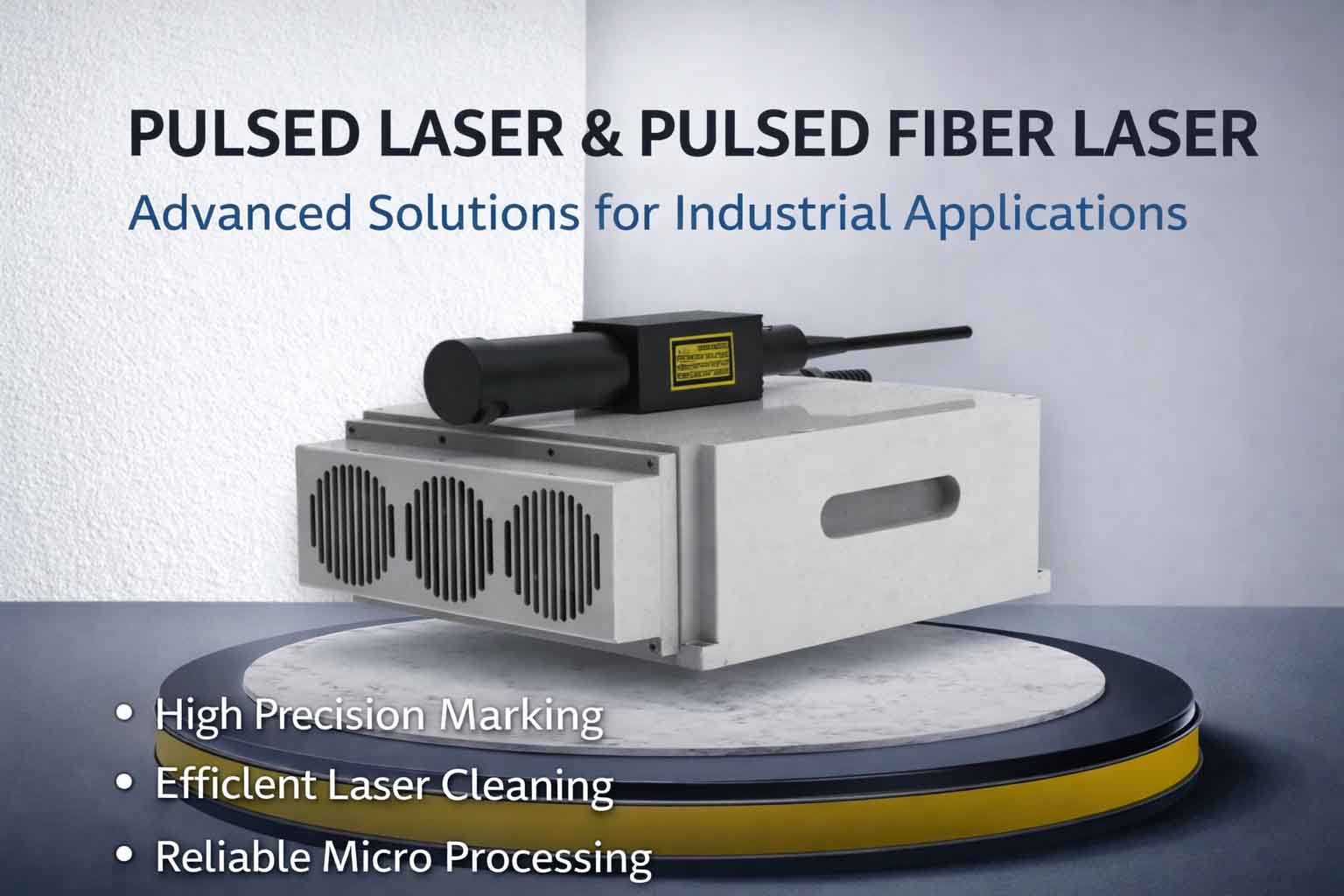
A pulsed laser is a laser system that emits energy in short bursts rather than a continuous beam. Compared with continuous lasers, a pulsed laser can deliver extremely high peak power within a very short time, making it ideal for precision material processing. In modern manufacturing, pulsed laser technology is widely used in marking, engraving, cleaning, micro-processing, and cutting applications.
Among various laser types, the pulsed fiber laser has become one of the most popular solutions due to its high efficiency, excellent beam quality, and long service life. Many industries such as electronics, automotive, aerospace, and medical devices rely on pulsed fiber laser systems for high-precision processing.
What is a Pulsed Fiber Laser?
A pulsed fiber laser is a type of laser that uses optical fiber as the gain medium and generates laser pulses through modulation technology. Compared with traditional solid-state lasers, a pulsed fiber laser offers higher reliability and lower maintenance requirements.
The core advantages of a pulsed fiber laser include:
High peak power output
Excellent beam quality
High electro-optical conversion efficiency
Compact and robust structure
Long operational lifetime (often over 100,000 hours)
Because of these advantages, the pulsed fiber laser is widely used in industrial laser equipment such as laser marking machines, laser cleaning systems, and laser engraving machines.
Key Advantages of Pulsed Laser Systems
Using a pulsed laser provides significant benefits for industrial processing. One major advantage is the ability to precisely control energy delivery. The pulsed laser releases energy within nanoseconds or microseconds, which minimizes heat diffusion and reduces thermal damage to materials.
Another benefit of a pulsed fiber laser is its flexibility in processing different materials. Metals, plastics, ceramics, glass, and coated surfaces can all be processed efficiently using pulsed laser technology.
The high precision of a pulsed fiber laser also makes it suitable for micro-processing tasks such as fine engraving, electronic component marking, and semiconductor manufacturing.
Industrial Applications of Pulsed Fiber Laser
Today, pulsed fiber laser systems are used across a wide range of industries. Their ability to deliver short and powerful pulses allows manufacturers to perform delicate operations with extremely high accuracy.
Laser Marking
One of the most common uses of a pulsed laser is permanent marking. A pulsed fiber laser marking machine can engrave serial numbers, barcodes, logos, and QR codes on metal surfaces with high speed and precision.
Industries that rely on pulsed laser marking include:
Electronics manufacturing
Automotive components
Medical devices
Tools and hardware
Consumer electronics
Laser Cleaning
Another important application of pulsed fiber laser technology is surface cleaning. A pulsed laser cleaning system can remove rust, paint, oxide layers, and coatings without damaging the base material.
Compared with traditional cleaning methods such as sandblasting or chemical cleaning, pulsed laser cleaning offers:
Environmentally friendly operation
No chemical waste
Precise cleaning control
Minimal material damage
This makes the pulsed fiber laser an ideal solution for industries such as shipbuilding, aerospace maintenance, and metal restoration.
Precision Micro Processing
Because a pulsed laser produces extremely short bursts of energy, it is perfect for high-precision micro processing. A pulsed fiber laser can perform delicate tasks like drilling micro holes, trimming electronic components, and engraving complex patterns.
In advanced manufacturing sectors such as semiconductor fabrication and medical device production, pulsed fiber laser technology ensures high accuracy and consistent results.
Why Choose a Pulsed Fiber Laser for Industrial Applications?
When selecting a laser system for industrial use, the pulsed fiber laser stands out for several reasons. Compared with other laser types, the pulsed fiber laser offers superior stability and lower operating costs.
Key reasons manufacturers choose pulsed laser systems include:
High precision processing capability
Low maintenance requirements
High energy efficiency
Long service life
Compatibility with automated production lines
These advantages make the pulsed fiber laser a reliable and cost-effective solution for modern industrial manufacturing.
Choosing the Right Pulsed Laser System
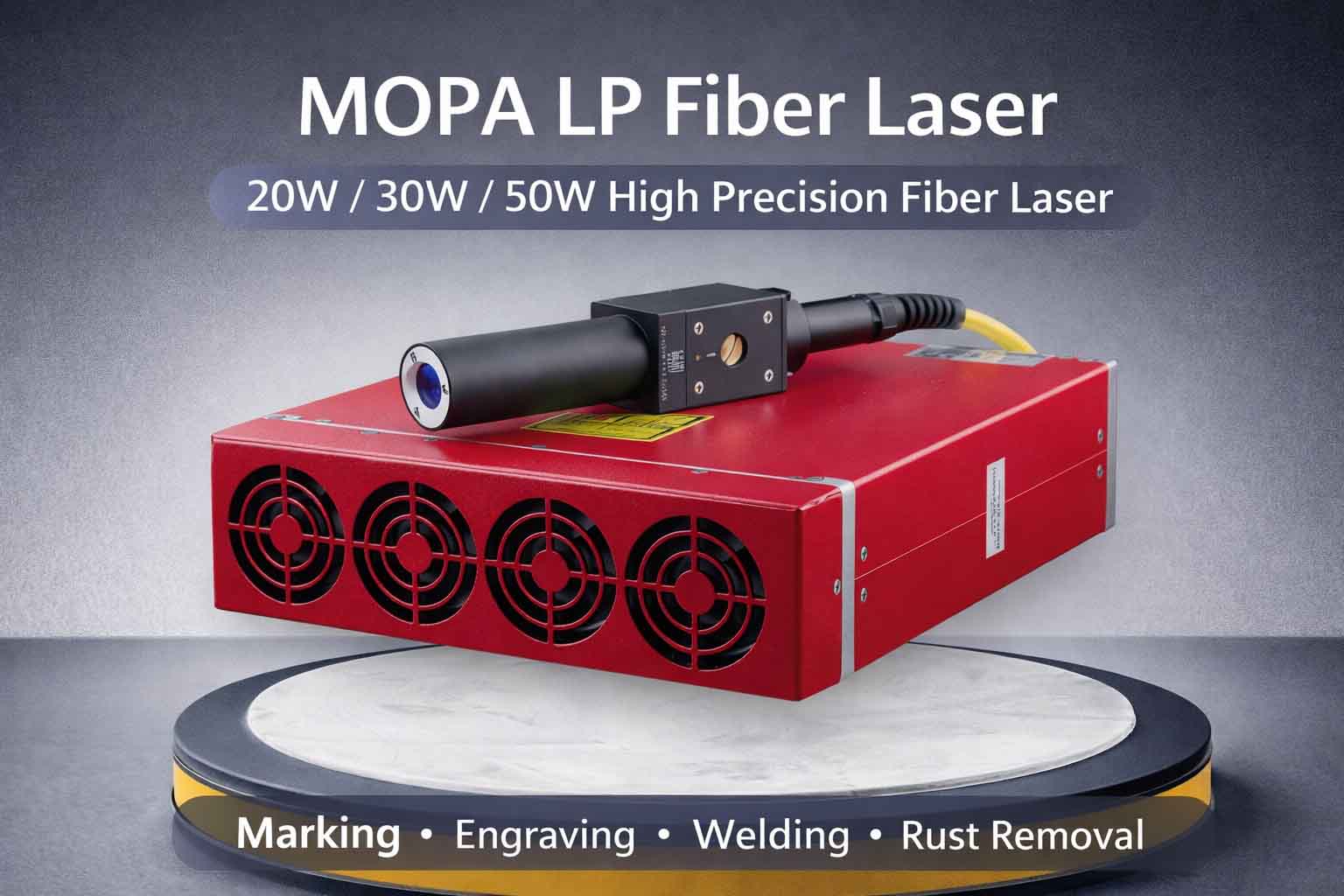
Selecting the right pulsed laser depends on several factors such as material type, processing requirements, and production volume. Different pulsed fiber laser power levels (20W, 30W, 50W, or higher) are suitable for different applications.
For example:
20W pulsed fiber laser – small parts marking
30W pulsed fiber laser – general industrial engraving
50W pulsed fiber laser – deep engraving and high-speed marking
Working with an experienced supplier ensures you receive the most suitable pulsed fiber laser solution for your production needs.
Conclusion
As laser technology continues to evolve, the pulsed laser and pulsed fiber laser have become essential tools in modern manufacturing. Their ability to deliver high peak power, precise energy control, and reliable performance makes them ideal for marking, cleaning, and micro-processing applications.
For businesses looking to improve production efficiency and product quality, investing in a high-performance pulsed fiber laser system is a smart choice.
Contact Us: If you are searching for a reliable pulsed laser or pulsed fiber laser solution, feel free to contact us for professional guidance and customized laser equipment for your industry.
Invitation | JCZ Technology Invites You to LASER World of PHOTONICS CHINA 2026
Pulsed Laser vs Pulsed Fiber Laser: Applications, Advantages and Industrial Solutions
High-Performance Fiber Laser for Precision Marking, Engraving and Industrial Processing
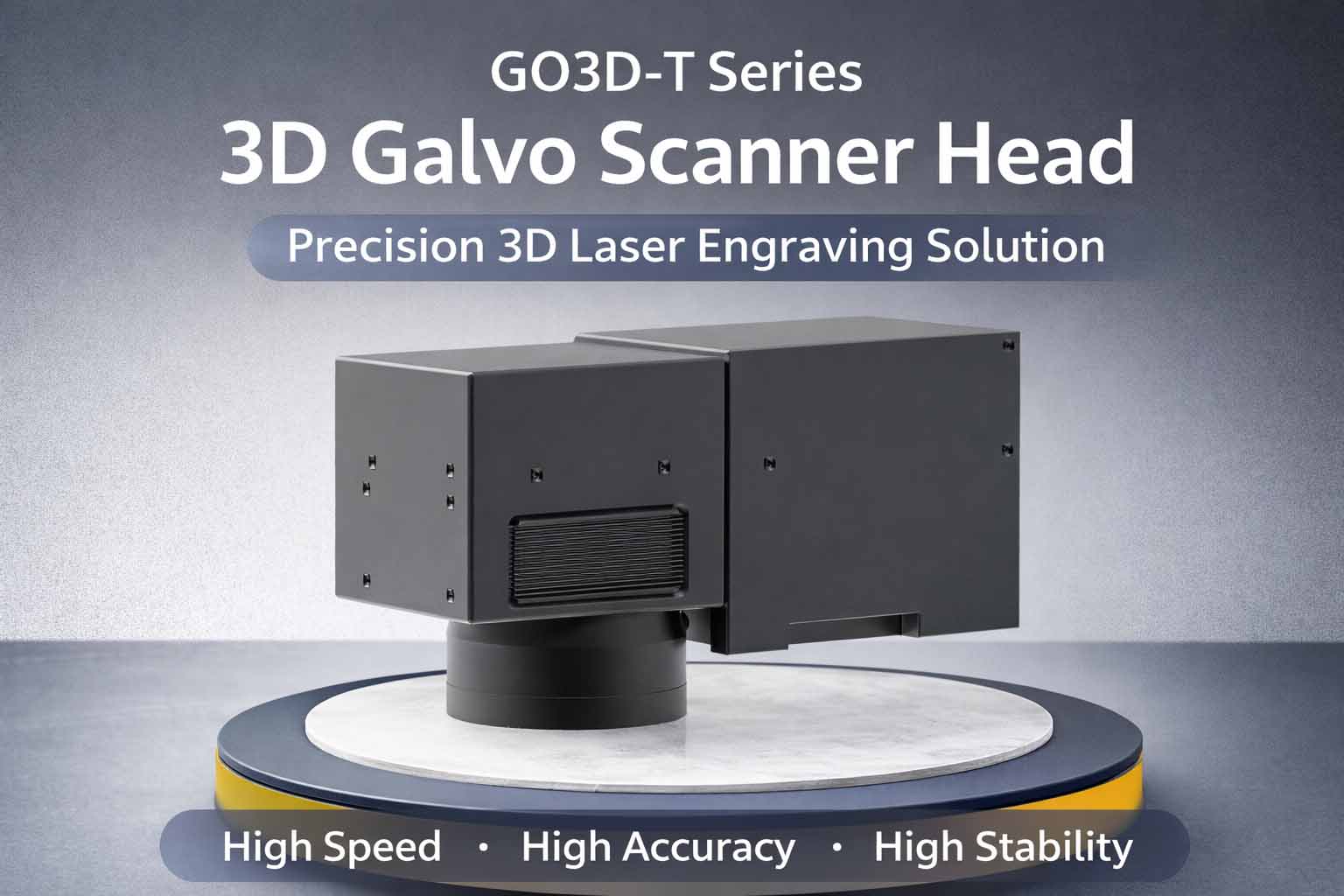
Precision 3D Laser Engraving Solution for Advanced Industrial Applications
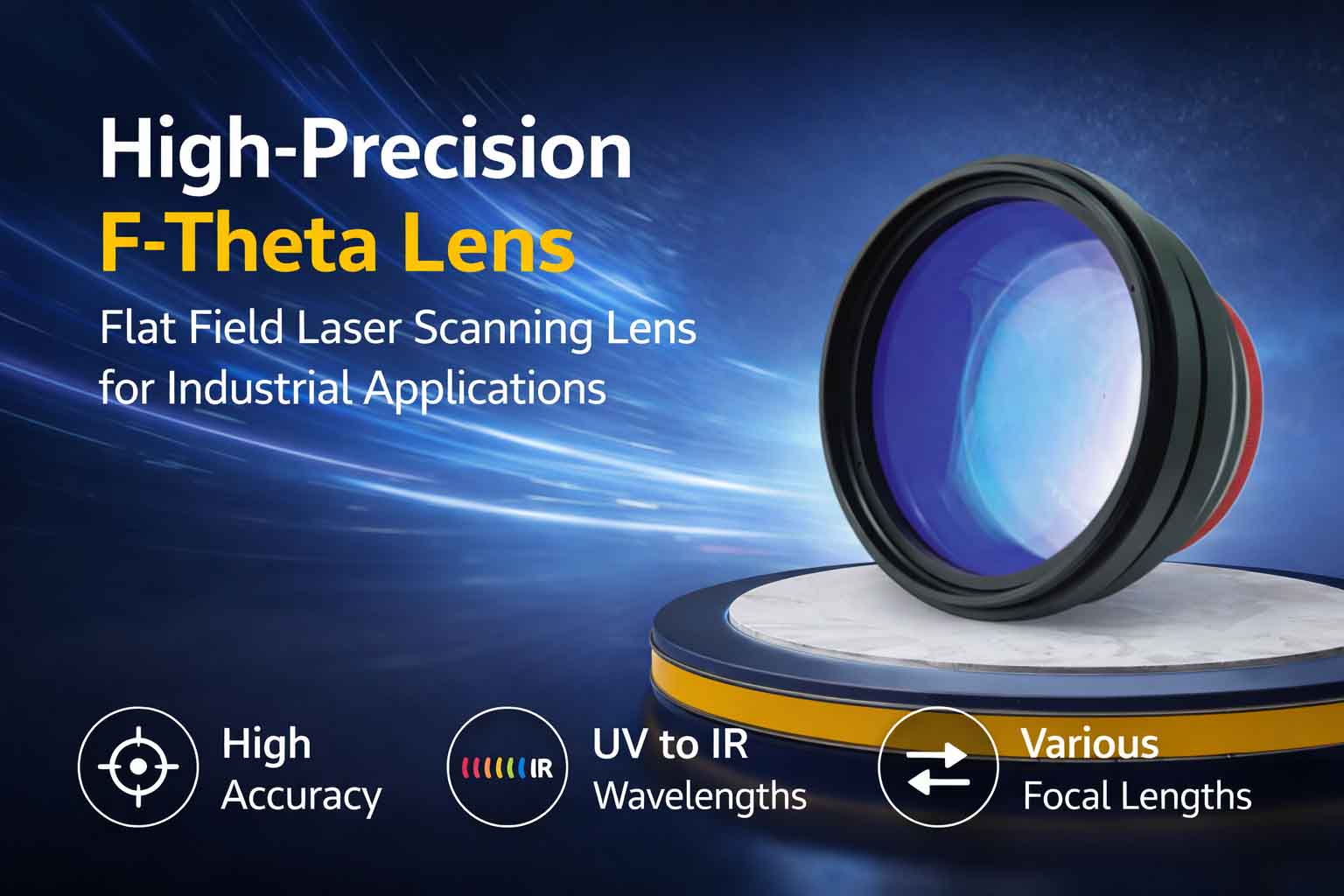
F-Theta Lens for Laser Marking Systems – High Precision Flat Field Laser Scanning Lens
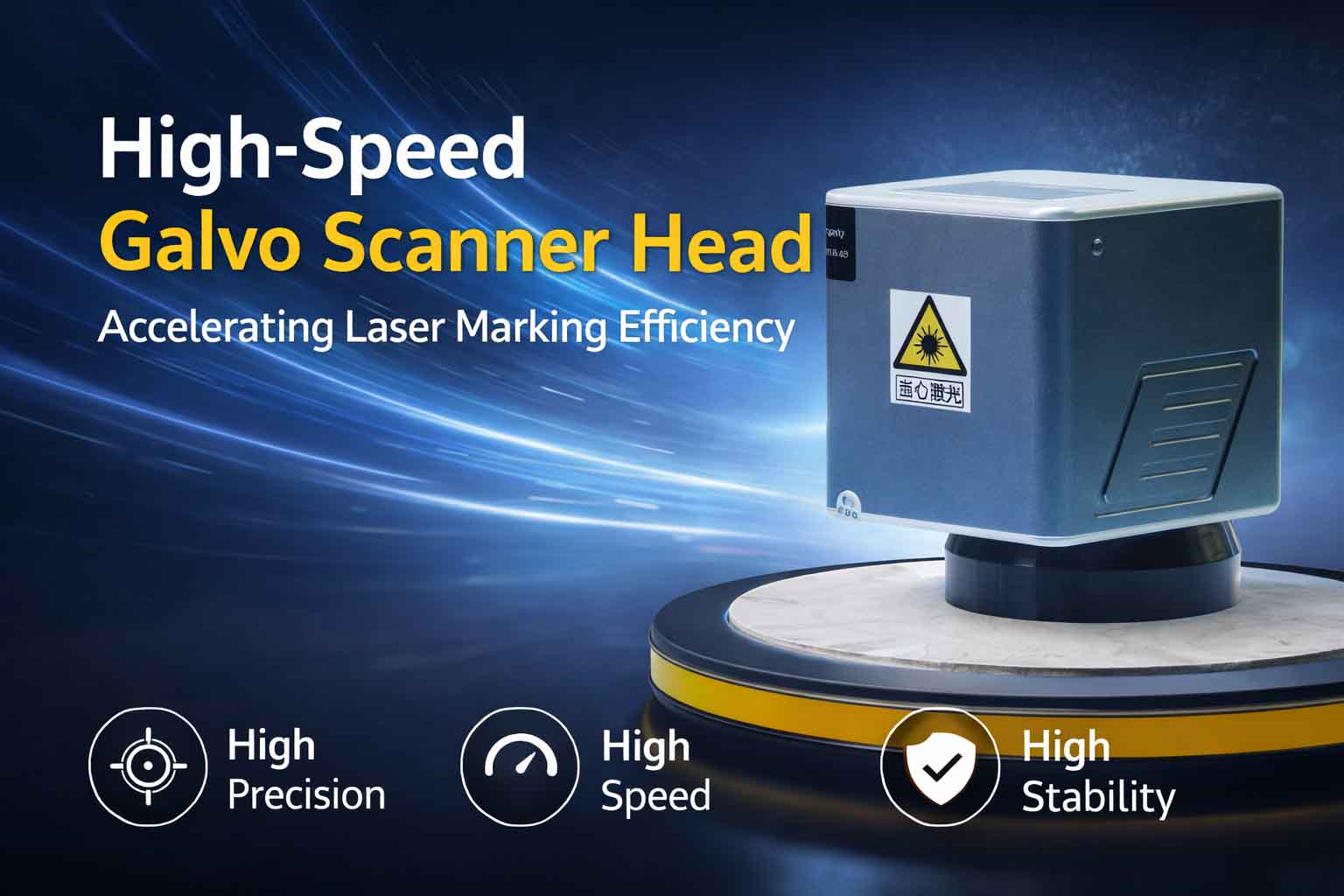
High-Speed Laser Marking Solution for Industrial Applications