In-Depth Buyer’s Guide to Avoid Costly Pitfalls
“Stability is the silent cost of a laser marking machine.”
It doesn’t directly generate profit, yet it can shut down your entire production line at any moment—quietly swallowing all your margins.
Whether a laser marking machine can run non-stop in a metal workshop for 24 hours, or maintain consistent marking precision during peak production seasons, is no longer just a “quality” concern. It is the core benchmark that reflects the real technical strength and engineering discipline of a laser equipment manufacturer.
There are countless suppliers on the market. But for you—the one making equipment decisions—choosing a manufacturer with proven stability is far more critical than simply comparing “laser marking machine prices” or “brand cost-performance ratios.”
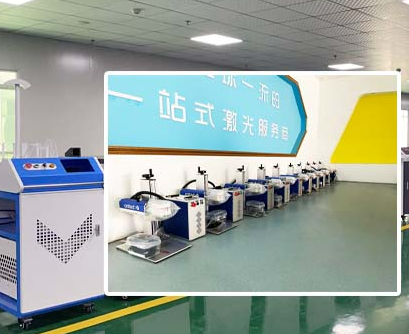
When you walk past a laser marking machine undergoing long-term stability stress testing, you may notice a faint mixture of clean air and coolant. There’s no fancy animation on the test screen—only a curve showing 24-hour trajectory deviation and a steadily increasing runtime counter. These are the simplest yet most honest promises of stability.
So, how do you look through marketing noise and evaluate the true stability capability of a laser marking machine manufacturer?
Here are the key indicators you should never ignore.
1. Stability of Core Components: Eliminating Weak Links from the Source
The stability of a laser marking machine begins with its “heart” and “brain.” Manufacturers who truly prioritize long-term reliability will never compromise on key components.
What to look for:
Laser source brand selection
Galvo (scanner head) quality
Control system stability and anti-interference capability
Component synergy and long-term reliability
A high-quality laser source ensures steady output with predictable attenuation. A mature control system guarantees stable communication and repeatable performance—even under heavy workloads.
Real-world impact:
If a manufacturer uses low-grade, non-industrial electronic components, the failure rate will increase significantly in humid, dusty factory environments.
By contrast, machines built with proven industrial-grade core components maintain stable performance even under extreme temperatures and humidity, reducing downtime and calibration frequency.
2. Mechanical & Optical “Muscle” Stability: Anti-Fatigue, Anti-Vibration Strength
If core components are the “brain,” then the optical path and machine structure are the “muscles” and “bones” that execute commands.
What to look for:
Rigidity of the mechanical structure
Anti-deformation and anti-vibration design
Sealed optical path and anti-contamination structure
Heat management and long-term thermal stability
Real-world impact:
In electronics manufacturing, XYZ-axis large-format laser markers undergo repeated high-frequency motion. Without proper finite-element structural analysis and dynamic balancing, deformation and vibration accumulate over months of operation.
This can cause micro-level beam shifts, resulting in blurred marks or failed high-precision marking—especially in industries such as chips, PCB, and metal connectors.
A high-end machine ensures rigidity and dynamic stability from the design stage, supporting long-term 24/7 mass production.
3. Software & Integration Stability: The “Nervous System” of the Machine
What to look for:
Software responsiveness and process stability
Error-tolerance mechanisms
Reliable communication with ERP/MES systems
Stable parameter libraries for different materials (plastic, silicone, packaging films, metals, etc.)
Software determines whether speed and reliability can coexist.
Unstable communication or parameter-drift issues often lead to lost production time, inconsistent marking results, and even batch-level scrapping.
4. The Ultimate Stability Test: Reliability Design & Maintainability Design
Stability isn’t just about “not breaking.” It’s about being durable and easy to maintain.
What to look for:
Whether the machine is designed with wide safety margins
Protection against extreme environments
Modular internal structure
Quick-swap design for key components
Simplified calibration and alignment
Real-world impact:
For medical device or semiconductor customers, maintainability is a lifeline.
Example: The focusing lens of a fiber laser marking machine becomes contaminated over time. If replacing it requires hours of disassembly and recalibration, the production loss is enormous.
Top manufacturers use quick-release optical modules combined with smart auto-calibration software, reducing downtime from hours to minutes—maximizing productivity.
Conclusion: Stability Is the True Measure of a Laser Marking Machine Manufacturer
You cannot judge a manufacturer’s stability by specs on a brochure.
Its real strength lies in:
Design philosophy
Core component ecosystem
Supply chain integrity
Engineering culture
Long-term reliability testing
Service discipline
Choosing a stable, reliable laser marking machine is choosing long-term productivity, production safety, and peace of mind during peak seasons.
From R&D to stress testing to final delivery, the best manufacturers uphold an uncompromising pursuit of stability—so you can focus on your business without worrying about unexpected production interruptions.
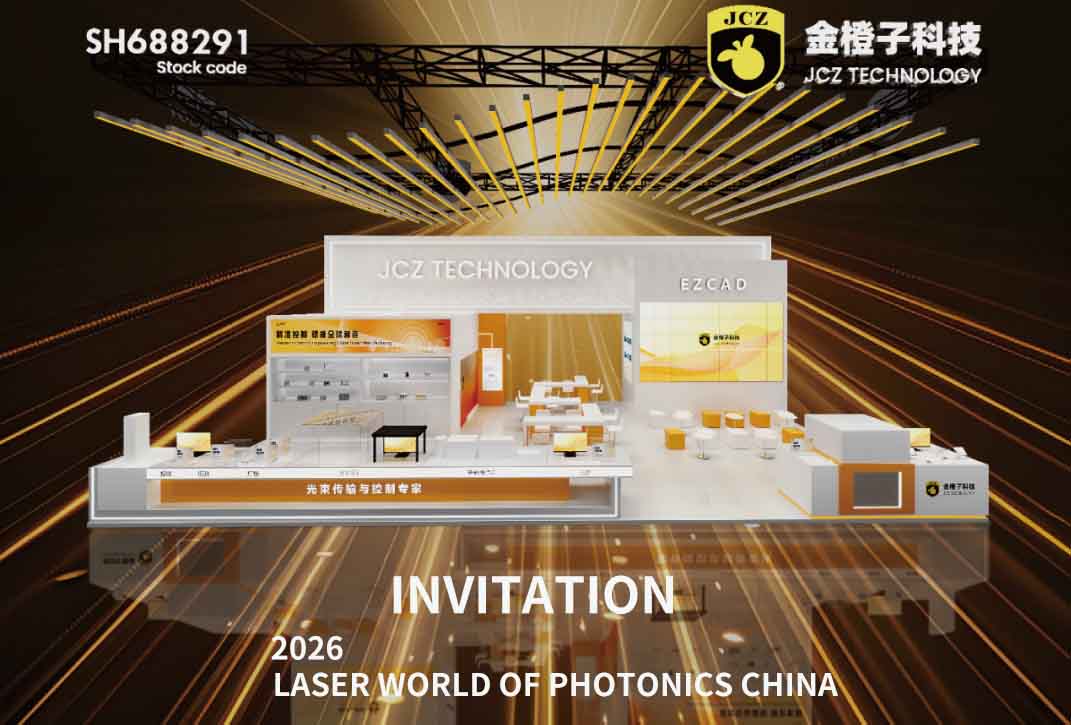
Invitation | JCZ Technology Invites You to LASER World of PHOTONICS CHINA 2026
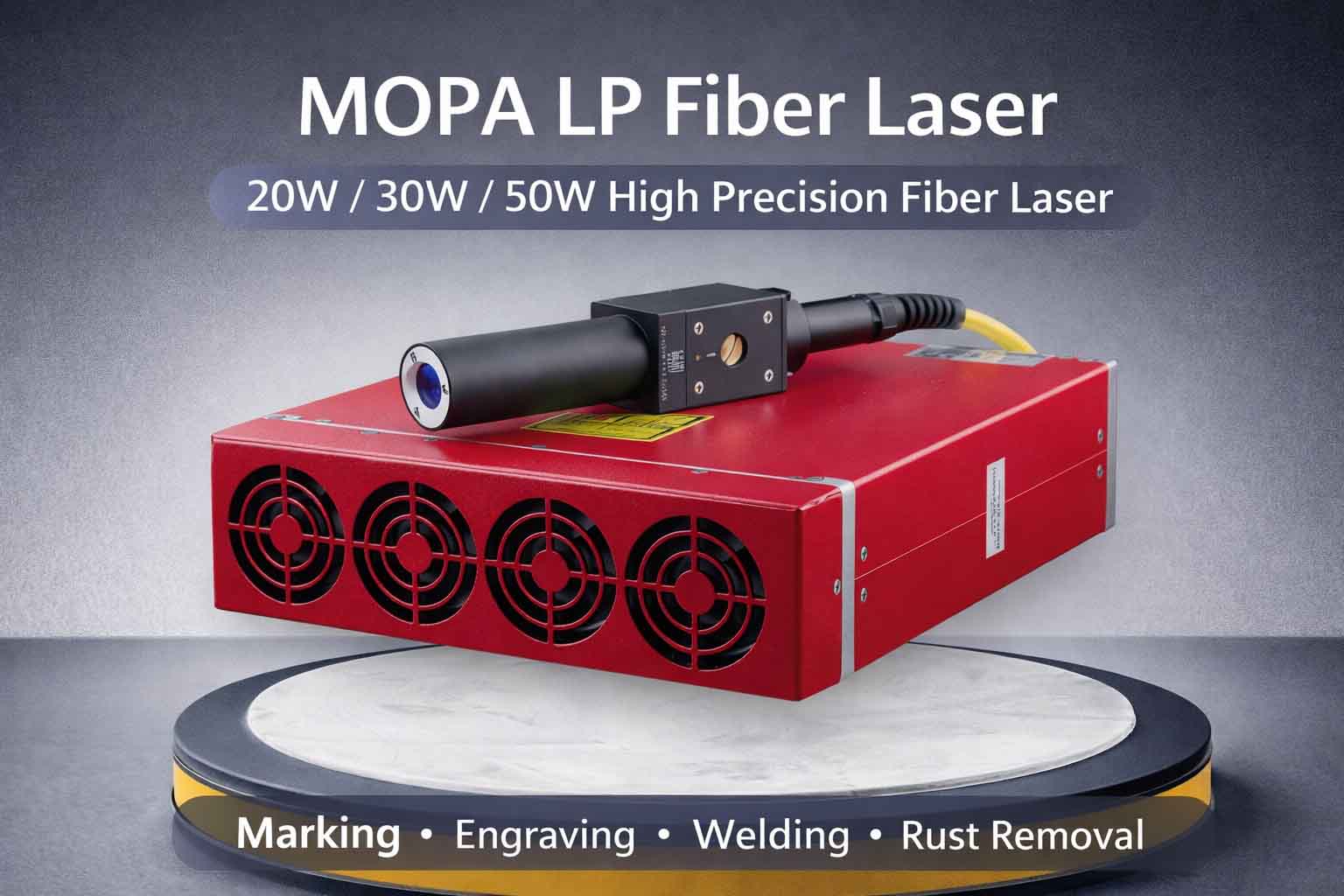
High-Performance Fiber Laser for Precision Marking, Engraving and Industrial Processing
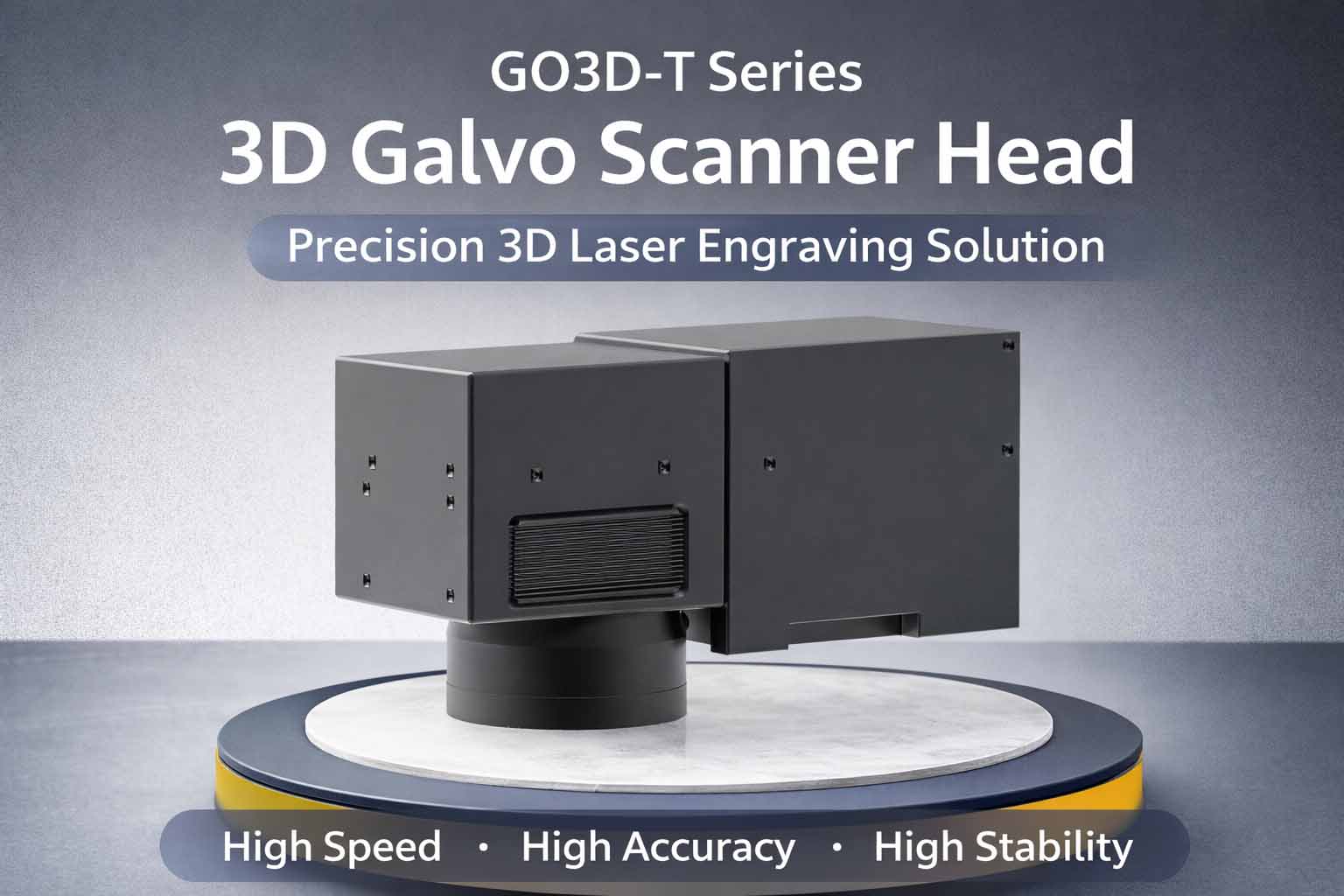
Precision 3D Laser Engraving Solution for Advanced Industrial Applications
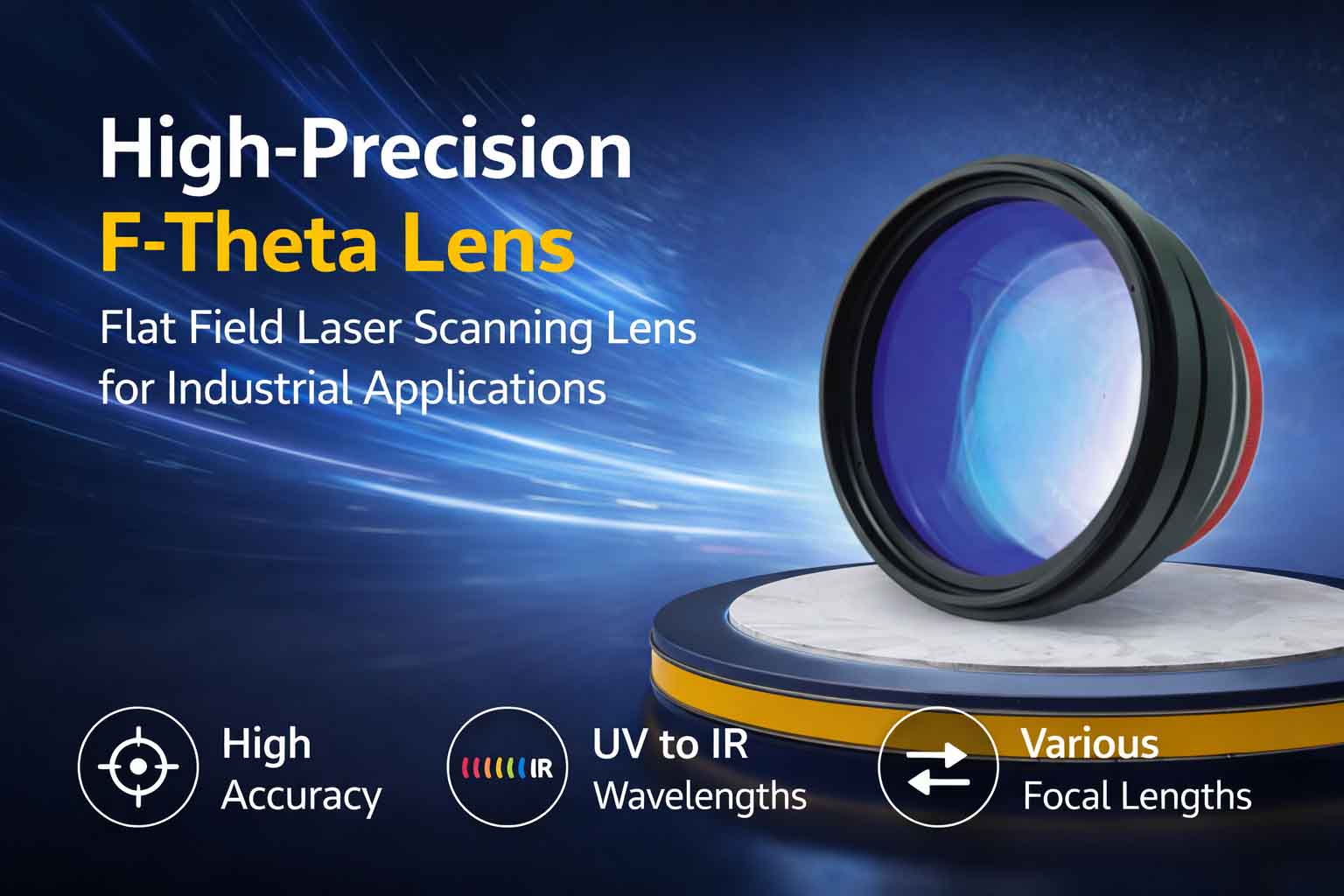
F-Theta Lens for Laser Marking Systems – High Precision Flat Field Laser Scanning Lens
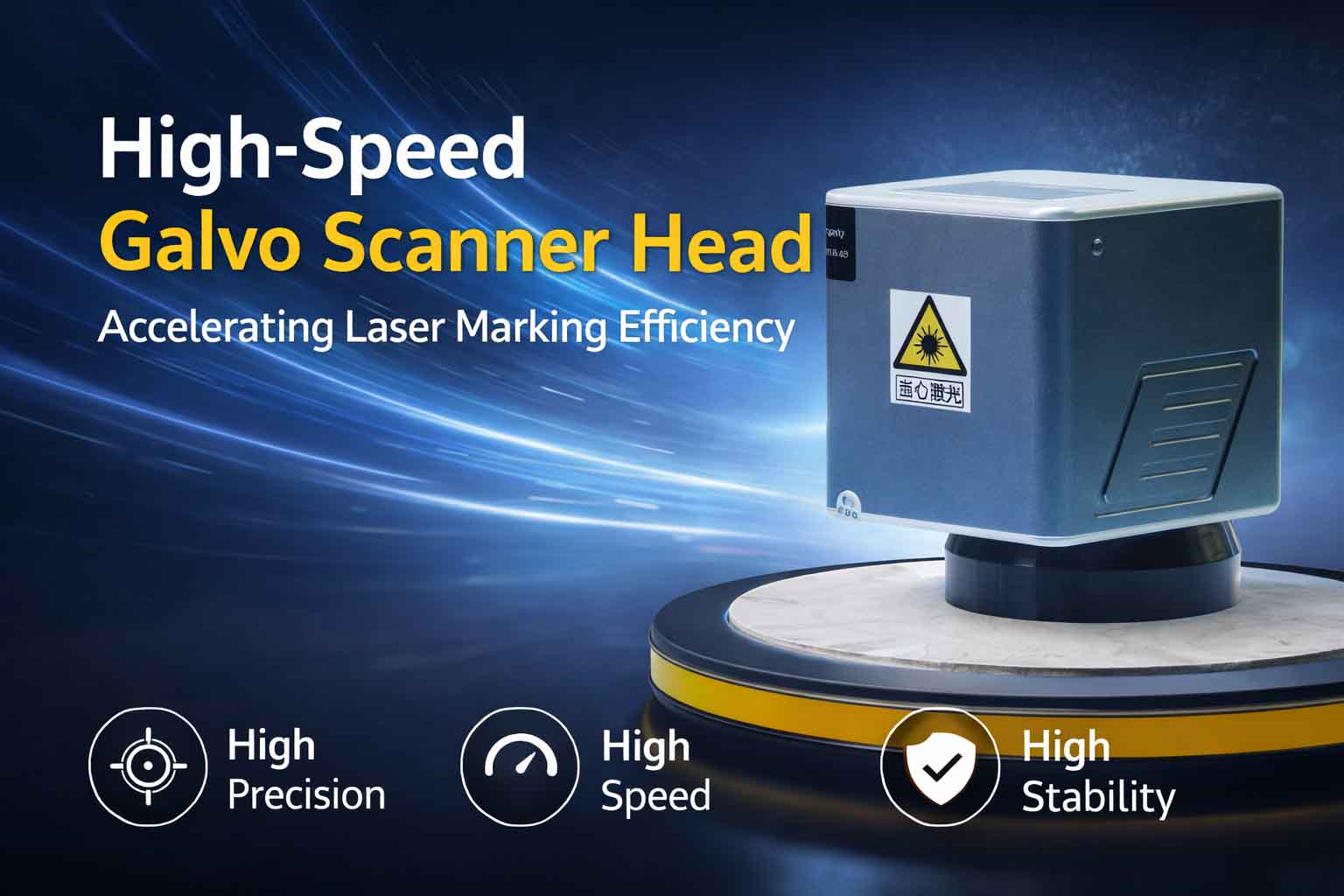
High-Speed Laser Marking Solution for Industrial Applications
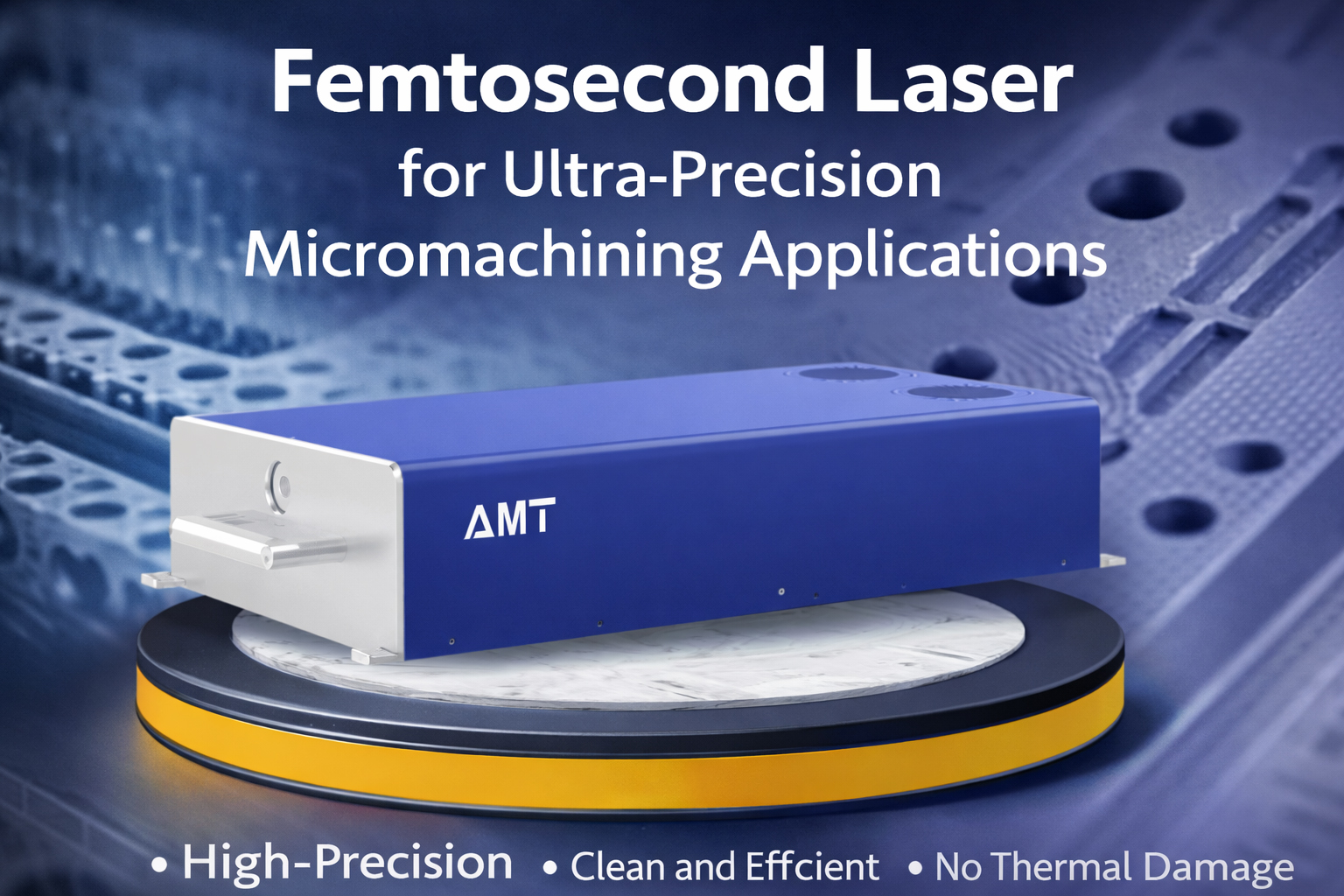
Femtosecond Laser for Ultra-Precision Micromachining Applications