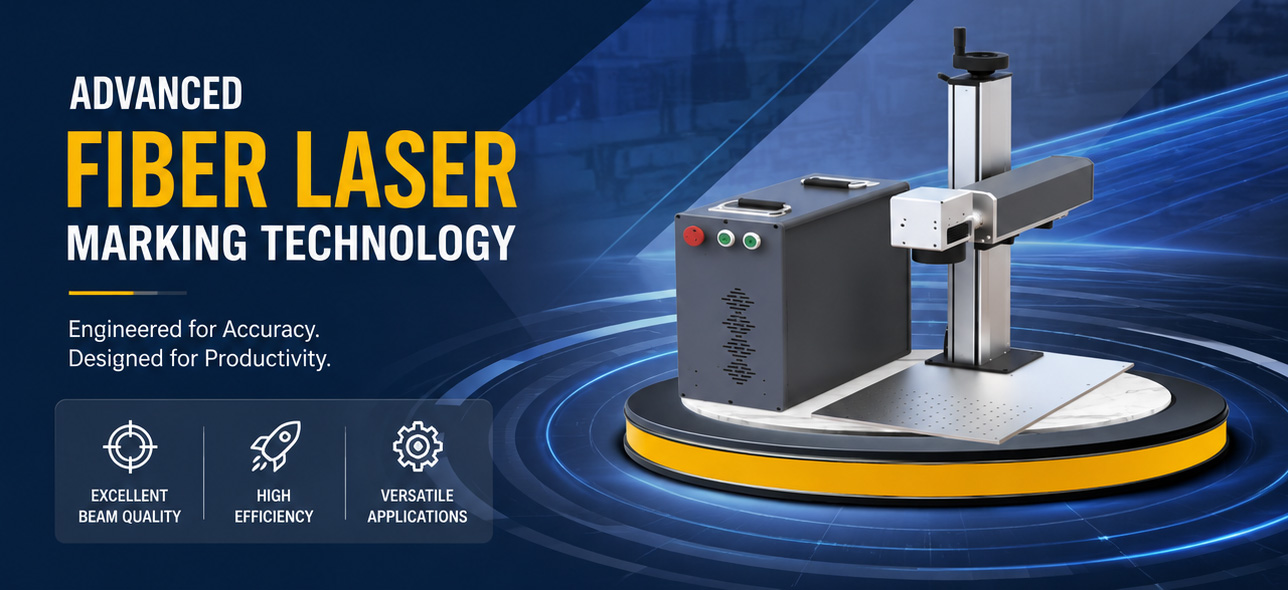
Fiber laser and fiber optic laser technologies have gained tremendous popularity in recent years, offering unmatched precision, efficiency, and flexibility. These technologies have transformed the way industries handle engraving, cutting, and marking, especially in metalworking. In this article, we will delve into how fiber laser and fiber optic laser technologies function, their industrial applications, and how fiber laser engravers and laser marking machines for metal have become essential tools in modern manufacturing.
What Is Fiber Laser Technology?
A fiber laser is a solid-state laser that uses an optical fiber doped with rare-earth elements—such as ytterbium, erbium, or thulium—as the gain medium. Unlike traditional lasers that rely on gas mixtures or crystal rods, a fiber laser generates and amplifies the laser beam entirely within the fiber, then delivers that beam to the processing head through a flexible fiber optic cable. This all-in-one “generation and delivery” architecture makes fiber lasers exceptionally compact and efficient.
A typical fiber laser system consists of three core components: a pump source (usually laser diodes), a gain medium (the doped optical fiber), and an optical resonator (formed by fiber Bragg gratings). Pump light enters the gain fiber and excites the rare-earth ions, achieving population inversion. Through stimulated emission and the feedback of the resonator, a high-power, high-quality laser beam is produced.
The Basics of Fiber Laser and Fiber Optic Laser Technologies
Fiber laser technology is based on the use of optical fibers as the medium for generating laser beams. Unlike traditional laser systems that use gas or crystal rods as their lasing medium, fiber lasers rely on optical fibers doped with rare-earth elements such as ytterbium or erbium. This makes fiber laser technology highly efficient, producing powerful and focused beams ideal for precision work.
Similarly, fiber optic laser technology refers to the method of transmitting laser light through optical fibers. Fiber optic laser systems offer increased flexibility and are easier to integrate into industrial processes. By combining the strengths of both fiber laser and fiber optic laser technologies, industries can achieve greater control and accuracy, making these systems highly desirable for tasks like engraving, cutting, and marking.
How Fiber Laser and Fiber Optic Laser Work in Fiber Laser Engravers
Fiber laser engravers leverage the precision of fiber laser and fiber optic laser systems to engrave materials with high accuracy. These machines use the focused laser beam generated by the fiber laser, transmitted through a fiber optic cable, to etch detailed designs onto materials. The combination of fiber laser and fiber optic laser enables precise control over the laser’s intensity and duration, ensuring that each engraving is sharp, clear, and durable.
One of the significant advantages of fiber laser engravers is their ability to handle various materials, including metals, plastics, and ceramics. Thanks to fiber laser technology, these engravers offer unparalleled flexibility in material processing, making them suitable for a wide range of applications in industries such as jewelry, automotive, and electronics.
The Role of Fiber Laser and Fiber Optic Laser in Metal Marking
Laser marking machines for metal utilize fiber laser and fiber optic laser technologies to mark surfaces with permanent, high-contrast marks. Whether for barcodes, serial numbers, or logos, fiber laser technology ensures that the marking is durable and resistant to wear, even on tough materials like stainless steel, aluminum, and titanium.
Fiber laser marking machines for metal are particularly popular in industries requiring traceability and product identification. The ability of fiber laser and fiber optic laser systems to produce clean, crisp markings without damaging the surface of the material is crucial in sectors such as aerospace, medical devices, and electronics manufacturing. These machines can mark metals with minimal heat distortion, making them ideal for delicate or high-precision parts.
Fiber Laser and Fiber Optic Laser for Metal Engraving
Fiber laser engravers, equipped with fiber optic laser systems, have become the go-to choice for engraving metal surfaces. Metals like gold, silver, copper, and titanium can be engraved with intricate designs, logos, and text using fiber laser technology. The high energy output and precision control of fiber laser systems ensure deep, clear engravings that maintain their quality over time.
The combination of fiber laser and fiber optic laser allows for detailed engravings on metal without compromising the material’s structural integrity. Industries such as jewelry and luxury goods heavily rely on fiber laser engravers for creating custom engravings on metal surfaces, whether for branding or personalization purposes.
Advantages of Fiber Laser and Fiber Optic Laser in Manufacturing
One of the main reasons why fiber laser and fiber optic laser technologies are so popular in industrial applications is their numerous advantages over traditional laser systems. Here are some key benefits:
- High Efficiency: Fiber laser systems convert electrical energy into laser energy with high efficiency, minimizing energy loss and reducing operational costs.
- Low Maintenance: Fiber lasers have fewer moving parts and require less maintenance compared to CO2 lasers or solid-state lasers. This makes fiber laser engravers and laser marking machines for metal more reliable and cost-effective in the long run.
- Superior Precision: The ability to focus the laser beam to a small spot size allows fiber optic laser systems to achieve remarkable precision. This is crucial for applications like fine engraving and detailed metal marking.
- Versatility: Fiber laser and fiber optic laser systems can process a wide range of materials, including metals, plastics, and ceramics. This versatility makes fiber laser engravers suitable for various industries.
Applications of Fiber Laser and Fiber Optic Laser
Fiber laser and fiber optic laser technologies are used in a wide range of industries. Some key applications include:
- Aerospace: Fiber laser engravers and laser marking machines for metal are used to engrave and mark aircraft parts with serial numbers and tracking information, ensuring traceability and compliance with industry regulations.
- Medical Devices: The medical industry relies on fiber laser technology for engraving surgical tools and medical implants with vital information, such as batch numbers and barcodes.
- Automotive: Fiber optic laser technology is used to engrave engine components and other metal parts with identification numbers to ensure traceability throughout the manufacturing process.
- Jewelry and Luxury Goods: Fiber laser engravers are essential for engraving intricate designs on metal jewelry and luxury items, offering precision and customization options for clients.
How to Choose Between Fiber Laser Engravers and Laser Marking Machines for Metal
When deciding between fiber laser engravers and laser marking machines for metal, it’s essential to consider the specific needs of your project. Both fiber laser engravers and laser marking machines for metal utilize fiber laser and fiber optic laser technologies, but they excel in different areas.
Fiber laser engravers are ideal for projects requiring detailed and deep engravings on metals, making them suitable for industries such as jewelry, tool manufacturing, and automotive parts. On the other hand, laser marking machines for metal focus on creating surface marks that are permanent but do not alter the material’s structure, which is ideal for serial numbers, barcodes, and logos.
Both systems benefit from the advanced technology of fiber laser and fiber optic laser, offering precision, efficiency, and versatility.
How to Choose the Right Fiber Laser System?
Selecting the right system is the starting point for maximizing your laser system ROI. Here are the core dimensions to consider:
1. Determining Power Requirements
20W–50W: Ideal for metal marking, fine engraving, and plastic marking.
50W–100W: Suitable for deep engraving, high-speed marking, and thin metal cutting (<1mm).
100W–500W: Matches laser cleaning and thin sheet metal cutting (1–3mm) applications.
500W–3000W: Optimized for medium-thickness plate metal cutting (3–20mm).
3000W and above: Designed for thick-plate cutting and high-volume production.
2. Selecting the Laser Source Type
Q-switched pulsed fiber laser: Optimal for marking, engraving, and cleaning; offers excellent cost-effectiveness.
MOPA fiber laser: Offers adjustable pulse width, making it ideal for multi-color marking, fine surface treatment, and oxide layer removal.
Continuous-wave (CW) fiber laser: Suited for cutting and welding, prioritizing speed and penetration.
3. Evaluating Work Area & Integration
Match the work table or flying optics path to your workpiece dimensions.
For high-volume lines, assess inline integration capability and automation interfaces.
Consider whether you need a rotary axis for cylindrical parts or a 3D galvanometer for curved surfaces.
4. Calculating Return on Investment
While the initial investment in a fiber laser system is higher than traditional equipment, its low maintenance, low electricity consumption, and long lifetime offer a clear total-cost-of-ownership advantage. A wall-plug efficiency above 30% means you consume roughly one-third the electricity of a CO₂ laser for the same output. When evaluating ROI, factor in electricity savings, reduced consumables, lower maintenance costs, and yield improvement into a life-cycle cost model.
Conclusion
Fiber laser and fiber optic laser technologies have transformed modern industrial applications, particularly in the fields of engraving and metal marking. Fiber laser engravers and laser marking machines for metal provide the precision, efficiency, and flexibility needed to handle various materials and applications. Whether you’re engraving intricate designs on metal jewelry or marking metal components with critical information, fiber laser and fiber optic laser systems are the ideal solutions for achieving high-quality results.
由用户投稿整理稿件发布,不代表本站观点及观点,进行交流学习之用,如涉及版权等问题,请随时联系我们(yangmei@bjjcz.com),我们将在第一时间给予处理。
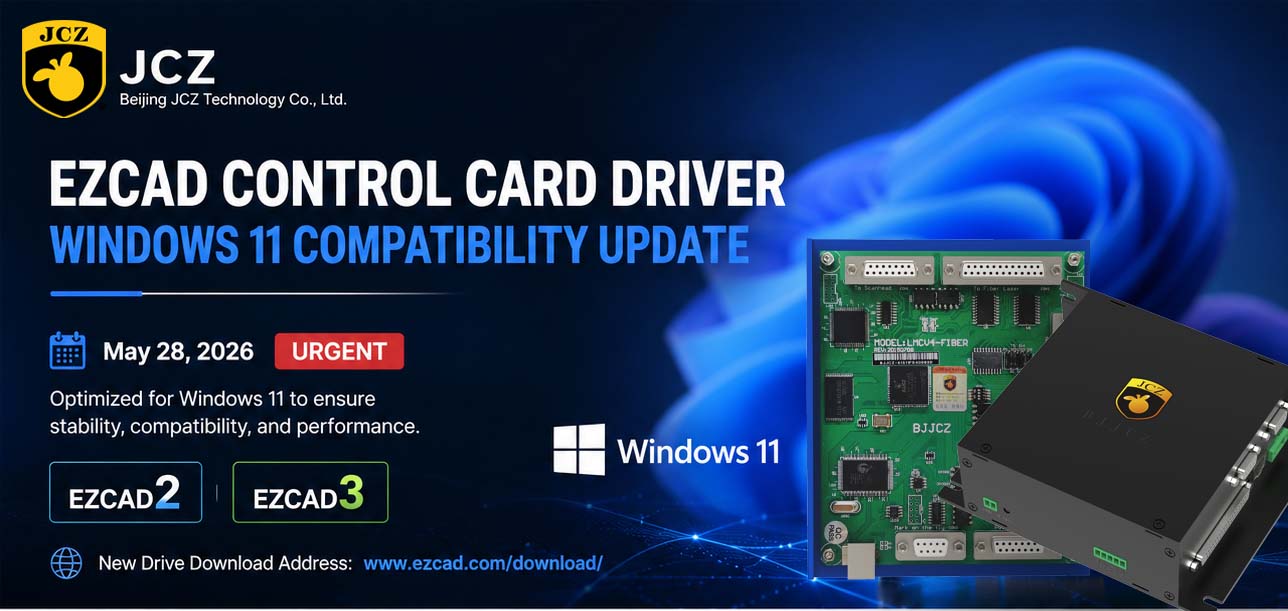
OFFICIAL DRIVER UPDATE NOTICE

Top Factors That Affect Marking Quality in Handheld Fiber Laser Systems
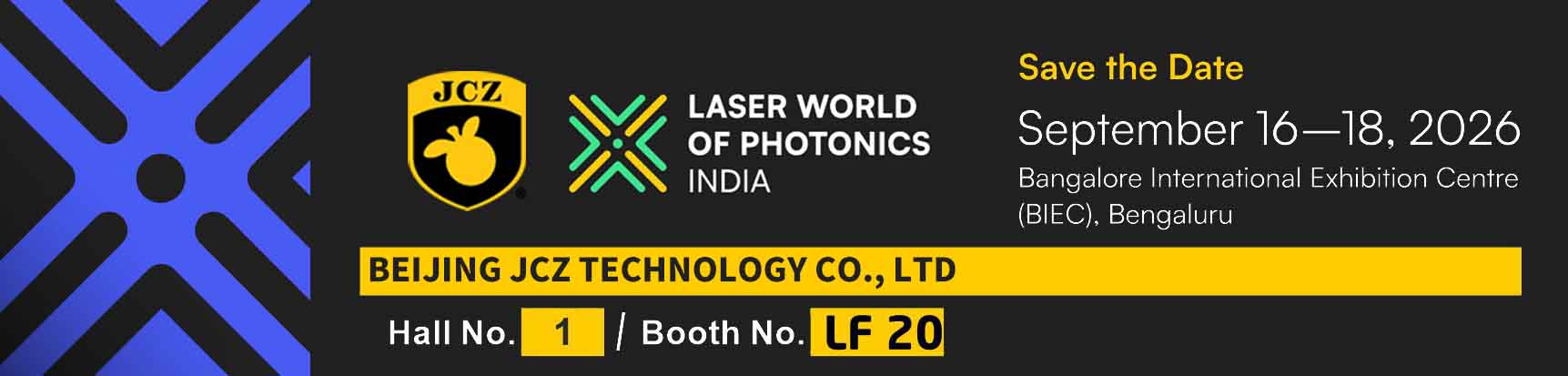
Meet JCZ at Laser World of Photonics India 2026 in Bengaluru
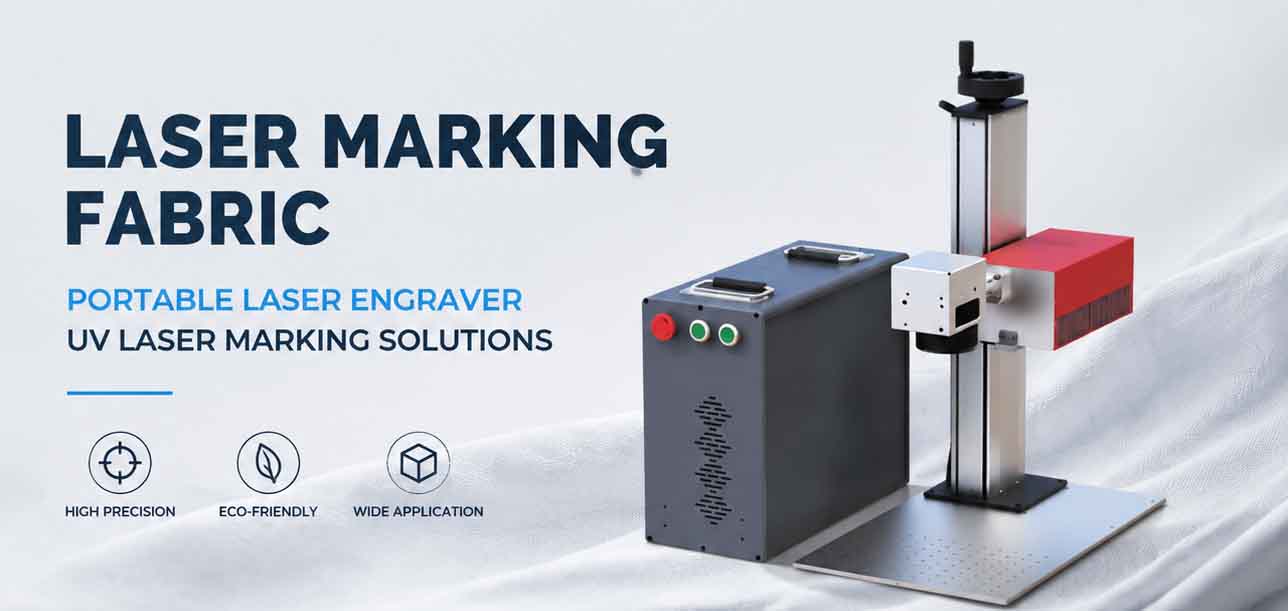
Laser Marking Fabric with Portable Laser Engraver: Advanced UV Laser Marking Solutions for Modern Manufacturing
Laser Machine for Marking: The Ultimate Guide to Portable Fiber Engravers & MOPA Color Laser Marking
Laser Cleaning Machine for Wood: The Ultimate Guide to Safe, Precise & Eco-Friendly Wood Surface Cleaning