Introduction
With precision manufacturing demands on the rise, traditional laser processing technology is challenged in terms of accuracy, efficiency and material adaptability.
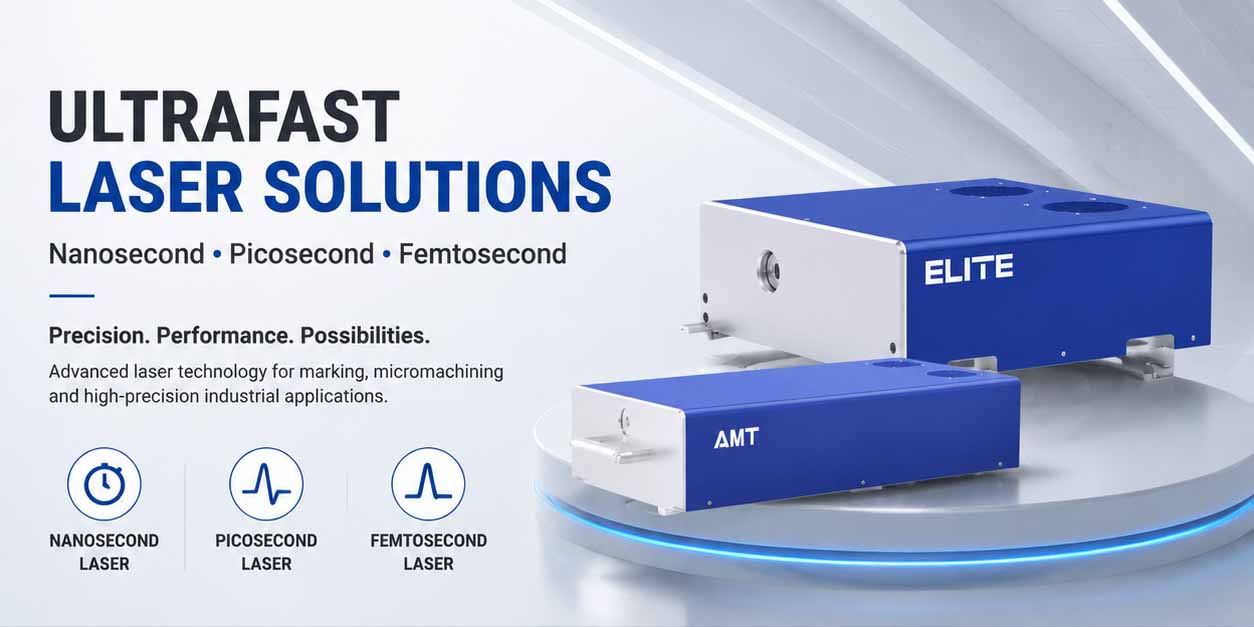
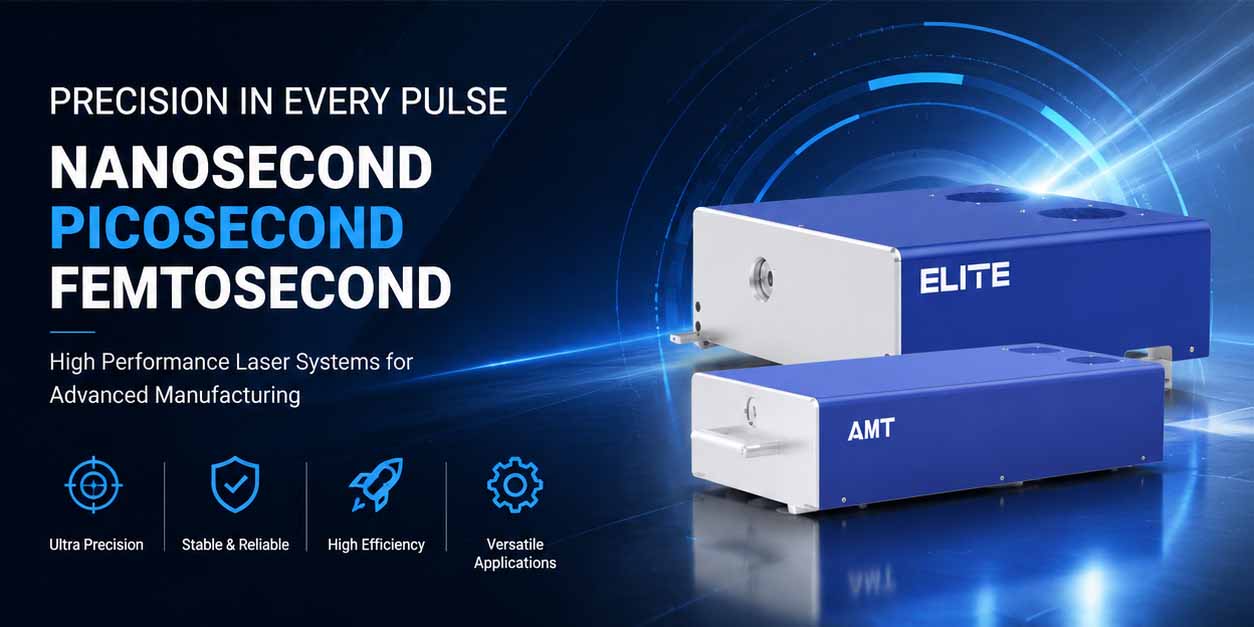
Nanosecond laser,Picosconde laser and femtosecond laser technology are three key aspects of pulsed lasers, and each has specific benefits in various sector applications.
By adjusting pulse length from nanoseconds to femtoseconds, light or X-ray sources generated by this class of lasers can enable high precision material processing with minimized heat dissipation and enhanced processing quality.
In this review, we will elaborate on the differences among nanosecond laser, picosecond laser and femtosecond laser, and introduce their work principles, advantages, applications, etc., so that you can find the right laser solution.
What Is a Nanosecond Laser?
Pulsed laser- A nanosecond laser is a type of pulsed laser that emits pulses of duration on the order of a few nanoseconds (10⁻⁹ s).
Nanosecond lasers have a mature tech and high peak power, which makes it an best sellers for industrial marking and materials processing.
Advantages of Nanosecond Laser
1. Broadly Processing Applications
2. High Processing Efficiency
High energy pulses from a nanosecond laser are attractive for:
Deep engraving
Surface marking
Material removal
Industrial identification
They can process a variety of materials with stable performance.
2. Cost-Effective Industrial Solution
Compared with ultra-short pulse lasers, nanosecond lasers offer:
- Lower equipment cost
- Mature technology
- Reliable operation
- Easy maintenance
They are an ideal choice for high-volume industrial production.
3. Wide Material Compatibility
Nanosecond lasers can process:
- Stainless steel
- Aluminum
- Copper
- Plastics
- Ceramics
- Coated materials
Common Applications of Nanosecond Laser
Nanosecond lasers are widely used in:
- Laser marking machines
- Product traceability
- Barcode marking
- QR code marking
- Metal engraving
- Electronics manufacturing
Typical products are as follows:
- Fiber laser marking machines
- UV nanosecond laser systems
- MOPA fiber laser marking machine
What Is a Picosecond Laser?
A picosecond laser is an ultrashort pulse laser, which pulse duration lies in the scale of picoseconds (10⁻¹² s) in the time domain.
Picosecond lasers have shorter pulse durations than nanosecond lasers and therefore they have less exposure time on the surface of the workpiece, which means less heat build-up.
This allows for use in ultra precision applications with good surface quality.
Features of Picosecond Laser
1. Minimized Heat-Affected Zone (HAZ)
Because of the brief pulse duration, thermal diffusion is minimal for picosecond lasers.
Benefits include:
- Less material damage
- Cleaner processing edges
- Reduced deformation
- Higher processing quality
2. High Precision Micro Processing
Picosecond lasers are ideal for applications requiring:
- Fine structures
- Micro holes
- Precision engraving
- Delicate material processing
3. Processing of Difficult Materials
Picosecond lasers can process advanced materials such as:
- Glass
- Sapphire
- Ceramic
- Semiconductor materials
- Thin films
Applications of Picosecond Laser
Common applications include:
Electronics Manufacturing
- Semiconductor processing
- Precision component marking
- Micro circuit processing
Medical Industry
- Medical device marking
- Precision surface processing
Industrial Manufacturing
- Fine engraving
- High-quality surface modification
What Is a Femtosecond Laser?
A femtosecond laser is one of the most advanced ultrafast laser technologies, generating pulses in the femtosecond range (10⁻¹⁵ seconds).
Because the pulse duration is extremely short, energy is delivered before significant heat transfer occurs, enabling nearly “cold processing”.
Advantages of Femtosecond Laser
1. Ultra-Precision Cold Processing
The biggest advantage of femtosecond lasers is minimal thermal impact.
They can achieve:
- Extremely small heat-affected zones
- High-quality edges
- Minimal material damage
2. Processing of Ultra-Delicate Materials
Femtosecond lasers are suitable for:
- Transparent materials
- Optical components
- Semiconductor wafers
- Advanced ceramics
- Biomedical materials
3. Complex Microfabrication Capability
Femtosecond lasers enable:
- Micro structuring
- Precision drilling
- Surface texturing
- Advanced manufacturing processes
Applications of Femtosecond Laser
Femtosecond laser systems are widely used in:
Semiconductor Industry
Applications:
- Wafer processing
- Micro patterning
- Precision cutting
Optical Industry
Applications:
- Glass modification
- Optical component processing
- Micro lens manufacturing
Scientific and Advanced Manufacturing
Applications:
- Research laboratories
- Microfluidic devices
- Next-generation manufacturing
Nanosecond vs Picosecond vs Femtosecond Laser Comparison
| Feature | Nanosecond Laser | Picosecond Laser | Femtosecond Laser |
|---|---|---|---|
| Pulse Duration | 10⁻⁹ s | 10⁻¹² s | 10⁻¹⁵ s |
| Processing Type | Thermal processing | Low thermal processing | Cold processing |
| Precision | High | Very High | Ultra High |
| Cost | Lower | Medium | Higher |
| Processing Speed | Fast | Fast | Medium |
| Heat Effect | Higher | Low | Minimal |
| Typical Applications | Marking & engraving | Precision processing | Microfabrication |
How to Choose the Right Pulsed Laser?
Choosing between a nanosecond laser, picosecond laser, and femtosecond laser depends on your application requirements.
Choose Nanosecond Laser When You Need:
High-speed industrial marking
Cost-effective production
Metal engraving
Product identification
Recommended applications:
- Automotive parts
- Hardware products
- Industrial components
Choose Picosecond Laser When You Need:
Higher precision
Better surface quality
Reduced heat damage
Recommended applications:
- Electronics
- Precision components
- Advanced materials
Choose Femtosecond Laser When You Need:
Maximum processing precision
Minimal thermal impact
Complex micro fabrication
Recommended applications:
- Semiconductor
- Optical components
- Scientific research
Why Choose Professional Ultrafast Laser Solutions?
Professional laser suppliers provide customized solutions based on:
- Material characteristics
- Processing requirements
- Production volume
- Precision requirements
Advanced pulsed laser systems can help manufacturers achieve:
- Higher processing accuracy
- Better product quality
- Improved production efficiency
- Reduced manufacturing limitations
Future Development of Ultrafast Laser Technology
As industries move toward miniaturization and precision manufacturing, ultrafast laser technology continues to expand.
The demand for:
- Micro processing
- Semiconductor manufacturing
- Precision marking
- Advanced material processing
is driving wider adoption of:
- Nanosecond lasers
- Picosecond lasers
- Femtosecond lasers
These technologies will continue to play an important role in next-generation manufacturing.
Conclusion
Nanosecond laser, picoseond laser and femtosecond laser technologies offer a variety of solutions in the processing industry.
Nanosecond lasers are trusted and cost-efficient products for general marking and engraving in industry.
Picosecond lasers enable improved accuracy with less thermal impact for sophisticated work.
Femtosecond lasers the best for ultra-fine and cold machining.
The following explanation of the differences available in these types of lasers allows producers to determine which laser system is best suited for their specific production requirements.
For you it is important that the award-winning laser design of the HighLight series ensures the best market quality, as proven by our thousands of installed 1064 nm nanosecond laser marking systems, 532 nm picosecond laser solutions, and 1030 nm femtosecond laser processing systems), and that you decide on the right pulse technology for your job.
OFFICIAL DRIVER UPDATE NOTICE

Top Factors That Affect Marking Quality in Handheld Fiber Laser Systems

Meet JCZ at Laser World of Photonics India 2026 in Bengaluru
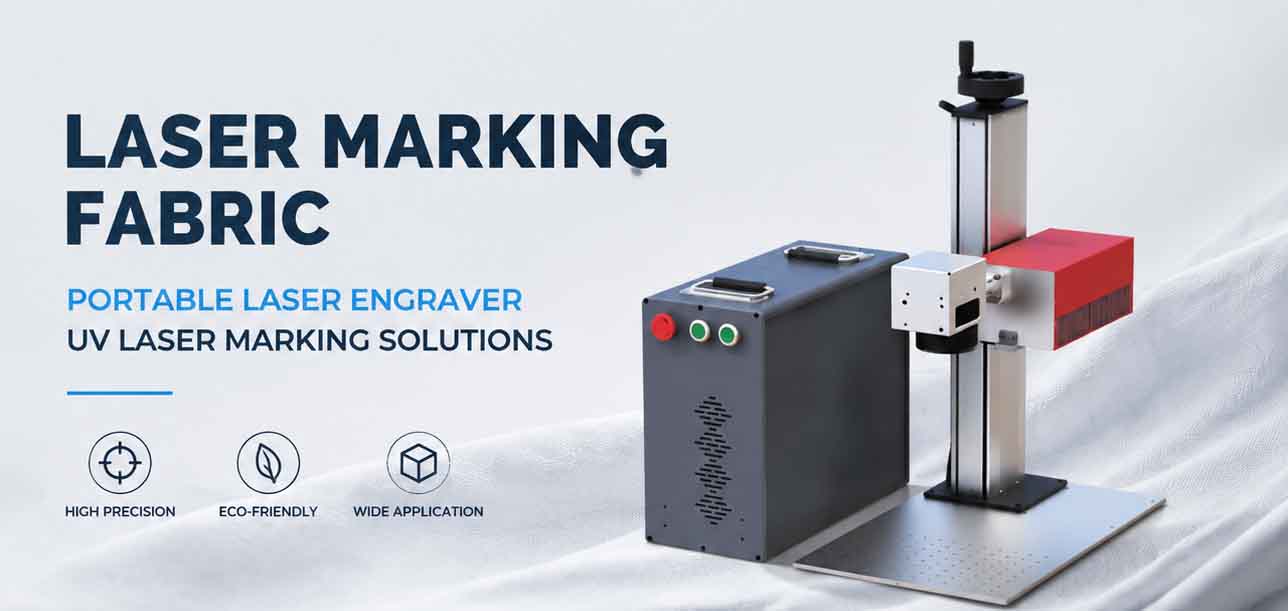
Laser Marking Fabric with Portable Laser Engraver: Advanced UV Laser Marking Solutions for Modern Manufacturing
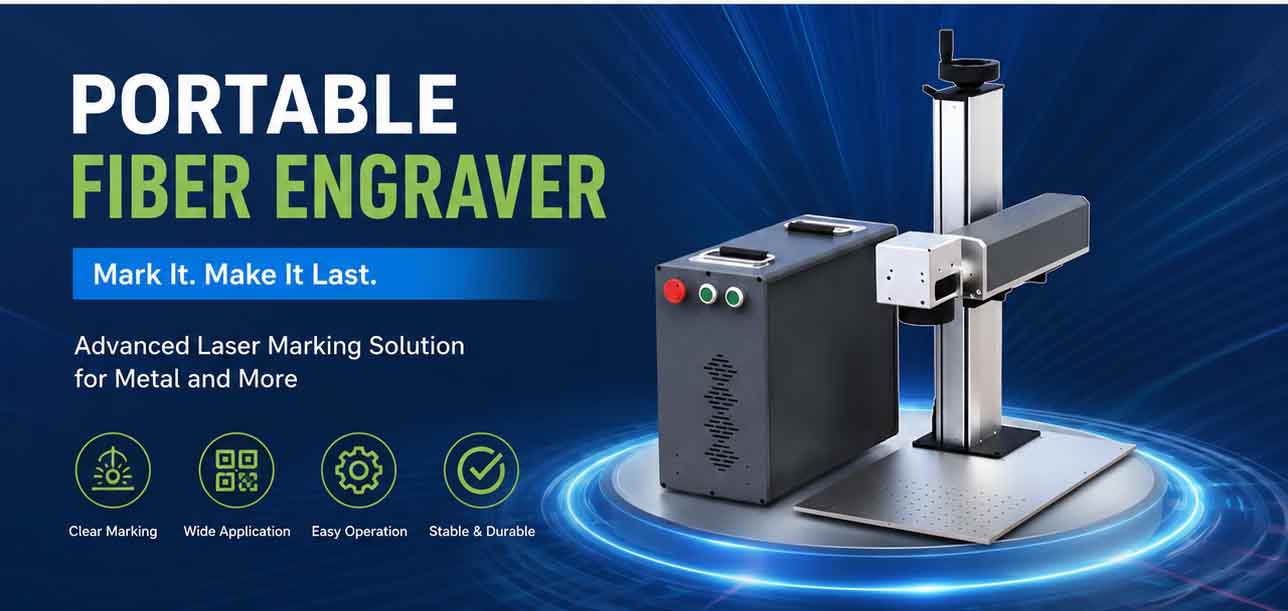
Laser Machine for Marking: The Ultimate Guide to Portable Fiber Engravers & MOPA Color Laser Marking
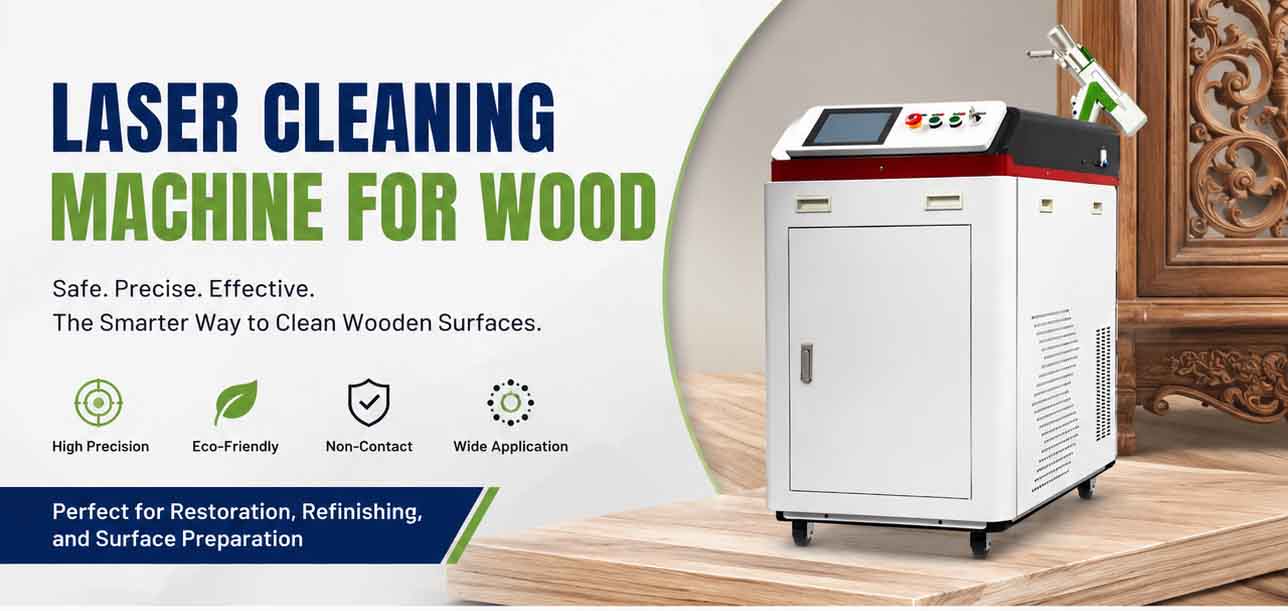
Laser Cleaning Machine for Wood: The Ultimate Guide to Safe, Precise & Eco-Friendly Wood Surface Cleaning