Nanosecond Q-Switched Laser: Industrial Applications and Performance
In the realm of industrial laser processing, nanosecond Q-switched lasers have established themselves as versatile and reliable tools for a wide range of applications. These lasers combine the precision of short pulse durations with the power necessary for efficient material processing, making them indispensable in modern manufacturing environments. This comprehensive guide explores the technology, applications, and performance characteristics of nanosecond Q-switched lasers.
Understanding Nanosecond Q-Switched Technology
A Q-switched laser operates by using an optical shutter (Q-switch) to build up energy within the laser cavity before releasing it in a single, high-power pulse. This technique generates pulses with durations in the nanosecond range (typically 1-100 nanoseconds), delivering peak powers that can reach megawatt levels even with modest average power ratings.
The nanosecond laser technology offers several distinct advantages for industrial applications:
- High Peak Power: Short pulses concentrate energy delivery, enabling efficient material removal without excessive heat input.
- Minimal Heat-Affected Zone (HAZ): Brief pulse duration limits thermal diffusion, preserving material properties around the processed area.
- Precise Energy Control: Each pulse delivers a consistent, controllable amount of energy.
- Versatile Wavelength Options: Available in IR, green, and UV wavelengths to match different material requirements.
Key Performance Parameters
Pulse Duration and Repetition Rate
Modern nanosecond Q-switched lasers offer pulse durations typically ranging from 5 to 50 nanoseconds, with repetition rates adjustable from single shot to hundreds of kilohertz. This flexibility allows optimization for different materials and processing requirements. Higher repetition rates enable faster throughput, while lower rates may be preferred for applications requiring maximum pulse energy.
Beam Quality (M² Factor)
Beam quality is a critical parameter for precision applications. Industrial-grade Q-switched lasers typically achieve M² values below 1.2, approaching the theoretical Gaussian limit. This excellent beam quality enables tight focusing and precise energy delivery, essential for high-resolution marking and micromachining applications.
Average and Peak Power
Industrial nanosecond lasers are available with average powers ranging from a few watts for marking applications to hundreds of watts for cutting and drilling. The peak power, determined by pulse energy divided by pulse duration, can reach megawatt levels, providing the intensity necessary for efficient material processing.
Industrial Applications
Laser Marking and Engraving
Nanosecond Q-switched lasers excel in marking applications across diverse materials. The combination of high peak power and short pulse duration enables:
- Metal Marking: Permanent, high-contrast marks on stainless steel, aluminum, brass, and other metals without additives.
- Plastic Marking: Clean marks on various polymers through foaming, carbonization, or color change mechanisms.
- Electronic Component Marking: High-speed marking of PCBs, ICs, and connectors with excellent readability.
- Medical Device Marking: UDI-compliant marking meeting strict regulatory requirements.
Micromachining and Drilling
The precision of nanosecond pulses makes these lasers ideal for creating small features with high accuracy:
- Microvia Drilling: Creating vias in PCBs with diameters down to 25 microns.
- Thin Film Patterning: Selective removal of thin films for display and solar cell manufacturing.
- Stencil Manufacturing: Precise aperture cutting for solder paste stencils.
- Semiconductor Processing: Memory repair, trimming, and marking applications.
Cutting and Scribing
For thin materials, nanosecond lasers offer clean cutting with minimal thermal damage:
- FPC Cutting: Flexible printed circuit board profiling and cutting.
- Glass Scribing: Controlled scribing for clean break separation.
- Solar Cell Edge Isolation: Precise scribing for electrical isolation.
Wavelength Selection Guide
The choice of wavelength significantly impacts processing results:
Infrared (1064 nm)
IR wavelengths are well-absorbed by metals and many plastics, making them versatile for general-purpose applications. They offer the highest pulse energies and are most cost-effective for standard marking and engraving tasks.
Green (532 nm)
Green lasers provide better absorption on highly reflective metals like copper and gold. They also produce finer spot sizes due to shorter wavelength, enabling higher resolution marking and more precise micromachining.
UV (355 nm)
UV lasers offer the highest material absorption for most materials, including plastics, glass, and ceramics. The short wavelength enables the finest feature sizes and minimal thermal effects, making UV lasers ideal for sensitive materials and high-precision applications.
System Integration Considerations
Successful implementation of nanosecond Q-switched lasers requires careful system design:
Beam Delivery
Proper beam delivery systems maintain beam quality and optimize processing results:
- Galvanometer Scanners: High-speed beam positioning for marking and engraving.
- Motion Stages: Precise workpiece positioning for cutting and drilling.
- Beam Expanders: Optimizing beam diameter for focusing and scanner performance.
Process Parameters
Optimizing processing parameters is essential for achieving desired results:
- Pulse Energy: Adjusted for material and processing depth requirements.
- Repetition Rate: Balanced between throughput and thermal management.
- Scan Speed: Coordinated with repetition rate for optimal pulse overlap.
- Focus Position: Critical for achieving desired spot size and energy density.
Maintenance and Reliability
Modern industrial nanosecond Q-switched lasers are designed for reliable operation in demanding manufacturing environments:
- Sealed Optical Cavities: Protection against contamination for long-term stability.
- Advanced Cooling Systems: Maintaining optimal operating temperatures.
- Self-Diagnostics: Real-time monitoring of laser parameters and performance.
- Modular Design: Facilitating maintenance and reducing downtime.
With proper maintenance, industrial nanosecond lasers typically achieve operational lifetimes exceeding 20,000 hours, providing excellent return on investment for manufacturing operations.
Conclusion
Nanosecond Q-switched lasers represent a mature yet continuously evolving technology that serves as the backbone of many industrial laser processing applications. Their combination of high peak power, precise energy control, and versatile wavelength options makes them indispensable tools for marking, micromachining, and cutting applications across diverse industries.
As manufacturing requirements continue to demand higher precision, faster throughput, and greater flexibility, nanosecond Q-switched laser technology continues to advance, with improvements in pulse control, beam quality, and system integration capabilities. For manufacturers seeking reliable, high-performance laser processing solutions, nanosecond Q-switched lasers offer a proven technology platform with the versatility to address current and future production challenges.
Advanced Features in Modern Q-Switched Lasers
Intelligent Control Systems
Contemporary nanosecond Q-switched lasers incorporate sophisticated control systems that enhance process capability and ease of integration:
- Real-Time Power Monitoring: Continuous measurement and feedback control of output power for consistent results.
- Pulse Energy Stabilization: Active control systems maintain pulse-to-pulse energy stability within 2% or better.
- External Triggering: Flexible synchronization options for integration with motion control and process automation systems.
- Remote Interface Capabilities: Ethernet, RS232, and analog control interfaces for diverse system integration requirements.
Enhanced Lifetime Technologies
Manufacturers have implemented various technologies to extend operational lifetime and reduce maintenance requirements:
- Automatic Crystal Switching: Systems that automatically manage crystal temperature and alignment to optimize lifetime.
- Self-Cleaning Cavity Designs: Preventing contamination buildup that can degrade performance over time.
- Predictive Maintenance Algorithms: Advanced monitoring that predicts maintenance needs before performance degradation occurs.
- Component Redundancy: Critical path redundancy in some models to ensure continuous operation.
Industry-Specific Solutions
3C Electronics Manufacturing
The 3C (Computer, Communication, Consumer Electronics) industry represents a major application area for nanosecond Q-switched lasers:
- Mobile Device Marking: High-speed, permanent marking of serial numbers, QR codes, and logos on smartphone casings.
- PCB Processing: Via drilling, routing, and marking for high-density circuit boards.
- Connector Marking: Precise marking of tiny electronic connectors with high readability requirements.
Automotive Industry
Automotive manufacturing applications leverage the reliability and precision of nanosecond lasers:
- Part Traceability: Direct part marking for quality tracking and regulatory compliance throughout the supply chain.
- Sensor Marking: High-contrast marking of sensors and electronic components.
- VIN Marking: Permanent vehicle identification number marking meeting regulatory requirements.
These industry-specific applications demonstrate the versatility and reliability of nanosecond Q-switched laser technology in demanding manufacturing environments.
As manufacturing technology continues to advance, the role of nanosecond Q-switched lasers will expand, driven by ongoing improvements in performance, reliability, and cost-effectiveness. Manufacturers investing in this technology position themselves to meet current production requirements while building capability for future challenges.
The continued evolution of nanosecond Q-switched laser technology ensures its relevance for industrial applications well into the future, making it a sound investment for manufacturers seeking reliable, high-performance laser processing solutions.

2026 Mid-Autumn Festival and National Day Holiday Notice

OFFICIAL DRIVER UPDATE NOTICE

Top Factors That Affect Marking Quality in Handheld Fiber Laser Systems

Meet JCZ at Laser World of Photonics India 2026 in Bengaluru
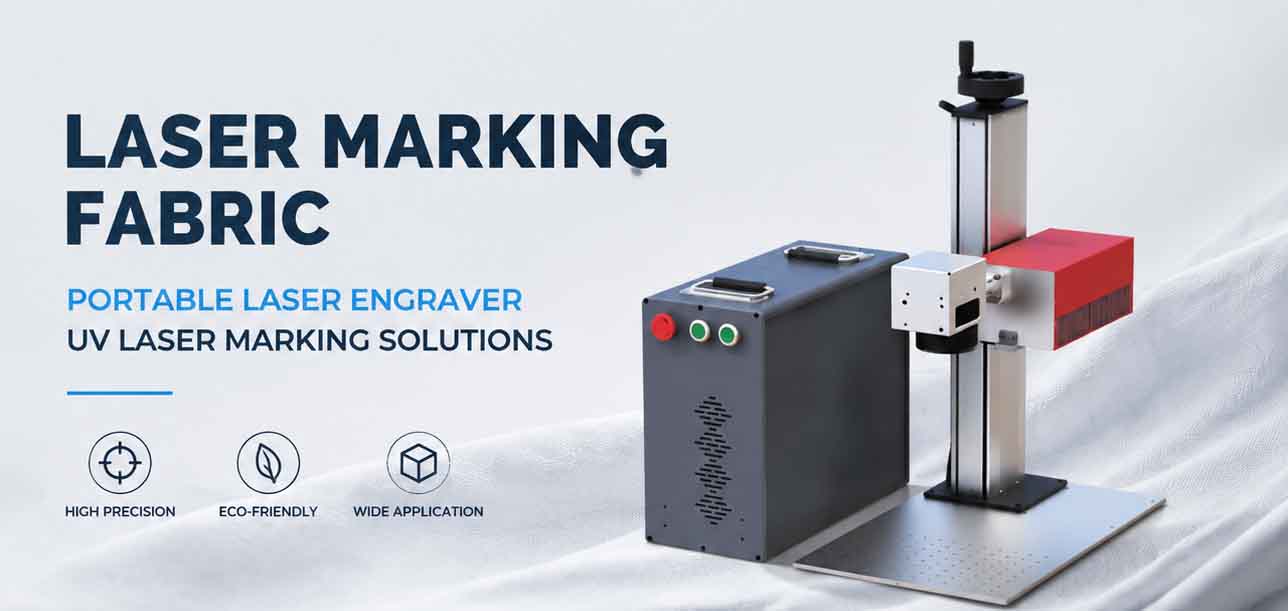
Laser Marking Fabric with Portable Laser Engraver: Advanced UV Laser Marking Solutions for Modern Manufacturing
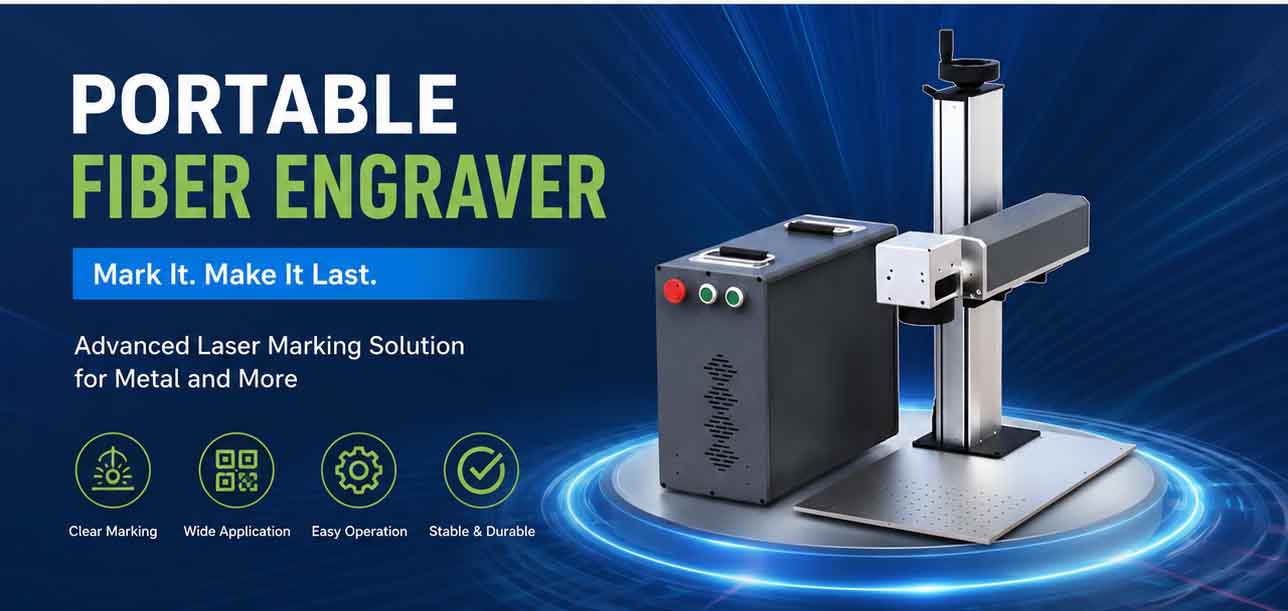
Laser Machine for Marking: The Ultimate Guide to Portable Fiber Engravers & MOPA Color Laser Marking