Introduction
Industrial laser micromachining demands precision, repeatability, and process reliability across diverse materials and applications. Nanosecond Q-switched lasers have emerged as versatile tools bridging the gap between continuous-wave lasers and ultrafast femtosecond systems, offering sufficient pulse energy for material removal while maintaining thermal management within acceptable limits.
Key Takeaways
- Nanosecond Q-switched lasers achieve peak powers 10,000-100,000x higher than average power rating
- Pulse durations of 1-100 nanoseconds minimize heat-affected zones to 5-20 micrometers
- Versatile material processing across metals, semiconductors, ceramics, and polymers
- Lower capital cost than picosecond or femtosecond alternatives by 30-50%
What Is a Nanosecond Q-Switched Laser?
A nanosecond Q-switched laser generates high-peak-power pulses through active or passive Q-switching mechanisms, producing pulse durations in the 1-100 nanosecond range. Unlike continuous-wave lasers that deliver constant power, Q-switched systems accumulate energy in the laser cavity before releasing it in short, intense bursts.
Peak power calculations for industrial laser systems demonstrate capability differences: a 20W average power, 100ns pulse duration system at 100 kHz repetition rate delivers 2 MW peak power per pulse—sufficient to vaporize most materials through direct ablation mechanisms.
Core Feature Analysis
Pulse Energy and Peak Power
Use case: Material ablation, drilling, and micromachining where energy density determines process quality
How it works: Q-switching generates peak powers 10,000-100,000x higher than average power rating
Output quality: Clean ablation edges with minimal debris for materials with strong absorption
Beam Quality and Focusing
Precision laser micromachining applications demand beam quality metrics: M² < 1.3 ensures consistent spot sizes across the working field, while pointing stability below 50 μrad maintains positioning accuracy during extended processing runs.
Nanosecond Q-Switched Laser Pros and Cons
Real Advantages:
- Versatile Material Processing across metals, semiconductors, ceramics, and polymers
- Minimal Heat-Affected Zone: Pulse durations below thermal diffusion times limit collateral damage
- High Processing Speeds: Repetition rates to 1 MHz enable throughput 10-100x faster than femtosecond alternatives
- Lower Capital Cost: 30-50% less than picosecond/femtosecond alternatives
Real Limitations:
- Thermal Accumulation at high repetition rates causes heat buildup
- Melting Recast of 1-5μm requiring post-processing
Frequently Asked Questions
What materials can nanosecond Q-switched lasers process?
Metals (aluminum, steel, copper, titanium), semiconductors (silicon, GaAs, sapphire), ceramics (alumina, zirconia), and polymers with appropriate wavelength selection.
How do I select the right wavelength for my application?
Match laser wavelength to material absorption: metals process well at 1064nm, semiconductors and polymers absorb better at 532nm or 355nm.
Industrial laser systems from leading manufacturers deliver consistent performance for demanding applications in electronics, medical device manufacturing, and automotive components. Laser marking equipment utilizing Q-switched technology provides permanent identification solutions across diverse industries.
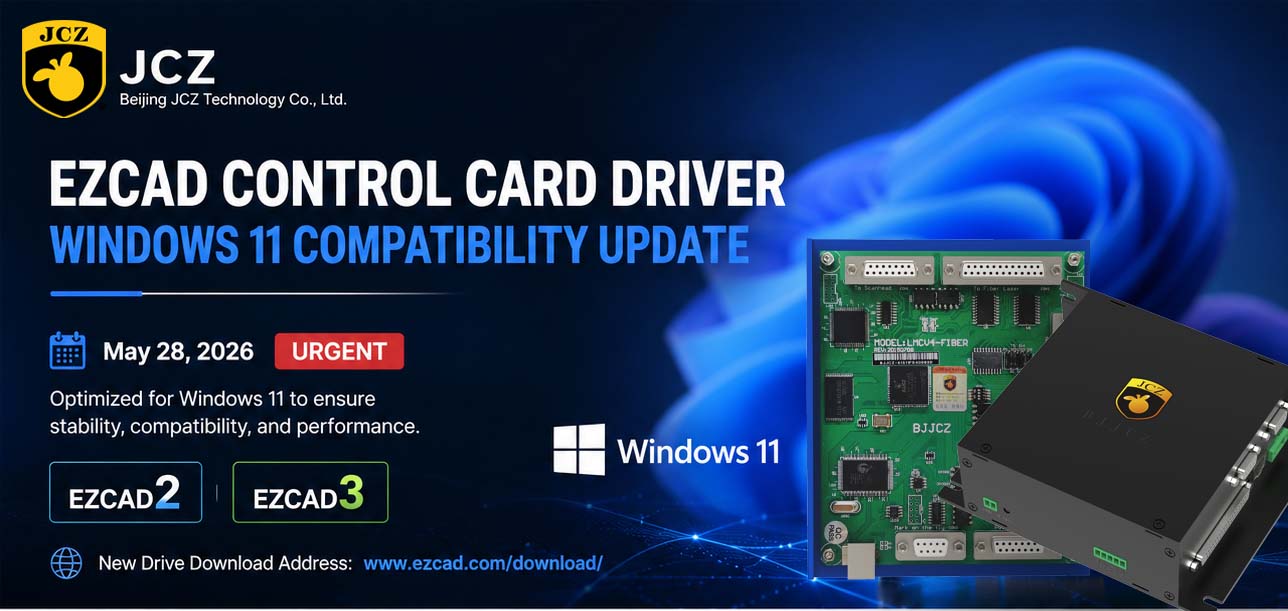
OFFICIAL DRIVER UPDATE NOTICE

2026 Mid-Autumn Festival and National Day Holiday Notice

Top Factors That Affect Marking Quality in Handheld Fiber Laser Systems

Meet JCZ at Laser World of Photonics India 2026 in Bengaluru
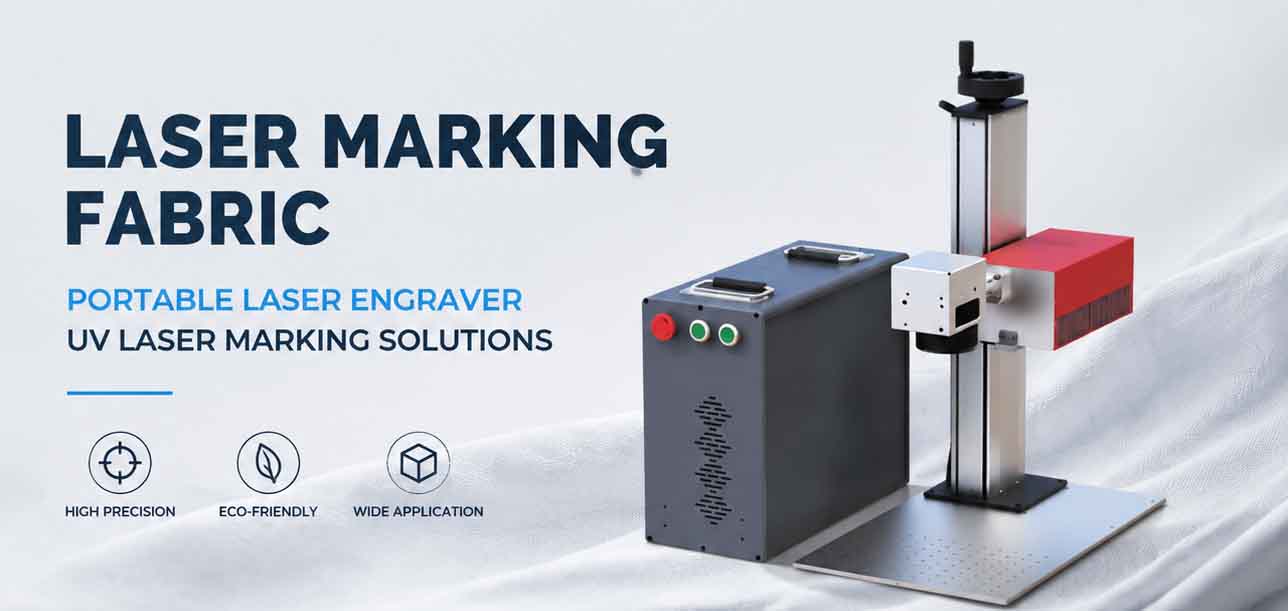
Laser Marking Fabric with Portable Laser Engraver: Advanced UV Laser Marking Solutions for Modern Manufacturing
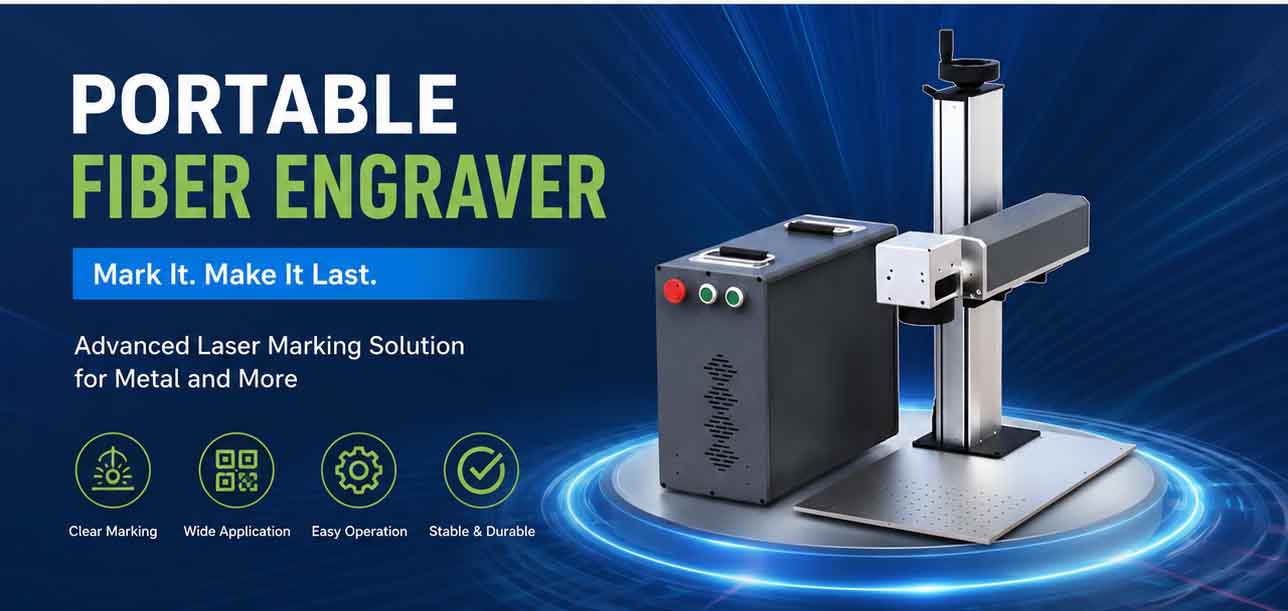
Laser Machine for Marking: The Ultimate Guide to Portable Fiber Engravers & MOPA Color Laser Marking