Picosecond laser technology represents a significant advancement in precision manufacturing, enabling material processing with unprecedented accuracy and minimal thermal damage. This comprehensive guide explores the applications, benefits, and selection criteria for industrial picosecond laser systems, helping manufacturers make informed decisions for their precision processing needs.
Understanding Picosecond Laser Technology
Modern laser source technology has evolved to offer pulse durations in the picosecond range (10^-12 seconds), providing unique advantages for material processing. Unlike longer pulse lasers, picosecond lasers deliver energy so rapidly that heat does not have time to diffuse into the surrounding material. This “cold ablation” process results in exceptionally clean cuts with minimal heat-affected zones.
The AMT Series industrial picosecond laser from JCZ exemplifies the capabilities of modern picosecond technology, offering UV (355nm), Green (532nm), and Red (1064nm) wavelengths to address diverse material processing requirements. These systems deliver the precision and reliability demanded by high-value manufacturing applications.
Key Applications in Precision Manufacturing
Electronics and Semiconductor Processing
Picosecond lasers have become essential tools in electronics manufacturing, enabling precise processing of delicate components:
- PCB via drilling and micro-machining
- Semiconductor wafer dicing and marking
- Thin-film patterning and removal
- OLED and display manufacturing
- IC package trimming and marking
Medical Device Manufacturing
The medical device industry benefits significantly from picosecond laser capabilities:
- Stent cutting and surface texturing
- Surgical instrument manufacturing
- Implant surface treatment
- Micro-fluidic device fabrication
- Medical tube cutting and drilling
Automotive and Aerospace Components
High-precision components in automotive and aerospace applications require the accuracy that picosecond lasers provide:
- Fuel injector nozzle drilling
- Turbine blade cooling hole drilling
- Sensor component manufacturing
- Lightweight material processing
Advantages of Picosecond Laser Processing
Minimal Heat-Affected Zone
The ultrashort pulse duration ensures that thermal energy does not spread beyond the immediate processing area. This characteristic is critical for applications involving heat-sensitive materials or where maintaining material properties is essential.
High Precision and Repeatability
Picosecond lasers achieve exceptional precision, with spot sizes down to micrometers. The consistent pulse-to-pulse stability ensures uniform results across production runs, meeting the demanding requirements of industrial manufacturing.
Material Versatility
With multiple wavelength options, picosecond lasers can process a wide range of materials:
- Metals: Stainless steel, aluminum, copper, titanium
- Polymers: ABS, polycarbonate, polyimide
- Ceramics and glass
- Composites and layered materials
Selecting the Right Picosecond Laser System
When evaluating picosecond laser systems for manufacturing applications, consider the following factors:
Wavelength Selection
Different materials absorb different wavelengths more efficiently.
1064nm Picosecond Laser
Best for:
- Stainless steel marking
- Precision metal engraving
- Semiconductor applications
- Industrial micromachining
532nm Green Picosecond Laser
Best for:
- PCB processing
- Thin film removal
- Electronic component marking
- Copper material processing
UV Picosecond Laser
Best for:
- Glass cutting
- Sapphire drilling
- Polymer processing
- Medical material micromachining
Deep UV picosecond laser systems are especially suitable for ultra-fine semiconductor and precision electronics manufacturing environments that require extremely small feature sizes and minimal thermal impact.
Power and Pulse Energy
Match the laser power and pulse energy to your application requirements. Higher power enables faster processing but must be balanced against thermal considerations and feature size requirements.
Beam Quality and Stability
M² factor and beam pointing stability directly impact processing precision. Industrial applications demand consistent beam quality over extended operation periods.
Integration and System Considerations
Successful implementation of picosecond laser technology requires careful system integration:
- Motion systems with appropriate precision and speed
- Beam delivery optics optimized for the wavelength
- Process monitoring and quality control systems
- Safety enclosures and fume extraction
- Software for precise timing and control
Future Developments in Picosecond Laser Technology
The field continues to advance with developments in:
- Higher average power while maintaining pulse quality
- Improved beam shaping and delivery systems
- Advanced process monitoring and control
- Integration with automation and Industry 4.0 systems
- Expanded wavelength options for specialized applications
Conclusion
Picosecond laser technology has established itself as an essential tool in precision manufacturing, enabling capabilities that were previously impossible or impractical. As manufacturing requirements continue to demand higher precision and smaller features, picosecond laser systems will play an increasingly important role. Understanding the technology, applications, and selection criteria enables manufacturers to leverage these advanced capabilities for competitive advantage in their respective markets.

2026 Mid-Autumn Festival and National Day Holiday Notice
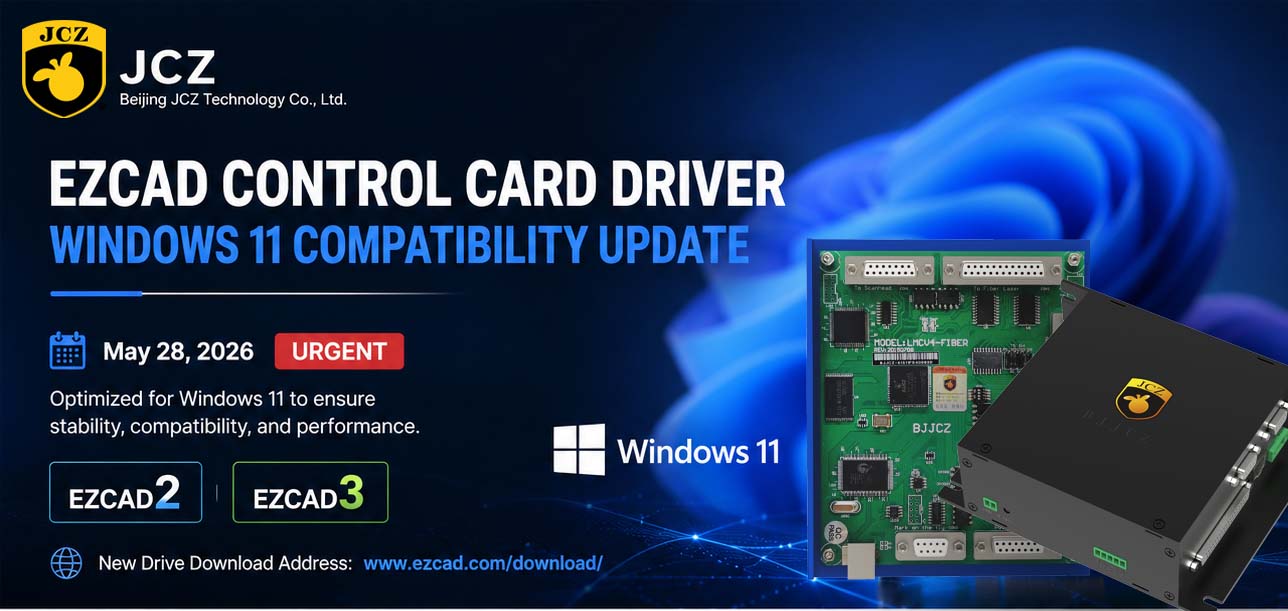
OFFICIAL DRIVER UPDATE NOTICE

Top Factors That Affect Marking Quality in Handheld Fiber Laser Systems

Meet JCZ at Laser World of Photonics India 2026 in Bengaluru
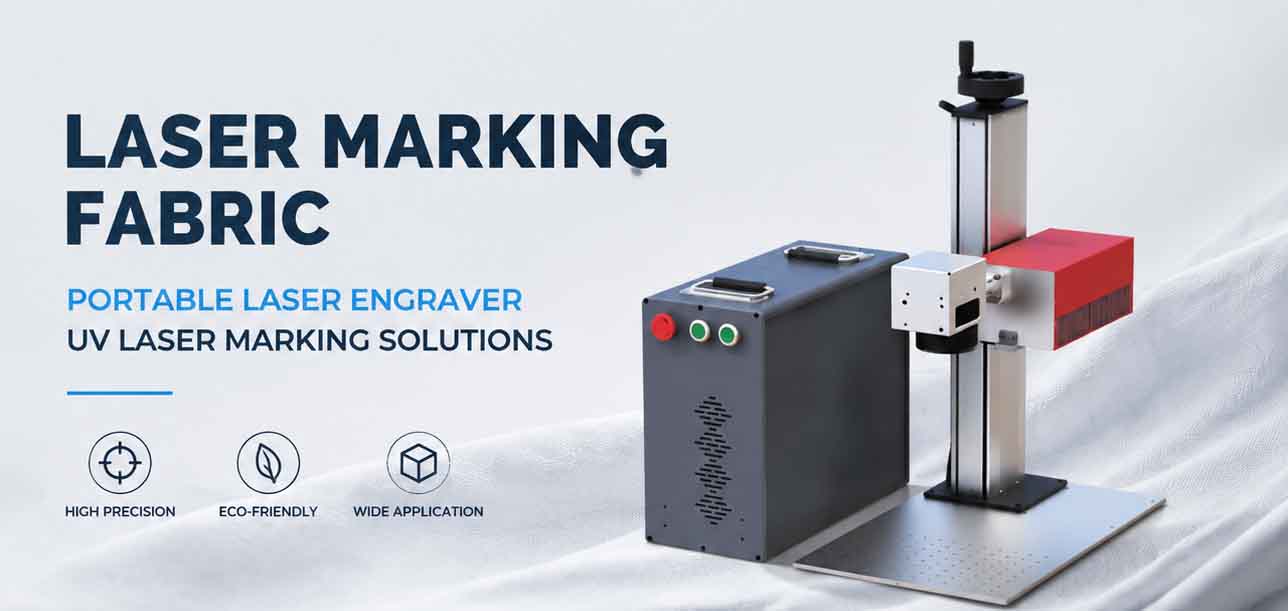
Laser Marking Fabric with Portable Laser Engraver: Advanced UV Laser Marking Solutions for Modern Manufacturing
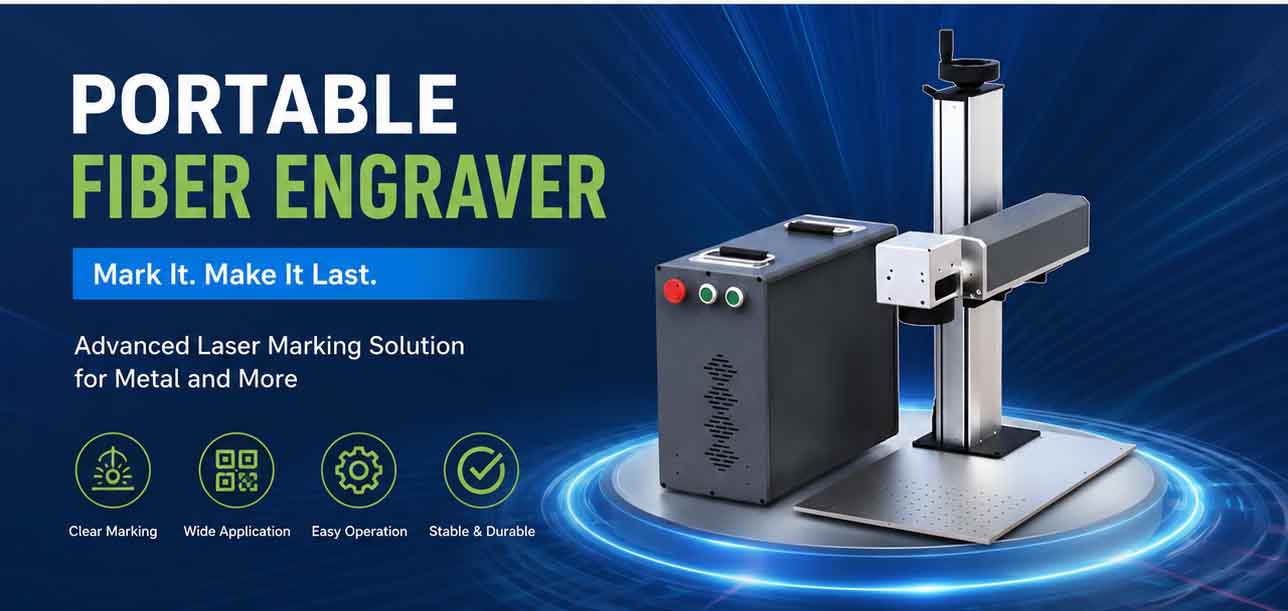
Laser Machine for Marking: The Ultimate Guide to Portable Fiber Engravers & MOPA Color Laser Marking