Galvo scanners, short for galvanometric scanners, have become an invaluable component in various industries, including manufacturing and medical sectors. These devices utilize mirrors to direct laser beams accurately and rapidly across surfaces, allowing for intricate designs and precise applications. In this article, we will delve deeper into the workings of galvo scanners, their applications, advantages, limitations, and future trends.
What are Galvo Scanners?
Galvo scanners are specialized optics systems consisting primarily of two or more galvanometer-driven mirrors. The galvanometers, which are electromechanical devices, control the angle of the mirrors. By adjusting the angle of these mirrors, the laser beam can be swiftly directed to desired locations on a surface, which allows for high-speed laser marking, engraving, and cutting. These scanners employ closed-loop systems to ensure accurate positioning, which is crucial for high-precision tasks.
How Do Galvo Scanners Work?
The operation of a galvo scanner begins with a laser source that emits a coherent light beam. This beam is directed towards the first mirror, usually named the X mirror, where the galvanometer controls its tilt. The reflected beam then hits a second mirror, the Y mirror, which is also controlled by another galvanometer. The tilting of both mirrors allows the beam to move across two dimensions, effectively covering an entire area with remarkable speed and accuracy.
The precision and speed of galvo scanners come from their rapid response times, which can often be measured in milliseconds. This capability makes them suitable for applications requiring fast and repeatable motion, such as laser engraving or cutting, where speed and accuracy are essential to economic efficiency and product quality.
Types of Galvo Scanners
To meet the diverse needs of modern laser applications, galvo scanners are available in multiple configurations, each designed to deliver optimal performance for specific processing requirements:
2-Axis Galvo Scanners
Ideal for high-speed laser marking, engraving, and cutting on flat surfaces. These scanners offer excellent speed, stability, and cost-effectiveness, making them the most widely used solution in industrial laser systems.
3-Axis Galvo Scanners (Dynamic Focusing)
Equipped with an additional Z-axis, these scanners maintain precise laser focus on curved, uneven, or three-dimensional surfaces. They are the preferred choice for deep engraving, complex structures, and high-end applications requiring superior processing quality.
High-Speed Galvo Scanners
Designed for maximum productivity, these scanners deliver ultra-fast response times and high repeatability, making them ideal for mass production environments where efficiency and throughput are critical.
High-Precision Galvo Scanners
Optimized for fine details and micro-processing, these scanners ensure exceptional accuracy and consistency, perfectly suited for electronics, medical devices, and precision manufacturing.
Customizable Galvo Scanner Solutions
Available with different aperture sizes, mirror coatings, and laser compatibility options, galvo scanners can be tailored to match specific laser sources, power levels, and application demands.
With their flexible configurations and scalable performance, galvo scanners provide reliable, high-performance solutions that help businesses enhance productivity, improve quality, and stay competitive in demanding markets.
Applications of Galvo Scanners
Galvo scanners are widely used across various industries for several applications:
1. Manufacturing: In manufacturing, galvo scanners are used for laser marking, engraving, and cutting. These applications may include marking serial numbers, logos, or barcodes on various materials such as metals, plastics, and glass with high precision.
2. Medical Devices: In the medical field, galvo scanners play a crucial role in manufacturing devices like surgical instruments and implants. The precision offered by these scanners ensures that each instrument meets stringent medical regulations and quality standards.
3. Electronics: The electronics industry utilizes galvo scanners for marking printed circuit boards (PCBs) and other components. The ability to apply intricate designs without damaging delicate components is vital for maintaining product integrity.
4. Aerospace: Galvo scanners are vital in aerospace for engraving and marking components where lightweight and durability are essential. Their accuracy ensures that every part fits perfectly in complex assemblies.
Advantages of Galvo Scanners
The benefits of galvo scanners are manifold:
– Speed: Galvo scanners can operate at very high speeds, leading to reduced processing times and increased productivity.
– Accuracy: With their high precision, galvo scanners can create fine details that are often challenging for other laser systems.
– Flexibility: Galvo scanners can be easily adapted to different tasks by simply changing the software parameters, making them versatile for various applications.
– Reduced Waste: The efficiency and precision of galvo scanners minimize material waste, leading to cost savings and sustainability.
Limitations of Galvo Scanners
Despite the many advantages, galvo scanners have some limitations:
– Cost: The initial investment for high-quality galvo scanners can be significant, potentially putting them out of reach for smaller operations.
– Limited Depth: Depending on the application, galvo scanners may struggle with engraving or cutting deep into certain materials compared to traditional laser systems.
– Complexity: The technology behind galvo scanning requires expertise for setup and maintenance. Selecting the correct settings for different materials and applications demands skilled operators.
Future Trends in Galvo Scanners
Looking forward, the demand for galvo scanners is expected to grow as industries continue to advance towards automation and precision.
Innovations in materials and laser technology will likely enhance the capabilities of galvo scanners, making them even more applicable across various sectors. As artificial intelligence and machine learning further permeate manufacturing processes, we may see more intelligent and adaptive galvo systems, leading to improved efficiency and reduced operational costs.
In conclusion, galvo scanners are a cornerstone technology in precision laser applications. Their unique capabilities in speed and accuracy enable them to serve diverse industries well. Despite their challenges, the ongoing advancements in technology promise to enhance their usability and effectiveness, securing their position as an essential tool in the modern manufacturing and medical landscapes.
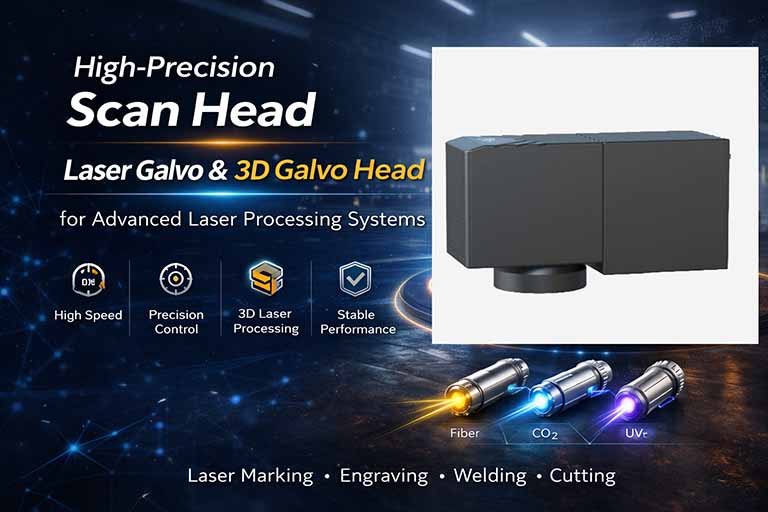
Scan Head & 3D Galvo Head for Laser Systems
Best 3D Printer & SLA Machine for Industrial 3D Printing
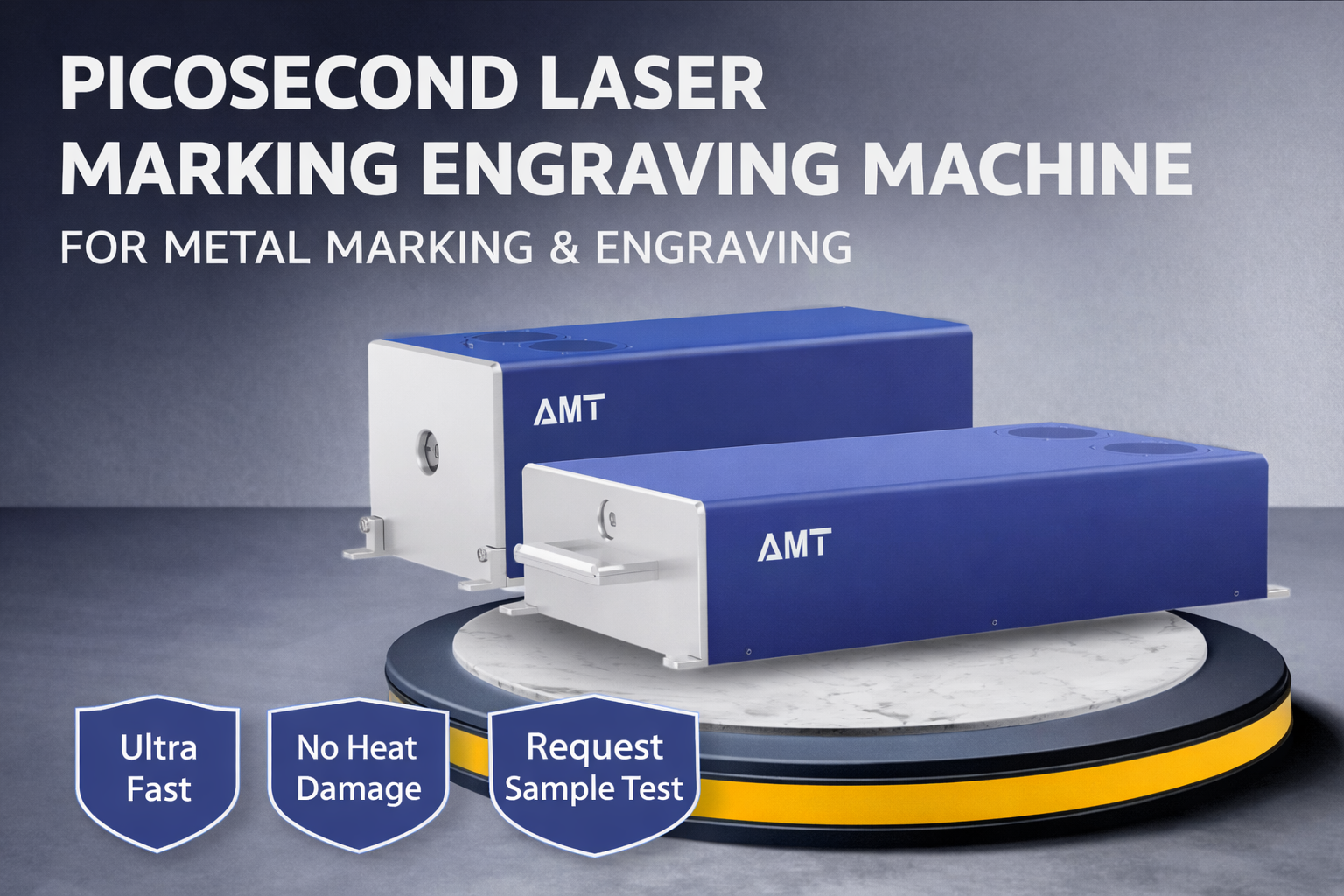
Picosecond Lasers for Ultra-Precision Metal Marking & Engraving
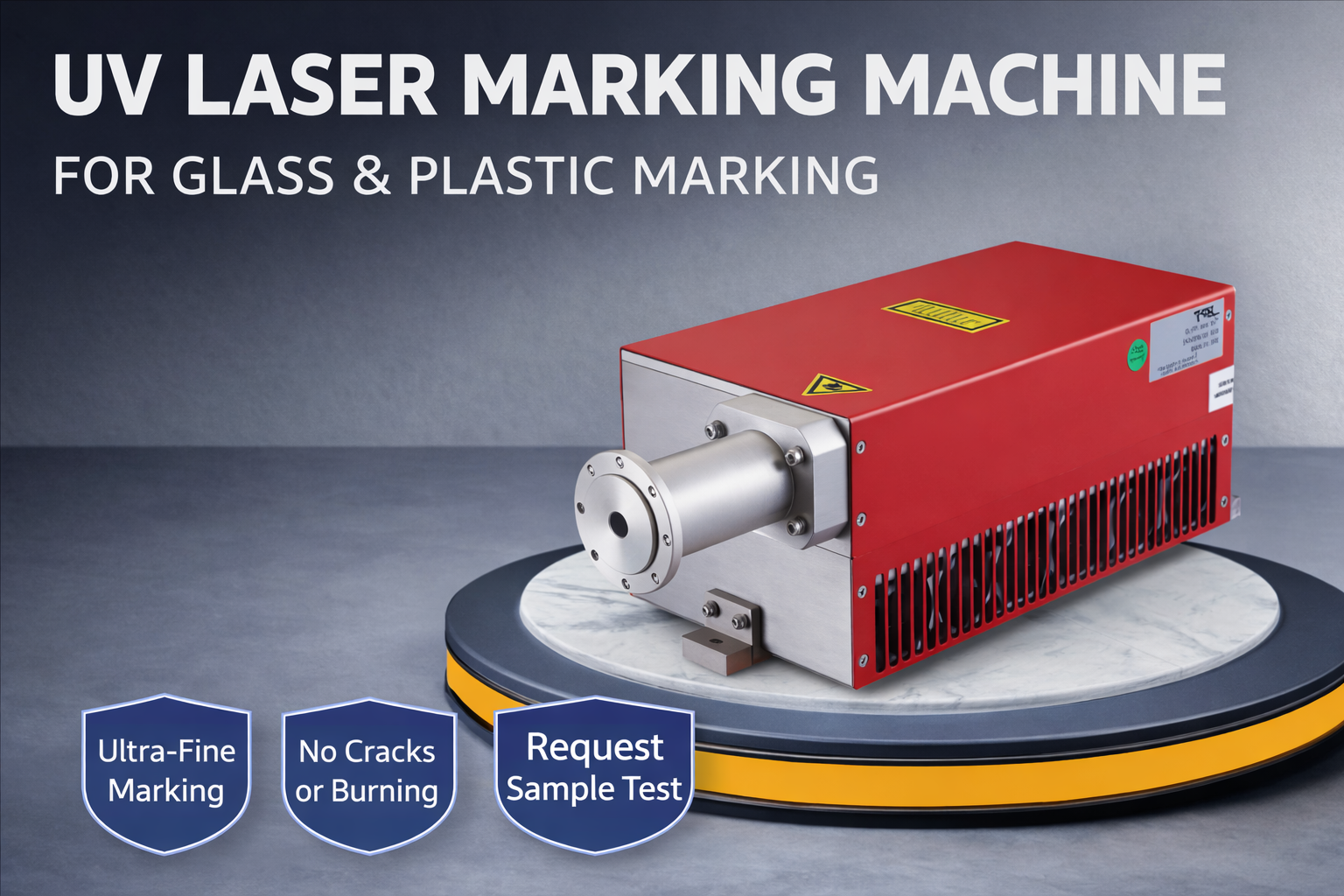
UV Laser Marking Machine for Glass, Plastic & High-Precision Applications
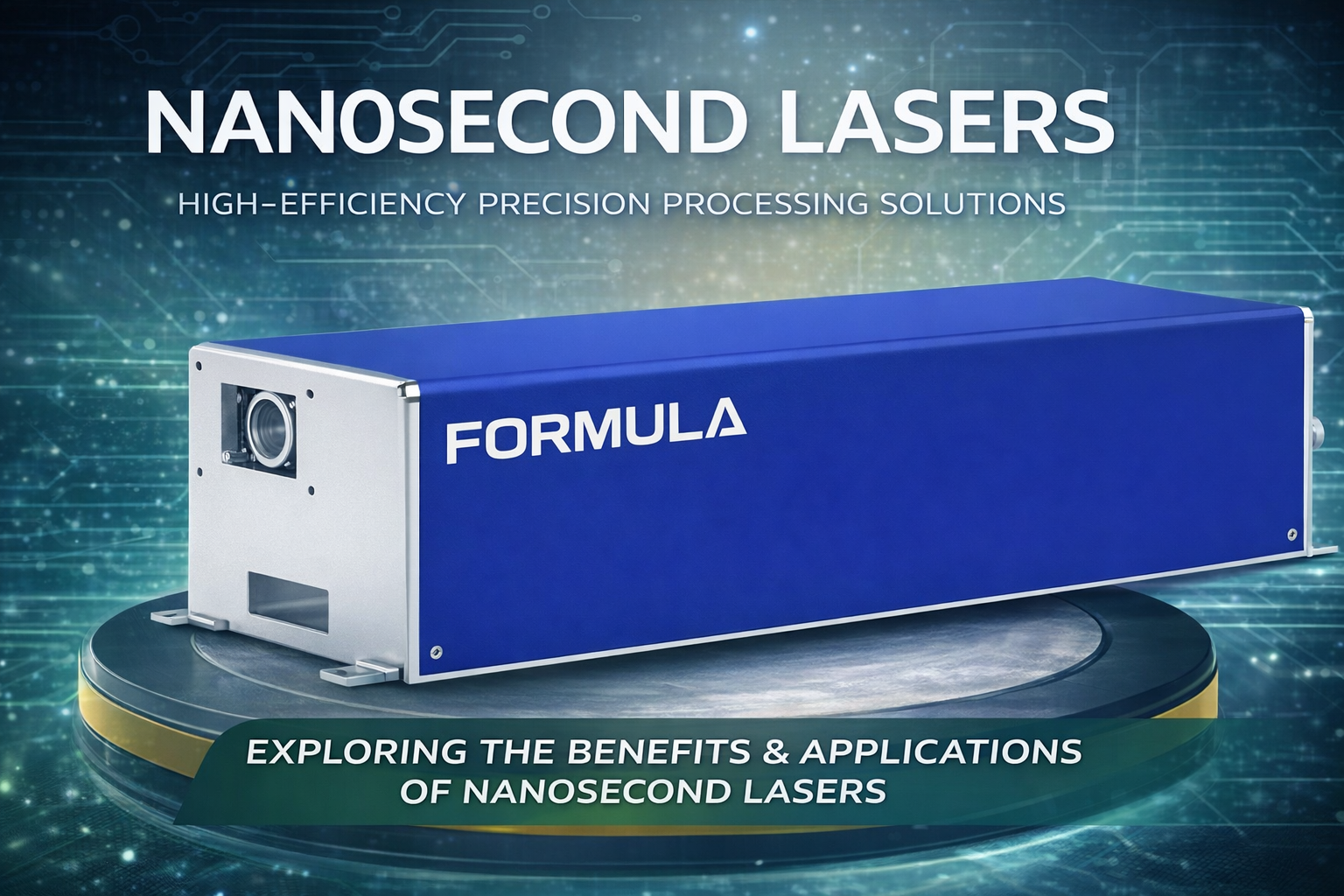
High Performance Nanosecond Lasers for Industrial Precision Processing