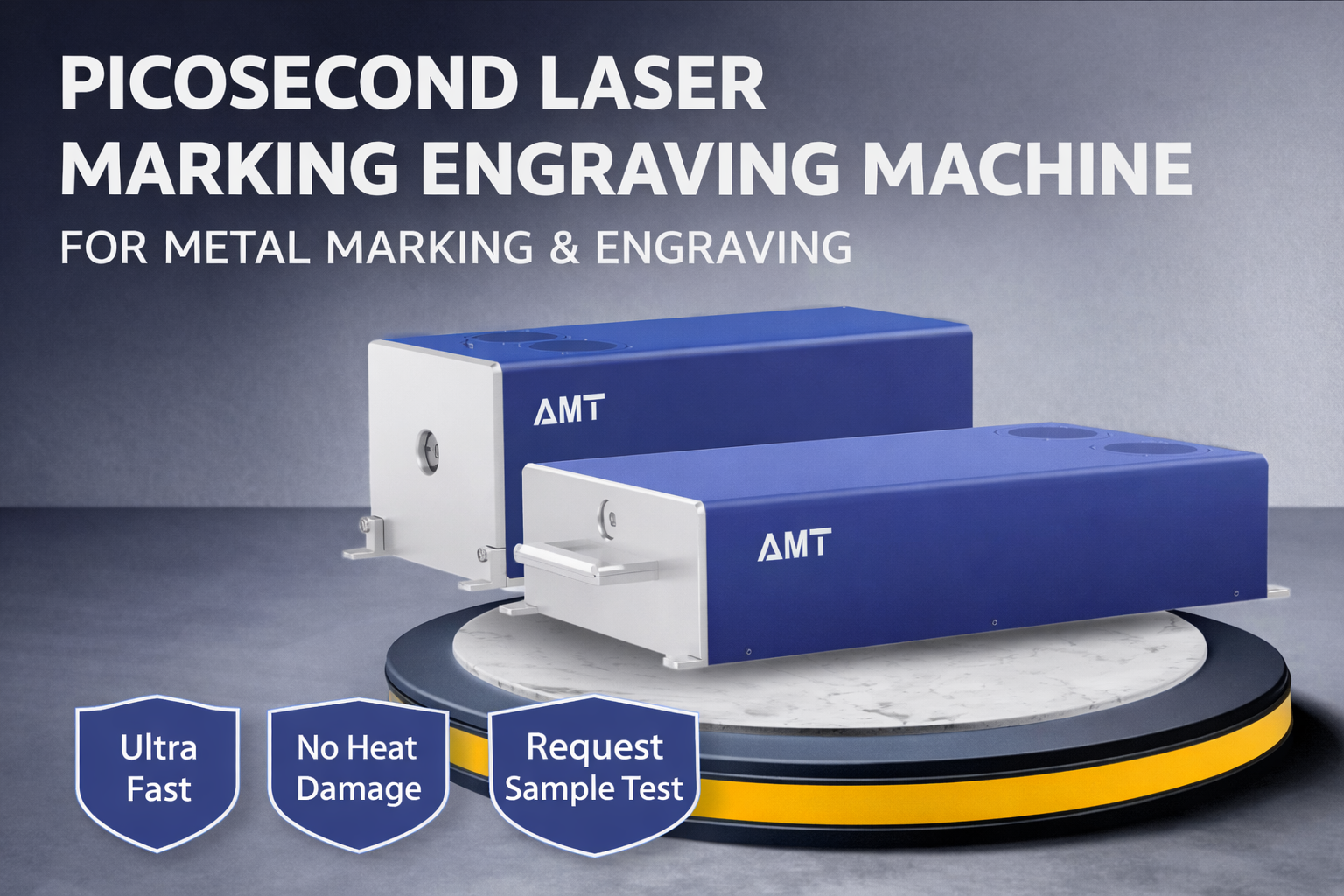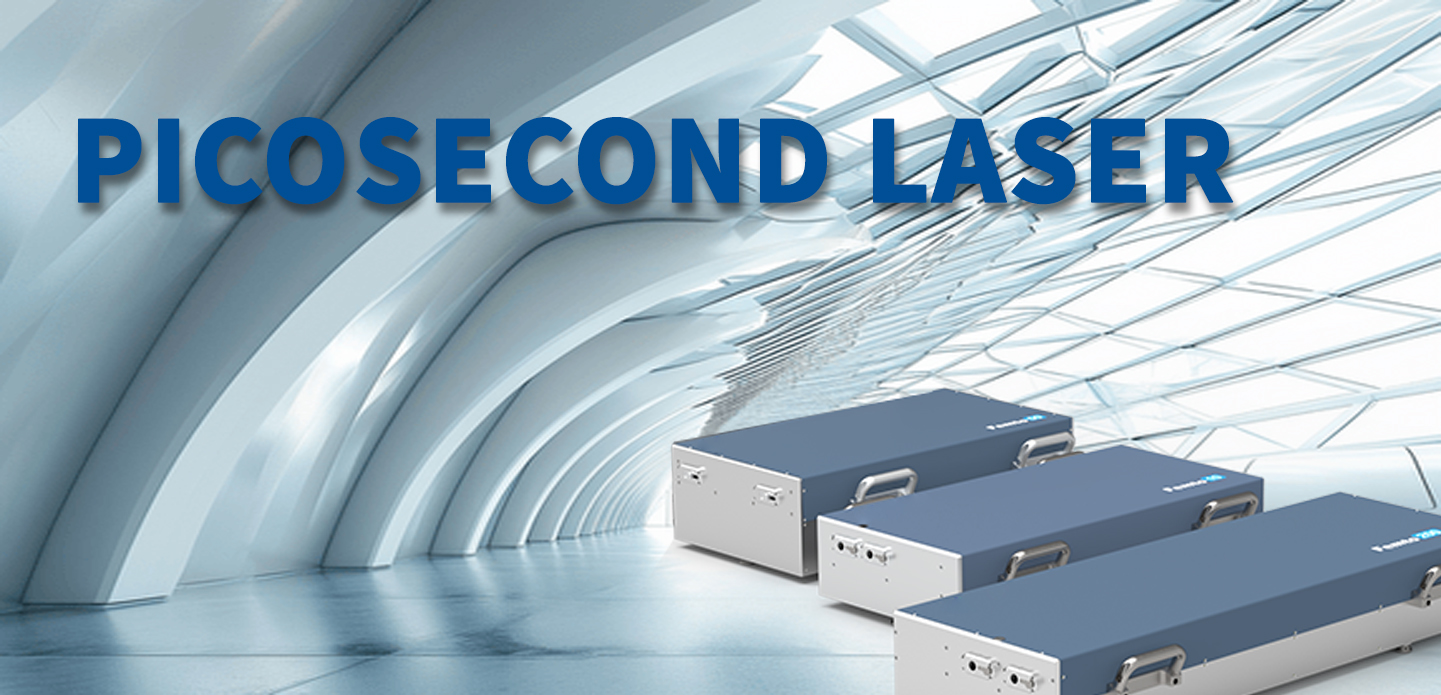
The advance of laser technology has significantly transformed various fields, particularly in medicine and aesthetics. Among the available laser technologies, the 1064 picosecond laser stands out for its precision, speed, and versatility. This technology has reached a level of development that improves treatment effectiveness, shortens recovery time, and expands its use in both therapeutic and cosmetic applications.
Understanding 1064 Picosecond Laser Technology
At its core, a picosecond laser refers to the speed at which laser energy is delivered. With pulse durations measured in picoseconds—one trillionth of a second—the 1064 picosecond laser delivers high-energy light in an extremely short time. This makes it highly effective for a wide range of medical and aesthetic procedures.
The 1064 nm wavelength falls within the near-infrared spectrum, allowing it to effectively target specific skin chromophores such as melanin and hemoglobin. This characteristic is especially important in treatments like tattoo removal and skin rejuvenation, where differences in skin type and pigment depth must be carefully managed.
Applications in Dermatology
One of the most notable applications of the 1064 picosecond laser is in dermatology. This technology allows dermatologists to treat pigmentation disorders, broken capillaries, and tattoos with a high degree of accuracy.
Compared with traditional laser systems, the 1064 picosecond laser minimizes damage to surrounding tissue. As a result, patients often experience less bruising and swelling, along with shorter recovery periods. The laser breaks pigment particles into smaller fragments without significantly affecting nearby skin, supporting the body’s natural clearance process while improving treatment results.
Role in Aesthetic Procedures
In aesthetic medicine, the 1064 picosecond laser is widely used for skin rejuvenation treatments. It helps address concerns such as fine lines, wrinkles, and uneven skin texture. One of its key benefits is the stimulation of collagen production, which contributes to improved skin firmness and elasticity over time.
Rather than producing sudden or dramatic changes, treatments encourage gradual improvement, leading to more natural-looking results. Many patients also appreciate that procedures are generally well tolerated and involve minimal downtime.
Safety Considerations for Different Skin Types
Due to its short pulse duration, the 1064 picosecond laser reduces the amount of heat transferred to the skin. This lowers the risk of thermal damage, which is a common concern with longer pulse lasers. This feature is particularly important for patients with darker skin tones, who may be more prone to post-treatment pigmentation changes.
The controlled energy delivery allows practitioners to treat a wider range of skin types with greater confidence and consistency.
Expanding Medical Potential
The use of the 1064 picosecond laser is not limited to dermatology and aesthetic medicine. Ongoing research is examining its potential applications in other medical fields, including ophthalmology and dentistry. These studies explore possibilities such as laser-assisted surgical procedures and non-invasive therapeutic treatments, highlighting the adaptability of this technology.
Conclusion
The 1064 picosecond laser has had a significant impact on medical and aesthetic treatments. Its precision, reduced recovery time, and wide range of applications have made it an important tool in modern clinical practice. As laser technology continues to develop, the 1064 picosecond laser is expected to remain an important option for improving treatment outcomes and patient experience.
Invitation | JCZ Technology Invites You to LASER World of PHOTONICS CHINA 2026
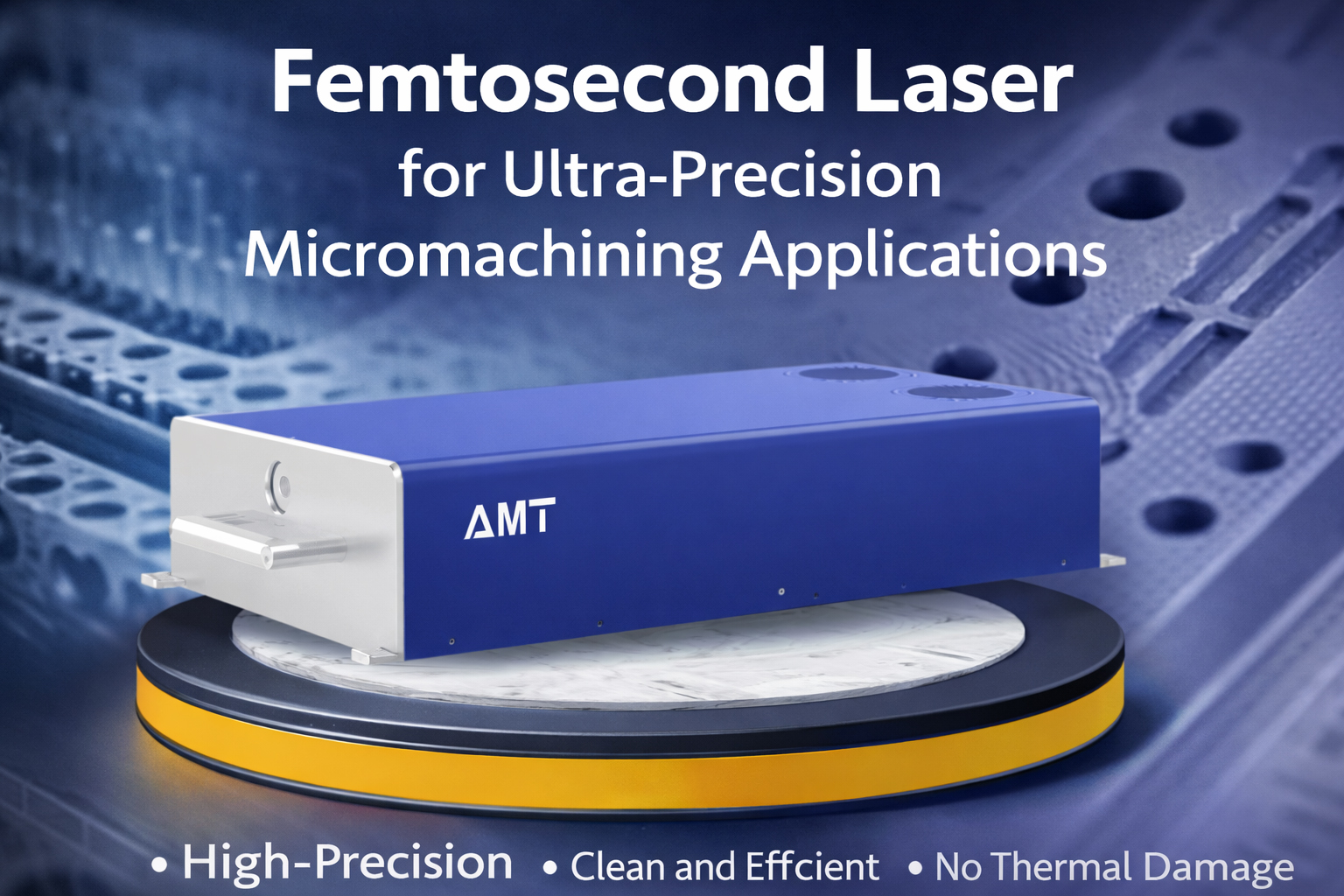
Femtosecond Laser for Ultra-Precision Micromachining Applications
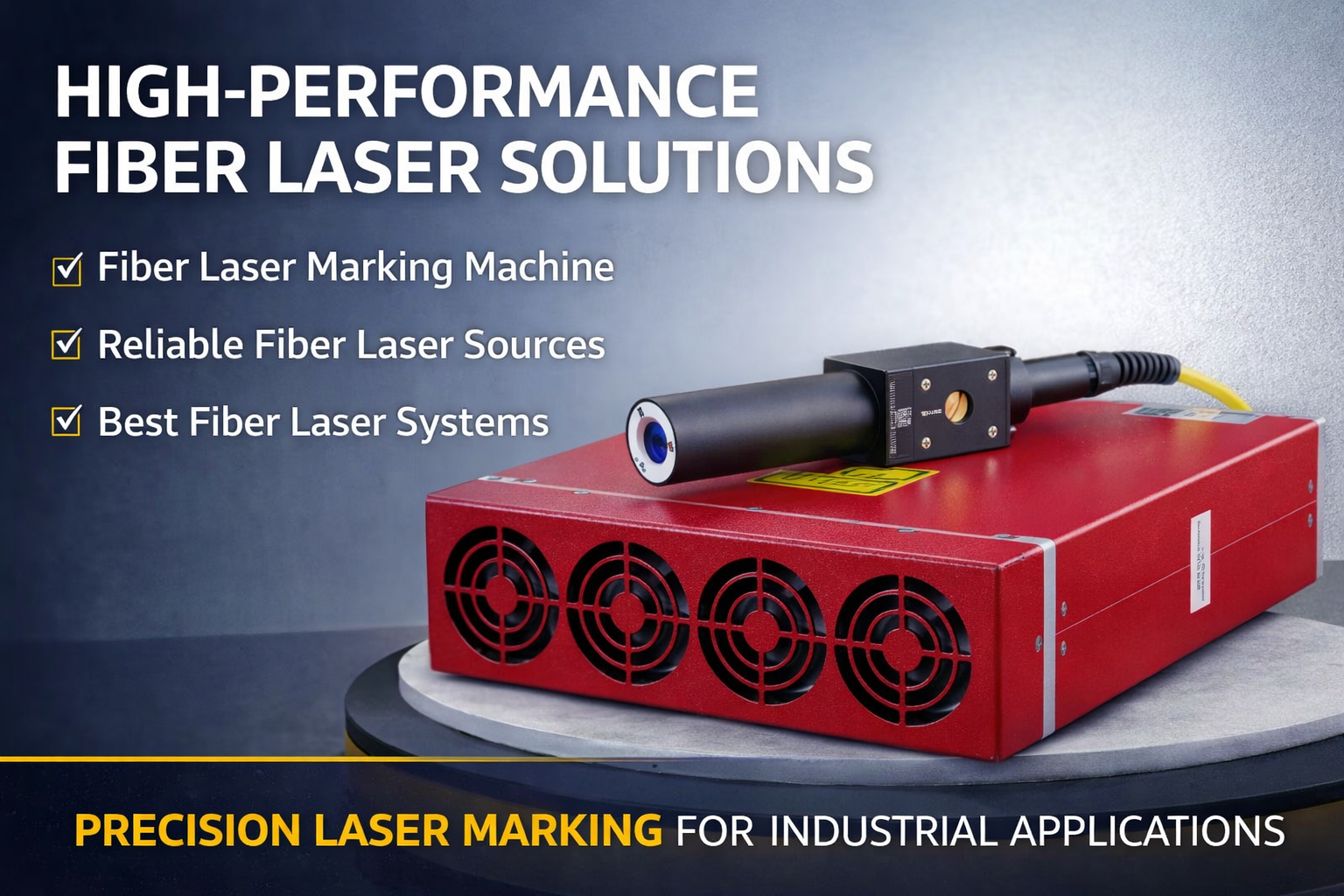
Fiber Laser Solutions for Industrial Precision Manufacturing
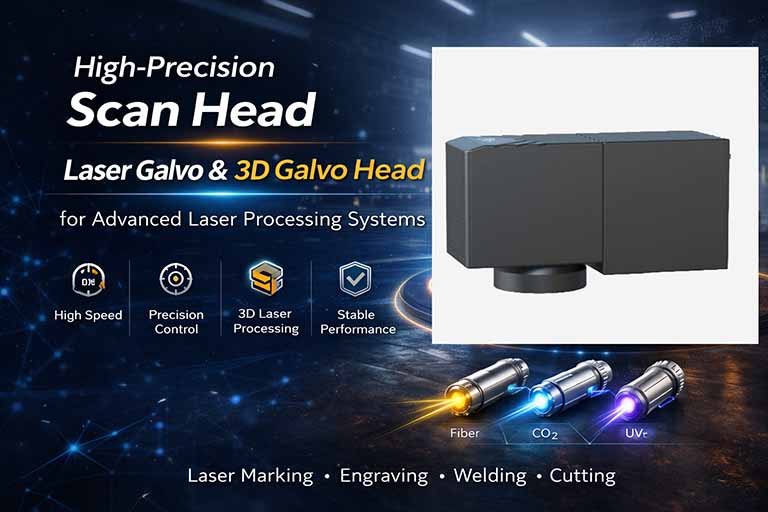
Scan Head & 3D Galvo Head for Laser Systems
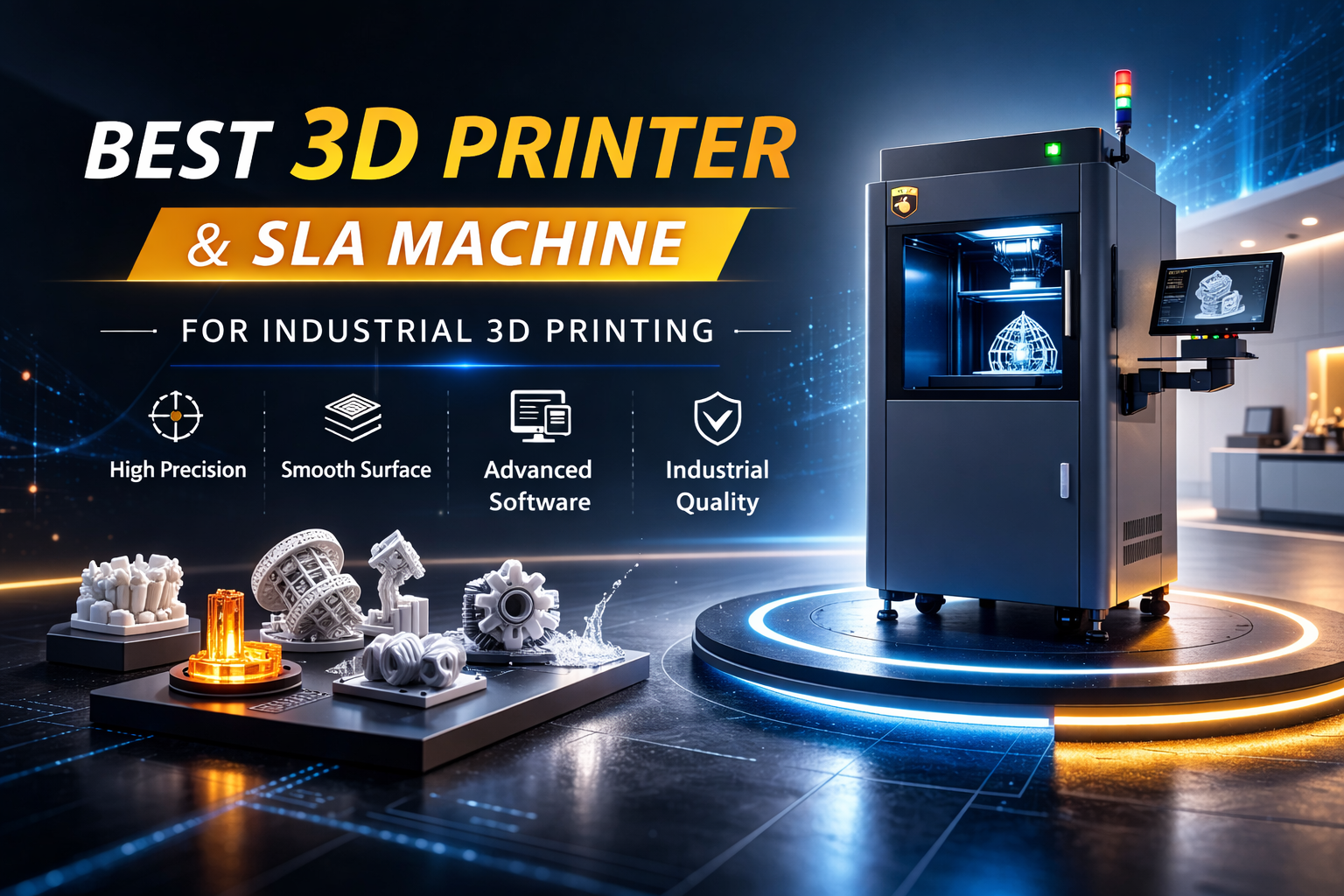
Best 3D Printer & SLA Machine for Industrial 3D Printing