Understanding Femtosecond Laser Technology
Femtosecond laser technology represents the pinnacle of ultrafast laser innovation, delivering pulse durations measured in femtoseconds (10-15 seconds). These extraordinarily brief pulses enable material processing with virtually no thermal damage, making femtosecond lasers the preferred choice for applications demanding the highest precision and quality. As a leading manufacturer of industrial laser sources, JCZ (Beijing JCZ Technology Co., Ltd.) has developed advanced femtosecond laser solutions that address the growing demand for precision micromachining across multiple industries.
The fundamental advantage of femtosecond lasers lies in their ability to remove material through ablation before significant heat can diffuse into the surrounding area. This “cold ablation” process produces clean, precise features with minimal heat-affected zones, enabling machining of materials that are difficult or impossible to process with conventional lasers or mechanical methods.
Principles of Femtosecond Laser Processing
When a femtosecond laser pulse strikes a material surface, the energy is deposited so rapidly that electrons absorb photons before the lattice can respond. This creates a state of extreme non-equilibrium where material is removed through direct solid-to-plasma transition, bypassing the liquid phase that causes thermal damage in longer-pulse processing. The resulting features exhibit smooth edges, minimal recast layers, and virtually no microcracking.
The peak power of femtosecond pulses is extraordinarily high, often reaching gigawatt or terawatt levels, despite modest average power. This high peak power enables multiphoton absorption processes that allow processing of transparent materials like glass, sapphire, and diamond without the need for wavelength-specific absorption. The nonlinear nature of femtosecond-material interaction provides unique processing capabilities unavailable with any other technology.
Industrial Applications
Semiconductor and Electronics Manufacturing
The semiconductor industry increasingly relies on femtosecond lasers for wafer dicing, via drilling, and circuit modification. As device dimensions shrink below 10 nanometers, the thermal damage caused by longer-pulse lasers becomes unacceptable. Ultrafast laser sources provide the precision needed for these demanding applications while maintaining high throughput compatible with production requirements.
Flexible circuit board manufacturing benefits from femtosecond laser cutting, which produces clean, burr-free edges without delamination of the copper layers. The technology also enables drilling of microvias with aspect ratios exceeding 10:1, critical for advanced PCB designs that require high-density interconnects.
Medical Device Manufacturing
Medical device manufacturers utilize femtosecond lasers for producing cardiovascular stents, surgical needles, and implantable sensors. The ability to machine nitinol shape memory alloys without altering their phase transformation properties makes femtosecond lasers essential for stent manufacturing. The technology produces stents with smooth strut surfaces that reduce restenosis risk and improve patient outcomes.
Ophthalmological applications include LASIK flap creation and corneal shaping, where femtosecond lasers have largely replaced mechanical microkeratomes. The precision and safety of femtosecond laser-assisted procedures have expanded treatment options for patients previously considered unsuitable for refractive surgery.
Automotive and Aerospace
The automotive industry applies femtosecond laser technology for fuel injector nozzle drilling, engine component texturing, and sensor fabrication. Fuel injector nozzles with femtosecond-drilled holes exhibit improved spray patterns and combustion efficiency, contributing to reduced emissions and better fuel economy. The aerospace sector uses femtosecond lasers for processing thermal barrier coatings, drilling cooling holes in turbine blades, and marking critical components with permanent identification codes.
Advantages Over Conventional Processing Methods
Compared to nanosecond and picosecond lasers, femtosecond lasers offer superior edge quality, smaller heat-affected zones, and the ability to process a broader range of materials. The elimination of thermal damage enables processing of heat-sensitive polymers, biological tissues, and composite materials without degradation of material properties.
Mechanical machining methods produce chips, tool wear, and mechanical stress that can damage delicate workpieces. Femtosecond laser processing is contactless, eliminating tool wear and mechanical deformation. This non-contact approach enables machining of thin, flexible, and fragile substrates that cannot be reliably processed by mechanical means.
Technical Specifications and Selection Criteria
Selecting the appropriate femtosecond laser requires careful consideration of several parameters. Wavelength options typically include 1030nm (Yb-based), 800nm (Ti:Sapphire), and frequency-doubled versions at 515nm and 400nm. The wavelength affects absorption characteristics and feature resolution, with shorter wavelengths generally providing finer features.
Pulse energy, repetition rate, and average power must be matched to the specific application. High-speed surface texturing requires high repetition rates (MHz) with moderate pulse energies, while deep drilling and cutting benefit from lower repetition rates (kHz) with higher pulse energies. Industrial femtosecond laser systems from JCZ offer configurable parameters to address diverse application requirements.
Beam quality, measured by M² factor, affects focusing capability and feature size. Systems with M² values close to 1.0 produce the smallest spot sizes and highest processing resolution. For the most demanding micromachining applications, beam quality specification should be a primary selection criterion.
Integration and System Design
Successful implementation of femtosecond laser technology requires careful system integration. Galvanometer scanners provide high-speed beam steering for surface processing, while precision linear stages enable deep drilling and cutting applications. The combination of galvo scanning and stage movement creates hybrid systems capable of processing large areas at high speed without sacrificing positioning accuracy.
Beam delivery optics must be selected to preserve pulse duration and beam quality throughout the optical path. Dispersion compensation, typically achieved through chirped mirror assemblies or prism compressors, ensures that the femtosecond pulse duration is maintained from the laser source to the workpiece. Improper optical design can stretch pulses by several times, degrading processing quality significantly.
Future Developments and Market Outlook
The femtosecond laser market continues to expand as manufacturing requirements become more demanding and laser technology becomes more accessible. Key development trends include higher average powers for increased throughput, more compact and robust laser sources for industrial environments, and integrated processing heads with built-in monitoring and control capabilities.
Cost reduction through simplified laser architectures and volume production is making femtosecond technology accessible to a broader range of applications and industries. As processing speeds increase and system costs decrease, femtosecond lasers will continue displacing conventional processing methods in applications where quality and precision are paramount.
Conclusion
Femtosecond laser technology has established itself as an indispensable tool for precision manufacturing across diverse industries. The unique combination of cold ablation, material versatility, and sub-micron precision enables applications that were previously impossible or impractical. JCZ’s commitment to advancing ultrafast laser technology ensures that industrial users have access to reliable, high-performance femtosecond laser sources optimized for demanding production environments. As the technology continues to evolve, the range of applications and the economic advantages of femtosecond laser processing will only expand further.

2026 Mid-Autumn Festival and National Day Holiday Notice

OFFICIAL DRIVER UPDATE NOTICE

Top Factors That Affect Marking Quality in Handheld Fiber Laser Systems

Meet JCZ at Laser World of Photonics India 2026 in Bengaluru
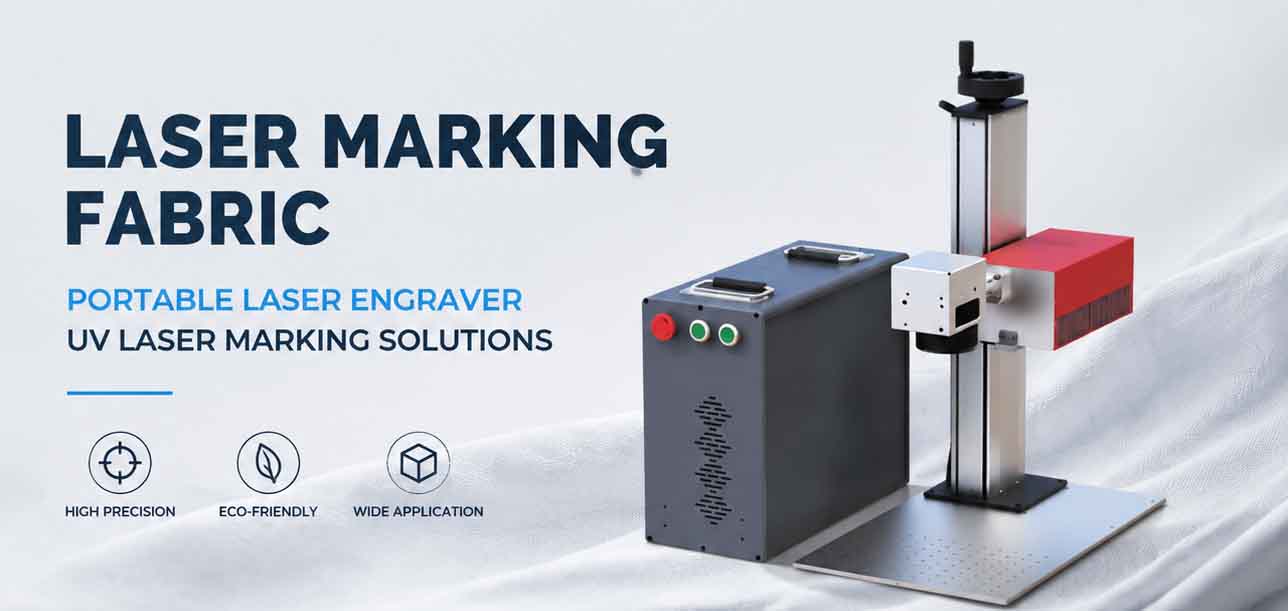
Laser Marking Fabric with Portable Laser Engraver: Advanced UV Laser Marking Solutions for Modern Manufacturing
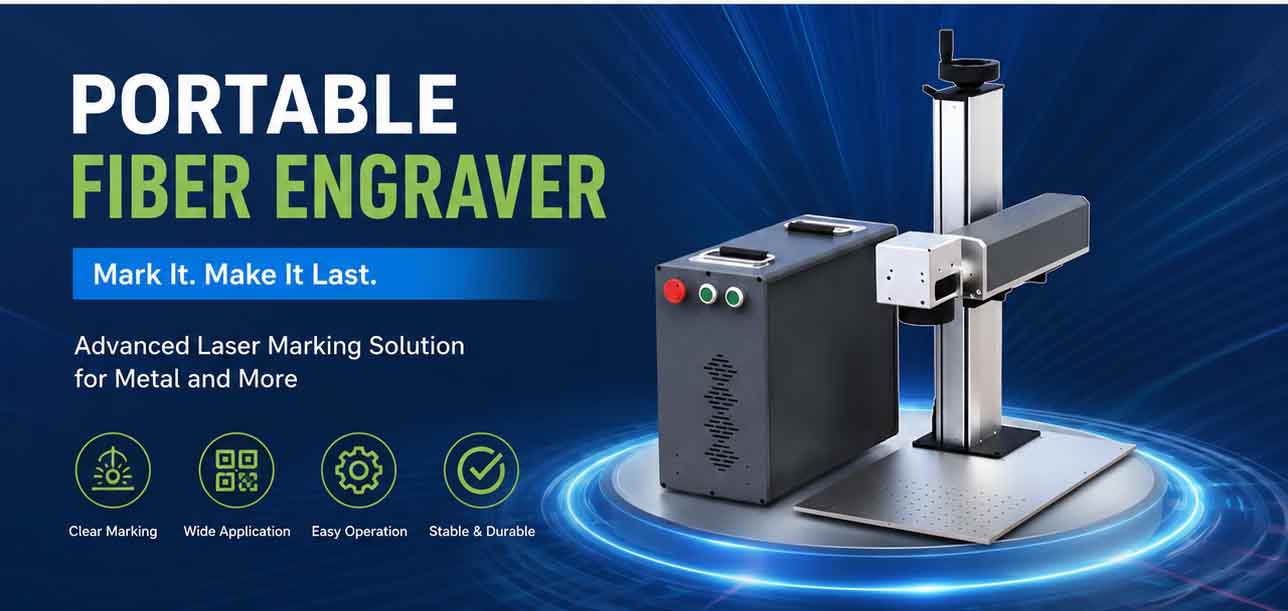
Laser Machine for Marking: The Ultimate Guide to Portable Fiber Engravers & MOPA Color Laser Marking