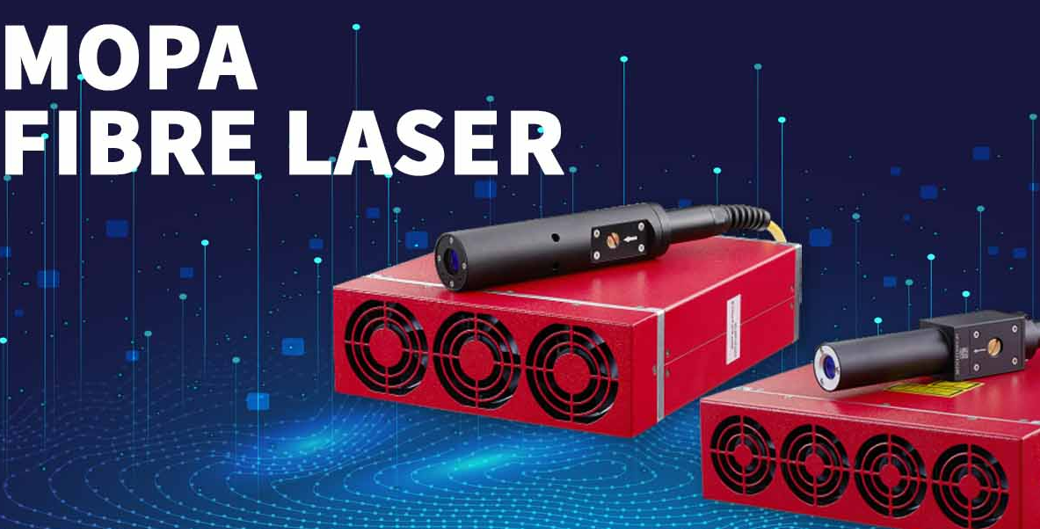
In modern industrial laser processing, the mopa fiber laser has become one of the most flexible and powerful solutions for precision marking and engraving. Compared with traditional fiber marking laser systems, MOPA technology offers wider parameter control, better material adaptability, and superior marking quality. Combined with stable fiber laser sources, it is now widely used in electronics, metal processing, medical devices, and consumer products.
For manufacturers looking for both performance and cost efficiency, understanding the difference between high-end systems and a cheap fiber laser solution is critical for making the right investment.
What Is a MOPA Fiber Laser?
A mopa fiber laser (Master Oscillator Power Amplifier) uses a seed laser combined with an amplifier structure. This design allows independent control of:
Pulse width
Frequency
Peak power
Compared to standard fiber marking laser systems, MOPA technology enables fine adjustment of laser parameters, resulting in higher-quality marking on sensitive materials.
Key advantages of a mopa fiber laser include:
Adjustable pulse duration (from nanoseconds to hundreds of nanoseconds)
Reduced heat-affected zones
Enhanced surface finish
Greater control over color and contrast
Fiber Marking Laser Applications
A fiber marking laser is widely used for permanent marking on various materials, especially metals and certain plastics. Typical applications include:
Serial numbers and QR codes on metal parts
Logo engraving on stainless steel and aluminum
High-contrast marking on anodized aluminum
Precision marking on electronic components
When combined with mopa fiber laser technology, fiber marking laser systems can also achieve:
Black marking on aluminum
Color marking on stainless steel
Low-burn plastic marking without deformation
This makes MOPA-based fiber marking laser systems ideal for high-end industrial and branding applications.
Importance of High-Quality Fiber Laser Sources
The performance of any fiber laser system depends heavily on the fiber laser sources used. High-quality fiber laser sources provide:
Stable output power
Long service life
Consistent beam quality
Low maintenance cost
Reliable fiber laser sources are essential for ensuring marking consistency, especially in high-volume production environments. Poor-quality sources may reduce system lifespan and increase downtime, even if the initial purchase cost is lower.
Is a Cheap Fiber Laser Worth It?
Many buyers search for a cheap fiber laser to reduce upfront investment. While low-cost systems can be suitable for basic marking tasks, there are important trade-offs to consider:
Pros of a Cheap Fiber Laser
Lower initial cost
Suitable for simple metal marking
Faster return on investment for small workshops
Limitations of a Cheap Fiber Laser
Fixed pulse parameters
Limited material compatibility
Lower marking quality on plastics and coated metals
Shorter lifespan of fiber laser sources
For customers with higher quality requirements or diverse materials, investing in a mopa fiber laser often delivers better long-term value despite the higher initial cost.
Choosing the Right Fiber Laser Solution
When selecting between a standard fiber marking laser and a mopa fiber laser, consider the following factors:
Materials to be marked (metal, plastic, coated surfaces)
Required marking quality and contrast
Production volume and speed
Budget and long-term operating cost
Reliability of fiber laser sources
For entry-level applications, a cheap fiber laser may be sufficient. However, for precision marking, color engraving, or advanced industrial use, a mopa fiber laser offers unmatched flexibility and performance.
Conclusion
A mopa fiber laser represents the next generation of fiber marking laser technology, combining advanced control, superior marking quality, and compatibility with a wide range of materials. Supported by stable fiber laser sources, it provides reliable performance for demanding industrial applications.
While a cheap fiber laser can meet basic needs, businesses seeking higher quality, long-term stability, and expanded capabilities will benefit significantly from choosing a MOPA-based fiber laser system.
Invitation | JCZ Technology Invites You to LASER World of PHOTONICS CHINA 2026
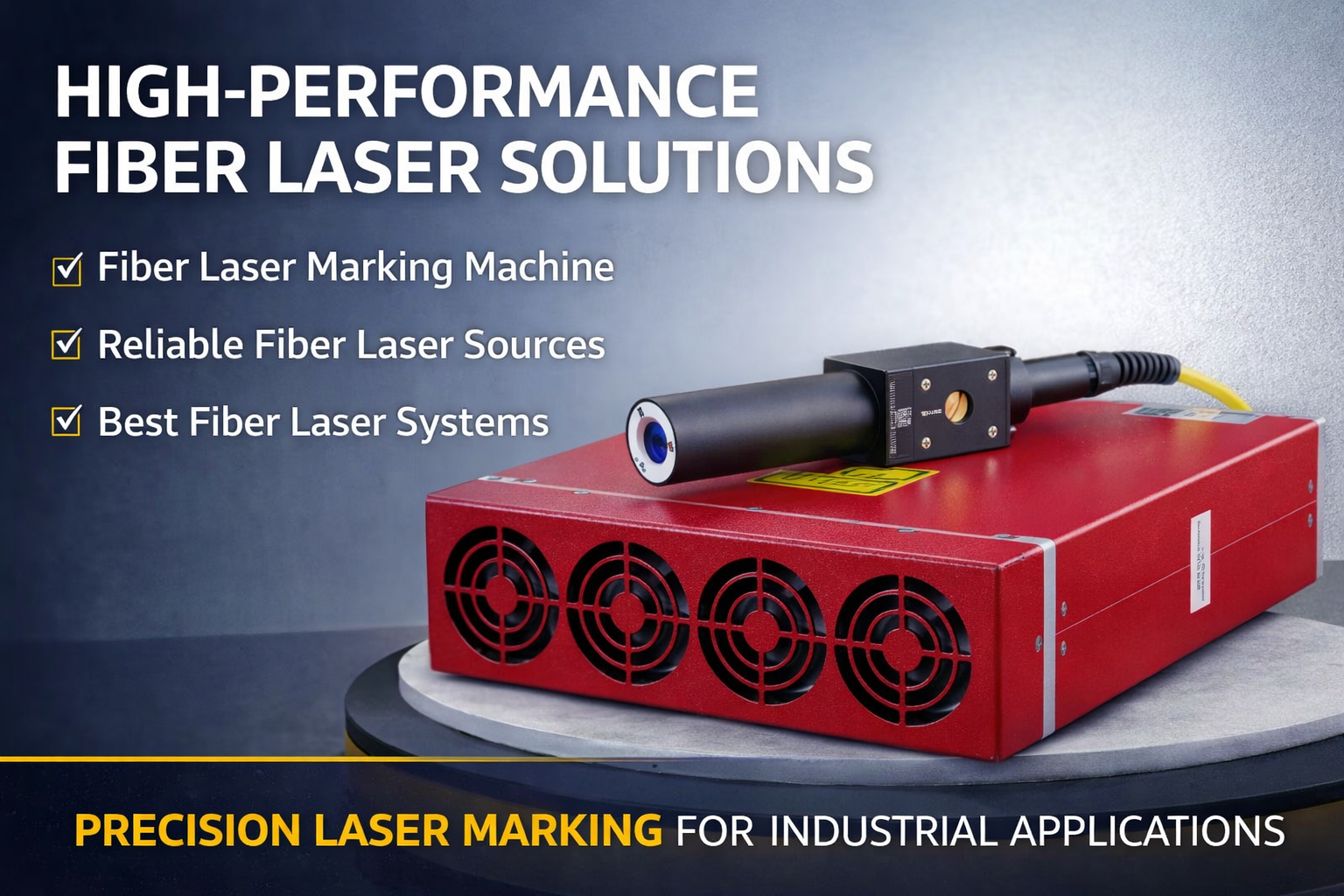
Fiber Laser Solutions for Industrial Precision Manufacturing
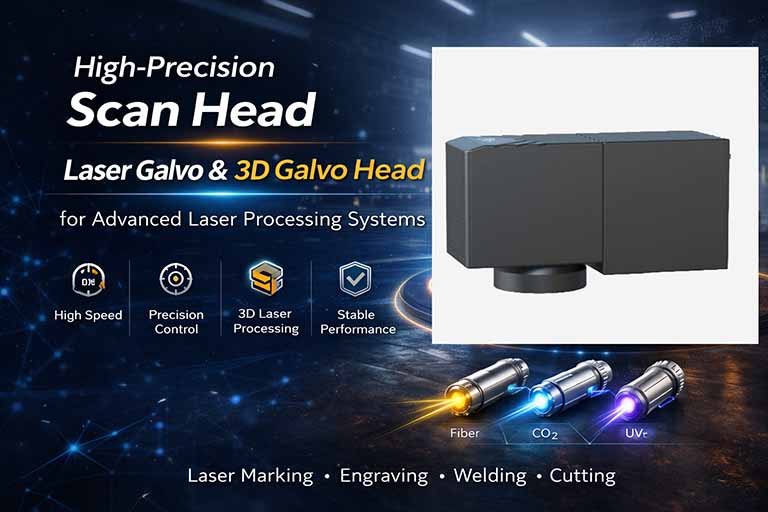
Scan Head & 3D Galvo Head for Laser Systems
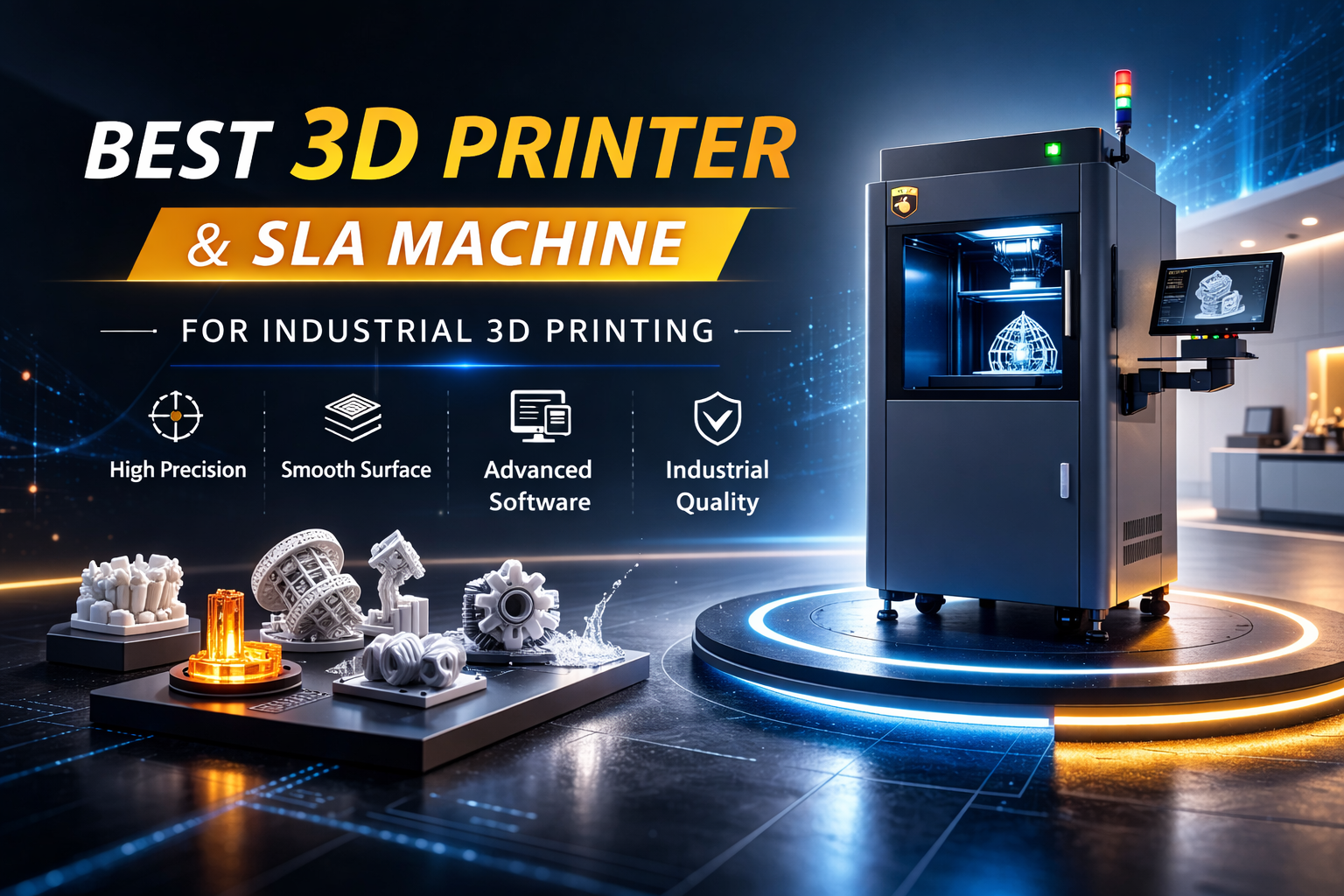
Best 3D Printer & SLA Machine for Industrial 3D Printing
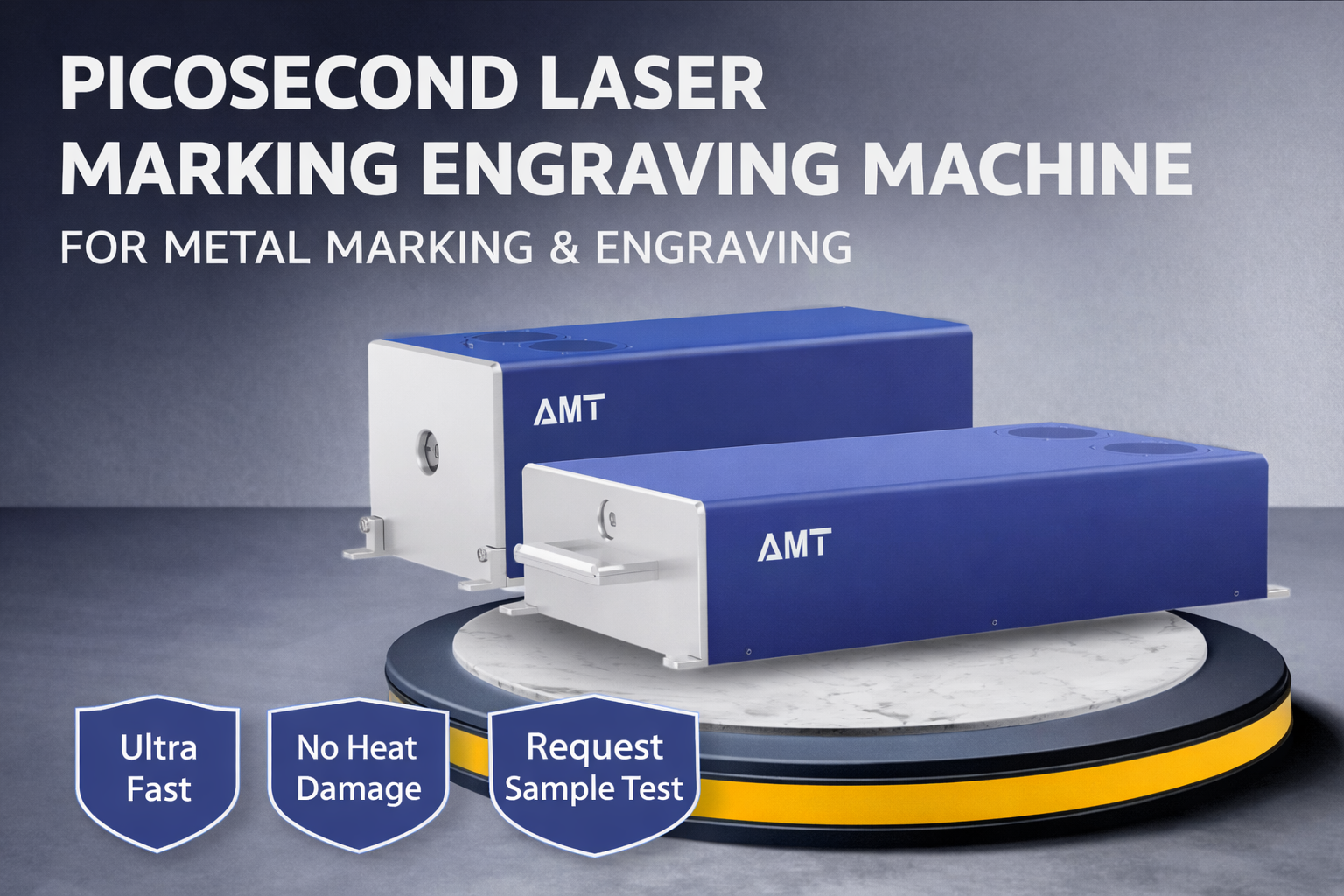
Picosecond Lasers for Ultra-Precision Metal Marking & Engraving